
FBA Service China to Italy: Your Ultimate Shipping Guide
Navigating the complexities of international shipping for your Amazon FBA business can be challenging. Specifically, managing an FBA service from China to Italy demands careful planning and execution. This guide aims to simplify your supply chain, offering insights and strategies for seamless delivery to Amazon fulfillment centers in Italy.
What is FBA Service from China to Italy?
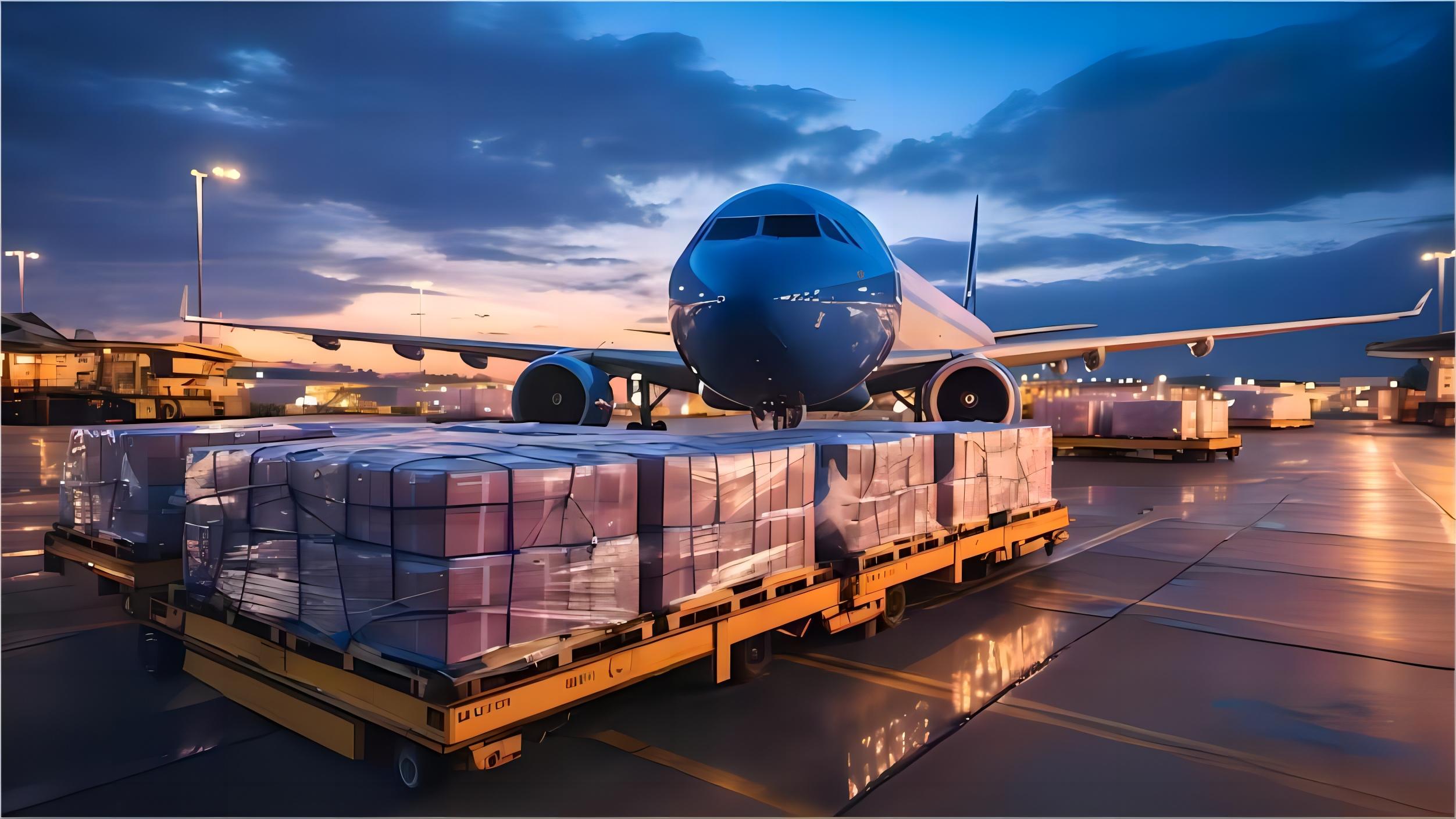
FBA (Fulfillment by Amazon) service from China to Italy involves shipping products directly from your Chinese suppliers to Amazon’s fulfillment centers in Italy. Effectively, this process handles everything from origin logistics to final delivery, ensuring your inventory is ready for sale.
Crucially, this service helps Amazon sellers streamline their operations and reduce overhead. Consequently, it allows them to focus on sales and marketing rather than the intricate details of international shipping and warehousing. Understanding this process is vital for business growth.
Why is Expert Logistics Crucial for FBA Service China to Italy?
Undeniably, expert logistics are paramount for successful FBA shipments from China to Italy. Improper handling can lead to costly delays, customs issues, and even lost inventory. Therefore, choosing a reliable freight forwarder is not merely an option but a necessity.
Moreover, a professional logistics partner understands the specific requirements of Amazon FBA. This includes precise labeling, packaging, and delivery window management. Ultimately, their expertise ensures compliance and efficiency throughout the entire supply chain.
How Does FBA Service China to Italy Work: Step-by-Step
The process of getting your products from China to Italian FBA warehouses involves several critical steps. Firstly, it begins with careful planning and coordination with your supplier. Subsequently, each stage demands attention to detail for a smooth operation.
Indeed, a well-managed workflow prevents common pitfalls and ensures timely delivery. Hence, understanding each step helps in making informed decisions about your shipping strategy. This systematic approach guarantees your products reach their destination efficiently.
Step 1: Product Preparation and Supplier Coordination
Initially, ensure your products meet Amazon’s strict packaging and labeling requirements. This includes FNSKU labels and proper box content information. Furthermore, coordinate with your Chinese supplier for accurate product counts and quality control checks before shipping.
Certainly, effective communication with your supplier regarding readiness and documentation is key. They should provide commercial invoices and packing lists accurately. These documents are fundamental for customs clearance and smooth transit.
Step 2: Choosing Your Shipping Method
Selecting the right shipping method significantly impacts both cost and transit time. Options typically include sea freight, air freight, or a combination. Your choice depends heavily on your budget, urgency, and the nature of your goods.
For instance, sea freight is economical for large volumes but slower. Conversely, air freight offers speed but at a higher cost. We will delve into these options in more detail shortly.
Step 3: Customs Clearance and Documentation
Importing goods into Italy requires meticulous customs documentation. This involves commercial invoices, packing lists, bills of lading or air waybills, and sometimes certificates of origin. Proper classification of goods with HS codes is also essential.
Ultimately, a skilled customs brokerage service can navigate these complexities. They ensure compliance with Italian import regulations and prevent delays. This expertise is invaluable for avoiding unexpected costs or seizures.
Step 4: Inland Transportation and Amazon Delivery
After customs clearance, your goods proceed to Amazon’s fulfillment centers. This usually involves local trucking services within Italy. Importantly, Amazon has specific delivery appointment systems that must be adhered to.
Therefore, your logistics partner must manage these appointments efficiently. They ensure timely delivery to the correct FBA warehouse, preventing rejections or penalties. This final mile delivery is a critical component of the entire Amazon FBA service.
How Does Sea Freight Compare to Air Freight for China to Italy FBA?
When shipping goods for FBA service from China to Italy, the primary decision lies between sea freight and air freight. Each method presents distinct advantages and disadvantages concerning cost, speed, and capacity. Consequently, your choice should align with your business model and inventory needs.
Considerably, understanding these differences is vital for optimizing your supply chain. This strategic decision impacts your overall profitability and customer satisfaction. Therefore, evaluate your priorities carefully before committing to a shipping mode.
| Shipping Method | Cost Range (per kg/CBM) | Transit Time (China to Italy) | Best For | Limitations |
|---|---|---|---|---|
| Sea Freight (FCL/LCL) | $0.05-$0.15/kg; $50-150/CBM | 28-35 days | Large, heavy, non-urgent shipments; cost-sensitive inventory | Slow, less flexible, potential port delays |
| Air Freight | $3-$7/kg | 5-10 days | Small, light, high-value, urgent shipments; fast inventory turnover | High cost, weight/volume restrictions, potential fuel surcharges |
| Express Service | $7-$15/kg | 3-7 days | Samples, urgent small parcels, high-margin products | Very high cost, strict weight/size limits, not suitable for bulk |
Which Shipping Option Should You Choose for Your FBA Service China to Italy?
Deciding on the best shipping method for your FBA service from China to Italy depends on several key factors. Moreover, balancing these elements ensures that your logistics strategy is both efficient and cost-effective. Ultimately, the right choice supports your business goals.
Therefore, consider your budget, the urgency of your shipment, and the characteristics of your cargo. Each aspect plays a crucial role in determining the most suitable approach. Below is a framework to guide your decision-making process.
Budget Priority
If cost-saving is your primary concern, sea freight is generally the most economical choice. LCL (Less than Container Load) is ideal for smaller shipments (under 15 CBM), whereas FCL (Full Container Load) is best for larger volumes. This method significantly reduces per-unit shipping costs, thereby boosting your profit margins.
However, be prepared for longer transit times. As a result, careful inventory planning is essential to avoid stockouts. This option is perfect for businesses with stable demand and sufficient lead time.
Speed Priority
For urgent shipments or products with high demand volatility, air freight is the preferred option. It dramatically cuts down transit times, allowing for quicker inventory replenishment and faster market entry. This speed can be crucial for seasonal products or new product launches.
Nevertheless, the higher cost per kilogram must be factored into your pricing strategy. Consider using air freight for high-value items or when stock levels are critically low. Express service offers even faster delivery for very small, urgent parcels.
Cargo Type and Volume Considerations
The nature and volume of your cargo also influence the best shipping method. Bulky, heavy, or low-value items are best suited for sea freight. Conversely, small, lightweight, or high-value electronics often benefit more from air freight due to reduced handling risks and faster delivery.
Furthermore, for volumes between 1-3 CBM, LCL sea freight might still be viable. However, if your shipment is very small (e.g., a few cartons), express courier services often provide the best balance of speed and cost efficiency. Always consider the total landed cost per unit.
Hybrid Solutions
Sometimes, a hybrid approach can offer the best of both worlds. For example, you might use air freight for an initial batch of products to quickly launch, then switch to sea freight for subsequent bulk orders. This strategy optimizes both speed and cost over time.
Another hybrid option involves using rail freight for part of the journey to Europe, then trucking to Italy. While rail freight is not directly to Italy, it offers a middle ground between sea and air for transit time and cost to central Europe. This requires additional transshipment planning.
Navigating Customs and Compliance for FBA Shipments to Italy
Customs procedures are a critical component of any FBA service from China to Italy. Incorrect documentation or non-compliance can lead to significant delays, fines, or even seizure of goods. Therefore, understanding and adhering to Italian import regulations is non-negotiable.

Moreover, working with an experienced customs broker is highly recommended. They possess the expertise to navigate complex tariffs, duties, and VAT requirements. This professional assistance ensures a smooth and compliant entry into the European Union market.
Key Documents Required
For seamless customs clearance in Italy, several key documents are mandatory. These include a commercial invoice, a packing list, and a bill of lading (for sea freight) or an air waybill (for air freight). Additionally, a certificate of origin may be required for certain products.
Furthermore, ensure all documents are accurate and consistent. Discrepancies can trigger extensive inspections and delays. Your freight forwarder should assist in verifying these documents before shipment.
Duties, Taxes, and VAT
When importing goods from China to Italy, you will incur import duties and VAT (Value Added Tax). Duties are calculated based on the HS code of your product. VAT, typically 22% in Italy, is applied to the total value of goods plus duties and shipping costs.
Consequently, effective planning for these costs is vital for your product pricing. Many FBA sellers choose to register for VAT in Italy or use a fiscal representative. This ensures proper tax handling and avoids unexpected charges upon arrival.
EORI Number and Importer of Record
An EORI (Economic Operator Registration and Identification) number is mandatory for all businesses importing into the EU. As an FBA seller, you will either need your own EORI number or appoint an indirect customs representative who has one. This identifies you as an economic operator within the EU.
Moreover, the Importer of Record (IOR) is legally responsible for ensuring goods comply with local laws and for paying duties and taxes. For FBA shipments, Amazon will NOT act as the IOR. Therefore, you must either be the IOR yourself or appoint a third-party service provider. This is a critical aspect of FBA service from China to Italy.
Real-World Case Studies: FBA Service China to Italy
Examining actual shipping scenarios provides valuable context for understanding the complexities and opportunities in FBA service from China to Italy. These case studies highlight various challenges and successful strategies. They demonstrate how different shipping methods and logistical approaches yield distinct outcomes.
These examples, based on Q3 2024 market rates, offer practical insights. They illustrate the importance of careful planning and choosing the right partner. Note: Freight rates are subject to change based on fuel costs, carrier capacity, and seasonal demand. Contact us for a current quote tailored to your specific shipment.
Case Study 1: High-Volume Seasonal Toys via Sea Freight
| Detail | Value |
|---|---|
| Route | Ningbo, China Genoa, Italy |
| Cargo | Children’s educational toys, 28 CBM, 4,500 kg |
| Container | LCL 28 CBM |
| Shipping Details | |
| – Carrier/Service | Major carrier (e.g., MSC) |
| – Port of Loading | Ningbo |
| – Port of Discharge | Genoa |
| – Route Type | Direct |
| Cost Breakdown (Estimated) | |
| – Ocean Freight | $2,100 |
| – Origin Charges (THC, documentation) | $350 |
| – Destination Charges | $450 |
| – Customs & Duties (estimated) | $700 |
| – Total Landed Cost | $3,600 |
| Timeline (Estimated) | |
| – Booking to Loading | 5 days |
| – Sea Transit | 30 days |
| – Customs Clearance | 3 days |
| – Total Door-to-Door | 38 days |
| Key Insight | Cost-effective for bulk, non-urgent seasonal inventory. Q4 peak season rates were 15% higher than off-peak. Careful planning avoided stockouts. |
Case Study 2: Fast-Moving Consumer Electronics via Air Freight
| Detail | Value |
|---|---|
| Route | Shenzhen, China Milan, Italy |
| Cargo | Wireless headphones, 3.5 CBM, 450 kg |
| Container | Air Cargo |
| Shipping Details | |
| – Carrier/Service | Major airline (e.g., Lufthansa Cargo) |
| – Airport of Loading | Shenzhen (SZX) |
| – Airport of Discharge | Milan Malpensa (MXP) |
| – Route Type | Direct |
| Cost Breakdown (Estimated) | |
| – Air Freight | $2,700 |
| – Origin Charges (handling, documentation) | $180 |
| – Destination Charges | $220 |
| – Customs & Duties (estimated) | $550 |
| – Total Landed Cost | $3,650 |
| Timeline (Estimated) | |
| – Booking to Loading | 2 days |
| – Air Transit | 5 days |
| – Customs Clearance | 2 days |
| – Total Door-to-Door | 9 days |
| Key Insight | Ideal for high-value, fast-selling electronics. Enabled rapid inventory replenishment for a product with fluctuating demand. Higher unit cost, but justified by market speed. |
Case Study 3: Furniture Components via Consolidated LCL
| Detail | Value |
|---|---|
| Route | Shanghai, China Livorno, Italy |
| Cargo | DIY furniture components, 12 CBM, 1,800 kg |
| Container | LCL 12 CBM |
| Shipping Details | |
| – Carrier/Service | Major consolidator |
| – Port of Loading | Shanghai |
| – Port of Discharge | Livorno |
| – Route Type | Transshipment via Singapore |
| Cost Breakdown (Estimated) | |
| – Ocean Freight | $1,080 |
| – Origin Charges (THC, documentation) | $280 |
| – Destination Charges | $380 |
| – Customs & Duties (estimated) | $450 |
| – Total Landed Cost | $2,190 |
| Timeline (Estimated) | |
| – Booking to Loading | 7 days |
| – Sea Transit | 35 days |
| – Customs Clearance | 4 days |
| – Total Door-to-Door | 46 days |
| Key Insight | Transshipment routes can offer lower costs but add a few days to transit time. This was suitable for a steady supply of components where cost-efficiency was prioritized over speed. Port congestion in Singapore added 3 days to initial estimate. |
Optimizing Your Supply Chain for FBA Service China to Italy
Achieving maximum efficiency in your FBA service from China to Italy requires continuous optimization of your supply chain. This involves more than just selecting a shipping method; it encompasses strategic planning, technology integration, and proactive problem-solving. Ultimately, a finely tuned supply chain reduces costs and enhances reliability.
Moreover, staying informed about logistics trends and market conditions is crucial. For example, recent Red Sea disruptions impacted transit times and freight rates to Europe. Adapting to such changes swiftly ensures business continuity and competitive advantage. Regular review of your logistics strategy is therefore essential.
Leveraging Technology and Data
Modern logistics benefits immensely from technology. Utilizing tracking systems, inventory management software, and predictive analytics can provide real-time visibility into your shipments. This data empowers you to make informed decisions and anticipate potential issues.
Furthermore, digital platforms simplify communication between suppliers, freight forwarders, and Amazon. This integration minimizes manual errors and speeds up information flow. Consequently, it leads to a more responsive and efficient supply chain.
Consolidation and Warehousing Strategies
For FBA sellers sourcing from multiple suppliers in China, freight consolidation is a game-changer. Consolidating smaller shipments into a single, larger consignment reduces per-unit shipping costs significantly. This strategy is particularly effective for LCL sea freight.
Additionally, consider temporary warehousing near the port of origin or destination. This provides flexibility for unexpected delays or batching shipments. Such tactical warehousing can optimize delivery schedules and reduce storage fees at Amazon FBA centers.
Building Strong Relationships
A robust FBA service from China to Italy relies heavily on strong relationships with your suppliers and logistics partners. Reliable suppliers ensure product quality and timely readiness. Meanwhile, a trusted freight forwarder provides invaluable expertise and support.
Therefore, invest time in vetting and nurturing these partnerships. Open communication and mutual understanding are key to resolving issues quickly and maintaining smooth operations. This collaborative approach underpins long-term success.
Door-to-Door Service Benefits
Opting for a door-to-door service simplifies your FBA logistics significantly. This comprehensive service handles every aspect from your supplier’s factory in China to the Amazon fulfillment center in Italy. It minimizes your involvement and reduces the administrative burden.
Consequently, this integrated approach ensures a single point of contact and accountability. It covers pickup, international shipping, customs clearance, and final delivery. This end-to-end solution is particularly beneficial for sellers who prefer to focus on their core business.
Conclusion: Mastering Your FBA Service China to Italy
Effectively managing your FBA service from China to Italy is a cornerstone of success for Amazon sellers. This intricate process demands a deep understanding of shipping methods, customs regulations, and supply chain optimization. By carefully selecting your logistics partners and strategies, you can ensure timely, cost-effective, and compliant delivery to Amazon’s Italian fulfillment centers.
Indeed, the journey from factory floor to Amazon warehouse is multifaceted. However, with the right guidance and professional support, it becomes a smooth and predictable operation. Ultimately, mastering your FBA logistics will provide a significant competitive advantage in the dynamic e-commerce landscape.
Start Your Shipment
Ready to streamline your FBA service from China to Italy? Contact our expert team today for a personalized quote and discover how our tailored logistics solutions can optimize your supply chain and enhance your Amazon FBA success. Let us handle the complexities so you can focus on growing your business.
Request Quote