
FCL Shipping China to Canada: Your Comprehensive Guide
The process of FCL shipping China to Canada can seem daunting, yet it is often the most cost-effective solution for large volume imports. Understanding the nuances of full container load (FCL) logistics is crucial for businesses aiming to optimize their supply chain. This guide provides essential insights into navigating this vital trade route.
What is FCL Shipping and Why Choose It?
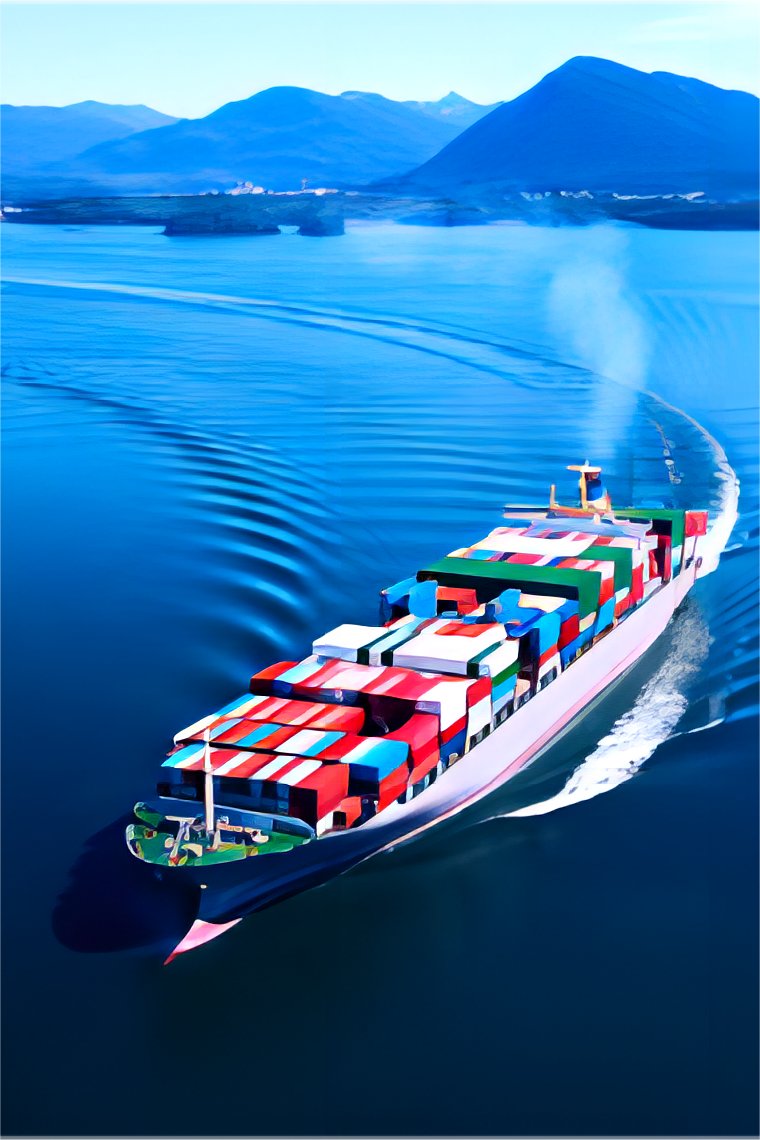
FCL stands for Full Container Load, meaning your goods occupy an entire shipping container. This method is ideal for businesses importing large volumes of products from China to Canada.
Conversely, FCL shipping offers exclusive use of a container, eliminating the need to share space with other consignments. Consequently, it often results in faster transit times and reduced risk of damage or misplacement.
Choosing FCL is particularly beneficial when your cargo volume is substantial enough to fill a 20-foot or 40-foot container. Furthermore, it provides greater control over your shipment’s journey and delivery schedule.
Key Considerations for FCL Shipping China to Canada
When planning your FCL shipment, several critical factors demand attention. These include understanding container types, selecting appropriate ports, and navigating the vast distances involved.
Careful planning for shipping to North America ensures a smoother, more efficient freight process. Therefore, consider all logistical aspects thoroughly.
Container Types and Capacities
Standard containers come in 20-foot (20GP) and 40-foot (40GP/40HQ) sizes. A 20GP holds approximately 33 CBM, while a 40GP offers around 67 CBM and a 40HQ provides 76 CBM.
Selecting the correct container size is vital for optimizing space and minimizing FCL shipping costs from China to Canada. Always match your cargo volume to the container capacity to avoid paying for unused space.
Major Ports and Routes
Key Chinese loading ports include Shanghai, Ningbo, Shenzhen, Guangzhou, and Qingdao. These ports offer extensive connections and frequent sailings.
In Canada, the primary destination ports are Vancouver (British Columbia) on the west coast and Montreal (Quebec) or Halifax (Nova Scotia) on the east coast. Therefore, selecting the closest port to your final destination in Canada can significantly reduce inland transportation costs and time.
FCL Shipping Costs from China to Canada
Understanding the total cost of FCL shipping China to Canada involves more than just the ocean freight rate. Several components contribute to the overall landed cost.
Indeed, fluctuating freight rates, fuel surcharges, and port congestion can all impact your final bill. Therefore, obtaining a detailed quote is always recommended.
Understanding Freight Rate Components
Ocean freight refers to the cost of transporting the container by sea. Origin charges include terminal handling, documentation, and local trucking in China. Destination charges cover similar services upon arrival in Canada.
Furthermore, you must account for customs duties, taxes, and any specific Canadian import regulations. These elements collectively determine your total FCL container shipping China to Canada costs.
Factors Influencing Pricing
Several variables affect FCL rates, including the specific route, container size, carrier, and time of year. Peak seasons, such as before major holidays like Chinese New Year or during Q3-Q4, often see higher prices.
Additionally, global events, fuel prices, and port congestion can lead to significant rate fluctuations. For instance, market data suggests rates typically increase 15-25% during August-October peak season.
FCL Transit Times: China to Canada
The transit time for FCL shipping from China to Canada varies based on the origin and destination ports, as well as the chosen shipping line. Direct services are faster but often more expensive.
Typically, a journey from a major Chinese port to Vancouver can take 14-22 days. Conversely, shipping to Eastern Canadian ports like Montreal or Halifax, often involving transshipment or longer routes, can extend to 30-45 days.
Moreover, unforeseen delays due to weather, port congestion, or customs inspections can impact the final delivery schedule. Therefore, it is wise to factor in a buffer for your supply chain planning.
Customs Clearance and Documentation for Canada Imports
Navigating Canadian customs is a crucial step for any FCL shipment. Accurate and complete documentation is paramount to avoid delays and penalties.
Indeed, proper customs brokerage expertise can significantly streamline this process. Consider engaging a professional for your customs brokerage expertise needs.
Key documents typically include the Commercial Invoice, Packing List, Bill of Lading, and any necessary permits or certificates for specific goods. Consequently, ensuring all paperwork is correct before shipment departure is essential.
Essential Documents Checklist
Importers must provide a detailed commercial invoice, a comprehensive packing list, and the original Bill of Lading. For certain goods, certificates of origin or health certificates may also be required.
Moreover, understanding Canadian import regulations, tariffs, and duties is vital. Incorrect classification or valuation can lead to significant fines or delays in cargo handling.
| Document | Purpose | Notes |
|---|---|---|
| Commercial Invoice | Details of goods, value, seller, buyer | Used for customs valuation and duties |
| Packing List | Itemized list of contents, weights, dimensions | Aids in cargo verification and handling |
| Bill of Lading (B/L) | Contract of carriage, title to goods | Proof of shipment and ownership |
| Certificate of Origin | Confirms country of manufacture | May qualify for preferential tariffs |
| Import Permits/Licenses | Required for regulated goods (e.g., food, electronics) | Ensure compliance with Canadian regulations |
How Does FCL Shipping Compare to Other Shipping Options?
Choosing the right shipping method for your goods from China to Canada is a critical decision. It impacts both cost and delivery speed. Therefore, understanding the alternatives to FCL shipping is important.
Each method presents a unique balance of cost, transit time, and suitability for different cargo types and volumes. Consequently, a thorough comparison is essential for informed decision-making.
| Shipping Method | Cost Range (40HQ approx.) | Transit Time | Best For | Limitations |
|---|---|---|---|---|
| FCL Sea Freight | $3,500 – $6,000 | 14-45 days | Large volumes, cost-effective, non-urgent | Longer transit time, minimum volume required |
| LCL Sea Freight | $80 – $150 per CBM | 20-55 days | Smaller volumes (under 15 CBM), flexible | Higher per-unit cost, potential delays due to consolidation |
| Air Freight | $15,000 – $25,000 | 3-7 days | Urgent, high-value, small/light cargo | Very high cost, restricted cargo types (e.g., hazardous goods) |
LCL Shipping vs. FCL
LCL (Less than Container Load) is suitable for smaller shipments that do not fill an entire container. Your goods share space with other consignments, and freight forwarders consolidate them.
While LCL might seem cheaper per CBM for small volumes, it often incurs higher per-unit costs once all handling fees are factored in. Furthermore, LCL transit times can be longer due to consolidation and deconsolidation processes.
Air Freight Alternatives
For urgent or high-value shipments, air freight offers significantly faster transit times, typically 3-7 days. However, the cost is substantially higher than sea freight, making it impractical for bulk or heavy cargo.
For example, while FCL sea freight might cost $3,000-5,000 for a 40HQ, air freight for a similar volume could easily reach $15,000-25,000. Therefore, air freight is generally reserved for time-critical inventory or samples.
Which Option Should You Choose?
Your decision hinges on your priorities: budget, speed, and cargo type. Consider these factors carefully before committing to a shipping method.
If budget is your primary concern and you have large volumes, FCL sea freight services are undoubtedly the best choice. If speed is paramount for smaller, urgent shipments, air freight is ideal. For medium-sized, less urgent shipments where cost is still a factor, LCL might be considered, though FCL often proves more efficient at certain volume thresholds.
For example, for shipments under 15 CBM, LCL at $50-80/CBM may be more economical than a full container. However, exceeding this volume often makes FCL more cost-effective due to fixed container costs.
Optimizing Your FCL Shipping Strategy
To ensure a smooth and efficient FCL shipping experience, strategic planning and informed decision-making are paramount. This involves selecting the right partners and anticipating potential challenges.
Indeed, a well-optimized strategy can significantly impact your overall supply chain efficiency and profitability. Therefore, proactively managing your logistics is key to successful importing.
Choosing the Right Freight Forwarder
A reliable freight forwarder is your crucial partner in managing FCL shipping China to Canada. Look for a company with extensive experience on this specific route, strong carrier relationships, and comprehensive service offerings.
They should provide transparent pricing, excellent communication, and expertise in both origin and destination logistics. Moreover, a good freight forwarder can offer door-to-door delivery solutions, simplifying your entire import process.
Managing Peak Seasons and Delays
Shipping during peak seasons, such as Chinese New Year, Golden Week, or the Q3-Q4 holiday rush, often leads to increased rates and longer transit times. Plan your shipments well in advance during these periods.
Furthermore, stay informed about potential port congestion or unforeseen disruptions. Building flexibility into your delivery schedule can mitigate the impact of such delays on your business operations.
Leveraging Technology for FCL Logistics
Modern logistics platforms offer real-time tracking, digital documentation, and enhanced communication tools. Utilizing these technologies can provide greater visibility and control over your FCL shipments.
Moreover, digital solutions help in managing inventory, predicting delivery schedules, and improving overall supply chain efficiency. This proactive approach minimizes risks and optimizes operational flow.
Real-World FCL Shipping Case Studies
Examining actual scenarios provides valuable insights into the complexities and successful execution of FCL shipping from China to Canada. These examples highlight diverse cargo types and logistical approaches.
Case Study 1: Consumer Electronics to Vancouver
This case illustrates efficient FCL shipping for high-demand electronics, focusing on speed and cost-effectiveness to a major Western Canadian hub. Based on Q3 2024 market rates, this provides a realistic overview.
| Detail | Description |
|---|---|
| Route | Shenzhen, China Vancouver, Canada |
| Cargo | Consumer Electronics, 68 CBM, 12,000 kg |
| Container | 40HQ |
| Shipping Details | Major carrier (e.g., COSCO), Port of Loading: Shenzhen, Port of Discharge: Vancouver, Route Type: Direct |
| Cost Breakdown | Ocean Freight: $4,500; Origin Charges: $450; Destination Charges: $600; Customs & Duties (estimated): $1,800; Total Landed Cost: $7,350 (Typical rates as of Q3 2024) |
| Timeline | Booking to Loading: 5 days; Sea Transit: 16 days; Customs Clearance: 2 days; Total Door-to-Door: 25 days |
| Key Insight | Direct service enabled fast transit, crucial for electronics with short product lifecycles. Effective communication with Amazon FBA solutions ensured smooth delivery to their fulfillment center. |
Case Study 2: Apparel to Montreal
This example details an FCL shipment of apparel to Eastern Canada, highlighting the longer transit times and the importance of precise documentation for textiles. This reflects typical rates as of early 2025.
| Detail | Description |
|---|---|
| Route | Qingdao, China Montreal, Canada |
| Cargo | Apparel & Textiles, 55 CBM, 8,500 kg |
| Container | 40GP |
| Shipping Details | Major carrier (e.g., Maersk), Port of Loading: Qingdao, Port of Discharge: Montreal, Route Type: Transshipment via Vancouver |
| Cost Breakdown | Ocean Freight: $5,200; Origin Charges: $500; Destination Charges: $750; Customs & Duties (estimated): $2,500; Total Landed Cost: $8,950 (Based on Q1 2025 market rates) |
| Timeline | Booking to Loading: 7 days; Sea Transit: 35 days; Customs Clearance: 3 days; Total Door-to-Door: 48 days |
| Key Insight | Longer transit to Eastern Canada required careful inventory planning. Accurate textile classification for customs was paramount to avoid delays. |
Case Study 3: Furniture to Toronto via Rail
This case study explores a combined sea-rail solution for bulky furniture, aiming for a balance between cost and speed for an inland Canadian destination. This showcases a hybrid approach for efficiency.
| Detail | Description |
|---|---|
| Route | Ningbo, China Toronto, Canada (via Vancouver) |
| Cargo | Flat-pack Furniture, 72 CBM, 15,000 kg |
| Container | 40HQ |
| Shipping Details | Major carrier, Port of Loading: Ningbo, Port of Discharge: Vancouver (then rail to Toronto), Route Type: Sea-Rail Intermodal |
| Cost Breakdown | Ocean Freight: $4,800; Rail Freight (Vancouver-Toronto): $2,000; Origin Charges: $480; Destination Charges: $650; Customs & Duties (estimated): $2,200; Total Landed Cost: $10,130 (Industry average as of late 2024) |
| Timeline | Booking to Loading: 6 days; Sea Transit: 18 days; Rail Transit: 7 days; Customs Clearance: 2 days; Total Door-to-Door: 38 days |
| Key Insight | Utilizing intermodal transport (sea to Vancouver, then rail freight to Toronto) significantly reduced overall transit time compared to all-water to Eastern Canada, while managing FCL shipping costs effectively. Note: Freight rates are subject to change based on fuel costs, carrier capacity, and seasonal demand. Contact us for a current quote tailored to your specific shipment. |

Mastering FCL Shipping from China to Canada
Navigating the complexities of FCL shipping China to Canada requires careful planning, a deep understanding of logistics, and reliable partners. From understanding container types and costs to managing customs and transit times, each element plays a critical role in successful importation.
By choosing the right freight forwarder and adopting an optimized strategy, businesses can achieve significant cost savings and improve delivery efficiency. Ultimately, a well-managed FCL shipping process is vital for sustained success in international trade. We are here to support your journey.
Need a tailored shipping solution?
Ready to streamline your FCL shipping China to Canada? Contact us today for a personalized quote and expert guidance. Our team is prepared to help you navigate complex logistics with ease, ensuring your cargo arrives safely and on time. Let us optimize your supply chain.