
FCL Shipping China to Dubai: Your Comprehensive Guide
Navigating FCL shipping from China to Dubai can seem complex, yet it offers significant advantages for businesses moving large volumes of goods. This detailed guide, brought to you by Top China Freight, explains everything you need to know about full container load shipments, ensuring a smooth and efficient logistics process. We aim to clarify the intricacies, from port selection to customs clearance, helping you make informed decisions for your cargo.
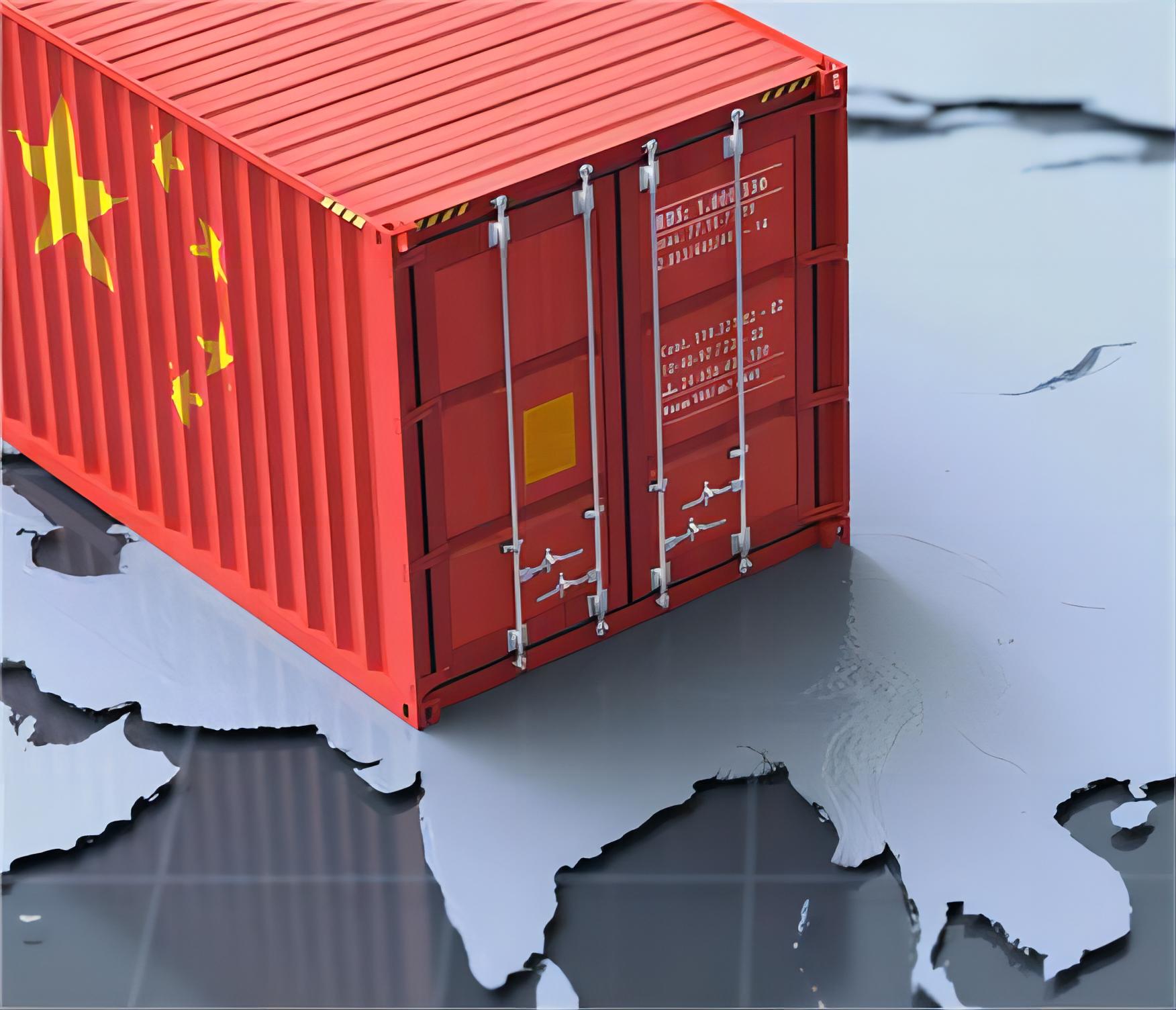
What is FCL Shipping and Why Choose it for China to Dubai?
FCL, or Full Container Load, refers to a shipping method where a single consignee utilizes the entire capacity of a shipping container. This means your goods are the only ones inside, offering enhanced security and efficiency. Consequently, it is a preferred choice for larger shipments.
Choosing FCL for your China to Dubai route presents several distinct advantages. For instance, it typically results in faster transit times compared to Less than Container Load (LCL) because there’s no need for consolidation or deconsolidation at transshipment points. Furthermore, it often proves more cost-effective per unit for high-volume cargo.
When considering the sheer volume of trade between China and the UAE, FCL becomes a strategic asset. Businesses ranging from manufacturing to retail frequently rely on this method to maintain a robust supply chain. Moreover, the direct nature of FCL reduces handling, minimizing potential damage to your goods during transit.
| Container Type | Approximate Volume (CBM) | Typical Max Weight (Metric Tons) | Best Suited For |
|---|---|---|---|
| 20-foot GP | 33 | 28 | Small to medium bulk cargo |
| 40-foot GP | 67 | 28 | Larger volume, lighter goods |
| 40-foot HQ | 76 | 28 | Bulky, lightweight goods requiring more height |
Key Factors Influencing FCL Shipping Costs from China to Dubai
Several critical factors determine the overall cost of your FCL shipment from China to Dubai. Understanding these elements is essential for accurate budgeting and strategic planning. Primarily, the ocean freight rate itself fluctuates based on market demand, fuel prices, and carrier capacity.
Additionally, origin charges in China, such as terminal handling charges (THC), documentation fees, and local trucking to the port, contribute significantly to the total. Similarly, destination charges in Dubai, including port charges, customs clearance fees, and final delivery, must be accounted for. Therefore, a comprehensive quote covers all these aspects.
Furthermore, seasonal demand plays a substantial role; rates typically increase during peak seasons like Chinese New Year, Golden Week, and the lead-up to holidays. Hence, booking in advance or planning shipments outside these periods can lead to considerable savings. Insurance costs, though often overlooked, are also vital for protecting your investment.
| Cost Component | Description | Typical Impact on Total Cost |
|---|---|---|
| Ocean Freight | Base charge for container transport by sea | 40-60% |
| Origin Charges | Terminal handling, drayage, documentation in China | 10-20% |
| Destination Charges | Port fees, customs clearance, delivery in Dubai | 15-25% |
| Customs Duties & Taxes | Import taxes levied by UAE customs | Variable (based on HS code) |
| Insurance | Protection against loss or damage | 0.5-1.5% of cargo value |
Understanding Transit Times for FCL Shipments to Dubai
The transit time for FCL shipping from China to Dubai generally ranges from 20 to 30 days, port-to-port. However, this timeframe can vary based on several variables, including the specific port of loading in China and the chosen shipping line. Direct services are usually faster than those involving transshipment.
For example, shipments from major Chinese ports like Shanghai, Ningbo, or Shenzhen often have more frequent direct sailings to Jebel Ali Port in Dubai. Conversely, less prominent ports might involve feeder vessels, adding a few days to the overall journey. Moreover, weather conditions and port congestion can occasionally cause delays.
It is crucial to account for additional time beyond the sea transit itself. This includes time for cargo loading at the origin, customs clearance upon arrival in Dubai, and final delivery to your warehouse. Consequently, planning with a buffer of 5-7 extra days for the entire door-to-door process is a prudent approach. For time-sensitive cargo, exploring express service options might be beneficial.
| Origin Port (China) | Destination Port (UAE) | Typical Sea Transit (Days) | Frequency |
|---|---|---|---|
| Shanghai | Jebel Ali, Dubai | 22-28 | Daily |
| Ningbo | Jebel Ali, Dubai | 20-26 | Daily |
| Shenzhen | Jebel Ali, Dubai | 18-24 | Daily |
| Qingdao | Jebel Ali, Dubai | 25-30 | 3-4 times/week |
Navigating Customs and Documentation for UAE Imports
Successfully clearing customs is a critical step in FCL shipping from China to Dubai. Proper documentation is paramount to avoid delays and penalties. Therefore, ensuring all paperwork is accurate and complete before your shipment arrives is non-negotiable.
Key documents typically include the Commercial Invoice, Packing List, Bill of Lading (BOL), Certificate of Origin, and sometimes a declaration of conformity. Furthermore, specific product types may require additional permits or certifications from UAE authorities. Engaging an experienced customs brokerage service can streamline this complex process significantly.
The UAE customs system, particularly at Jebel Ali Port, is highly digitized, but strict adherence to regulations remains vital. Incorrect Harmonized System (HS) codes or undervalued declarations can lead to fines or even cargo detention. Therefore, working with a knowledgeable freight forwarder who understands both Chinese export and UAE import requirements is highly recommended.

How Does FCL Shipping Compare to Other Options?
When planning your logistics from China to Dubai, FCL is a strong contender, but it’s essential to compare it with other viable shipping methods. Each option offers distinct advantages and disadvantages concerning cost, speed, and suitability for different cargo types. Consequently, choosing the right method requires careful evaluation of your specific needs.
For smaller shipments, Less than Container Load (LCL) freight might be more economical, as you only pay for the space your cargo occupies. However, LCL often involves longer transit times due to consolidation processes and increased handling. Moreover, the risk of damage can be higher with LCL due to multiple cargo types sharing a container.
Conversely, if speed is your absolute top priority and budget is less of a concern, air freight offers the fastest transit, typically 3-7 days. Nevertheless, air freight costs are significantly higher than sea freight, making it impractical for large, heavy, or non-urgent FCL-sized shipments. Therefore, understanding the trade-offs is crucial for optimizing your supply chain.
Note: Freight rates are subject to change based on fuel costs, carrier capacity, and seasonal demand. Contact us for a current quote tailored to your specific shipment.
| Shipping Method | Cost Range (40HQ equivalent) | Transit Time (Port-to-Port) | Best For | Limitations |
|---|---|---|---|---|
| FCL Sea Freight | $2,000 – $4,000 | 20-30 days | Large volumes, cost-efficiency | Slower than air, minimum container size |
| LCL Sea Freight | $50 – $100 per CBM (approx.) | 25-35 days | Smaller volumes (under 15 CBM), budget-friendly | Longer transit, more handling, less secure |
| Air Freight | $8,000 – $15,000+ | 3-7 days | Urgent, high-value, small volume cargo | Very high cost, weight/volume restrictions |
Which FCL Shipping Option Should You Choose?
Selecting the optimal FCL shipping strategy requires a clear understanding of your priorities. Your decision framework should consider budget, speed, cargo type, and shipment volume. By evaluating these aspects, you can determine the most suitable approach for your business.
If budget is your primary concern and you have ample lead time, standard FCL sea freight is almost always the most economical choice. Furthermore, consolidating multiple orders into a single FCL container maximizes cost-efficiency per unit. This strategy is ideal for non-perishable goods with predictable demand cycles.
However, if speed is paramount for your inventory turnover or urgent project deadlines, consider a premium FCL service with direct routes and minimal transshipment. While this may incur slightly higher costs, the reduced transit time can prevent stockouts and improve customer satisfaction. For critical, time-sensitive shipments, some businesses even combine FCL for bulk with air freight for a small, urgent portion.
For specific cargo types, such as fragile goods or those requiring temperature control, FCL offers greater control over the shipping environment. Since your cargo is not consolidated with others, there’s less risk of damage from incompatible goods or excessive handling. Always consult with your freight forwarder to assess specialized container options if needed.
Real-World FCL Shipping Scenarios: China to Dubai
Examining real-world case studies provides practical insights into the complexities and solutions involved in FCL shipping from China to Dubai. These examples highlight how different factors influence cost and transit times. They also demonstrate effective strategies for various cargo types.
Based on Q3 2024 market rates, these scenarios reflect typical challenges and outcomes. Understanding these examples can help you anticipate potential issues and plan more effectively. Therefore, consider how these situations might apply to your own shipping needs, especially for optimizing your logistics trends.
Case Study 1: Large Volume of Consumer Electronics
| Detail | Description |
|---|---|
| Route | Shenzhen, China -> Jebel Ali, Dubai, UAE |
| Cargo | Consumer Electronics (Smartphones, Accessories), 65 CBM, 15,000 kg |
| Container | 1 x 40HQ |
| Shipping Details | |
| – Carrier/Service | COSCO (Direct Service) |
| – Port of Loading | Shenzhen (Yantian) |
| – Port of Discharge | Jebel Ali, Dubai |
| – Route Type | Direct |
| Cost Breakdown | |
| – Ocean Freight | $2,850 |
| – Origin Charges (THC, documentation) | $380 |
| – Destination Charges | $450 |
| – Customs & Duties (estimated) | $1,200 (5% on value) |
| – Total Landed Cost | $4,880 |
| Timeline | |
| – Booking to Loading | 5 days |
| – Sea Transit | 20 days |
| – Customs Clearance | 3 days |
| – Total Door-to-Door | 28 days |
| Key Insight | Efficient direct service ensured quick turnover for high-demand products, minimizing inventory holding costs. Pre-clearance documentation was crucial. |
Case Study 2: Industrial Machinery for a New Factory
| Detail | Description |
|---|---|
| Route | Shanghai, China -> Jebel Ali, Dubai, UAE |
| Cargo | Industrial Manufacturing Equipment, 30 CBM, 25,000 kg |
| Container | 1 x 20GP (Heavy Goods) |
| Shipping Details | |
| – Carrier/Service | Maersk (Standard Service) |
| – Port of Loading | Shanghai |
| – Port of Discharge | Jebel Ali, Dubai |
| – Route Type | Direct |
| Cost Breakdown | |
| – Ocean Freight | $2,100 |
| – Origin Charges (THC, documentation) | $350 |
| – Destination Charges | $400 |
| – Customs & Duties (estimated) | $1,500 (5% on value, higher value cargo) |
| – Total Landed Cost | $4,350 |
| Timeline | |
| – Booking to Loading | 7 days |
| – Sea Transit | 25 days |
| – Customs Clearance | 4 days |
| – Total Door-to-Door | 36 days |
| Key Insight | Despite heavier cargo, a 20GP was sufficient, offering cost savings. Longer transit was acceptable due to project timeline. Careful handling during loading was critical. |
Case Study 3: Seasonal Textile Import (Peak Season)
| Detail | Description |
|---|---|
| Route | Ningbo, China -> Jebel Ali, Dubai, UAE |
| Cargo | Textiles and Apparel, 70 CBM, 10,000 kg |
| Container | 1 x 40HQ |
| Shipping Details | |
| – Carrier/Service | CMA CGM (Peak Season Service) |
| – Port of Loading | Ningbo |
| – Port of Discharge | Jebel Ali, Dubai |
| – Route Type | Direct |
| Cost Breakdown | |
| – Ocean Freight | $3,500 (Peak Season Surcharge) |
| – Origin Charges (THC, documentation) | $400 |
| – Destination Charges | $500 |
| – Customs & Duties (estimated) | $1,000 (5% on value) |
| – Total Landed Cost | $5,400 |
| Timeline | |
| – Booking to Loading | 8 days (due to port congestion) |
| – Sea Transit | 24 days |
| – Customs Clearance | 3 days |
| – Total Door-to-Door | 35 days |
| Key Insight | Peak season rates and potential delays require earlier booking and flexible planning. The client accepted higher costs for timely market entry. Strong communication with the freight forwarder was essential to manage expectations. |
Optimizing Your FCL Shipping Strategy: Tips and Best Practices
To maximize the efficiency and cost-effectiveness of your FCL shipping from China to Dubai, implementing strategic best practices is essential. Firstly, always plan your shipments well in advance, especially during peak seasons. This allows for better rate negotiation and choice of carriers.
Secondly, ensure accurate and detailed documentation from the outset. Errors in commercial invoices or packing lists can lead to significant delays and additional costs at customs. Utilizing a reliable freight forwarder with expertise in both China and UAE regulations, like door-to-door service providers, can mitigate these risks effectively.
Moreover, consider cargo insurance to protect against unforeseen circumstances such as damage or loss during transit. While an added cost, it provides peace of mind and financial security. Finally, regularly review your supply chain and adjust your shipping strategy based on market conditions and your business’s evolving needs. This proactive approach can lead to continuous improvements in your logistics operations.
Conclusion: Mastering FCL Shipping China to Dubai
FCL shipping from China to Dubai presents a robust and cost-effective solution for businesses transporting significant volumes of goods. By understanding the nuances of costs, transit times, customs procedures, and choosing the right partners, you can ensure a smooth and efficient supply chain. Ultimately, strategic planning and expert guidance are key to successful international freight.
Indeed, navigating global logistics requires attention to detail and up-to-date market knowledge. Therefore, partnering with a seasoned freight forwarder like Top China Freight ensures your FCL shipments arrive safely and on schedule. Optimize your trade route by making informed decisions and leveraging professional support.
Ready to streamline your logistics?
Ready to streamline your FCL shipping from China to Dubai? Contact our experts today for a personalized quote and discover how Top China Freight can optimize your logistics. We are committed to providing reliable and efficient solutions tailored to your specific cargo handling needs.
Request Quote