
FCL Shipping China to France: Your Comprehensive Guide
Shipping full container loads (FCL) from China to France involves complex logistics and strategic planning. Understanding the intricacies of this journey is crucial for businesses aiming for efficiency and cost-effectiveness. This guide, brought to you by Top China Freight, will demystify the process, offering insights into routes, costs, and best practices. We aim to equip you with the knowledge needed to make informed decisions for your international freight.
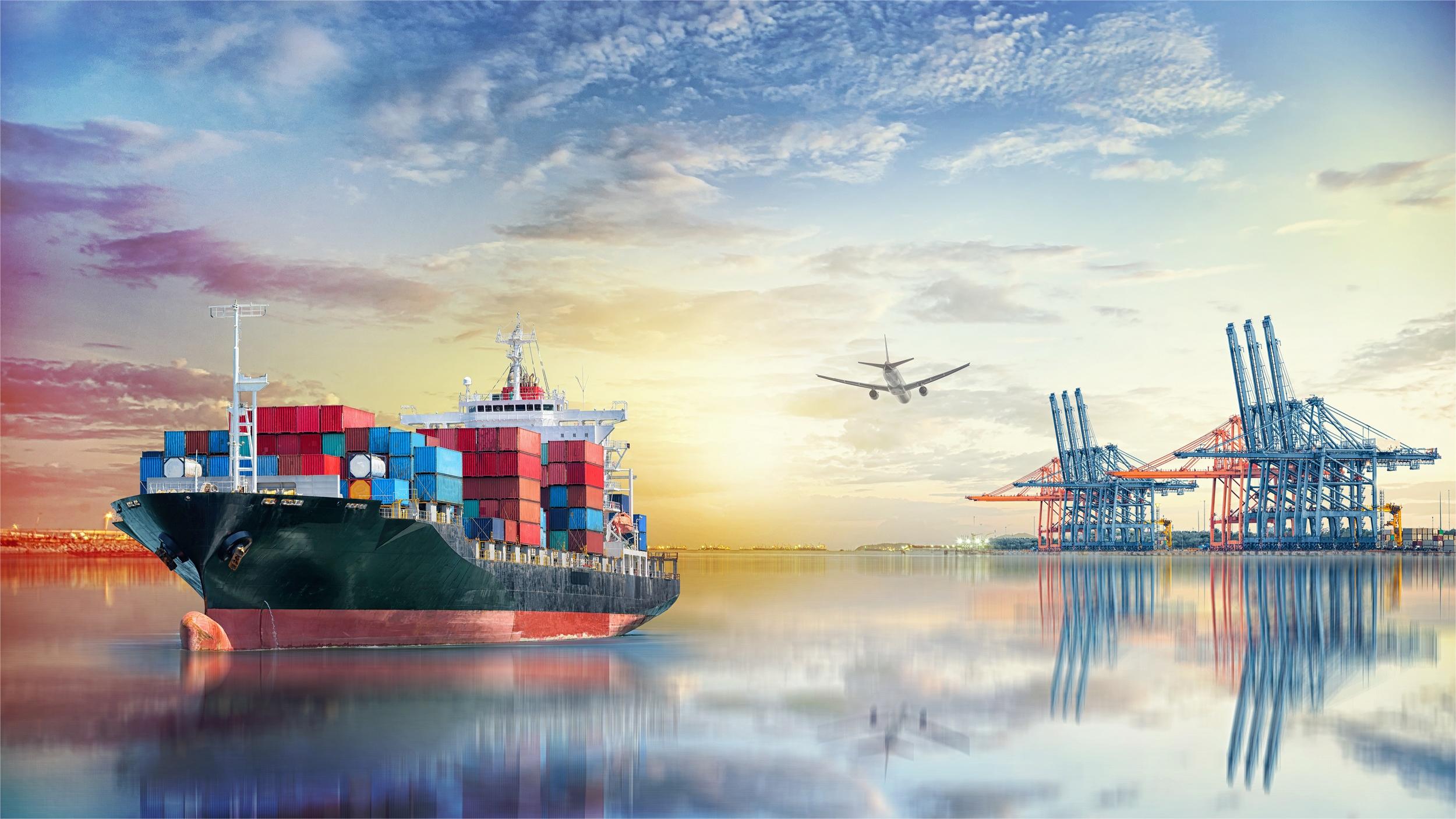
What is FCL Shipping and Why Choose it for China to France?
Full Container Load (FCL) shipping refers to the exclusive use of an entire shipping container for your cargo. This method is ideal when you have sufficient volume to fill a 20-foot or 40-foot container, thereby avoiding sharing space with other shippers. Consequently, FCL shipping from China to France offers enhanced security and reduced handling, which minimizes the risk of damage.
Choosing FCL provides several distinct advantages for importing goods into France. Primarily, it often results in lower per-unit costs for larger shipments compared to Less than Container Load (LCL) options. Furthermore, the transit time is typically faster and more predictable, as there are no delays associated with consolidating or deconsolidating cargo from multiple senders. Therefore, many businesses prefer FCL for its efficiency and reliability.
Moreover, FCL shipping allows for greater control over your cargo’s journey. You can seal the container at the origin and have it opened only at the destination, which adds an extra layer of protection. This directness makes it a preferred choice for high-value goods or sensitive shipments requiring minimal exposure. Indeed, understanding these benefits is key to optimizing your supply chain.
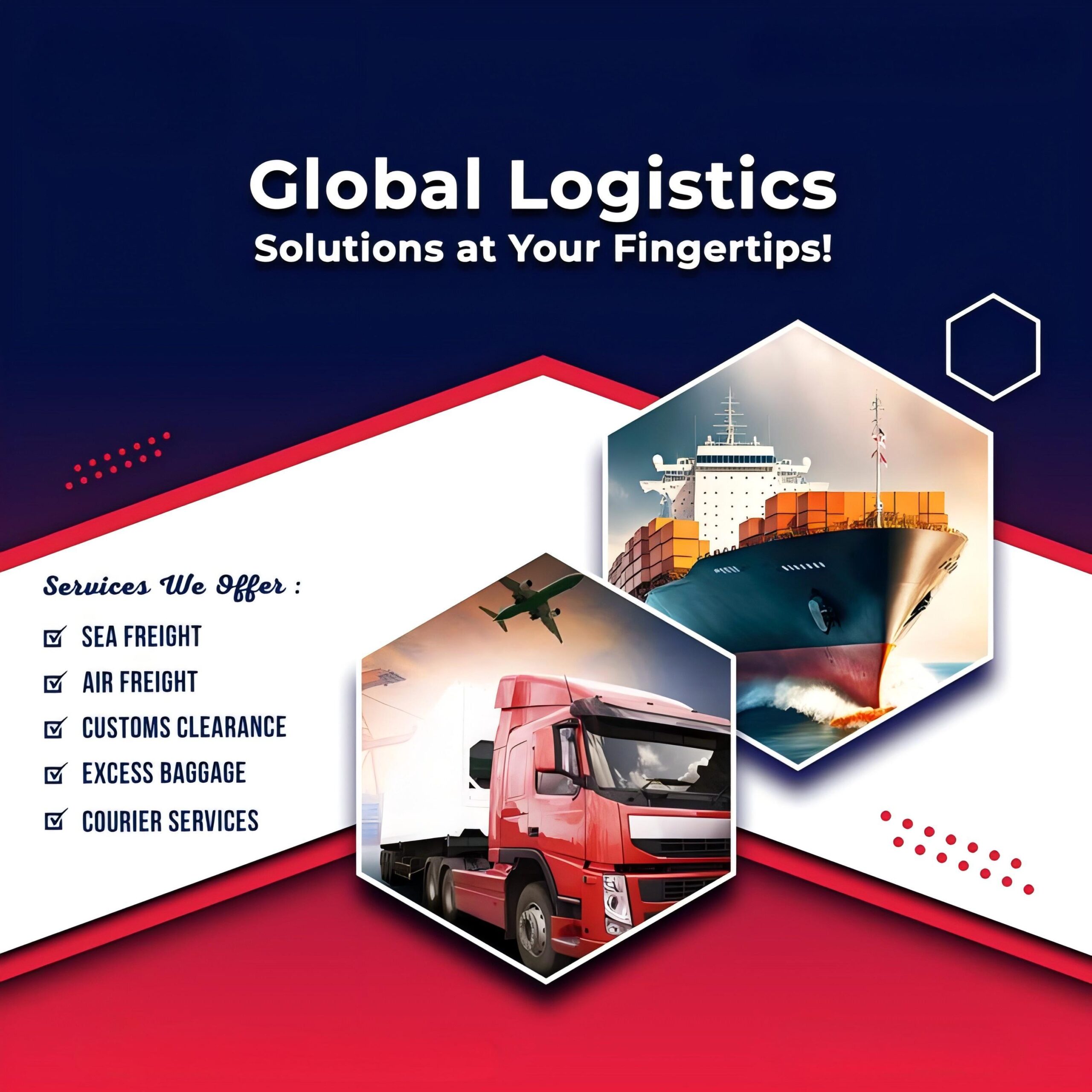
Conversely, if your cargo volume is small, LCL might be more economical. However, for anything approaching a full container, FCL provides superior value. Businesses frequently use FCL for bulk goods, machinery, or large quantities of consumer products. Thus, selecting FCL can significantly streamline your logistics operations.
| Feature | FCL (Full Container Load) | LCL (Less than Container Load) |
|---|---|---|
| Container Use | Exclusive use of entire container | Shared container space with other cargo |
| Cost Efficiency | Lower per unit cost for large volumes | Higher per unit cost for small volumes |
| Transit Time | Faster and more predictable | Slower due to consolidation/deconsolidation |
| Cargo Handling | Minimal handling, reduced damage risk | More handling, higher damage risk |
| Security | High security, sealed container | Moderate security |
| Ideal For | Large volumes, high-value goods | Small volumes, flexible delivery |
Key FCL Shipping Routes and Transit Times from China to France
The journey for FCL shipping from China to France typically involves major Chinese ports connecting to key French hubs. Principal departure ports in China include Shanghai, Ningbo, Shenzhen, Guangzhou, Qingdao, and Tianjin. These ports boast advanced infrastructure and frequent vessel departures, ensuring efficient cargo handling and timely dispatch.
Major arrival ports in France primarily include Le Havre, Marseille-Fos, and Dunkirk. Le Havre, situated on the English Channel, is France’s largest container port and a primary gateway for goods from Asia. Marseille-Fos, located on the Mediterranean coast, serves southern France and provides access to inland European markets. Meanwhile, Dunkirk handles significant cargo volumes, particularly for northern France.
Transit times for FCL shipments from China to France generally range from 28 to 38 days. This duration can vary based on the specific origin and destination ports, the shipping carrier, and whether the route is direct or involves transshipment. For instance, a direct service from Shanghai to Le Havre might take around 30-32 days, while a route with a transshipment point could extend to 35-38 days. Therefore, planning ahead is essential for managing your supply chain.
Indeed, understanding these transit times is critical for inventory management and meeting delivery schedules. Port congestion, weather conditions, and unforeseen logistical challenges can occasionally impact these estimates. Consequently, working with a reliable freight forwarder who provides real-time tracking and updates is highly beneficial for optimizing your delivery schedule. Consider sea freight for your FCL needs.
| Origin Port (China) | Destination Port (France) | Typical Transit Time (Days) |
|---|---|---|
| Shanghai | Le Havre | 30-32 |
| Ningbo | Marseille-Fos | 32-35 |
| Shenzhen | Le Havre | 28-30 |
| Qingdao | Dunkirk | 35-38 |
| Guangzhou | Marseille-Fos | 30-33 |
Understanding FCL Shipping Costs from China to France
The total cost of FCL shipping from China to France is influenced by numerous factors. These include the container size (20GP, 40GP, 40HQ), the specific origin and destination ports, current market demand, fuel surcharges, and seasonal variations. Freight rates are dynamic, fluctuating based on global economic conditions and carrier capacity. As of Q1 2025, freight rates from China to Europe have stabilized after the 2024 Red Sea disruptions, though volatility remains.
Beyond the base ocean freight, several other charges contribute to the overall shipping cost. These often include origin charges like Terminal Handling Charges (THC) at the port of loading, documentation fees, and customs clearance charges in China. Additionally, destination charges in France encompass THC at the port of discharge, drayage (transportation from port to final warehouse), and local delivery fees. Therefore, a comprehensive quote is essential.
Moreover, importers must account for customs duties, taxes (like VAT), and potential insurance costs. Duties are calculated based on the Harmonized System (HS) code of your goods and the customs valuation. VAT in France is generally 20%, applied to the customs value plus duties. Consequently, neglecting these costs can lead to unexpected expenses. We provide customs brokerage services to help you manage these complexities.
Market data suggests that FCL rates typically increase 15-25% during the peak season, which usually runs from August to October, and before major Chinese holidays like Chinese New Year. For example, a 40HQ container from China to France might cost between $3,000-$4,200 during off-peak times, while peak season rates could push this higher. Always obtain a current quote to reflect the most accurate pricing. Note: Freight rates are subject to change based on fuel costs, carrier capacity, and seasonal demand. Contact us for a current quote tailored to your specific shipment.

Navigating Customs Clearance and Documentation for France Imports
Successful FCL shipping from China to France hinges on meticulous preparation of customs documentation. Incorrect or incomplete paperwork can lead to significant delays, fines, and even seizure of goods. Therefore, understanding the requirements for importing into the European Union (EU) and France specifically is paramount for smooth transit. Timely submission of accurate documents prevents common pitfalls.
Key documents universally required include the Commercial Invoice, Packing List, and Bill of Lading (B/L). The commercial invoice details the goods, their value, and terms of sale (Incoterms), while the packing list outlines the contents of each package within the container. The Bill of Lading serves as a contract of carriage, a receipt for the goods, and a document of title. Accordingly, these form the bedrock of your import declaration.
Furthermore, depending on the nature of your goods, additional certifications or licenses may be necessary. For instance, electronics might require CE marking, while food products need health certificates. Importers must also provide a valid EORI (Economic Operators Registration and Identification) number for customs declarations within the EU. Without a doubt, verifying these requirements beforehand is crucial for avoiding delays.
Upon arrival in France, customs officials will review your documentation and assess applicable duties and taxes. A freight forwarder can assist with this complex process, ensuring compliance with all French and EU regulations. Consequently, leveraging expert knowledge in door-to-door services, which includes customs handling, simplifies the import process significantly. Proper documentation is the cornerstone of efficient international trade.
| Document | Purpose | Key Information |
|---|---|---|
| Commercial Invoice | Details goods, value, terms of sale | Seller/Buyer info, HS codes, unit price, Incoterms |
| Packing List | Describes contents of shipment | Quantity, weight, dimensions, package marks |
| Bill of Lading (B/L) | Contract of carriage, title of goods | Shipper/Consignee, carrier, ports, container number |
| Certificate of Origin | Proves country of manufacture | Goods origin for tariffs/trade agreements |
| EORI Number | EU customs identification | Unique identifier for economic operators |
| Insurance Certificate | Proof of cargo insurance | Coverage details, insured value, policy number |
How Does FCL Shipping Compare to Other Shipping Options?
While FCL shipping is highly effective for large volumes, it is not the only method for transporting goods from China to France. Businesses often weigh FCL against alternatives like LCL, air freight, and rail freight, each offering distinct advantages based on speed, cost, and cargo type. Therefore, understanding these comparisons is vital for strategic decision-making.
LCL (Less than Container Load) is suitable for smaller shipments that don’t fill an entire container. While it is more cost-effective for smaller volumes, LCL typically involves longer transit times due to consolidation and deconsolidation processes at both origin and destination. It also incurs more handling, which can increase the risk of damage. Consequently, LCL is best for shipments under 15 CBM, where FCL might be overkill.
Air freight offers the fastest transit times, usually 5-7 days, making it ideal for urgent or high-value goods. However, the cost is significantly higher, often 5-10 times that of sea freight for the same volume. For example, while FCL sea freight for a 40HQ might cost $3,000-$4,200, air freight for a similar volume could reach $15,000-$25,000. Therefore, air freight is reserved for time-sensitive deliveries where cost is secondary. For instance, perishable goods or urgent product launches benefit most.
Rail freight provides a middle ground between sea and air freight in terms of speed and cost. Transit times from China to France typically range from 18-25 days, faster than sea freight but slower than air. It is generally more expensive than sea freight but significantly cheaper than air. This option is excellent for goods that are not extremely urgent but still require quicker delivery than ocean vessels. For this reason, rail freight is gaining popularity for its balance of speed and cost-efficiency, offering a reliable alternative for many European routes.
| Shipping Method | Cost Range (40HQ Equivalent) | Transit Time (Days) | Best For | Limitations |
|---|---|---|---|---|
| FCL Sea Freight | $3,000-$4,200 | 28-38 | Large volumes, cost-effective | Slowest transit time, port congestion |
| LCL Sea Freight | $50-$80/CBM (for <15CBM) | 35-45 | Small volumes, budget-conscious | Slower, more handling, less secure |
| Rail Freight | $8,000-$12,000 | 18-25 | Medium urgency, balanced cost/speed | Limited routes, capacity constraints |
| Air Freight | $15,000-$25,000 | 5-7 | Urgent, high-value, perishable goods | Highest cost, volume/weight restrictions |
Which Option Should You Choose? A Decision Framework
Selecting the optimal shipping method from China to France depends heavily on your specific business priorities. Various factors, including budget, urgency, cargo type, and volume, play a crucial role in determining the most suitable logistics solution. Consequently, a clear decision framework helps navigate these choices effectively.
If budget is your primary concern and you have large volumes of non-time-sensitive goods, FCL sea freight is almost always the most economical choice. It offers the lowest per-unit cost for significant quantities, making it ideal for bulk commodities or goods with long lead times. Therefore, prioritize FCL for maximum cost savings.
Conversely, if speed is paramount, particularly for high-value, time-sensitive, or perishable items, air freight is the undisputed winner. Despite its higher cost, the rapid transit ensures products reach the market quickly, reducing inventory holding costs and capitalizing on market trends. Consider air freight for urgent product launches or critical spare parts.
For a balance between speed and cost, especially for goods that are not extremely urgent but still require faster delivery than sea freight, rail freight presents an excellent compromise. It offers quicker transit than ocean shipping at a fraction of air freight costs. Furthermore, for smaller, less urgent shipments, LCL sea freight remains a viable, budget-friendly option, albeit with longer lead times and more handling. Ultimately, aligning your choice with your operational needs is key.
Optimizing Your FCL Shipping Strategy: Tips and Best Practices
Optimizing your FCL shipping strategy from China to France can lead to significant cost savings and improved efficiency. Proactive planning and attention to detail are paramount in international logistics. Consequently, implementing best practices ensures smoother operations and fewer unexpected challenges.
Firstly, meticulous planning of your container loading maximizes space utilization. Efficient loading techniques, such as proper pallet stacking and carton arrangement, can help you fit more goods into a 20GP or 40HQ container, thus reducing the per-unit shipping cost. Indeed, every cubic meter counts when optimizing freight rates.
Secondly, selecting the right Incoterms is crucial for defining responsibilities and costs between buyer and seller. Incoterms like FOB (Free On Board) or EXW (Ex Works) can significantly impact your total landed cost and liability. Therefore, a clear understanding and agreement on these terms prevent disputes and unexpected charges. Our express service can sometimes assist with urgent, smaller components for FCL shipments.
Thirdly, consider cargo insurance to protect against unforeseen events like damage, loss, or theft during transit. While rare, incidents can occur, and having adequate insurance provides financial security. Additionally, establishing strong relationships with reliable freight forwarders, like Top China Freight, ensures access to competitive rates and expert guidance. They can help navigate complex regulations and potential port congestion, offering peace of mind throughout the shipping process. Furthermore, exploring options like shipping from China to Europe generally gives a good overview of regulations.
Real-World FCL Shipping Scenarios: China to France Case Studies
Examining real-world FCL shipping scenarios provides practical insights into the complexities and successful outcomes of moving goods from China to France. These case studies highlight typical challenges, costs, and transit times, offering a clearer picture for potential importers. Based on Q3 2024 market rates, these examples illustrate common shipping experiences.
Case Study 1: Electronics from Shanghai to Le Havre
This case involved a technology distributor importing consumer electronics, requiring a balance of cost-efficiency and reasonable transit time. The FCL method was chosen to ensure cargo security and direct transport.
| Detail | Description |
|---|---|
| Route | Shanghai, China to Le Havre, France |
| Cargo | Consumer Electronics (Smartphones, Accessories), 58 CBM, 15,000 kg |
| Container | 1 x 40HQ |
| Shipping Details | |
| – Carrier/Service | COSCO (Major carrier) |
| – Port of Loading | Shanghai |
| – Port of Discharge | Le Havre |
| – Route Type | Direct |
| Cost Breakdown (Estimated) | |
| – Ocean Freight | $3,850 |
| – Origin Charges (THC, documentation) | $350 |
| – Destination Charges (THC, drayage) | $700 |
| – Customs & Duties (estimated) | $1,500 (based on 5% duty + 20% VAT) |
| – Total Landed Cost | $6,400 |
| Timeline | |
| – Booking to Loading | 5 days |
| – Sea Transit | 31 days |
| – Customs Clearance | 2 days |
| – Total Door-to-Door | 38 days |
| Key Insight | Direct service minimized transit time and handling. Effective communication with customs brokers ensured smooth clearance, despite the high value of goods. The client opted for comprehensive insurance due to cargo value. |
Case Study 2: Textiles from Shenzhen to Marseille-Fos
A fashion brand needed to import a large consignment of apparel for their upcoming seasonal collection. FCL was preferred for its cost-effectiveness and capacity to handle bulky textile shipments.
| Detail | Description |
|---|---|
| Route | Shenzhen, China to Marseille-Fos, France |
| Cargo | Textiles and Apparel, 28 CBM, 8,000 kg |
| Container | 1 x 20GP |
| Shipping Details | |
| – Carrier/Service | MSC (Major carrier) |
| – Port of Loading | Shenzhen |
| – Port of Discharge | Marseille-Fos |
| – Route Type | Transshipment via Singapore |
| Cost Breakdown (Estimated) | |
| – Ocean Freight | $2,200 |
| – Origin Charges (THC, documentation) | $300 |
| – Destination Charges (THC, drayage) | $650 |
| – Customs & Duties (estimated) | $1,000 (based on 12% duty + 20% VAT) |
| – Total Landed Cost | $4,150 |
| Timeline | |
| – Booking to Loading | 4 days |
| – Sea Transit | 34 days |
| – Customs Clearance | 3 days |
| – Total Door-to-Door | 41 days |
| Key Insight | Choosing a transshipment route offered a slightly lower freight rate compared to direct services, trading a few extra days in transit for cost savings. Careful planning around Chinese New Year avoided peak season surcharges and delays. |
Case Study 3: Machinery Parts from Ningbo to Fos-sur-Mer
An industrial client required heavy machinery parts for their manufacturing plant in southern France. The weight and size necessitated an FCL solution, focusing on secure handling and timely delivery to avoid production halts.
| Detail | Description |
|---|---|
| Route | Ningbo, China to Fos-sur-Mer, France |
| Cargo | Industrial Machinery Parts, 65 CBM, 22,000 kg |
| Container | 1 x 40HQ |
| Shipping Details | |
| – Carrier/Service | Maersk (Major carrier) |
| – Port of Loading | Ningbo |
| – Port of Discharge | Fos-sur-Mer |
| – Route Type | Direct |
| Cost Breakdown (Estimated) | |
| – Ocean Freight | $4,000 |
| – Origin Charges (THC, documentation) | $400 |
| – Destination Charges (THC, drayage) | $750 |
| – Customs & Duties (estimated) | $2,000 (based on 2.5% duty + 20% VAT) |
| – Total Landed Cost | $7,150 |
| Timeline | |
| – Booking to Loading | 6 days |
| – Sea Transit | 33 days |
| – Customs Clearance | 2 days |
| – Total Door-to-Door | 41 days |
| Key Insight | Despite the heavy cargo, the direct route ensured minimal handling, crucial for delicate machinery. Early booking during Q4 avoided peak season rate spikes, providing significant savings. The client utilized Amazon FBA preparatory services for related smaller items, ensuring overall supply chain efficiency. |
Choosing the Right FCL Freight Forwarder for Your Needs
Selecting a reputable freight forwarder is perhaps the most critical decision for successful FCL shipping from China to France. A competent partner can streamline the entire process, from origin pickup to final delivery. Therefore, their expertise directly impacts your shipping experience and overall supply chain efficiency.
Look for a freight forwarder with extensive experience on the China-Europe trade lane. They should possess a deep understanding of both Chinese export regulations and French import requirements, including customs procedures and local delivery networks. Furthermore, a strong network of carriers and agents ensures competitive rates and reliable service. Consider their track record and client testimonials.
Moreover, the best freight forwarders offer comprehensive services beyond just ocean freight. This might include cargo insurance, warehousing, customs brokerage, and even door-to-door delivery. Such end-to-end solutions simplify your logistics, allowing you to focus on your core business. Ultimately, a proactive and communicative partner is invaluable.
Finally, transparency in pricing and communication is non-negotiable. A good freight forwarder will provide clear, itemized quotes and keep you informed at every stage of the shipment. They should be responsive to inquiries and capable of handling any unforeseen challenges efficiently. Partnering with the right expert ensures your FCL shipping to France is as smooth and cost-effective as possible.
Conclusion: Mastering FCL Shipping from China to France
FCL shipping from China to France is a cornerstone of international trade, offering a reliable and cost-effective solution for businesses moving large volumes of goods. By understanding the key routes, managing costs, and navigating customs complexities, importers can significantly enhance their supply chain efficiency.
Indeed, choosing the right shipping method and a proficient freight forwarder are crucial steps towards successful logistics. With careful planning and expert support, your FCL shipments to France can be executed smoothly, ensuring timely delivery and contributing to your business’s success. Partner with a trusted provider to streamline your import process.
Start Your Shipment
Ready to optimize your FCL shipping from China to France? Contact us today for a personalized quote and expert guidance tailored to your specific logistics needs. Let Top China Freight simplify your international freight challenges.
Request Quote