
FCL Shipping China to Japan: Your Ultimate Guide
For businesses importing goods, efficient FCL shipping from China to Japan is crucial for supply chain success. Understanding the intricacies of full container load logistics can, however, present significant challenges. This comprehensive guide provides insights and solutions to streamline your cargo movement across the East China Sea, ensuring smooth delivery.

What is FCL Shipping and Why is it Essential for China to Japan Routes?
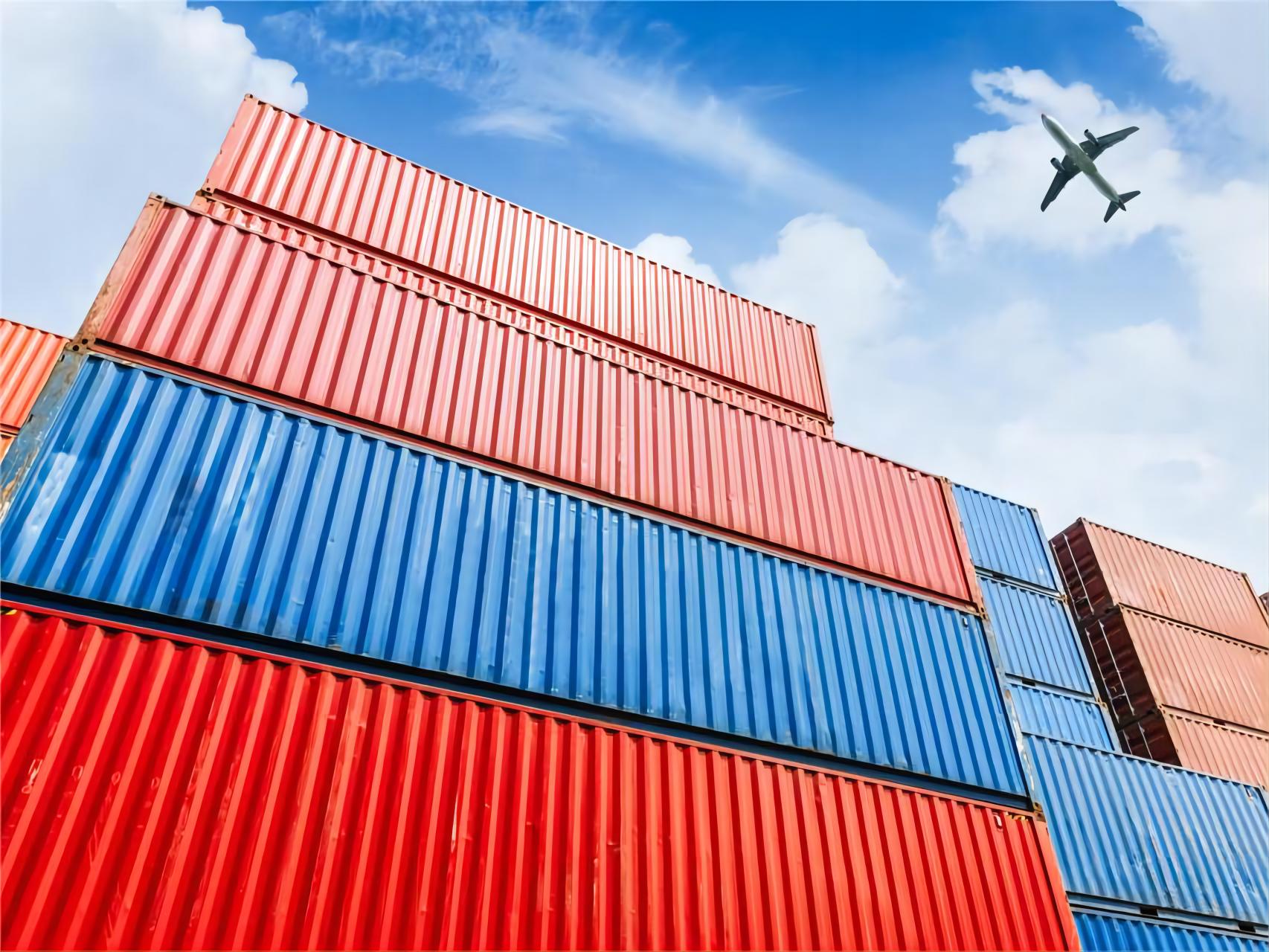
Full Container Load (FCL) shipping involves reserving an entire container for your cargo. Even if your goods do not completely fill the container, it is exclusively yours. This method offers unparalleled security and efficiency for large volume shipments.
Choosing FCL for your China to Japan route means greater control over your freight. It significantly reduces handling, minimizing the risk of damage or loss. Therefore, FCL is often the preferred choice for businesses with substantial inventory.
The short transit times and high frequency of sailings between China and Japan make FCL an ideal solution. It supports robust supply chains requiring predictable delivery schedules. Consequently, many importers prioritize FCL for their logistics needs.
Navigating FCL Shipping Costs from China to Japan
Understanding the cost components of sea freight is vital for effective budgeting. Several factors influence the final price for FCL shipping from China to Japan. These include the container type, port of origin and destination, and current market conditions.
Key cost elements typically encompass ocean freight charges, terminal handling charges (THC) at both ends, and local transportation. Additionally, customs clearance fees and potential demurrage or detention charges can apply. Therefore, a comprehensive quote is always recommended.
Freight rates are dynamic, often fluctuating based on fuel costs, carrier capacity, and seasonal demand. Peak seasons, like Chinese New Year or pre-holiday periods, can see rates increase significantly. Always secure a current quote for accurate financial planning. Based on Q1 2025 market rates, a 20GP container from Shanghai to Tokyo might range from $450-$700.
Typical FCL Transit Times for China to Japan Routes
The transit time for FCL shipping from China to Japan is generally quite short due to geographical proximity. Direct routes between major ports offer the fastest delivery. Factors like port congestion, weather conditions, and specific carrier schedules can, however, impact the total duration.
Most FCL shipments from key Chinese ports like Shanghai, Ningbo, or Shenzhen to major Japanese ports such as Tokyo, Osaka, or Yokohama take approximately 3 to 7 days. This quick turnaround is highly beneficial for businesses managing just-in-time inventory systems. Furthermore, door-to-door services will add a few extra days for inland transport.
Therefore, planning your shipments with a reliable freight forwarder is essential. They can provide accurate estimates and help mitigate potential delays. This ensures your goods arrive in Japan according to your business schedule.
| Origin Port (China) | Destination Port (Japan) | Estimated Transit Time (Days) | Frequency |
|---|---|---|---|
| Shanghai | Tokyo | 3-5 | Daily |
| Ningbo | Osaka | 4-6 | Several times/week |
| Shenzhen | Yokohama | 5-7 | Several times/week |
| Qingdao | Kobe | 4-6 | Weekly |
Essential Customs and Documentation for FCL Imports to Japan
Smooth customs clearance is paramount for timely FCL shipping from China to Japan. Japan has specific import regulations and documentation requirements. Proper preparation avoids costly delays and penalties, ensuring your cargo moves efficiently through port.
Key documents typically include the Commercial Invoice, Packing List, Bill of Lading, and Certificate of Origin. Depending on the goods, additional permits or licenses might be necessary. For instance, food products or certain electronics require specific approvals.
Engaging a reputable customs brokerage service is highly recommended. They possess expertise in Japanese import laws and can expedite the clearance process. This professional assistance minimizes risks and ensures compliance with all trade regulations. Consequently, your supply chain remains uninterrupted.
Note: Freight rates are subject to change based on fuel costs, carrier capacity, and seasonal demand. Contact us for a current quote tailored to your specific shipment.
How Does FCL Shipping Compare to Other Options?
When considering FCL shipping from China to Japan, it is important to evaluate alternatives. Options like Less than Container Load (LCL), air freight, and express services each offer distinct advantages and disadvantages. Your choice ultimately depends on cargo volume, urgency, and budget constraints.
FCL generally offers the best balance of cost-effectiveness for larger volumes and predictable transit times. However, for smaller shipments or extremely urgent deliveries, other methods might be more suitable. Therefore, understanding these trade-offs is crucial for informed decision-making.
For example, while air freight provides speed, its cost can be prohibitive for heavy or bulky goods. LCL is economical for small volumes but involves more handling and potentially longer transit times. Consequently, selecting the right mode impacts your entire logistics strategy.
| Method | Cost Range (per kg/CBM) | Transit Time (China-Japan) | Best For |
|---|---|---|---|
| FCL Sea Freight | $50-$100/CBM | 3-7 days | Large volumes, cost-efficiency, security |
| LCL Sea Freight | $80-$150/CBM | 7-12 days | Small to medium volumes, budget-conscious |
| Air Freight | $3-$8/kg | 1-3 days | Urgent, high-value, small/light cargo |
| Express Service | $8-$20/kg | 1-2 days | Very urgent, documents, samples, small packages |
Optimizing Your FCL Shipping Strategy for Japan Imports
To maximize efficiency for your FCL shipping from China to Japan, several strategies can be employed. Firstly, consolidate your orders to fill containers completely. This significantly reduces per-unit shipping costs, thereby improving overall profitability.
Secondly, plan your shipments well in advance, especially during peak seasons. Booking early can help secure better rates and ensure container availability. Moreover, consider flexible delivery windows if possible to avoid premium charges for expedited services.
Furthermore, work with a freight forwarder offering comprehensive door-to-door services. This simplifies the entire process, from factory pickup in China to final delivery in Japan. They manage all logistics, including customs, saving you time and resources. This integrated approach ensures a smoother supply chain.
Real-World FCL Shipping Scenarios to Japan
Examining specific case studies helps illustrate the practical application of FCL shipping from China to Japan. These examples highlight typical routes, costs, and timelines. They provide valuable insights into managing diverse cargo types and logistical challenges.
These scenarios demonstrate how effective planning and reliable partnerships contribute to successful international trade. Understanding these real-world applications can inform your own shipping decisions. Therefore, reviewing these examples offers practical guidance for your imports.
Case Study 1: Electronics Manufacturer
This case involved an electronics company shipping components for assembly. Timely delivery was essential to maintain production schedules. FCL provided the necessary reliability and cost-effectiveness for their regular shipments.
| Detail | Description |
|---|---|
| Route | Shenzhen, China -> Tokyo, Japan |
| Cargo | Electronic components, 25 CBM, 10,000 kg |
| Container | 1 x 40GP |
| Shipping Details | Major carrier, Port of Loading: Yantian, Port of Discharge: Tokyo, Route Type: Direct |
| Cost Breakdown | Ocean Freight: $650, Origin Charges: $180, Destination Charges: $220, Customs & Duties (estimated): $150, Total Landed Cost: $1,200 (Based on Q4 2024 rates) |
| Timeline | Booking to Loading: 3 days, Sea Transit: 5 days, Customs Clearance: 1 day, Total Door-to-Door: 9 days |
| Key Insight | Direct route minimized transit time, ensuring components arrived ahead of schedule. Early booking helped secure competitive FCL freight rates. |
Case Study 2: Apparel Distributor
An apparel distributor needed to replenish seasonal inventory for multiple retail locations. They required a solution that could handle large volumes efficiently. FCL proved ideal for their diverse product range and volume requirements.
| Detail | Description |
|---|---|
| Route | Ningbo, China -> Osaka, Japan |
| Cargo | Apparel (textiles), 55 CBM, 15,000 kg |
| Container | 1 x 40HQ |
| Shipping Details | Major carrier, Port of Loading: Ningbo, Port of Discharge: Osaka, Route Type: Direct |
| Cost Breakdown | Ocean Freight: $800, Origin Charges: $200, Destination Charges: $250, Customs & Duties (estimated): $200, Total Landed Cost: $1,450 (Typical rates as of early 2025) |
| Timeline | Booking to Loading: 4 days, Sea Transit: 6 days, Customs Clearance: 2 days, Total Door-to-Door: 12 days |
| Key Insight | Utilizing a 40HQ allowed for maximum volume efficiency. Pre-clearance arrangements sped up the destination process significantly. |
Seamless FCL Shipping from China to Japan
In conclusion, mastering FCL shipping from China to Japan is fundamental for businesses seeking efficiency and cost-effectiveness. Understanding the nuances of costs, transit times, and customs procedures is crucial for a smooth supply chain. This robust shipping method offers significant advantages for large volume imports.
By leveraging reliable freight forwarders and employing strategic planning, you can ensure your goods arrive in Japan predictably and securely. Ultimately, choosing the right FCL shipping partner makes all the difference. This ensures your international trade operations remain successful and profitable.
Ready to streamline your logistics?
Ready to optimize your FCL shipping from China to Japan? Contact our experts today for a personalized quote and seamless logistics solutions. We are committed to providing reliable and cost-effective freight services.