
FCL Shipping China to Netherlands: Your Complete Guide
Businesses frequently seek efficient ways to transport goods from China to the Netherlands. Top China Freight specializes in streamlining this process, ensuring your supply chain remains robust. Full Container Load (FCL) shipping, in particular, offers significant advantages for larger volumes. This guide explores everything you need to know about FCL shipping China to Netherlands, helping you make informed decisions.
What is FCL Shipping and Why Choose It for China to Netherlands?
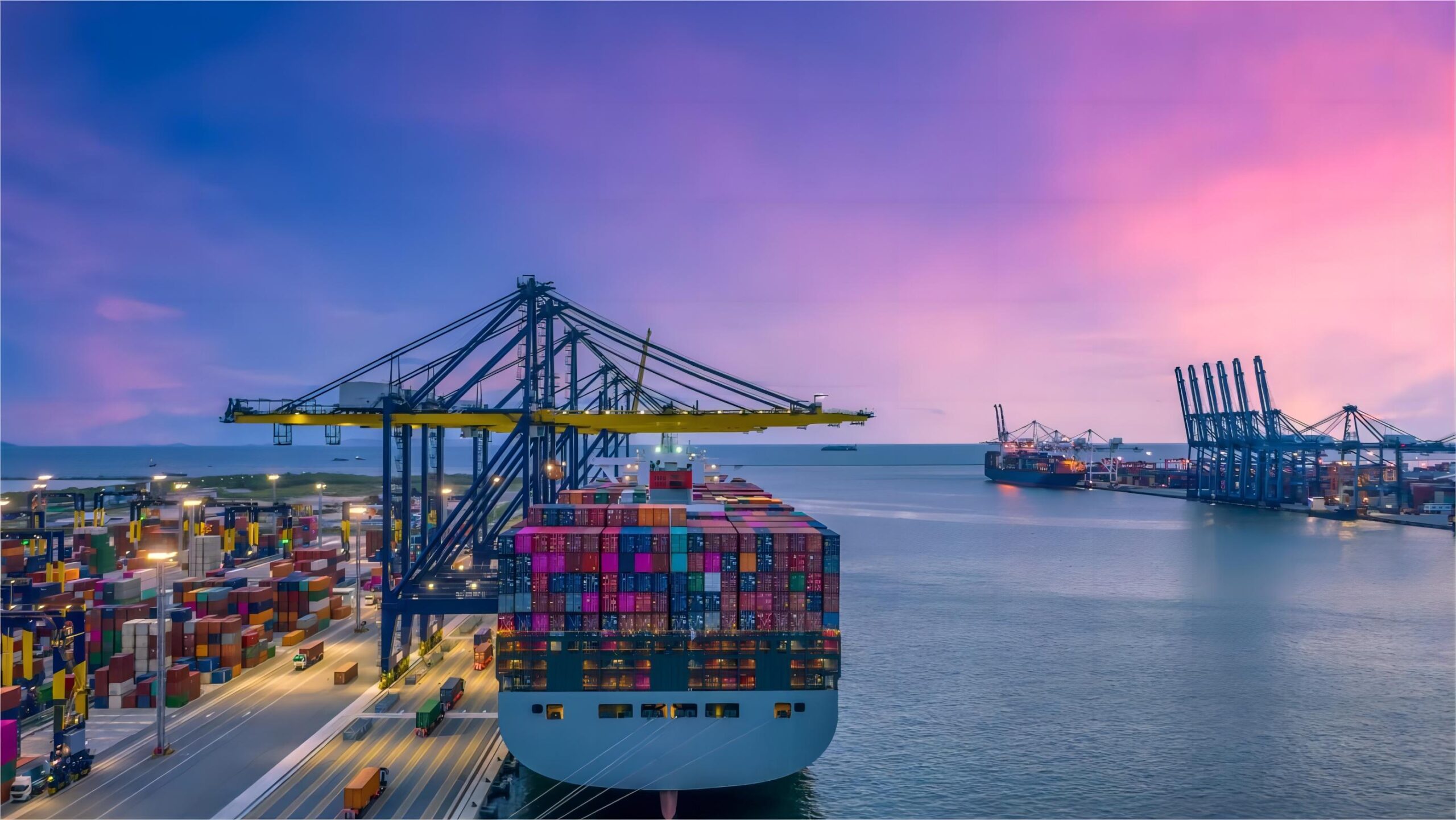
FCL, or Full Container Load, means your goods occupy an entire shipping container, exclusively. This method is ideal when you have sufficient cargo to fill a 20-foot or 40-foot container, offering significant benefits for businesses importing from China to the Netherlands.
Choosing FCL sea freight provides several advantages. Firstly, it often results in lower per-unit costs compared to Less than Container Load (LCL) for larger volumes. Moreover, FCL shipments generally experience faster transit times because they avoid consolidation and deconsolidation processes at ports. This direct transit minimizes handling, thereby reducing the risk of damage or loss to your valuable cargo.
Furthermore, FCL shipping offers enhanced security and greater control over your supply chain. Since your goods are sealed within a dedicated container from origin to destination, there is less exposure to other shipments. This method is particularly beneficial for high-value goods or products requiring specific handling conditions. Understanding the various container types is essential for optimizing your FCL strategy.
| Container Type | Approximate Volume (CBM) | Typical Cargo |
|---|---|---|
| 20-Foot General Purpose (20GP) | 33 CBM | Heavy machinery, bulk raw materials |
| 40-Foot General Purpose (40GP) | 67 CBM | Furniture, textiles, electronics |
| 40-Foot High Cube (40HQ) | 76 CBM | Light, bulky items, garments |
| Reefer Container | 28-67 CBM | Perishable goods, pharmaceuticals |
Understanding FCL Shipping Costs from China to the Netherlands
Determining the exact cost for FCL shipping China to Netherlands involves various factors. These include the container type, current market freight rates, fuel surcharges, and port charges. It is crucial to obtain a detailed quote to understand all components of your total landed cost.
Ocean freight charges constitute the largest portion of FCL shipping costs. These rates fluctuate based on demand, supply, and global events. For instance, peak seasons (like before Chinese New Year or during Q3/Q4) often see higher rates. Additionally, origin charges in China and destination charges in the Netherlands, including terminal handling and documentation fees, contribute significantly.
Furthermore, customs duties, taxes (like VAT), and insurance premiums must be factored into your budget. Specialized services such as customs brokerage can help streamline these processes, avoiding unexpected delays and costs. Considering all these elements ensures a comprehensive understanding of your total expenditure for importing goods.
FCL Transit Times and Key Routes to the Netherlands
The transit time for FCL shipping from China to the Netherlands typically ranges from 28 to 35 days for direct services. However, this can vary based on the specific port of loading in China, the port of discharge in the Netherlands, and the carrier’s schedule. Major Chinese ports include Shanghai, Ningbo, Shenzhen, and Qingdao.
In the Netherlands, Rotterdam is the largest and most crucial port, serving as a primary gateway for goods entering shipping from China to Europe. Other ports like Amsterdam also handle cargo, albeit on a smaller scale. Direct routes usually offer the quickest transit, while routes involving transshipment through intermediary ports might add several days to the journey.
Seasonal factors and port congestion can also impact transit times. For example, during peak shipping periods or unforeseen events like port strikes, delays are more common. Planning ahead and working with a reliable freight forwarder can help mitigate these potential delays, ensuring a more predictable delivery schedule for your FCL shipments.
How Does FCL Shipping Compare to Other Shipping Options?
When importing from China to the Netherlands, businesses have several shipping methods available. FCL shipping is often compared with LCL (Less than Container Load), air freight, and rail freight. Each option presents distinct advantages and limitations regarding cost, speed, and suitability for different cargo types.
LCL shipping, for instance, is cost-effective for smaller volumes (typically under 15 CBM) that do not fill an entire container. However, LCL involves consolidation and deconsolidation, which can lead to longer transit times and increased handling risks. Air freight offers the fastest transit but comes at a significantly higher cost, making it suitable only for urgent or high-value, low-volume goods.
Rail freight provides a middle-ground solution, being faster than sea freight but more economical than air freight. It typically takes 15-20 days from China to Europe. Nevertheless, rail freight has limitations regarding capacity and specific routes. Hybrid solutions, like sea-rail combinations, can also be explored for specific logistical needs. The decision framework below helps in choosing the best option.
| Shipping Method | Cost Range (40HQ equivalent) | Transit Time | Best For | Limitations |
|---|---|---|---|---|
| FCL Sea Freight | $3,000-4,200 | 28-35 days | Large volumes, cost-efficiency, high security | Slowest transit time |
| LCL Sea Freight | $50-80/CBM (higher per unit) | 35-45 days | Small volumes (<15 CBM), budget-conscious | Longer transit, more handling, less control |
| Rail Freight | $6,000-9,000 | 15-20 days | Medium urgency, cost-effective for certain routes | Limited routes, capacity constraints |
| Air Freight | $15,000-25,000 | 5-7 days | Urgent, high-value, low-volume goods | Highest cost, environmental impact |

Which Option Should You Choose?
Your shipping decision depends on balancing budget, speed, and cargo characteristics. If budget is your priority and you have substantial volume, FCL sea freight is typically the most economical choice. For urgent shipments or high-value items where speed is paramount, air freight is indispensable, despite its higher cost.
When dealing with medium-sized shipments that are not time-critical but need to arrive faster than sea freight, rail freight offers a viable alternative. Cargo type also plays a role; delicate or high-security goods often benefit from the dedicated space of an FCL container. Always consider the volume thresholds; for instance, shipments under 15 CBM might be more economical via LCL, while anything larger generally warrants FCL.
Navigating Customs and Documentation for FCL Imports to the Netherlands
Successfully importing goods via FCL shipping China to Netherlands requires meticulous attention to customs procedures and documentation. The European Union has strict regulations, and non-compliance can lead to significant delays and penalties. Key documents include the Commercial Invoice, Packing List, Bill of Lading, and Certificate of Origin.
Moreover, you will need an EORI (Economic Operators Registration and Identification) number to conduct import/export activities within the EU. Correct classification of goods using HS (Harmonized System) codes is essential for accurate duty and tax calculation. Incorrect classification can result in incorrect payments or customs hold-ups, impacting your delivery schedule.
Dutch customs authorities are rigorous, therefore, having a reliable partner experienced in EU import regulations is invaluable. A professional freight forwarder can manage the entire customs clearance process, from document preparation to duty payment, ensuring a smooth entry for your goods into the Netherlands. This proactive approach helps avoid common pitfalls and streamlines your import operations.
Optimizing Your FCL Shipping Strategy: Tips and Best Practices
Optimizing your FCL shipping from China to the Netherlands involves several strategic considerations. Effective planning and execution can significantly reduce costs and improve efficiency. Consider consolidating multiple orders from different suppliers into one FCL container, maximizing space utilization and lowering per-unit transport expenses.
Booking your FCL shipments well in advance, especially during peak seasons, is crucial for securing favorable rates and container availability. Leveraging robust door-to-door services can simplify your logistics, as the freight forwarder handles all aspects from supplier pickup to final delivery. This integrated approach minimizes coordination efforts and potential delays.
Furthermore, understanding Incoterms (International Commercial Terms) is vital for defining responsibilities and costs between buyer and seller. Choosing the right Incoterm can impact your overall shipping budget and risk exposure. Regularly reviewing your shipping patterns and exploring alternative routes or carriers can also lead to continuous improvements and cost-saving strategies in your supply chain.
Real-World FCL Shipping Scenarios: China to Netherlands
Understanding FCL shipping through real-world examples can provide valuable insights into typical costs, transit times, and potential challenges. These case studies illustrate practical applications of FCL services for various cargo types and routes from China to the Netherlands. Note: Freight rates are subject to change based on fuel costs, carrier capacity, and seasonal demand. Contact us for a current quote tailored to your specific shipment.
Case Study 1: Importing Electronics from Shanghai to Rotterdam
| Detail | Description |
|---|---|
| Route | Shanghai, China to Rotterdam, Netherlands |
| Cargo | Consumer electronics (laptops, accessories), 65 CBM, 15,000 kg |
| Container | 1 x 40GP |
| Shipping Details | Carrier: COSCO, Port of Loading: Shanghai, Port of Discharge: Rotterdam, Route Type: Direct |
| Cost Breakdown (Based on Q1 2025 rates) | Ocean Freight: $3,500, Origin Charges: $450, Destination Charges: $600, Customs & Duties (estimated): $1,200, Total Landed Cost: $5,750 |
| Timeline | Booking to Loading: 5 days, Sea Transit: 30 days, Customs Clearance: 2 days, Total Door-to-Door: 37 days |
| Key Insight | Efficient customs pre-clearance minimized port delays, ensuring a smooth entry for time-sensitive electronics. |
Case Study 2: Furniture Shipment from Ningbo to Amsterdam
| Detail | Description |
|---|---|
| Route | Ningbo, China to Amsterdam, Netherlands |
| Cargo | Flat-pack furniture, 70 CBM, 12,000 kg |
| Container | 1 x 40HQ |
| Shipping Details | Carrier: Maersk, Port of Loading: Ningbo, Port of Discharge: Rotterdam (onward to Amsterdam via truck), Route Type: Transshipment via Felixstowe (due to carrier schedule) |
| Cost Breakdown (Typical rates as of early 2025) | Ocean Freight: $3,800, Origin Charges: $500, Destination Charges: $650, Customs & Duties (estimated): $1,500, Total Landed Cost: $6,450 |
| Timeline | Booking to Loading: 7 days, Sea Transit: 38 days, Customs Clearance: 3 days, Total Door-to-Door: 48 days |
| Key Insight | Transshipment added transit time but offered a more competitive rate for the specific carrier and period. |
Case Study 3: Textiles and Apparel from Shenzhen to Rotterdam
| Detail | Description |
|---|---|
| Route | Shenzhen, China to Rotterdam, Netherlands |
| Cargo | Textiles and apparel, 30 CBM, 8,000 kg |
| Container | 1 x 20GP |
| Shipping Details | Carrier: MSC, Port of Loading: Shenzhen, Port of Discharge: Rotterdam, Route Type: Direct |
| Cost Breakdown (Based on Q3 2024 peak season rates) | Ocean Freight: $2,200, Origin Charges: $400, Destination Charges: $550, Customs & Duties (estimated): $1,000, Total Landed Cost: $4,150 |
| Timeline | Booking to Loading: 6 days, Sea Transit: 32 days, Customs Clearance: 2 days, Total Door-to-Door: 40 days |
| Key Insight | Booking during peak season required early planning, but a direct service ensured relatively stable transit time despite higher rates. |
Choosing the Best Freight Forwarder for Your China-Netherlands Route
Selecting the right freight forwarder is paramount for successful FCL shipping from China to the Netherlands. A reputable partner offers expertise in international logistics, customs regulations, and supply chain management. They can provide competitive freight rates, optimize routes, and manage all necessary documentation, reducing your operational burden.
Look for a forwarder with a proven track record, extensive network, and strong communication. Their ability to handle unforeseen challenges, provide transparent pricing, and offer comprehensive services can significantly impact your shipping experience. Ultimately, the right partner ensures your goods arrive safely, on time, and within budget, strengthening your overall import strategy.
At Top China Freight, we pride ourselves on delivering seamless and efficient FCL shipping solutions. Our experienced team understands the intricacies of the China-Netherlands corridor, offering tailored services to meet your specific cargo requirements. Partner with us to navigate the complexities of international shipping with confidence.
Conclusion: Mastering FCL Shipping from China to the Netherlands
Navigating FCL shipping China to Netherlands effectively requires a clear understanding of costs, transit times, customs procedures, and strategic planning. While offering significant benefits for large volume shipments, success hinges on meticulous preparation and choosing the right logistics partner. By leveraging FCL, businesses can achieve greater cost-efficiency, enhanced security, and more predictable delivery schedules for their imports.
Ultimately, optimizing your FCL shipping strategy involves careful consideration of container types, understanding market rate fluctuations, and proactive customs compliance. Partnering with an experienced freight forwarder like Top China Freight ensures a smooth, efficient, and reliable shipping experience, allowing you to focus on your core business while your goods travel safely across continents.
Need a tailored shipping solution?
Ready to streamline your FCL shipping China to Netherlands? Contact our experts today for a personalized quote and discover how our tailored solutions can optimize your supply chain. We are here to help you navigate every step of the process.