
FCL Shipping China to UK: Your Ultimate Guide
Navigating international logistics, especially FCL shipping from China to the UK, can be a complex endeavor for businesses. However, with the right knowledge and a reliable partner, this process becomes significantly smoother. This comprehensive guide from Top China Freight will demystify full container load (FCL) shipments, outlining essential considerations from freight rates to customs clearance.

What is FCL Shipping and Why Choose It for China to UK?
FCL, or Full Container Load, refers to ocean freight where your goods occupy an entire shipping container. This means the container is exclusively dedicated to your cargo, regardless of whether it’s completely filled. Consequently, FCL is a preferred method for many businesses importing from China.
Opting for FCL shipping from China to the UK offers several distinct advantages. Firstly, it often proves more cost-effective for larger volumes compared to Less than Container Load (LCL) options. Moreover, FCL shipments generally experience faster transit times due to fewer handling points and direct routing.
Furthermore, FCL provides enhanced security for your goods. Since the container is sealed at the origin and remains sealed until it reaches its destination, the risk of damage or loss is significantly reduced. Therefore, for businesses with substantial cargo, FCL presents a robust and efficient logistics solution.
Key Factors Influencing FCL Shipping Costs from China to UK
Determining the precise cost of FCL shipping from China to the UK involves several variables. The primary component is the ocean freight rate, which fluctuates based on vessel capacity, fuel prices, and global demand. Additionally, seasonal peaks and unforeseen events, such as port congestion, can impact these rates considerably.
Beyond the base freight, various surcharges contribute to the total cost. These may include Bunker Adjustment Factor (BAF), Currency Adjustment Factor (CAF), and Peak Season Surcharges (PSS). Origin and destination charges, covering terminal handling, documentation, and drayage, are also significant.
Finally, importers must account for customs duties, taxes, and potential storage fees at the destination port. Understanding these components is crucial for accurate budgeting and effective supply chain management. Typically, a 40ft container from China to the UK can range from $3,500 to $4,500 for ocean freight alone, as of early 2025.
Note: Freight rates are subject to change based on fuel costs, carrier capacity, and seasonal demand. Contact us for a current quote tailored to your specific shipment.
| Cost Component | Description | Typical Range (USD) |
|---|---|---|
| Ocean Freight | Base cost for container transport | $3,500 – $4,500 |
| Origin Charges | Terminal handling, documentation, loading | $300 – $600 |
| Destination Charges | Terminal handling, unloading, drayage | $400 – $700 |
| Surcharges | BAF, CAF, PSS, Port Congestion | $200 – $800 |
| Customs & Duties | Import tariffs, VAT (estimated) | Varies by product |
| Total Est. Cost | Landed cost, excluding duties | $4,400 – $6,600+ |
Understanding FCL Transit Times and Routes to the UK
The transit time for FCL shipping from China to the UK typically ranges from 30 to 38 days for direct routes. However, this timeframe can extend due to various factors. For example, transshipment routes, involving cargo transfer at intermediate ports like Singapore or Port Klang, generally add 5-10 days.
Port congestion at major Chinese ports like Shanghai, Ningbo, or Shenzhen, and UK ports such as Felixstowe, Southampton, or London Gateway, can also cause delays. Moreover, adverse weather conditions and vessel schedule changes occasionally impact the estimated arrival time. Careful planning is therefore essential.
Choosing the right port of loading and discharge can also influence overall speed. Some routes offer faster services at a premium, while others prioritize cost-effectiveness. Consequently, selecting a reliable sea freight partner is paramount to managing expectations and logistics trends.
| Port of Loading (China) | Port of Discharge (UK) | Average Transit Time (Days) | Route Type |
|---|---|---|---|
| Shanghai | Felixstowe | 30-35 | Direct |
| Ningbo | Southampton | 32-37 | Direct |
| Shenzhen | London Gateway | 33-38 | Direct |
| Qingdao | Felixstowe | 35-40 | Direct/Transshipment |
Essential Documentation and Customs Clearance for FCL Shipments
Successful FCL shipping from China to the UK heavily relies on accurate and complete documentation. Key documents include the Bill of Lading (B/L), commercial invoice, packing list, and certificate of origin. Furthermore, depending on the cargo type, additional permits or licenses might be required.
The customs clearance process in the UK can be intricate, involving duty and VAT assessment, compliance checks, and adherence to specific import regulations. Errors or omissions in documentation can lead to significant delays and penalties. Therefore, meticulous preparation is vital for smooth entry.
Engaging a professional customs brokerage service is often advisable. These experts ensure all paperwork is correctly filed and that your shipment complies with UK import laws. This proactive approach minimizes potential issues and expedites cargo handling.
How Does FCL Shipping Compare to Other Shipping Options?
While FCL shipping is highly effective for bulk cargo, it is essential to consider alternative methods depending on your specific needs. Each shipping mode offers distinct advantages in terms of cost, speed, and suitability for different cargo types. A comprehensive comparison helps in making informed decisions for your supply chain.
| Shipping Method | Cost Range (40HQ/equivalent) | Transit Time | Best For | Limitations |
|---|---|---|---|---|
| FCL Sea Freight | $3,500 – $4,500 | 30-38 days | Large volumes, heavy goods, non-urgent | Slower transit, port congestion risks |
| LCL Sea Freight | $50-80/CBM (for <15CBM) | 35-45 days | Small to medium volumes, non-urgent | More handling, longer transit, higher CBM cost |
| Air Freight | $15,000 – $25,000 | 3-7 days | Urgent, high-value, perishable goods | Very high cost, volume/weight restrictions |
| Rail Freight (to Europe) | $8,000 – $12,000 | 18-25 days (to EU hub) | Mid-volume, time-sensitive but not urgent | Requires onward trucking to UK, limited routes |
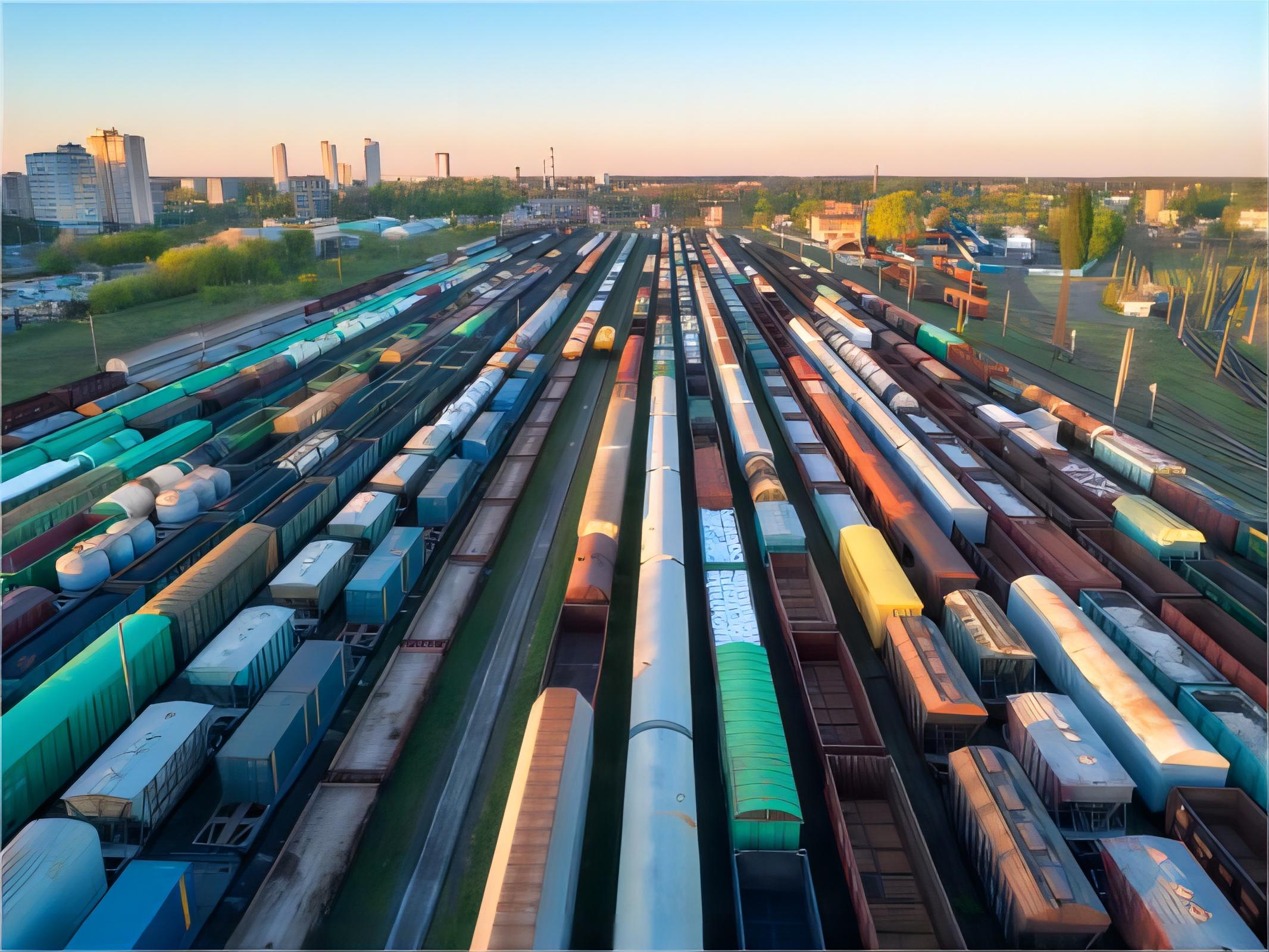
FCL vs LCL: Volume and Cost Efficiency
For shipments under 15 CBM, Less than Container Load (LCL) shipping might initially appear more economical. However, as cargo volume increases, FCL quickly becomes the more cost-effective option. LCL involves consolidation and deconsolidation, adding handling fees and often extending transit times.
FCL vs Air Freight: Speed vs Economy
When speed is the absolute priority, air freight is unrivaled, delivering goods from China to the UK in 3-7 days. Nevertheless, this comes at a significantly higher cost, often 5-10 times that of FCL sea freight. Therefore, air freight is generally reserved for urgent, high-value, or time-sensitive shipments.
FCL vs Rail Freight: A Niche Alternative?
Direct rail freight from China to the UK is not feasible due to geographical limitations. However, rail services to European hubs are available, offering a faster alternative to sea freight (18-25 days to Europe). These require subsequent trucking or ferry services to the UK, adding complexity.
Which Option Should You Choose?
Your optimal shipping method depends primarily on your budget, urgency, and cargo characteristics. For budget-priority and large volume shipments, FCL sea freight remains the top choice. Conversely, if speed is paramount for smaller, high-value items, air freight is recommended.
Consider LCL for smaller, non-urgent shipments that don’t warrant a full container. Furthermore, for a balance of speed and cost to mainland Europe, rail freight followed by road transport can be a viable hybrid solution. Always evaluate these trade-offs carefully for your import/export needs.
Optimizing Your FCL Shipping Strategy from China to UK
Effective FCL shipping from China to the UK requires strategic planning and execution. Firstly, selecting the right Incoterms (e.g., FOB, EXW, CIF) is critical, as they define responsibilities and costs between buyer and seller. This choice profoundly impacts your logistical control and financial exposure.
Collaborating with an experienced freight forwarder is another key optimization strategy. A reputable forwarder can negotiate better freight rates, manage vessel bookings, and navigate complex port procedures. They also provide valuable insights into current market conditions and potential delays.
Moreover, consider consolidating multiple suppliers’ goods into a single FCL shipment if possible. This approach maximizes container utilization and further reduces per-unit shipping costs. A well-managed door-to-door service can also simplify the entire process.
Real-World FCL Shipping Scenarios: China to UK
Understanding real-world examples can illuminate the complexities and successes of FCL shipping from China to the UK. These case studies highlight typical challenges and effective strategies, providing practical insights for importers. They demonstrate how various factors influence outcomes and delivery schedules.
Case Study 1: Electronics Components for Retail Chain
This scenario illustrates a smooth, direct FCL shipment during a stable market period for a major UK electronics retailer.
| Detail | Description |
|---|---|
| Route | Shenzhen, China -> Felixstowe, UK |
| Cargo | Electronics components, 65 CBM, 12,000 kg |
| Container | 40HQ |
| Shipping Details | |
| – Carrier/Service | COSCO |
| – Port of Loading | Shenzhen |
| – Port of Discharge | Felixstowe |
| – Route Type | Direct |
| Cost Breakdown | (Based on Q3 2024 market rates) |
| – Ocean Freight | $3,800 |
| – Origin Charges | $450 |
| – Destination Charges | $550 |
| – Customs & Duties (est.) | $1,200 |
| – Total Landed Cost | $6,000 |
| Timeline | |
| – Booking to Loading | 5 days |
| – Sea Transit | 32 days |
| – Customs Clearance | 3 days |
| – Total Door-to-Door | 40 days |
| Key Insight | Efficient documentation and a direct route minimized delays and costs. |

Case Study 2: Furniture Import with Transshipment
This example showcases a scenario where a transshipment route was chosen for cost savings, albeit with a longer transit time.
| Detail | Description |
|---|---|
| Route | Ningbo, China -> Southampton, UK |
| Cargo | Furniture, 28 CBM, 15,000 kg |
| Container | 20GP |
| Shipping Details | |
| – Carrier/Service | MSC |
| – Port of Loading | Ningbo |
| – Port of Discharge | Southampton |
| – Route Type | Transshipment via Singapore |
| Cost Breakdown | (Typical rates as of early 2025) |
| – Ocean Freight | $2,500 |
| – Origin Charges | $400 |
| – Destination Charges | $500 |
| – Customs & Duties (est.) | $900 |
| – Total Landed Cost | $4,300 |
| Timeline | |
| – Booking to Loading | 7 days |
| – Sea Transit | 38 days |
| – Customs Clearance | 4 days |
| – Total Door-to-Door | 49 days |
| Key Insight | Transshipment routes can offer cost savings but typically extend overall transit times. |
Case Study 3: Textiles During Peak Season
This case study highlights the impact of peak season on freight rates and the importance of early booking for timely delivery.
| Detail | Description |
|---|---|
| Route | Shanghai, China -> London Gateway, UK |
| Cargo | Textiles, 68 CBM, 10,000 kg |
| Container | 40HQ |
| Shipping Details | |
| – Carrier/Service | Maersk |
| – Port of Loading | Shanghai |
| – Port of Discharge | London Gateway |
| – Route Type | Direct |
| Cost Breakdown | (Based on Q4 2024 peak season rates) |
| – Ocean Freight | $4,500 |
| – Origin Charges | $500 |
| — Destination Charges | $600 |
| – Customs & Duties (est.) | $1,500 |
| – Total Landed Cost | $7,100 |
| Timeline | |
| – Booking to Loading | 6 days |
| – Sea Transit | 35 days |
| – Customs Clearance | 3 days |
| – Total Door-to-Door | 44 days |
| Key Insight | Booking well in advance during peak season is crucial to secure space and avoid higher spot rates. |
Navigating Challenges in China to UK FCL Shipping
The FCL shipping route from China to the UK is not without its challenges. Port congestion, particularly at major hubs, can lead to significant delays and increased demurrage charges. Furthermore, vessel capacity shortages, especially during peak seasons, can drive up freight rates.
Geopolitical events and global supply chain disruptions, such as the Red Sea reroutes experienced in early 2024, also impact shipping schedules and costs. These external factors necessitate constant monitoring and flexible logistics planning. Indeed, proactive communication is key to overcoming these obstacles.
Partnering for Success: Your FCL Shipping Solution
Choosing the right logistics partner is arguably the most critical decision for successful FCL shipping from China to the UK. A competent freight forwarder offers not only competitive rates but also invaluable expertise in route optimization, documentation, and problem-solving. They act as an extension of your supply chain team.
Conclusion
Ultimately, successful FCL shipping from China to the UK hinges on careful planning, understanding market dynamics, and partnering with a reliable freight forwarder. By considering factors like costs, transit times, and documentation, businesses can make informed decisions. This approach ensures efficient and cost-effective full container load shipments, strengthening your international trade operations.
Start Your Shipment
Ready to optimize your FCL shipping China to UK? Contact our expert team today for a personalized quote and discover how our tailored logistics solutions can streamline your supply chain. We are here to help you navigate every step of the process.
Request Quote