

FCL Shipping for Hardware Tools from China to Germany
Finding reliable FCL shipping for hardware tools from China to Germany is critical for maintaining a competitive edge in the European market. At Top China Freight, we understand that transporting heavy, high-volume hardware requires precision and cost-effective logistics solutions. Consequently, choosing Full Container Load (FCL) ensures your tools remain secure while minimizing per-unit transport costs. This guide explores the essential strategies for optimizing your hardware supply chain from major Chinese manufacturing hubs to German ports.
Why Choose FCL Shipping for Hardware Tools from China to Germany?
Shipping hardware tools involves handling heavy, dense products that require significant structural integrity during transit. Furthermore, Full Container Load (FCL) provides the exclusive use of a 20ft or 40ft container, which is ideal for bulk tool imports. This method significantly reduces the risk of damage compared to Less than Container Load (LCL) shipments. Moreover, sea freight remains the most economical choice for high-volume orders.
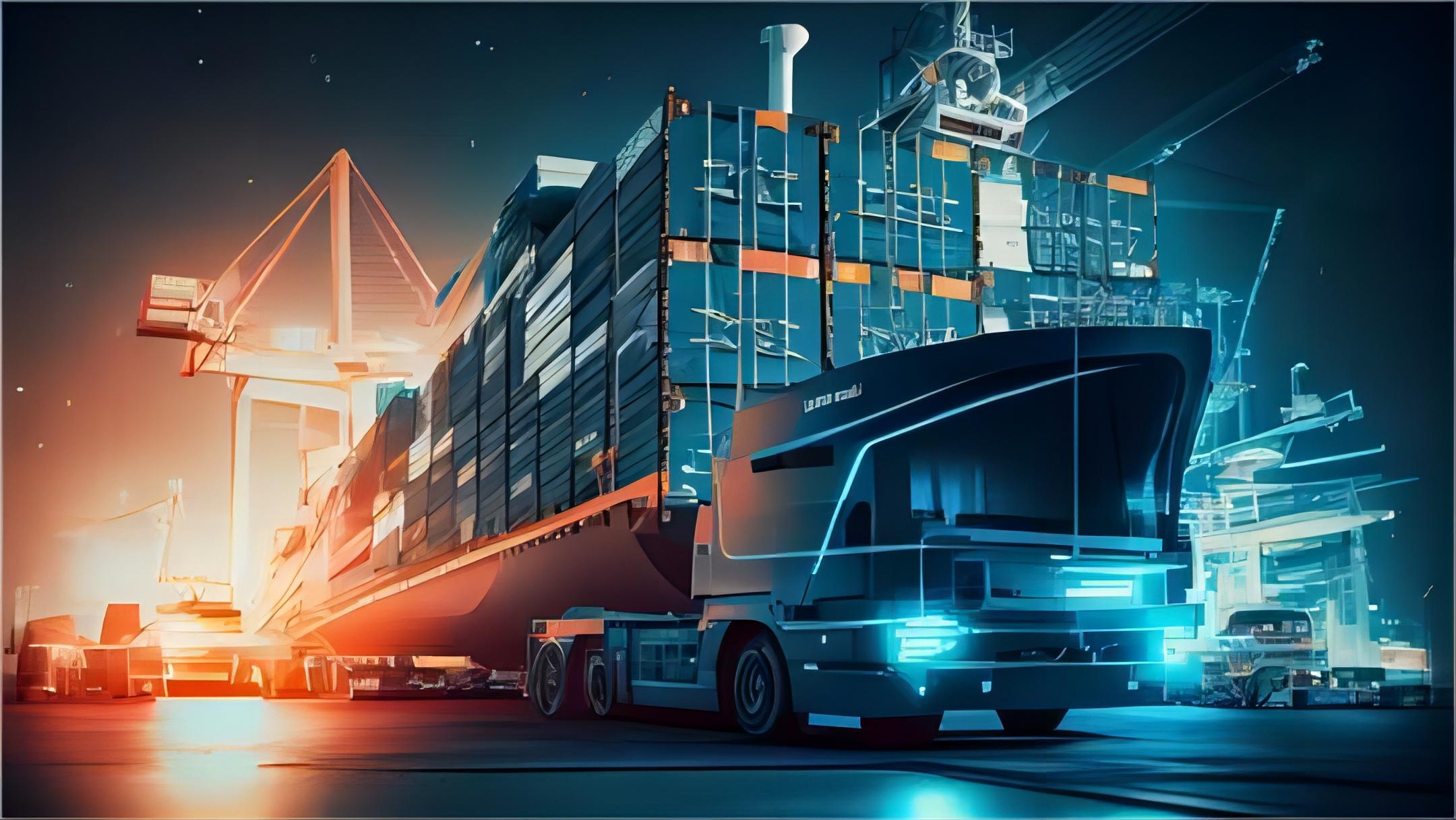
Security remains a primary concern for high-value industrial hardware logistics. By utilizing FCL, your goods are sealed at the factory and only opened upon arrival at the final destination. Consequently, this minimizes handling and potential theft during the journey. Additionally, FCL shipments often move faster through ports because they do not require the consolidation or deconsolidation processes associated with smaller loads.

How Does FCL Compare to Other Shipping Options?
Evaluating different transport modes is essential for balancing budget and speed priorities in your supply chain. While sea freight is the standard for hardware, rail freight offers a middle-ground solution for urgent inventory replenishment. In contrast, air freight is typically reserved for small, high-value components or emergency spare parts due to its prohibitive cost for heavy metal tools.
Consider the volume thresholds when deciding between FCL and LCL. For shipments exceeding 15 cubic meters (CBM), FCL usually becomes more cost-effective than paying per CBM in a shared container. Therefore, businesses scaling their hardware tool imports should prioritize full containers to maximize their profit margins.
| Shipping Method | Cost Range | Transit Time | Best For |
|---|---|---|---|
| Sea Freight (FCL) | $2,500 – $4,200 | 30 – 40 Days | Bulk hardware orders |
| Rail Freight | $4,000 – $6,000 | 18 – 22 Days | Mid-range urgency |
| Air Freight | $8,000 – $15,000+ | 5 – 8 Days | Emergency samples |
| Sea-Air Hybrid | $5,000 – $7,500 | 15 – 20 Days | Balanced solutions |
Key Ports and Routes for German Hardware Imports
Most hardware manufacturing hubs in China are located near major maritime gateways like Ningbo, Shanghai, and Shenzhen. Specifically, shipping to Europe often originates from the Port of Ningbo-Zhoushan, which specializes in heavy industrial goods. From there, vessels navigate the Suez Canal to reach major German hubs such as Hamburg or Bremerhaven.
Transit times fluctuate based on the specific route and carrier choice. For instance, direct sailings from Shanghai to Hamburg are faster but may carry a premium price. Alternatively, transshipment routes via Singapore or Colombo can offer savings for businesses with flexible delivery schedules. Nevertheless, always account for potential seasonal congestion during the Q4 peak season.
Navigating Customs Clearance for Tools in Germany
German customs authorities maintain strict regulations regarding the import of technical equipment and hand tools. Therefore, utilizing a professional customs brokerage service is vital to avoid costly delays at the border. You must ensure all products comply with CE marking requirements and other EU safety standards.
Accurate documentation serves as the foundation of a successful import process. Specifically, the Commercial Invoice must clearly state the Harmonized System (HS) codes for each tool type to determine the correct duty rates. Failure to provide precise descriptions can result in inspections that delay your entire hardware supply chain.
| Document | Purpose | Required By |
|---|---|---|
| Bill of Lading | Title of goods | Carrier/Customs |
| Commercial Invoice | Valuation/Duty | German Customs |
| Packing List | Cargo verification | Port Authority |
| Certificate of Origin | Trade agreements | Import Compliance |
Which Container Option Should You Choose?
Choosing the right container size depends on both the weight and the volume of your hardware tools. A 20GP container is often preferred for heavy items like wrenches, hammers, and drill bits because it reaches its weight limit before it fills up spatially. On the other hand, a 40HQ container is better suited for lighter, bulkier power tool kits or garden equipment.
Optimizing your loading pattern can lead to significant cost-saving strategies. For example, palletizing your tools ensures easier handling but may reduce the total volume utilized. If you require a seamless end-to-end solution, door to door shipping services can manage the entire transition from the Chinese factory floor to your German warehouse.
Real Case Studies: Hardware Logistics Success
Case Study 1: Industrial Power Tools. Route: Shenzhen to Hamburg. Cargo: Electric drills and saws, 68 CBM, 18,500 kg. Container: 40HQ. Shipping Details: Direct sea transit via COSCO. Ocean Freight: $3,850. Origin Charges: $450. Destination Charges: $620. Customs and Duties: $2,100. Total Landed Cost: $7,020. Timeline: 38 days door-to-door. Key Insight: Early booking during the 2024 peak season saved the client 15 percent on freight rates.
Case Study 2: Hand Tool Sets. Route: Ningbo to Bremen. Cargo: Socket sets and pliers, 26 CBM, 12,000 kg. Container: 20GP. Shipping Details: Transshipment via Singapore. Ocean Freight: $2,400. Origin Charges: $380. Destination Charges: $550. Customs and Duties: $1,450. Total Landed Cost: $4,780. Timeline: 45 days door-to-door. Key Insight: Choosing a transshipment route allowed for a lower freight rate despite the longer transit time.
Current Market Trends and Pricing for 2025
As of early 2025, container freight rates from China to Germany have stabilized following previous global disruptions. However, fuel surcharges and environmental regulations continue to influence the final invoice. Specifically, the implementation of new carbon emission standards for maritime vessels has introduced small but consistent price adjustments across the industry.
Market data suggests that rates typically increase by 15 to 25 percent during the August to October period. Consequently, savvy importers should plan their hardware tool logistics well in advance of these peak windows. Note: Freight rates are subject to change based on fuel costs, carrier capacity, and seasonal demand. Contact us for a current quote tailored to your specific shipment.
Optimizing Your Tool Imports
Successfully managing FCL shipping for hardware tools from China to Germany requires a combination of strategic planning and expert execution. By selecting the right container size and understanding the nuances of German customs, you can significantly reduce your overhead. Furthermore, staying informed about market trends and choosing reliable partners ensures that your hardware remains competitive. To summarize, FCL offers the security and efficiency needed to scale your business effectively in the European market.
Ready to streamline your logistics?
Streamline your hardware supply chain today with professional FCL shipping for hardware tools from China to Germany. Contact our logistics experts at Top China Freight to receive a customized quote and optimize your international transport strategy. Send Inquiry: Visit https://Top China Freight.com/
Request Quote