

FCL Shipping for Lighting from China to Illinois: The Complete Importers Guide
FCL shipping for lighting from China to Illinois is a cornerstone strategy for businesses aiming to balance cost-efficiency with cargo safety. Managing the transport of delicate LED fixtures and decorative lamps requires a specialized approach to ensure items arrive intact at their destination. By partnering with Top China Freight, importers can leverage expert logistics networks to streamline their entire international supply chain. This guide explores the nuances of full container load shipping, providing the insights needed to navigate the complex route from Chinese manufacturing hubs to the heart of the American Midwest.
Why Choose FCL Shipping for Lighting from China to Illinois?
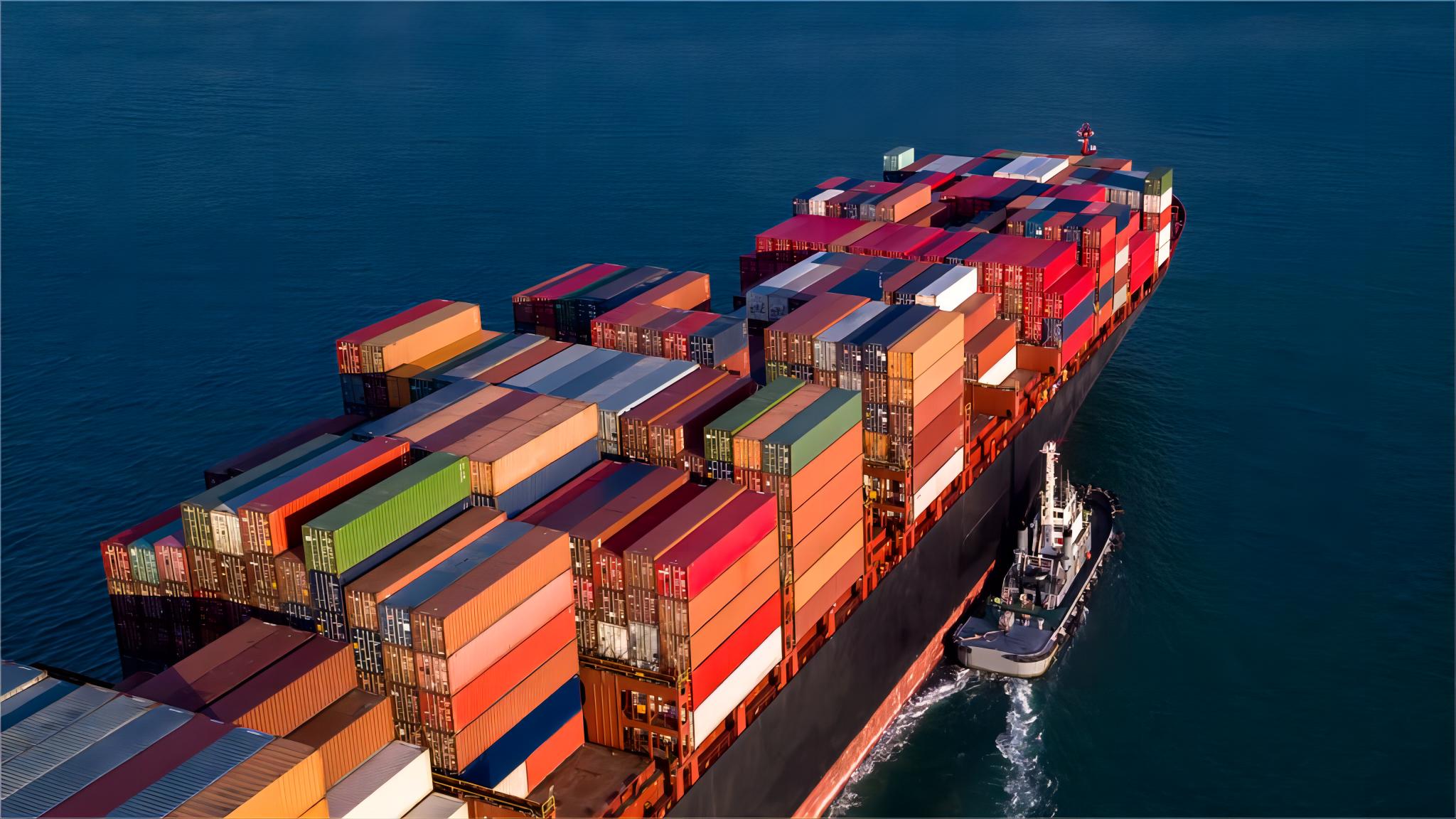
Full Container Load (FCL) shipping offers unparalleled security for fragile lighting products compared to shared container options. Consequently, businesses importing large volumes of chandeliers or LED panels often prefer this method to minimize handling and potential damage. When you book a full container, your goods remain sealed from the point of origin until they reach your warehouse in Illinois.
Furthermore, sea freight remains the most economical choice for bulk shipments over long distances. Although transit times are longer than air, the cost per unit for lighting fixtures drops significantly when utilizing 20GP or 40HQ containers. This cost advantage allows retailers and contractors to maintain competitive pricing in the Illinois market.
Moreover, FCL provides greater flexibility in terms of loading and scheduling. Importers can optimize the interior space of the container specifically for their product dimensions, ensuring maximum efficiency. This dedicated space also reduces the risk of contamination or pressure from other shippers’ heavy cargo.
How Does FCL Compare to Other Shipping Options?
Evaluating different transport modes is essential for maintaining a lean supply chain. While FCL is ideal for high volumes, smaller shipments might initially seem better suited for LCL or air transport. However, the benefits of FCL often outweigh the alternatives when shipping delicate lighting components that require stable environments.
In contrast, express service is much faster but carries a heavy price tag for bulky items. For instance, shipping 15 cubic meters of floor lamps via air could cost five times more than a dedicated sea container. Therefore, planning ahead for sea transit is usually the most sustainable financial strategy.
Additionally, rail freight is occasionally discussed for North American routes, but it primarily serves inland transit from West Coast ports rather than a trans-Pacific solution. Importers must weigh the speed of air against the volume capacity and lower rates of ocean shipping to find their ideal balance.
| Shipping Method | Cost Range | Transit Time | Best For |
|---|---|---|---|
| FCL (20GP/40HQ) | $3,000 – $5,500 | 30 – 45 Days | Bulk lighting, fragile fixtures |
| LCL (Per CBM) | $80 – $150 | 35 – 50 Days | Small batches, samples |
| Air Freight | $5.00 – $9.00/kg | 5 – 8 Days | Urgent repairs, high-value tech |
| Express | $8.00 – $12.00/kg | 3 – 5 Days | Small parts, document courier |
What are the Costs of FCL Shipping for Lighting from China to Illinois?
Understanding the pricing structure of FCL shipping for lighting from China to Illinois is vital for accurate budgeting. Ocean freight rates fluctuate based on fuel surcharges, seasonal demand, and carrier capacity. Typically, shipping to the US Midwest involves a combination of sea transit to a coastal port and rail or truck transit to Illinois.
Specifically, a 40HQ container often provides the best value for lighting importers because lighting products are frequently high-volume but low-weight. As a result, you can maximize the 76 cubic meters of space without exceeding weight limits. Current market data suggests that rates for this route have stabilized in early 2025 compared to previous years.
Note: Freight rates are subject to change based on fuel costs, carrier capacity, and seasonal demand. Contact us for a current quote tailored to your specific shipment.
| Container Type | Average Rate (USD) | Capacity (CBM) | Typical Lighting Cargo |
|---|---|---|---|
| 20GP Container | $2,800 – $3,800 | 28 – 33 CBM | Heavy industrial lighting |
| 40GP Container | $4,000 – $5,000 | 58 – 67 CBM | Standard LED fixtures |
| 40HQ Container | $4,500 – $5,800 | 68 – 76 CBM | Large chandeliers, retail boxes |
Transit Times and Logistics Hubs in Illinois
Shipping from major Chinese ports like Shanghai or Ningbo to Illinois usually takes between 30 and 45 days. This timeline includes the ocean crossing to West Coast ports like Los Angeles or East Coast ports like Savannah, followed by rail transport. Chicago serves as the primary intermodal hub for the entire state of Illinois, offering robust rail connections.
Consequently, the choice of port can impact both time and cost. For example, routing through the West Coast and using an intermodal rail link to Chicago is often faster than the all-water route through the Panama Canal. Nevertheless, some importers prefer the East Coast route to avoid potential congestion at California ports during peak seasons.
Moreover, once the container arrives at a Chicago rail ramp, it must be drayed to its final destination in cities like Aurora, Joliet, or Rockford. Efficient coordination during this final leg is essential to avoid costly storage fees at the terminal. Planning for a 45-day window ensures that your supply chain remains resilient against minor delays.
Essential Customs Documentation for Lighting Imports
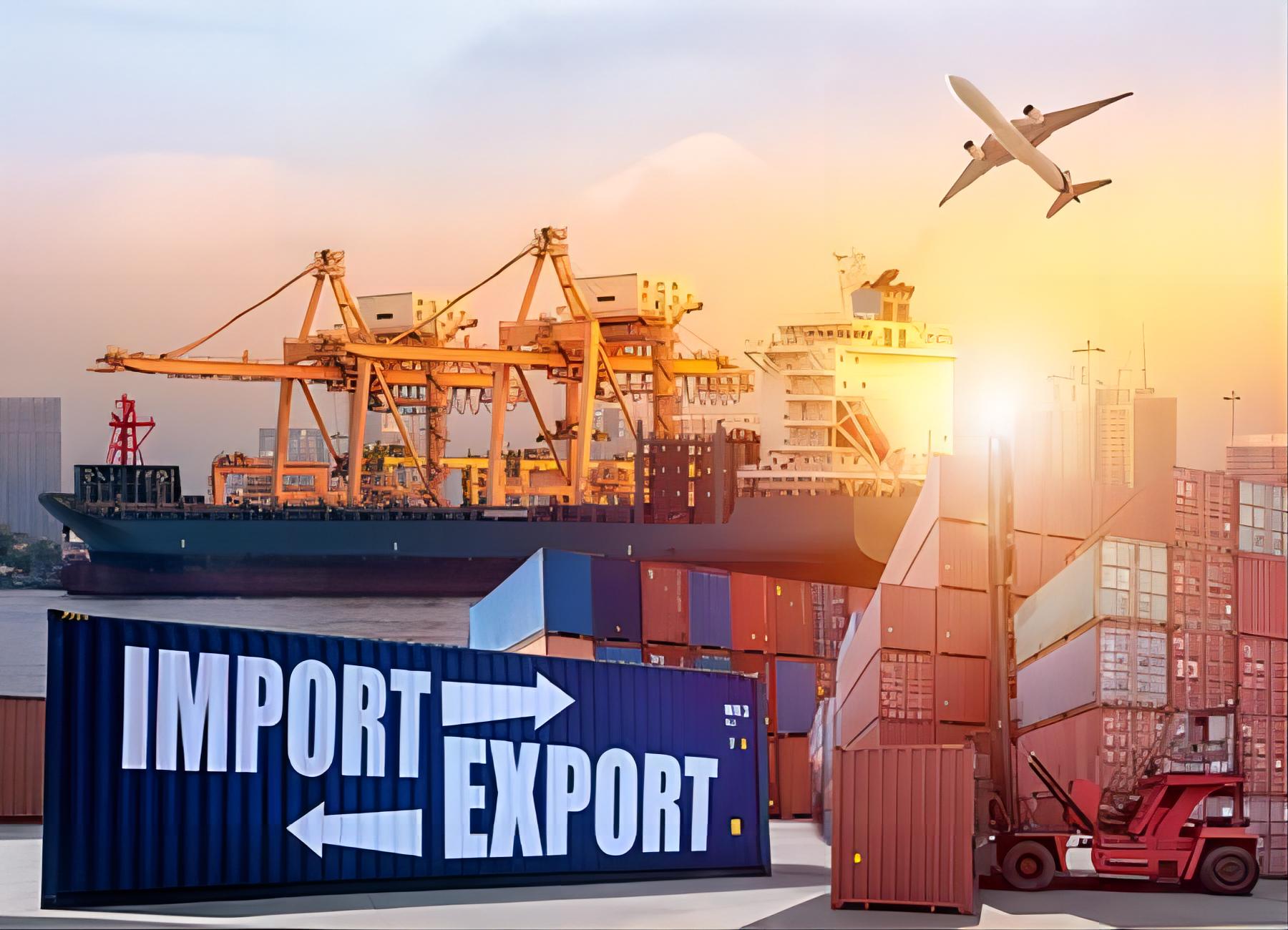
Navigating the legal requirements for importing lighting into the United States is a complex task. Importers must ensure that all products comply with UL or ETL safety standards to avoid being denied entry by Customs and Border Protection (CBP). Utilizing a professional customs brokerage service can prevent expensive compliance errors.
Indeed, documentation such as the Bill of Lading, Commercial Invoice, and Packing List must be meticulously prepared. For lighting, specific HTS codes determine the duty rates, which can vary significantly between residential and industrial fixtures. Additionally, the Importer Security Filing (ISF) must be submitted at least 24 hours before the ship departs from China.
Furthermore, be aware of Section 301 tariffs that may apply to certain Chinese-manufactured lighting components. Consequently, verifying the latest trade regulations is a critical step in calculating your total landed cost. Proper documentation not only speeds up clearance but also protects your business from audits and penalties.
Packaging and Damage Prevention for Fragile Lighting
Protecting fragile glass and sensitive electronics is the biggest challenge when arranging FCL shipping for lighting from China to Illinois. Because the container travels thousands of miles and undergoes several transitions, high-quality export packaging is non-negotiable. Using double-walled corrugated boxes and custom foam inserts is a standard industry practice.
Additionally, many importers choose door to door services to reduce the number of times the cargo is handled. When the same logistics provider manages the entire journey, there is a higher level of accountability for the condition of the goods. Properly palletizing the boxes within the container also prevents shifting during rough sea conditions.
Notably, moisture control is another factor to consider during long ocean voyages. Using desiccant packs inside the packaging helps prevent humidity damage to metal finishes and electrical circuits. Taking these precautions at the factory level in China saves significant time and money on insurance claims and replacements later.
Which Option Should You Choose?
Selecting the right shipping strategy depends on your specific business priorities and cargo volume. If your primary goal is cost reduction and you have a consistent volume of at least 15-20 CBM, FCL is almost always the superior choice. It offers the lowest risk of damage and the most predictable pricing for long-term planning.
On the other hand, if you are testing a new product line or have limited warehouse space in Illinois, LCL might be a safer entry point. However, be prepared for longer transit times as the container must be consolidated and de-consolidated at both ends. For those with extremely high-value or time-sensitive projects, a hybrid approach using sea freight for the bulk and air for the launch phase is often effective.
Specifically, for businesses selling on platforms like Amazon, utilizing Amazon FBA logistics can further simplify the process. This involves shipping directly from the Chinese factory to an Illinois fulfillment center. Ultimately, the best choice aligns with your inventory turnover rate and your customers’ expectations for delivery speed.
Real Case Studies: China to Illinois
Case Study 1: LED Panel Import to Chicago |———————————————————| | Route: Ningbo, China to Chicago, IL | | Cargo: LED Office Panels, 65 CBM, 8,500 kg | | Container: 40HQ | | Shipping Details: | | – Carrier: COSCO | | – Port of Loading: Ningbo | | – Port of Discharge: Prince Rupert (Rail to Chicago) | | Cost Breakdown: | | – Ocean & Rail Freight: $4,950 | | – Customs & Duties: $1,200 | | – Total Landed Cost: $6,150 | | Timeline: | | – Total Door-to-Door: 34 Days | | Key Insight: Using the Prince Rupert rail bypass saved | | 6 days compared to the Los Angeles port route. | |———————————————————|
Case Study 2: Decorative Chandeliers to Aurora |———————————————————| | Route: Shenzhen, China to Aurora, IL | | Cargo: Luxury Glass Chandeliers, 25 CBM, 4,200 kg | | Container: 20GP | | Shipping Details: | | – Carrier: Maersk | | – Port of Loading: Yantian | | – Port of Discharge: Savannah (Rail to Chicago) | | Cost Breakdown: | | – Ocean & Rail Freight: $3,600 | | – Customs & Duties: $2,100 | | – Total Landed Cost: $5,700 | | Timeline: | | – Total Door-to-Door: 42 Days | | Key Insight: All-water route to the East Coast provided | | a smoother ride for the highly fragile glass components.| |———————————————————|
Alternative Shipping Strategies and Hybrid Solutions
Exploring alternative strategies can provide a competitive edge in the Illinois lighting market. One such strategy is the sea-air hybrid, where goods are shipped by sea to a hub like Dubai or Korea and then flown to Chicago. This method is faster than pure sea freight and significantly cheaper than direct air freight.
Moreover, transshipment through Southeast Asian ports can sometimes offer lower freight rates during peak Chinese holidays. While this adds a few days to the transit time, the cost savings can be substantial for non-urgent inventory. Importers should also consider ‘slow steaming’ options offered by some carriers to further reduce carbon footprints and costs.
Additionally, consolidating multiple suppliers into a single FCL container at a warehouse in China is a brilliant way to save money. Instead of paying for multiple LCL shipments, you can combine products from different factories into one 40HQ. This strategy maximizes container utilization and simplifies the customs clearance process upon arrival in Illinois.
Final Thoughts on Lighting Logistics
FCL shipping for lighting from China to Illinois remains the most reliable and cost-effective method for professional importers. By understanding the balance between transit times, container costs, and packaging requirements, you can build a resilient supply chain. Transitioning to FCL allows for better inventory management and significantly reduces the risk of damaging delicate lighting fixtures.
Ultimately, success in this lane requires attention to detail and a strong partnership with an experienced freight forwarder. Whether you are shipping LED panels to Chicago or decorative lamps to Rockford, the principles of FCL shipping ensure your business remains competitive. Start planning your next shipment today to take advantage of current market stability and secure your cargo’s safe passage.
Ready to streamline your logistics?
Ready to optimize your FCL shipping for lighting from China to Illinois? Contact the experts at Top China Freight today for a customized quote and professional logistics support. Our team is standing by to help you navigate customs and secure the best possible rates for your next shipment. Visit our website to request your free freight analysis now.
Request Quote