

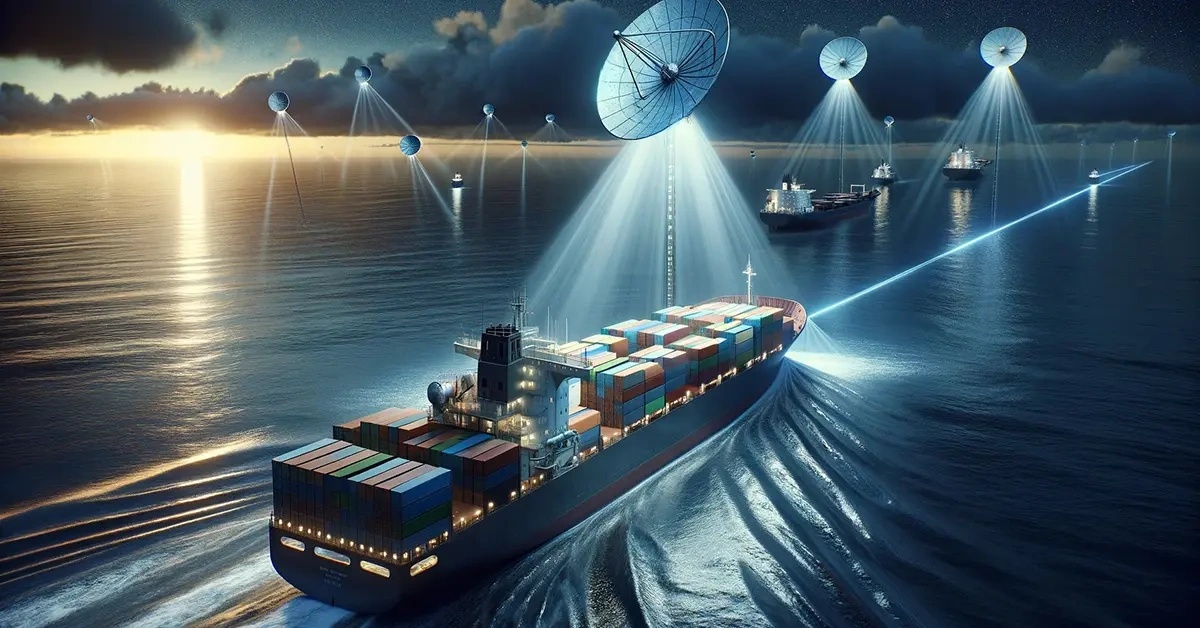
Flat Rack FCL container shortage solution for solar panels from China to Florida
The global logistics market currently faces significant challenges that impact the renewable energy sector. Importers often struggle to find a reliable Flat Rack FCL container shortage solution for solar panels from China to Florida due to high demand and limited equipment availability. Navigating these complexities requires a partnership with an experienced provider like Top China Freight to ensure your supply chain remains resilient. This guide explores alternative strategies and professional insights to keep your solar projects on schedule.
What is the current Flat Rack FCL container shortage solution for solar panels from China to Florida?
The shortage of flat rack containers often stems from the specialized nature of these units. Because solar panels are frequently oversized or require side-loading, flat racks become the primary choice for many manufacturers. However, the imbalance of trade between China and North America means these specialized containers are not always returned to Asian hubs quickly enough.
A viable solution involves looking beyond standard equipment types. Many logistics managers now utilize open-top containers or modified high-cube units to bypass the lack of flat rack availability. Furthermore, prioritizing early booking and flexible port selection can mitigate the risks of equipment scarcity.
Choosing a robust sea freight strategy is essential for managing large-scale solar installations. By diversifying carrier contracts, importers can access a wider pool of equipment even during peak seasons. This proactive approach ensures that your solar panels reach Florida ports without unnecessary delays.
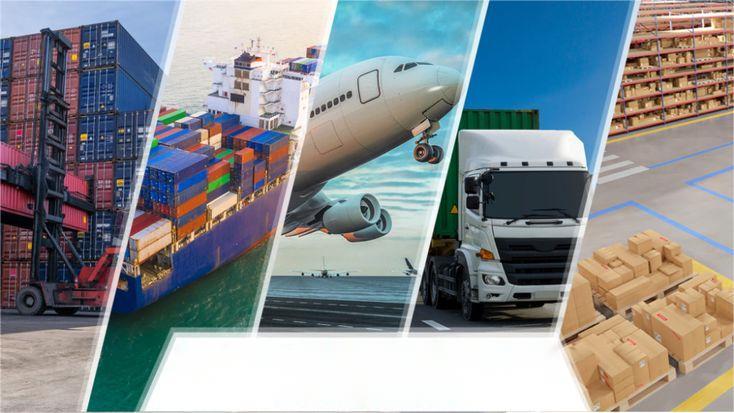
How Does Flat Rack Shipping Compare to Other Shipping Options?
Evaluating different transportation modes is critical when facing equipment shortages. While flat racks offer ease of loading for wide cargo, other methods might provide better availability and cost-efficiency. For example, standard 40HQ containers are more plentiful and can often accommodate solar panels if the packaging is optimized.
Moreover, the choice between FCL and LCL depends heavily on the volume of your shipment. If you are importing a smaller quantity of solar components, door to door services using LCL might be more practical. On the other hand, full container loads offer better security and faster transit times for large projects.
Consider the following comparison to determine the best fit for your specific needs.
| Shipping Method | Cost Range | Transit Time | Best For | Limitations |
|---|---|---|---|---|
| Flat Rack FCL | $5,500 – $8,000 | 30-40 Days | Oversized cargo | High equipment shortage |
| Standard 40HQ | $4,500 – $6,000 | 30-35 Days | Standard pallets | Difficult side loading |
| Air Freight | $15,000+ | 5-10 Days | Urgent parts | Extremely high cost |
| LCL Sea Freight | $80 – $150/CBM | 35-45 Days | Small batches | Risk of handling damage |
Why are solar panels from China to Florida facing logistics hurdles?
Florida is a major hub for renewable energy, but its geographic location requires specific maritime routes. Most shipments from China to the US East Coast must pass through the Panama Canal or utilize land-bridge services from the West Coast. Consequently, any congestion at these checkpoints exacerbates the existing container shortage.
Additionally, the seasonal demand for solar panels often aligns with peak shipping periods. During the third quarter, freight rates typically rise by 15-25% as retailers stock up for the holidays. Therefore, importers must plan at least 6-8 weeks in advance to secure both space and equipment.
Utilizing a professional customs brokerage service is also vital. Florida ports have specific compliance requirements that can delay cargo if documentation is not perfect. Indeed, preventing delays at the port of discharge is just as important as securing the container in China.

Which Option Should You Choose for Your Solar Shipments?
The decision framework for selecting a shipping method should focus on your project timeline and budget. If your priority is cost-saving, waiting for a standard container and optimizing your pallet layout is often the best path. However, if the cargo is strictly oversized and non-negotiable, a flat rack is mandatory despite the shortage.
For urgent replacements or critical components, air freight remains the fastest alternative. While much more expensive than sea routes, it ensures that a multi-million dollar solar farm project does not stall due to a few missing parts. Nevertheless, for the bulk of the panels, sea freight remains the industry standard.
Market intelligence suggests that rates for China to US East Coast routes have stabilized in early 2025. Typical rates for a 40HQ currently range between $4,500 and $6,000 depending on the specific carrier and service level. Note: Freight rates are subject to change based on fuel costs, carrier capacity, and seasonal demand. Contact us for a current quote tailored to your specific shipment.
Case Study 1: Resolving Equipment Scarcity for a Miami Solar Farm
Route: Shanghai, China to Miami, Florida. Cargo: Industrial Solar Panels, 65 CBM, 18,000 kg. Container: 40HQ (Modified packaging to avoid Flat Rack).
Shipping Details: Carrier: Major carrier. Port of Loading: Shanghai. Port of Discharge: Miami. Route Type: Transshipment via Panama Canal.
Cost Breakdown: Ocean Freight: $5,200. Origin Charges: $450. Destination Charges: $600. Customs and Duties: $1,200. Total Landed Cost: $7,450.
Timeline: Booking to Loading: 10 days. Sea Transit: 34 days. Customs Clearance: 3 days. Total Door-to-Door: 47 days. Key Insight: By redesigning the pallet dimensions, the client saved $2,000 by using a standard 40HQ instead of waiting for a flat rack.
Case Study 2: Expedited Flat Rack FCL Container Shortage Solution
Route: Shenzhen, China to Jacksonville, Florida. Cargo: Oversized Solar Inverters, 45 CBM, 12,000 kg. Container: 40FT Flat Rack.
Shipping Details: Carrier: COSCO. Port of Loading: Yantian. Port of Discharge: Jacksonville. Route Type: Direct Service.
Cost Breakdown: Ocean Freight: $7,800. Origin Charges: $550. Destination Charges: $750. Customs and Duties: $2,100. Total Landed Cost: $11,200.
Timeline: Booking to Loading: 21 days. Sea Transit: 31 days. Customs Clearance: 2 days. Total Door-to-Door: 54 days. Key Insight: Early booking and paying a premium equipment guarantee fee ensured the flat rack was available during a severe shortage period.

Strategies for Navigating the Flat Rack FCL Container Shortage
One effective strategy is to utilize ‘SOC’ or Shipper Owned Containers. By purchasing your own flat rack units, you eliminate the dependency on carrier equipment pools. Although this requires a higher upfront investment, it provides long-term reliability for recurring shipments.
Another approach involves port hopping. If flat racks are unavailable in Ningbo, they might be accessible in smaller ports like Xiamen or Qingdao. Consequently, being flexible with the origin port can significantly reduce the waiting time for equipment.
In some cases, a hybrid solution is beneficial. You might ship the majority of the panels via standard FCL and use specialized express service for the most sensitive or oddly shaped components. This ensures that the bulk of the shipment moves at a lower cost while the critical items are prioritized.
Document Checklist for Florida Solar Imports
Accurate documentation is the backbone of successful international trade. When importing solar panels, you must ensure all technical specifications are clearly listed to satisfy both customs and safety regulations. Failure to provide correct paperwork can lead to expensive storage fees at the port of Florida.
The following table outlines the essential documents required for your shipment.
| Document Name | Purpose | Issuer | Requirement Level |
|---|---|---|---|
| Bill of Lading | Title of goods | Carrier | Mandatory |
| Commercial Invoice | Valuation for duties | Exporter | Mandatory |
| Packing List | Cargo details | Exporter | Mandatory |
| Certificate of Origin | Trade agreements | Chamber of Commerce | Highly Recommended |
Mastering the Flat Rack FCL Container Shortage Solution for Solar Panels
In conclusion, while the equipment scarcity presents a significant hurdle, it is not insurmountable. By implementing a diverse strategy that includes equipment alternatives, early booking, and professional logistics support, you can successfully manage your imports. The Flat Rack FCL container shortage solution for solar panels from China to Florida requires constant market monitoring and flexibility.
Ultimately, the goal is to maintain a steady flow of renewable energy components to support the growing Florida market. Partnering with the right freight forwarder ensures that you stay ahead of logistics trends and maintain a competitive edge in the industry.
Ready to streamline your logistics?
Are you struggling to find a reliable Flat Rack FCL container shortage solution for solar panels from China to Florida? Our team of logistics experts is ready to help you optimize your supply chain and secure the equipment you need. Contact us today for a personalized quote and expert guidance. Visit Top China Freight to get started now. Send Inquiry: info@Top China Freight.com
Request Quote