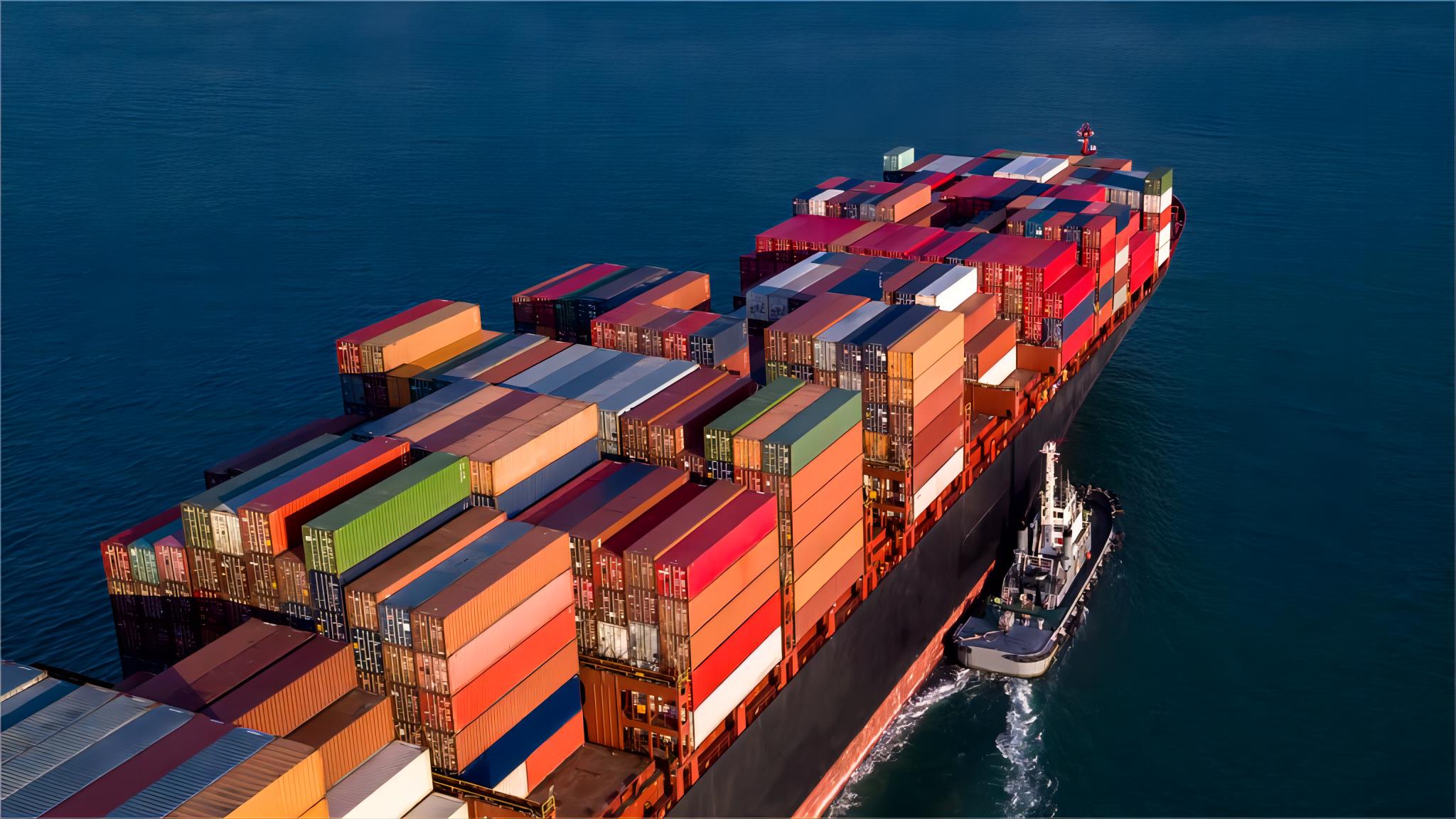
Flat Rack FCL Sailing Schedule for Medical Equipment from China to Miami
Shipping heavy medical imaging devices requires precision and specialized equipment to ensure safety during the long voyage. Finding a reliable Top China Freight solution is essential for hospitals and clinics in Florida awaiting critical supplies. This guide provides a detailed Flat Rack FCL sailing schedule for medical equipment from China to Miami to help you plan your supply chain effectively.

Understanding the Flat Rack FCL Sailing Schedule for Medical Equipment from China to Miami
Coordinating the transport of oversized medical gear involves selecting specific departure dates that align with your production timelines. Flat rack containers are indispensable for items that exceed the dimensions of standard shipping units. Consequently, the sailing schedule must be monitored closely to avoid delays in medical facility openings.
Schedules typically feature weekly departures from major hubs like Shanghai, Ningbo, and Shenzhen. However, the availability of flat rack equipment can fluctuate based on seasonal demand and carrier capacity. Therefore, booking your sea freight space at least three weeks in advance is highly recommended.
Logistics providers often utilize major carriers like COSCO, Maersk, and MSC for this specific route. These carriers offer reliable transit times, although the total duration depends on whether the vessel travels via the Panama Canal or the Suez Canal. Indeed, most Miami-bound cargo from China prefers the Panama Canal route for efficiency.
Why Use Flat Rack Containers for Medical Equipment?
Medical devices such as MRI machines and CT scanners are often too wide or tall for standard dry vans. Flat rack containers provide the necessary flexibility with their open-sided and open-top designs. Additionally, these units are engineered to support extreme concentrated weights, which is vital for heavy diagnostic machinery.
Securing the cargo on a flat rack requires specialized lashing and bracing techniques to prevent movement during heavy seas. Furthermore, using a collapsible flat rack allows for easier repositioning of empty containers, which can sometimes influence the overall freight rate. Nevertheless, the primary focus remains the structural integrity of the medical equipment.
Professional handlers must ensure that the equipment is protected from salt spray and moisture during the journey. Most shippers apply heavy-duty industrial shrink wrap or customized tarpaulins to the machinery before it is loaded onto the vessel. Accordingly, this preparation is a standard part of the Flat Rack FCL sailing schedule for medical equipment from China to Miami.
How to Navigate the China to Miami Logistics Route
Navigating the journey from China to the East Coast of the United States requires an understanding of diverse port operations. Most shipments originate in the manufacturing hubs of the Pearl River Delta or the Yangtze River Delta. Consequently, choosing the right port of loading is the first step in optimizing your door to door shipping strategy.
PortMiami serves as the primary gateway for medical equipment entering the Southeastern United States. This port features advanced infrastructure capable of handling specialized flat rack unloading with ease. Moreover, the proximity of the port to major Florida medical corridors reduces the final mile delivery time significantly.
Transit times for this route generally range from 30 to 40 days depending on the specific service string. For example, direct services are faster but may carry a premium price tag compared to transshipment options. Meanwhile, logistics managers must account for potential weather disruptions in the Pacific and Atlantic oceans.

How Does Flat Rack FCL Compare to Other Shipping Options?
Evaluating different transport modes is crucial for balancing cost and speed when importing medical technology. While flat rack containers are essential for oversized items, smaller components might fit into standard containers. Therefore, a hybrid approach is often the most cost-effective solution for large-scale hospital projects.
Air freight offers the fastest delivery but comes at a significantly higher cost, often five to ten times that of sea transport. Conversely, standard FCL is cheaper but lacks the dimensions needed for large-scale medical systems. As a result, the flat rack remains the gold standard for heavy, out-of-gauge medical cargo destined for North America.
The following table provides an objective analysis of all viable shipping alternatives for this specific route.
| Flat Rack FCL | $4,500 – $7,500 | 30-40 Days | Oversized MRI/CT |
| Standard 40HQ | $3,500 – $5,500 | 30-35 Days | General Medical Supplies |
| Air Freight | $15,000 – $25,000 | 5-9 Days | Urgent Spare Parts |
| LCL Shipping | $150 – $300/CBM | 35-45 Days | Small Lab Equipment |
Transit Times and Port Options for Miami Deliveries
Selecting the optimal departure port in China can shave days off the total transit time for medical equipment. Shanghai and Ningbo offer the highest frequency of sailings to the US East Coast. Consequently, these ports are often the first choice for time-sensitive medical projects in Miami.
Shenzhen and Guangzhou are ideal for equipment manufactured in Southern China, offering direct routes through the Panama Canal. Furthermore, these ports have extensive experience in handling high-value electronics and sensitive medical instruments. In contrast, using inland ports may add unnecessary complexity and time to the schedule.
Market data suggests that schedules remain relatively stable, but port congestion in Miami can occasionally impact the final delivery date. Without a doubt, working with an experienced local agent helps in navigating these terminal bottlenecks efficiently.
| Shanghai | Miami | 32 Days | 3 Sailings/Week |
| Shenzhen | Miami | 30 Days | 2 Sailings/Week |
| Ningbo | Miami | 35 Days | Weekly |
| Qingdao | Miami | 38 Days | Bi-Weekly |

Essential Customs Documentation for Medical Imports
Importing medical equipment into the United States requires strict adherence to FDA and CBP regulations. Failure to provide accurate documentation can lead to expensive delays and potential seizure of the cargo. Therefore, engaging a professional customs brokerage service is a critical component of your logistics plan.
Key documents include the Bill of Lading, Commercial Invoice, and a detailed Packing List. Additionally, medical devices must have their FDA registration and listing numbers clearly identified. Consequently, the Flat Rack FCL sailing schedule for medical equipment from China to Miami must account for a 2-4 day clearance window.
Insurance certificates are also vital, especially for high-value flat rack shipments that are more exposed to the elements. For instance, many importers opt for all-risk insurance to cover potential damage during sea transit. Indeed, protecting your investment is as important as the shipping itself.
| FDA 510(k) | Product Clearance | Manufacturer | Mandatory |
| ISF Filing | Security Screening | Importer/Agent | Mandatory |
| Packing List | Cargo Verification | Shipper | Mandatory |
| Certificate of Origin | Duty Assessment | Chamber of Commerce | Required |
Real-World Case Studies for Medical Cargo
Case Study 1: MRI Scanner Delivery to Miami Health District Route: Shanghai, China to PortMiami, USA Cargo: 1.5T MRI Machine, 18 CBM, 4500 kg Container: 40ft Flat Rack (Collapsible) Shipping Details: – Carrier: COSCO – Port of Loading: Shanghai (YS) – Port of Discharge: Miami – Route Type: Direct via Panama Canal Cost Breakdown: – Ocean Freight: $5,800 – Origin Charges: $450 – Destination Charges: $650 – Customs and Duties: $1,200 – Total Landed Cost: $8,100 Timeline: – Booking to Loading: 5 days – Sea Transit: 33 days – Customs Clearance: 3 days – Total Door-to-Door: 41 days Key Insight: Using a collapsible flat rack allowed for easier handling at the destination warehouse.
Case Study 2: Industrial Sterilization Units for Coral Gables Clinic Route: Shenzhen, China to Miami, USA Cargo: Large Scale Autoclaves, 22 CBM, 3800 kg Container: 20ft Flat Rack (Fixed End) Shipping Details: – Carrier: MSC – Port of Loading: Shenzhen (Yantian) – Port of Discharge: Miami – Route Type: Transshipment via Freeport Cost Breakdown: – Ocean Freight: $4,200 – Origin Charges: $380 – Destination Charges: $550 – Customs and Duties: $900 – Total Landed Cost: $6,030 Timeline: – Booking to Loading: 7 days – Sea Transit: 38 days – Customs Clearance: 2 days – Total Door-to-Door: 47 days Key Insight: Transshipment saved $800 in freight costs but added 5 days to the total schedule.
Note: Freight rates are subject to change based on fuel costs, carrier capacity, and seasonal demand. Contact us for a current quote tailored to your specific shipment.
Which Option Should You Choose?
Deciding on the best shipping method depends heavily on your specific project constraints and budget. If your priority is the lowest possible cost, then a transshipment sea route is the most logical choice. However, if the medical facility is opening on a fixed date, a direct Flat Rack FCL sailing schedule for medical equipment from China to Miami is preferred.
Budget priority: Recommend standard sea freight with transshipment for savings of up to 15%. Speed priority: Recommend direct carrier services from Shanghai or Shenzhen. Cargo type considerations: Always use flat racks for items exceeding 2.3 meters in width or 2.5 meters in height. Volume thresholds: For shipments under 15 CBM, consider crating for LCL if the equipment is not overly sensitive.
Moreover, hybrid solutions like sea-air via Los Angeles can be explored if the Panama Canal faces unexpected delays. This involves shipping to the West Coast and trucking the cargo to Miami. Nevertheless, the flat rack remains the most stable and secure method for heavy diagnostic tools.
Final Thoughts on Shipping Medical Equipment to Miami
Successfully managing the Flat Rack FCL sailing schedule for medical equipment from China to Miami requires a blend of technical expertise and local knowledge. By understanding the nuances of flat rack containers and the specific requirements of the Miami port, you can avoid common pitfalls. Furthermore, proper documentation and insurance are non-negotiable for high-value medical assets.
Reliable logistics partners will help you navigate the complexities of international trade and ensure your equipment is ready for patient care upon arrival. Whether you are shipping a single MRI or an entire hospital’s worth of gear, planning is the key to success. Start your journey today with a partner who understands the stakes of medical logistics.
Ready to streamline your logistics?
Ensure your medical equipment arrives safely and on time. Contact Top China Freight today for a customized Flat Rack FCL sailing schedule for medical equipment from China to Miami and a competitive quote for your next shipment. Visit our website to speak with a logistics expert now.
Request Quote