
- By TOP CHINA FREIGHT
- September 15, 2025
- Shipping
Table of Contents
Managing freight costs from China to UK is one of the most important concerns for importers. Prices are influenced by container sizes, transport modes, customs duties, and seasonal surcharges. However, with careful planning and smart logistics choices, businesses can minimize expenses and ensure reliable deliveries. This guide provides a detailed breakdown of shipping methods, costs, and strategies to help you import efficiently in 2025.
What Determines Freight Costs from China to UK?
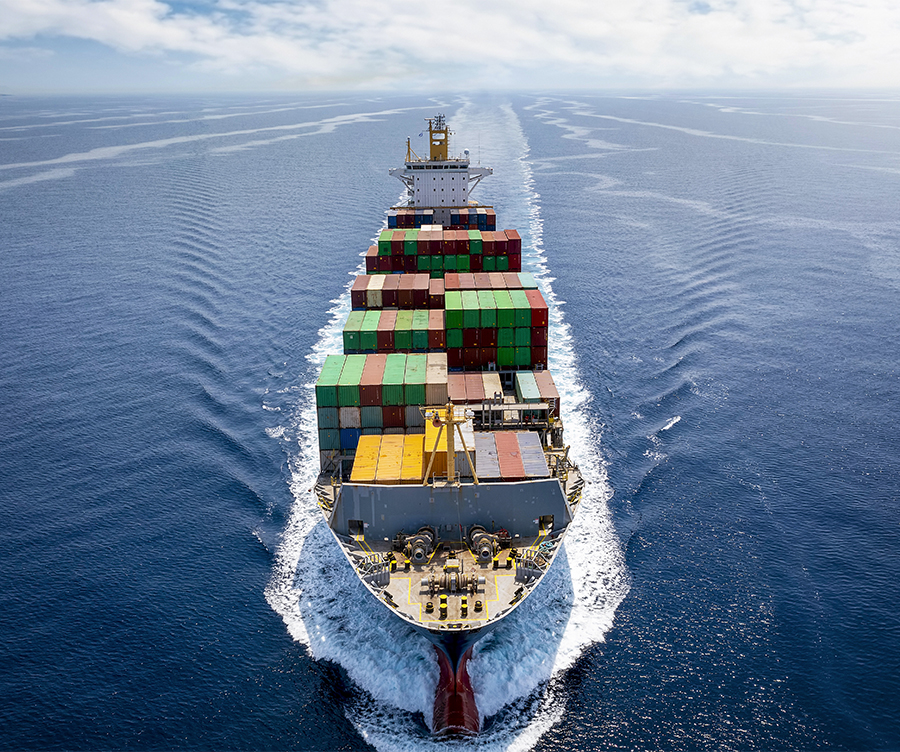
Several factors shape freight costs, and understanding them helps businesses make better decisions. Shipping rates depend on cargo type, container size, and delivery method. Additionally, demand surges, fuel price fluctuations, and port congestion affect pricing.
For instance, bulky items shipped in a full container are cheaper per unit compared to smaller mixed loads. However, peak seasons, such as pre-Christmas months, often raise rates significantly. Customs charges, VAT, and inland delivery also add to the final landed cost.
How Do Shipping Methods Affect Freight Costs?
Different transport methods come with distinct cost and time implications. Importers must choose between sea, air, rail, and express courier, depending on cargo size and urgency.
| Shipping Method | Average Cost | Transit Time | Pros | Cons |
|---|---|---|---|---|
| Sea Freight (FCL) | $1,600–$3,200 per 20ft | 30–40 days | Cost-effective, large volumes | Slower transit |
| Sea Freight (LCL) | $60–$90 per CBM | 35–45 days | Good for small loads | Longer handling |
| Air Freight | $5–$9 per kg | 5–10 days | Fast and reliable | Higher cost |
| Express Courier | $7–$12 per kg | 3–6 days | Door-to-door, easy customs | Expensive |
| Rail Freight (via EU) | $3,000–$5,000 per 40ft | 20–25 days | Balanced option | Limited routes |
The best choice depends on balancing speed, cost, and cargo type.
What Is the Average Sea Freight Cost from China to UK?
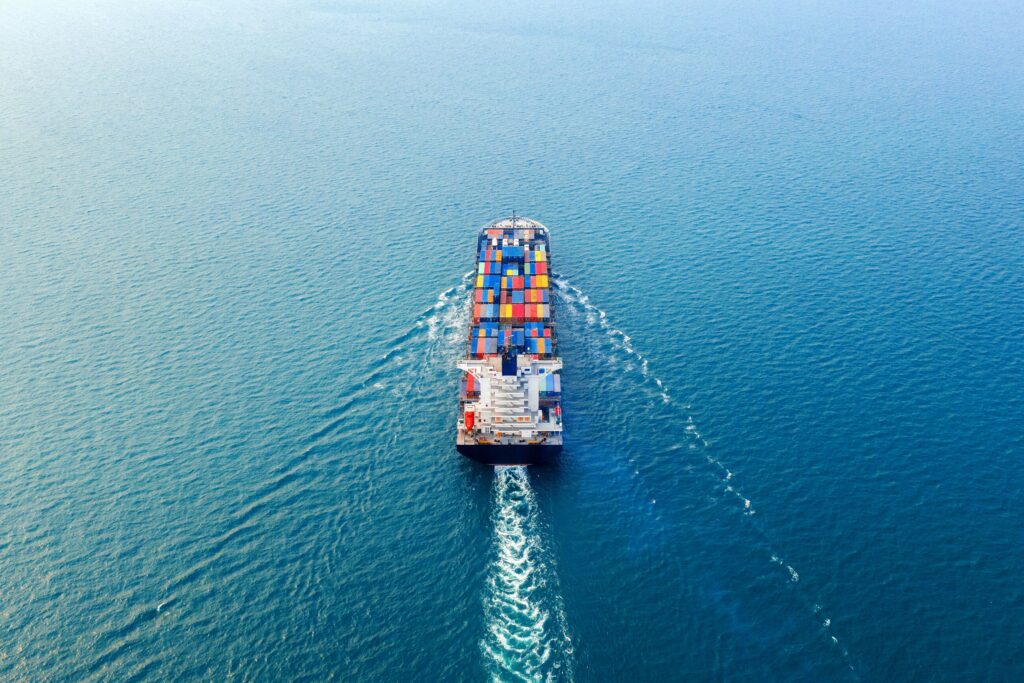
Sea freight remains the most economical method for large shipments. Full Container Load (FCL) offers cost savings for consistent, bulk imports, while Less than Container Load (LCL) is flexible for smaller volumes.
| Container Type | Average Cost | Cargo Capacity |
|---|---|---|
| 20ft FCL | $1,600–$3,200 | 25–28 CBM, up to 22 tons |
| 40ft FCL | $2,800–$5,200 | 55–58 CBM, up to 28 tons |
| 40ft HC | $3,000–$5,500 | Slightly more volume than 40ft |
| LCL | $60–$90 per CBM | For shipments under 15 CBM |
For businesses shipping regularly, negotiating long-term FCL contracts can secure better rates and stability.
How Much Does Air Freight Cost from China to UK?
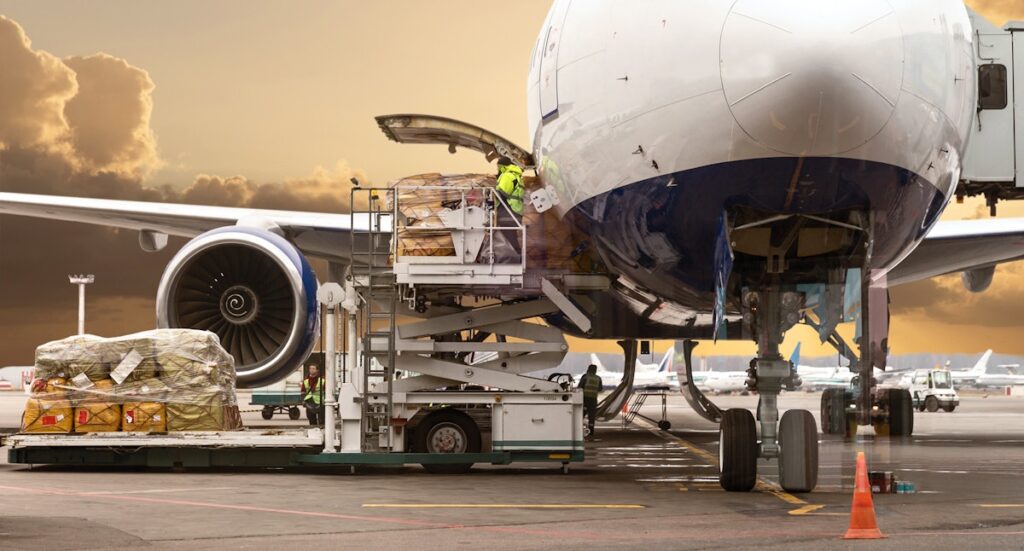
Air freight ensures speed and security but comes with higher expenses. It is ideal for electronics, fashion goods, and medical supplies where delivery deadlines are crucial.
| Weight Bracket | Cost Range | Average Transit |
|---|---|---|
| 0–100 kg | $7–$12 per kg | 5–7 days |
| 100–500 kg | $6–$9 per kg | 6–8 days |
| 500+ kg | $5–$8 per kg | 7–10 days |
Air freight may be expensive, but it reduces warehousing costs by ensuring quick turnaround times.
How Does Rail Freight Compare?
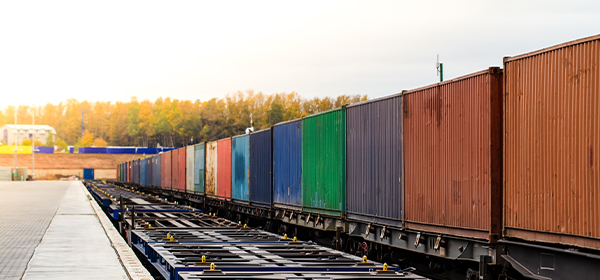
Rail freight, often routed through China to Europe and then into the UK, offers a middle ground. Transit times are shorter than sea freight but longer than air. Costs are also moderate, making it suitable for medium-sized shipments.
However, availability is limited and often subject to geopolitical or transit restrictions. Businesses importing to inland UK cities benefit from rail as it reduces port-related delays.
What Customs Fees and Documents Are Required?

In addition to freight charges, businesses must account for customs duties, VAT, and clearance fees. Proper documentation ensures smoother entry into the UK.
| Document | Purpose |
|---|---|
| Bill of Lading / Airway Bill | Confirms cargo details |
| Commercial Invoice | Declares product value |
| Packing List | Itemizes shipment |
| Import Declaration | Required for customs entry |
| Certificate of Origin | Determines duty rates |
Incorrect paperwork can cause delays, fines, or shipment seizures. Therefore, working with experienced freight forwarders reduces risks.
Why Do Freight Costs from China to UK Fluctuate?
Rates fluctuate due to global trade trends. Peak seasons, port strikes, and container shortages increase demand and raise costs. Similarly, oil price hikes directly impact carrier fuel surcharges.
During 2021–2022, shipping costs tripled as supply chains faced pandemic disruptions. Importers who secured fixed contracts or diversified routes managed to protect their budgets better.
Case Study: Reducing Freight Costs with Hybrid Solutions

A UK clothing retailer importing from Guangzhou faced high air freight bills during seasonal demand. By switching to a hybrid model—air freight for urgent stock and sea freight for bulk orders—they cut logistics expenses by 35%.
This approach ensured stores had fast-moving items available while warehouses stocked bulk inventory. The result was better cost control without sacrificing speed.
Should Businesses Use Freight Forwarders?
Yes. Freight forwarders simplify the entire process. They negotiate better rates, manage customs paperwork, and coordinate with carriers. Additionally, they provide tracking and supply chain visibility.
While direct booking may seem cheaper, forwarders often secure discounts through volume contracts. For SMEs, this translates into both cost savings and reduced risks.
How to Optimize Freight Costs from China to UK?
Businesses can reduce expenses by adopting smart strategies:
- Consolidate shipments to fill containers.
- Book early to avoid peak season surcharges.
- Negotiate contracts with reliable freight forwarders.
- Mix transport methods for flexibility.
- Use bonded warehouses to delay duty payments.
Proactive planning and supply chain visibility are the keys to long-term savings.
Conclusion
The freight costs from China to UK depend on multiple factors: cargo size, shipping method, and customs fees. Sea freight is most cost-effective for bulk imports, while air freight provides speed for urgent deliveries. Express couriers are best for small parcels, and rail freight offers a middle option. By working with reliable freight forwarders, consolidating shipments, and using hybrid logistics strategies, businesses can reduce overall costs and improve delivery schedules. Careful planning ensures importers remain competitive in 2025.
Need a Shipping Quote?
If you want expert guidance and peace of mind, our team is ready to assist.
TJ China Freight offers tailored solutions to help businesses of all sizes ship more reliably from China.

FAQ
Q1:What is the cheapest way to ship from China to UK?
Sea freight via FCL is the cheapest option, costing around $1,600–$3,200 per container. It is ideal for large shipments with flexible delivery schedules.
Q2:How long does sea freight take from China to UK?
Sea freight usually takes 30–40 days, depending on the port of origin and congestion levels. Planning ahead ensures stable supply chain management.
Q3:Can I ship small parcels from China to UK?
Yes, express couriers like DHL or UPS are best for small parcels under 100 kg. They handle customs and deliver door-to-door within 3–6 days.
Q4:Do I need insurance for shipments to the UK?
Insurance is recommended to protect against loss, theft, or damage. Premiums usually cost 0.3%–0.5% of the shipment value, offering peace of mind.
Q5:How do customs duties affect freight costs?
Customs duties and VAT add to the final landed cost. Importers should calculate these alongside freight to avoid underestimating total expenses.