

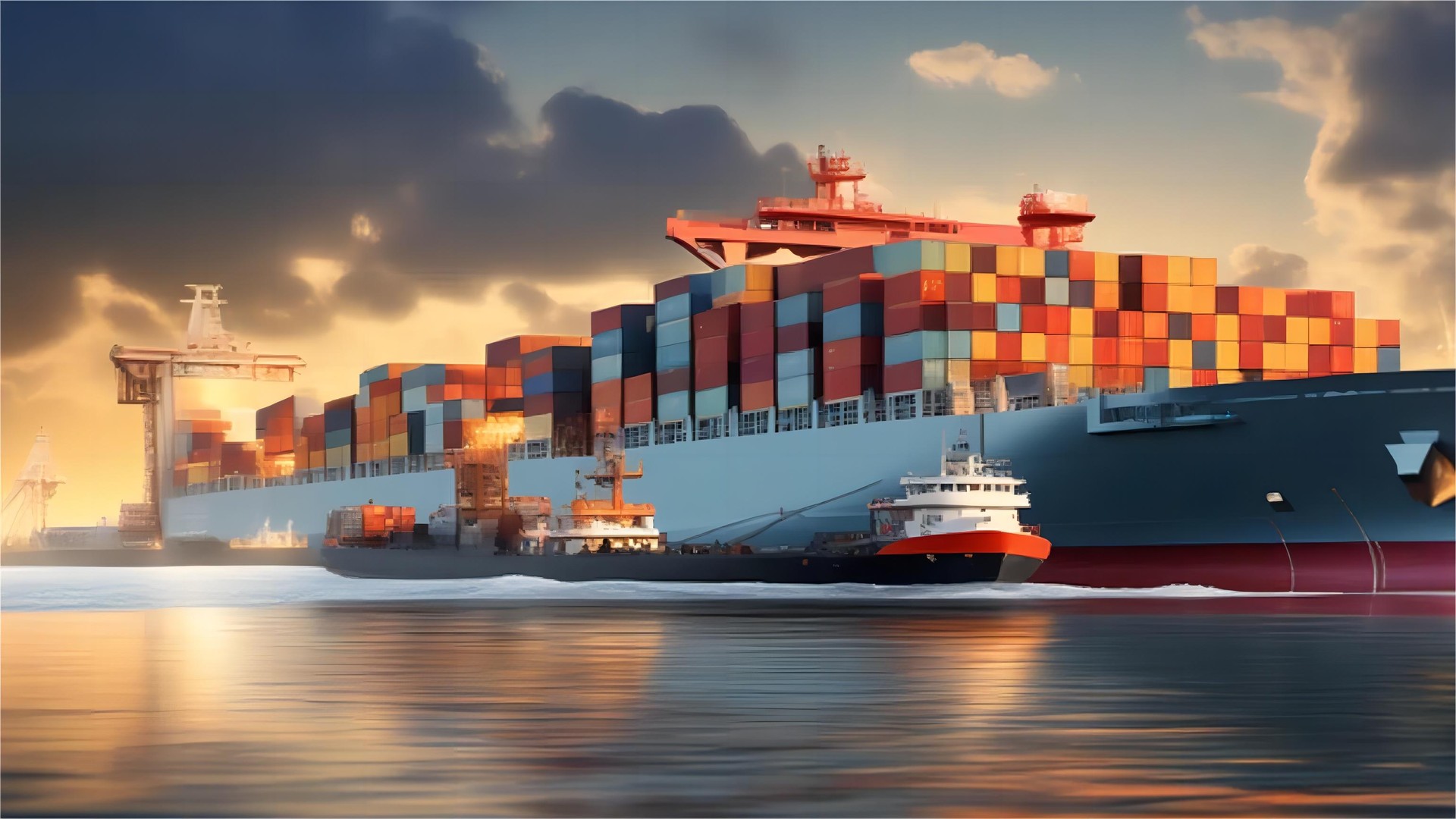
Freight Forwarder China to Brazil: 2026 Shipping Guide and Rates
Navigating international logistics requires a partner who understands the complexities of South American trade routes. If you are searching for a reliable freight forwarder China to Brazil, you have come to the right place to streamline your supply chain operations. This guide provides essential insights into managing your cargo efficiently while avoiding common pitfalls in the Brazilian market. Consequently, you will discover how to optimize your shipping strategy for the year 2026 and beyond.
Why You Need a Professional Freight Forwarder China to Brazil
Managing shipments across such a vast distance involves significant logistical hurdles and complex maritime regulations. Professional logistics providers ensure that your goods move seamlessly through various transit points without unnecessary delays. Furthermore, they act as an essential bridge between Chinese manufacturers and Brazilian importers.
Brazil is known for its intricate tax system and strict customs requirements which can often overwhelm inexperienced shippers. Therefore, hiring an expert ensures that all documentation complies with the latest 2026 regulations. In addition, a dedicated partner helps you secure better freight rates through established carrier relationships.
Effective communication remains a cornerstone of successful international trade between these two economic powerhouses. Moreover, local expertise in both regions allows for proactive problem-solving when port congestion or weather issues arise. As a result, your business maintains its delivery schedule and keeps customers satisfied.
Choosing the right partner means more than just moving boxes from point A to point B. Indeed, it involves strategic planning to minimize costs and maximize efficiency for every single shipment. Consequently, businesses that invest in professional logistics often see a significant improvement in their overall profit margins.

Sea Freight vs. Air Freight for Brazil Shipments
Selecting the appropriate transport mode depends heavily on your budget, cargo volume, and required delivery speed. For large volumes, sea freight remains the most cost-effective solution for long-haul routes. However, it requires careful planning due to the longer transit times involved in crossing the Atlantic.
Air cargo provides an excellent alternative when time is of the essence or for high-value goods. Specifically, air freight can reduce transit times from weeks to just a few days. Nevertheless, the cost per kilogram is significantly higher than ocean transport, making it less suitable for bulky items.
Most businesses find that a balanced approach works best for their inventory management needs. For instance, you might use ocean freight for your main stock and air freight for urgent restocks. Additionally, understanding the weight and volume of your cargo is crucial before making a final decision on the shipping method.
Market data from early 2026 suggests that sea freight rates have stabilized, offering predictable budgeting for importers. On the other hand, air freight capacity continues to expand, providing more flexible scheduling options for time-sensitive electronics and pharmaceuticals. Accordingly, you should evaluate your priorities before booking your next shipment.
| Feature | Sea Freight (FCL/LCL) | Air Freight | Express Service |
|---|---|---|---|
| Transit Time | 30-45 Days | 5-10 Days | 3-5 Days |
| Cost Level | Lowest | High | Highest |
| Ideal Weight | Over 500kg | 100kg – 500kg | Under 100kg |
| Reliability | Moderate | High | Very High |
How Does Sea Freight Compare to Other Shipping Options?
While sea transport is the backbone of China-Brazil trade, other strategies exist for specific scenarios. For very small parcels, express service offers the most convenient door-to-door experience. Furthermore, this method handles most of the customs formalities on behalf of the shipper, saving valuable time.
Hybrid solutions like sea-air combinations are gaining popularity among savvy logistics managers in 2026. These strategies involve shipping by sea to a hub like Panama or the UAE and then flying the goods to Brazil. Consequently, you can achieve a balance between the low cost of ocean freight and the speed of air transport.
Rail freight is not a viable option for this specific route due to the geographic distance and the Atlantic Ocean. Therefore, shippers must focus on optimizing their maritime and aerial routes to ensure efficiency. In contrast, businesses shipping to Europe have more diverse land-based options that are simply not available for South American destinations.
Moreover, choosing between Full Container Load (FCL) and Less than Container Load (LCL) is a critical decision for sea shipments. FCL offers better security and faster handling for large volumes, while LCL allows smaller businesses to share container space and costs. Indeed, the right choice depends on your specific cargo volume and budget constraints.
| Shipping Method | Cost Range (2026) | Transit Time | Best For |
|---|---|---|---|
| Sea FCL (40HQ) | $4,500 – $6,500 | 32-40 Days | Bulk Goods |
| Sea LCL (per CBM) | $120 – $220 | 38-45 Days | Small Batches |
| Air Freight (per kg) | $6.50 – $12.00 | 6-9 Days | Urgent Cargo |
| Express Door-to-Door | $15.00 – $25.00 | 3-6 Days | Samples/Docs |

Understanding Brazil Customs and Import Regulations
Navigating the Brazilian customs landscape requires a deep understanding of local laws and tax structures. Specifically, the ‘Custo Brasil’ refers to the high cost of doing business in the country due to complex bureaucracy. Therefore, partnering with an experienced customs brokerage is essential for avoiding costly fines and cargo seizures.
Importing goods into Brazil involves several taxes, including Import Duty (II), Industrialized Products Tax (IPI), and various social contributions. Additionally, the ICMS tax varies by state, adding another layer of complexity to your landed cost calculations. Consequently, you must ensure all HS codes are classified correctly before the cargo leaves China.
Documentation must be precise, as even small errors in a Bill of Lading or Commercial Invoice can lead to significant delays. For instance, the Brazilian authorities are particularly strict regarding the description of goods and the declaration of values. Meanwhile, having a local fiscal representative can help expedite the clearance process at major ports like Santos or Paranagua.
Furthermore, certain products require special import licenses from agencies such as ANVISA or INMETRO. Without these permits, your cargo may be held indefinitely at the port of entry. As a result, proactive compliance research is the only way to ensure a smooth transition from the ship to your warehouse.
| Document Name | Purpose | Required By | Criticality |
|---|---|---|---|
| Commercial Invoice | Value Declaration | Customs/Tax | Mandatory |
| Packing List | Cargo Details | Port Handling | Mandatory |
| Bill of Lading | Title of Goods | Carrier/Customs | Mandatory |
| Import License | Regulated Goods | ANVISA/INMETRO | Product Specific |
Which Shipping Option Should You Choose?
Your decision should align with your business objectives and the specific nature of your products. If your primary goal is cost reduction and you have flexible deadlines, sea freight is undoubtedly the best choice. On the other hand, if you are launching a new product or meeting an urgent contract, air freight is worth the investment.
Volume thresholds often dictate the most economical path for your logistics strategy. For instance, once your shipment exceeds 15 cubic meters, switching from LCL to a 20GP container usually becomes more cost-effective. Additionally, door to door services provide the highest level of convenience by managing the entire journey.
Consider the fragility and shelf-life of your goods when selecting a transport mode. Perishable items or highly sensitive electronics benefit from the shorter transit times and superior handling found in air transport. In contrast, durable consumer goods and machinery are perfectly suited for the longer journey across the sea.
Ultimately, a professional freight forwarder China to Brazil can provide a tailored quote that accounts for current market fluctuations. By analyzing your specific needs, they can suggest alternative routes or consolidation methods you might not have considered. Therefore, requesting a detailed consultation is the first step toward optimizing your 2026 shipping plan.
Realistic Case Studies: Successful Shipments to Brazil
Case Study 1: Electronics from Shenzhen to Santos. This shipment involved 500 units of high-end consumer electronics packed into a 40HQ container. The route was direct via a major carrier with a total sea transit of 35 days. Despite Q3 peak season pressure, the landed cost remained within budget at $5,200 for ocean freight plus $850 in origin charges. Key Insight: Early booking 3 weeks in advance secured the space and rate.
Case Study 2: Industrial Parts from Ningbo to Paranagua. A small manufacturer required 5 CBM of specialized machinery components delivered via LCL. The shipment was transshipped via Singapore, leading to a total transit time of 42 days. Ocean freight cost was $1,150, with destination charges and customs clearance totaling $950. Key Insight: Accurate HS code classification prevented a potential $2,000 fine at the Brazilian border.
Case Study 3: Fashion Accessories from Guangzhou to Sao Paulo. An urgent seasonal order of 250kg was sent via air freight to meet a holiday deadline. The cargo arrived at Guarulhos International Airport in just 7 days, with a total cost of $2,450 including local delivery. Key Insight: Using a specialized air cargo service avoided the 40-day wait of sea freight, allowing the client to capture market demand.
Final Thoughts on Choosing a Freight Forwarder China to Brazil
Successfully importing goods from China to Brazil requires a combination of strategic planning and local expertise. By understanding the differences between shipping methods and the complexities of customs, you can significantly improve your supply chain efficiency. Remember that the cheapest option is not always the most cost-effective if it leads to delays or fines.
As we move through 2026, staying informed about market trends and regulatory changes remains vital for any international business. Partnering with a professional freight forwarder China to Brazil will provide the support needed to navigate these challenges with confidence. Start optimizing your logistics today to ensure your business thrives in the competitive South American market.
Start Your Shipment
Ready to streamline your logistics and reduce costs? Contact our expert team today to receive a customized quote for your next shipment. As your dedicated freight forwarder China to Brazil, we ensure your cargo arrives safely and on time. Visit our inquiry page to get started: Visit https://Top China Freight.com/
Request Quote