
Freight Forwarder China to Dubai: Your Ultimate Shipping Guide
“Shipping goods from China to Dubai involves a complex web of logistics, regulations, and strategic choices. Businesses seeking efficient and cost-effective solutions often face challenges in navigating these intricate processes. This comprehensive guide aims to simplify your journey, providing essential insights into selecting the right freight forwarder china to dubai, optimizing your supply chain, and ensuring smooth delivery.”

Understanding the China-Dubai Shipping Lane
❖The trade route between China and Dubai is a cornerstone of global commerce, linking Asia’s manufacturing powerhouse with a vital economic hub in the Middle East. Dubai, with its strategic location and advanced infrastructure, serves as a significant gateway for goods entering the wider GCC and African markets.
This critical corridor facilitates a vast array of imports, ranging from electronics and machinery to textiles and consumer goods. Consequently, efficient logistics along this route are paramount for businesses aiming to maintain competitive supply chains and meet market demands effectively.
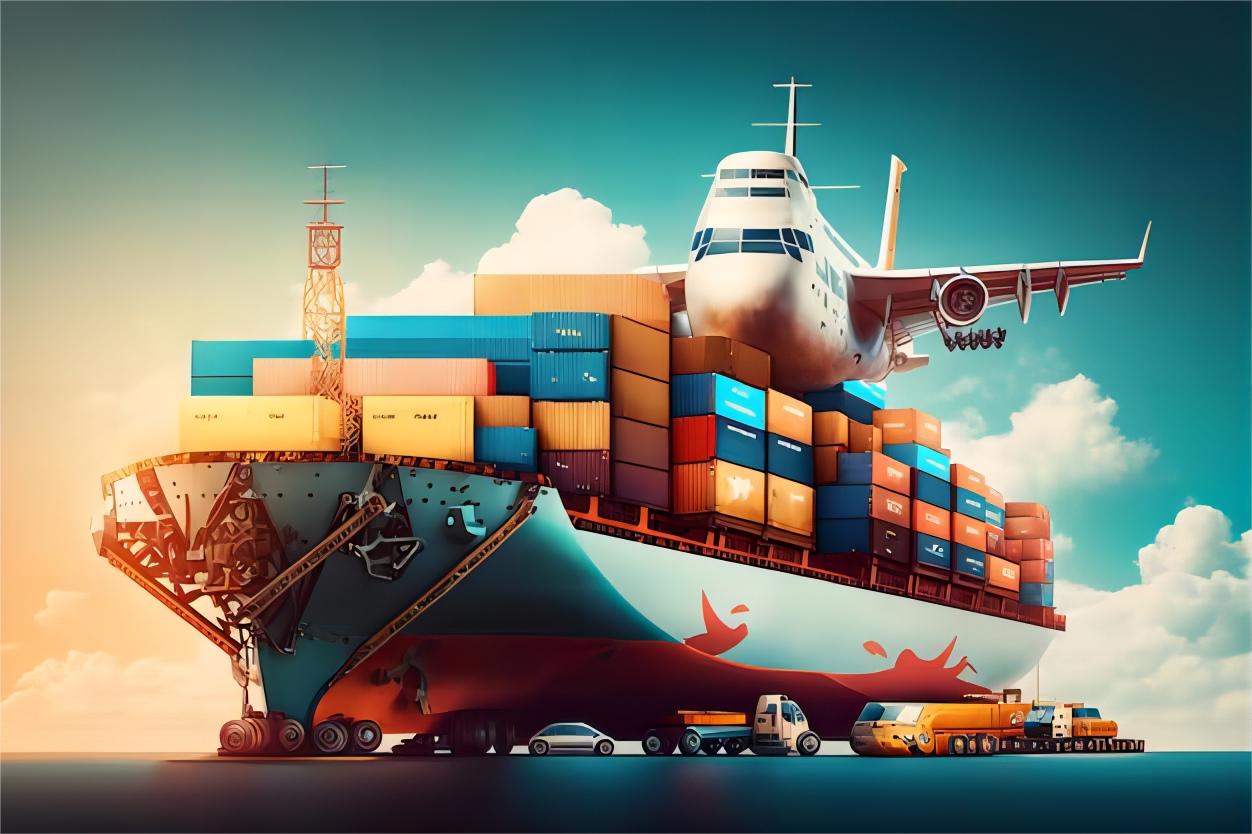
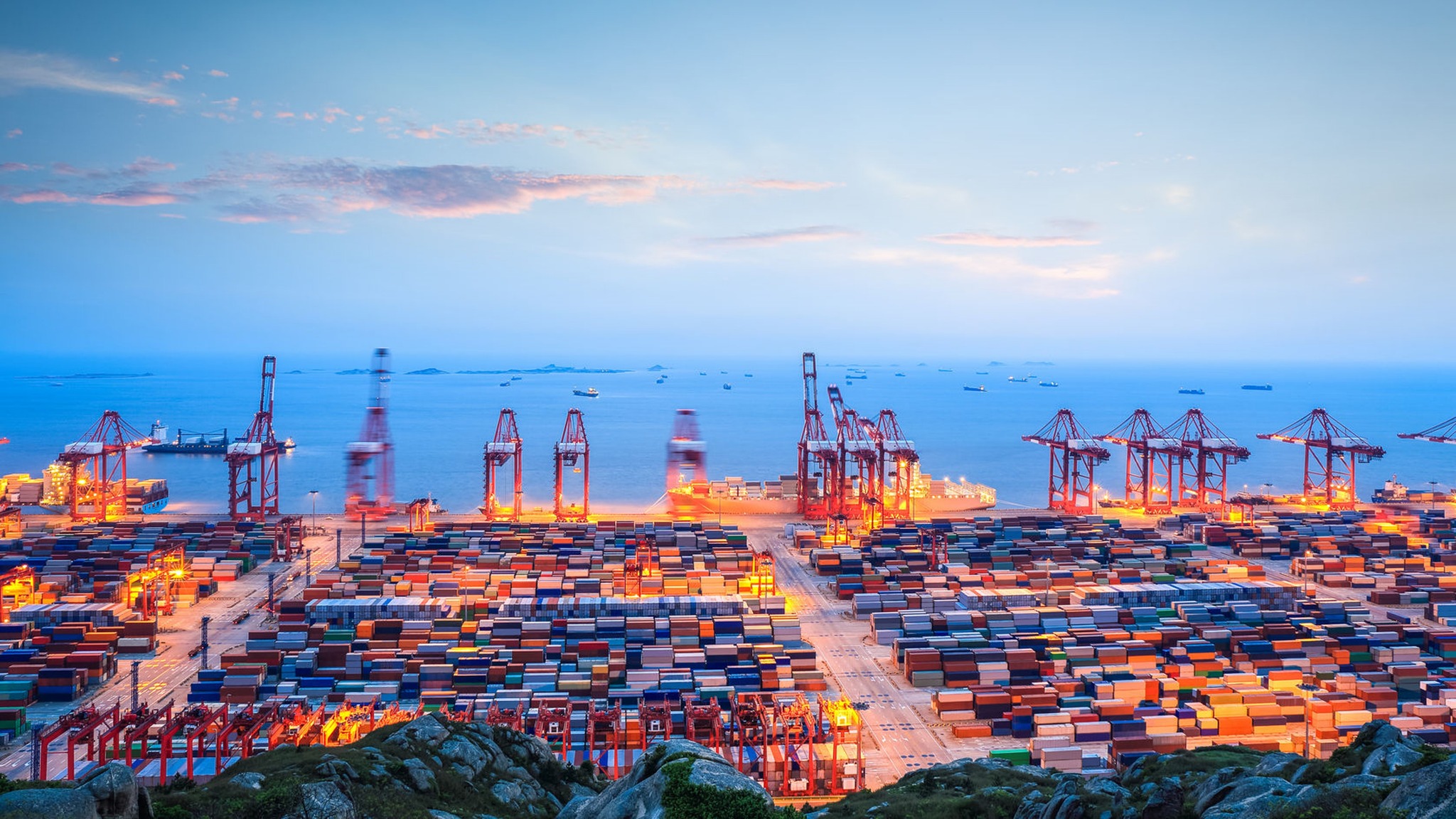
Major Chinese ports like Shanghai, Ningbo, Shenzhen, and Guangzhou are primary points of origin for shipments destined for Dubai. These ports offer extensive connectivity and handle immense volumes of cargo daily. Therefore, selecting the correct departure port often depends on your supplier’s location and specific shipping requirements.
Upon arrival, Jebel Ali Port stands as Dubai’s principal gateway, renowned for its massive capacity and state-of-the-art facilities. This port is one of the busiest in the world, equipped to handle all types of cargo, from full container loads (FCL) to less than container loads (LCL). Its efficiency plays a crucial role in the overall transit time and delivery schedule for goods coming from China.
Furthermore, Dubai International Airport (DXB) and Al Maktoum International Airport (DWC) manage significant volumes of air cargo. These airports provide rapid transit options for time-sensitive or high-value goods, connecting China’s major air freight hubs like Shanghai Pudong (PVG) and Guangzhou Baiyun (CAN) directly to the UAE.
Choosing the Right Shipping Method from China to Dubai
❖Selecting the optimal shipping method is a pivotal decision for any business importing from China to Dubai. This choice directly impacts cost, transit time, and the overall efficiency of your supply chain. Therefore, understanding the nuances of each option is essential.
Your decision should align with your specific cargo characteristics, budget constraints, and urgency requirements. Evaluating these factors carefully ensures that you choose a solution that best fits your business needs. Indeed, a mismatched shipping method can lead to unnecessary expenses or delays.
| Shipping Method | Cost Range (per kg/CBM) | Transit Time | Best For | Limitations |
|---|---|---|---|---|
| Sea Freight (FCL) | $30-60/CBM (volume-dependent) | 15-25 days | Large, heavy, non-urgent goods | Slow, less flexible |
| Sea Freight (LCL) | $50-90/CBM | 20-30 days | Smaller volumes, non-urgent | Longer consolidation time, potential delays |
| Air Freight | $5-10/kg | 3-7 days | Urgent, high-value, perishable goods | Expensive, weight/volume restrictions |
| Express Shipping | $10-25/kg | 2-5 days | Very urgent, small packages/documents | Most expensive, strict size/weight limits |
Sea Freight from China to Dubai
Sea freight remains the most economical option for shipping large volumes of goods. It is particularly suitable for non-urgent, heavy, or bulky cargo. Consequently, businesses often choose this method for inventory replenishment or large-scale project materials.
Typical transit times for sea freight from China to Jebel Ali Port, Dubai, range from 15 to 25 days, depending on the specific origin port and service route. While slower, the cost savings can be substantial, especially for full container loads (FCL).
For smaller shipments, less than container load (LCL) options allow multiple shippers to share space within a single container. This method offers cost efficiencies for businesses that do not have enough cargo to fill an entire container. However, LCL shipments might involve slightly longer transit times due to consolidation and deconsolidation processes at ports.
Air Freight from China to Dubai
When speed is the priority, air freight provides the fastest transit times between China and Dubai. This method is ideal for high-value goods, perishable items, or urgent shipments requiring rapid delivery. Moreover, it significantly reduces inventory holding costs.
Air cargo typically reaches Dubai in 3 to 7 days, offering a stark contrast to sea freight’s longer schedules. While considerably faster, air freight rates are significantly higher, calculated based on chargeable weight (either actual weight or volumetric weight, whichever is greater). Therefore, it is best reserved for critical shipments.
Major airports in China, such as Shanghai Pudong (PVG), Guangzhou Baiyun (CAN), and Beijing Capital (PEK), offer frequent direct and indirect flights to Dubai International (DXB) and Al Maktoum International (DWC). This extensive network ensures flexibility and capacity for various air cargo needs.
Express Shipping for Urgent Deliveries
For extremely time-sensitive documents or small packages, express courier services provide door-to-door delivery within a few days. Companies like DHL, FedEx, and UPS offer premium services that streamline the shipping process. Indeed, these services include customs clearance and direct delivery.
Express shipping from China to Dubai typically takes 2 to 5 business days. Although it is the most expensive option per kilogram, the speed and convenience can be invaluable for urgent samples, prototypes, or critical spare parts. Many businesses utilize express service for its unparalleled efficiency and tracking capabilities.
Key Factors Influencing Shipping Costs from China to Dubai
❖Understanding the various components that make up your total shipping cost is crucial for effective budgeting and financial planning. Freight rates are not static; they fluctuate based on numerous variables. Consequently, a comprehensive breakdown helps in making informed decisions.
Many factors contribute to the final landed cost of your goods. These include not only the basic freight charges but also a range of ancillary fees and surcharges. Therefore, obtaining a detailed quote from your freight forwarder china to dubai is always recommended.
Freight Rates Explained
The base freight rate covers the transportation of your goods from the origin port or airport to the destination. For sea freight, rates are typically quoted per container (FCL) or per cubic meter (CBM) for LCL shipments. Air freight rates are based on chargeable weight, which is the greater of actual weight or volumetric weight.
These rates are influenced by current market demand, fuel prices, and carrier capacity. During peak seasons, such as before Chinese New Year or in Q4, rates can increase significantly due to higher demand and limited space. Hence, planning your shipments strategically can lead to cost savings.
Additional Charges and Surcharges
Beyond the base freight, several surcharges commonly apply. Origin charges include terminal handling charges (THC), documentation fees, and customs declaration fees in China. Similarly, destination charges in Dubai encompass THC, delivery order fees, and potentially storage fees if cargo is not cleared promptly.
Other common surcharges include Bunker Adjustment Factor (BAF) for sea freight, which accounts for fuel price fluctuations, and Peak Season Surcharge (PSS). Security surcharges and war risk surcharges might also apply depending on geopolitical situations. Therefore, always inquire about all potential charges upfront.
Cost-Saving Strategies
To minimize shipping expenses, consider consolidating multiple smaller shipments into a larger LCL or even FCL. This approach often reduces the per-unit cost. Furthermore, opting for slower sea freight over air freight for non-urgent items provides significant savings.
Negotiating with your freight forwarder china to dubai for better rates based on volume or long-term contracts can also yield benefits. Planning shipments outside of peak seasons when rates are generally lower is another effective strategy. Additionally, optimizing packaging to reduce volumetric weight helps in air freight.
Navigating Customs and Documentation for China-Dubai Shipments
❖Efficient customs clearance is a critical aspect of international shipping, preventing delays and ensuring compliance. Both Chinese export customs and UAE import customs have specific requirements that must be met. Consequently, accurate and complete documentation is non-negotiable.
A thorough understanding of the necessary paperwork and procedures streamlines the entire process. Any discrepancies or missing documents can lead to significant delays, penalties, and increased costs. Therefore, careful preparation is paramount for successful importation.
Essential Documents for China-Dubai Shipments
The core documents required for shipping from China to Dubai typically include a Commercial Invoice, Packing List, Bill of Lading (for sea freight) or Air Waybill (for air freight), and a Certificate of Origin. These documents provide crucial information about the goods, shipper, consignee, and transportation details.
Depending on the type of goods, additional permits or certificates may be necessary. For example, health certificates for food products, safety certificates for electronics, or specific licenses for certain chemicals. Consequently, verifying product-specific requirements well in advance is vital for smooth customs processing.
Ensuring that all details on these documents are accurate and consistent is extremely important. Mismatches between the commercial invoice and packing list, for instance, can trigger inspections and delays. Therefore, meticulous attention to detail prevents potential issues at the border.
Customs Clearance Process in Dubai
Upon arrival in Dubai, goods undergo an import customs clearance process managed by Dubai Customs. The consignee or their appointed customs brokerage agent submits the required documents electronically. This submission initiates the review and assessment phase.
After document verification, customs officials may conduct physical inspections of the cargo. Once cleared, applicable duties and taxes are paid, and a release order is issued. This process can be complex, so engaging an experienced customs broker is highly advisable to navigate the local regulations efficiently.
Understanding the customs valuation methods and tariff classifications is also crucial. Incorrect classification can lead to overpayment of duties or, conversely, penalties for under-declaration. Therefore, expert guidance ensures compliance and cost-effectiveness.
Import Duties and Taxes
The UAE imposes import duties on most goods, typically ranging from 0% to 5%. However, certain categories, like tobacco and alcohol, attract much higher rates. Additionally, a 5% Value Added Tax (VAT) applies to most imported goods.
Businesses should factor these duties and taxes into their overall landed cost calculations. Certain free zones in Dubai offer duty exemptions for goods re-exported or processed within the free zone, providing strategic advantages. Therefore, exploring these options can optimize financial outcomes.
| Document Type | Purpose | Issuing Party | Key Details |
|---|---|---|---|
| Commercial Invoice | Proof of sale, customs valuation | Exporter | Product description, quantity, value, Incoterms |
| Packing List | Details of cargo contents | Exporter | Itemized list, weight, dimensions, packaging details |
| Bill of Lading (B/L) | Contract of carriage (sea) | Carrier/Forwarder | Shipper, consignee, notify party, port of origin/destination, cargo description |
| Air Waybill (AWB) | Contract of carriage (air) | Airline/Forwarder | Shipper, consignee, airport of origin/destination, cargo description |
| Certificate of Origin | Proves country of manufacture | Chamber of Commerce | Origin country, exporter, importer, product details |
| Customs Declaration Form | Formal declaration to customs | Importer/Broker | HS codes, value, duties, taxes |
Selecting a Reliable Freight Forwarder China to Dubai
❖Partnering with an experienced freight forwarder is perhaps the most critical decision for successful international shipping. A competent freight forwarder china to dubai acts as your logistics arm, navigating complexities and ensuring smooth delivery. Consequently, their expertise can save you time, money, and considerable stress.
Indeed, the right forwarder offers more than just transportation; they provide comprehensive solutions tailored to your unique business needs. Their network and knowledge are invaluable assets in the intricate world of global logistics. Therefore, choosing wisely is paramount.
What to Look For in a Forwarder
Look for a forwarder with proven experience on the China-Dubai route. Their track record and specific knowledge of local regulations, customs procedures, and port operations are vital. Additionally, evaluate their network of agents and carriers, as this directly impacts service quality and reliability.
Transparent pricing and clear communication are also non-negotiable. A reputable forwarder provides detailed quotes, explaining all charges and surcharges. Furthermore, they keep you informed about your shipment’s status at every stage, offering real-time tracking and proactive updates.
Consider their customer service responsiveness and problem-solving capabilities. In logistics, unforeseen issues can arise, so having a partner who can quickly and effectively resolve challenges is essential. Ultimately, a strong relationship built on trust and efficiency is key.
Benefits of a Door-to-Door Service
A door-to-door service simplifies the entire shipping process by handling every aspect from your supplier’s factory in China to your warehouse in Dubai. This comprehensive solution includes pickup, export customs, main transportation, import customs, and final delivery. Consequently, it minimizes your administrative burden.
This service offers unparalleled convenience, allowing you to focus on your core business operations. It also provides a single point of contact and accountability, significantly reducing coordination efforts. Moreover, a single invoice covers all costs, making budgeting more straightforward and predictable.
For businesses without in-house logistics expertise, door-to-door services are particularly beneficial. They eliminate the need to manage multiple vendors and interfaces, ensuring a seamless and efficient supply chain. Therefore, it is an excellent option for optimizing efficiency and reducing complexity.
Value-Added Services
Beyond basic transportation, many freight forwarders offer a range of value-added services. These can include cargo insurance, warehousing, consolidation, and distribution. Cargo insurance provides financial protection against loss or damage during transit, offering peace of mind.
Consolidation services are particularly useful for buyers sourcing from multiple suppliers across China. The forwarder can collect goods from various vendors and combine them into a single shipment. This approach often reduces overall shipping costs and simplifies logistics management. Furthermore, they can assist with Amazon FBA preparation for e-commerce sellers.
Some forwarders also provide quality control checks at the origin, ensuring goods meet specifications before shipment. This proactive measure can prevent costly returns and enhance product integrity. Therefore, leveraging these additional services can significantly enhance your supply chain’s robustness.
Optimizing Transit Times and Delivery Schedules
❖Managing transit times effectively is vital for inventory control, production planning, and meeting customer expectations. Delays can lead to stockouts, missed sales opportunities, and damaged business reputation. Therefore, understanding and optimizing your delivery schedule is crucial.
Several factors can influence how long it takes for your goods to travel from China to Dubai. Proactive planning and communication with your freight forwarder are key to mitigating potential delays. Indeed, an informed approach helps maintain a smooth operational flow.
Typical Transit Times by Method
As previously discussed, sea freight generally takes 15-25 days from major Chinese ports to Jebel Ali, Dubai. This duration can vary based on the specific vessel schedule, direct vs. transshipment routes, and port congestion. LCL shipments might add a few extra days for consolidation.
Air freight offers significantly faster transit, typically 3-7 days from airport to airport. This includes flight time and minimal ground handling. Express courier services are even quicker, often delivering within 2-5 days door-to-door. These options cater to different levels of urgency and cost tolerance.
It is important to note that these are estimated transit times for the main leg of the journey. The total door-to-door time will also include pickup, export customs clearance, import customs clearance, and local delivery. Therefore, budgeting additional time for these processes is always recommended.
Factors Affecting Delivery Speed
Beyond the chosen shipping method, numerous elements can impact your delivery schedule. Port congestion, especially during peak seasons or unforeseen events, can cause significant delays for sea freight. Similarly, flight delays or cancellations can affect air cargo schedules.
Customs clearance efficiency plays a major role. Incomplete or incorrect documentation will inevitably lead to hold-ups at both origin and destination. Weather conditions, such as typhoons or heavy fog, can also disrupt shipping lanes and flight paths, causing unavoidable postponements. Therefore, building buffer time into your schedule is a wise practice.
Planning for Peak Seasons
Peak shipping seasons, such as before Chinese New Year (January-February) and during the global holiday shopping rush (August-October), often lead to increased demand and reduced capacity. During these periods, transit times can extend, and freight rates typically increase by 10-25%.
To mitigate these challenges, businesses should plan their shipments well in advance during peak times. Booking space early, if possible, can help secure capacity and avoid last-minute rate hikes. Moreover, consider adjusting inventory levels to account for potential delays. This proactive approach ensures continuity of supply.
Real-World Shipping Scenarios: Case Studies
❖Examining actual shipping scenarios provides valuable insights into the practical application of different logistics strategies. These case studies illustrate how various factors, from cargo type to urgency, influence the choice of shipping method and overall outcomes. Therefore, learning from these examples can inform your own shipping decisions.
These examples highlight the importance of meticulous planning and the role of a proficient freight forwarder. Each scenario presents unique challenges and solutions, demonstrating the dynamic nature of international logistics. Consequently, understanding these real-world applications enhances your readiness for importing from China to Dubai.
Case Study 1: Large Volume Sea Freight for Retail Goods
A Dubai-based retailer needed to import a large consignment of consumer electronics for their upcoming Q4 sales season. The goods were manufactured in Shenzhen, China, and required cost-effective transportation for bulk quantities. Speed was less critical than cost efficiency.
| Detail | Description |
|---|---|
| Route | Shenzhen, China -> Jebel Ali, Dubai |
| Cargo | Consumer Electronics (various), 55 CBM, 15,000 kg |
| Container | 1 x 40HQ |
| Shipping Details | |
| – Carrier/Service | Major carrier (e.g., COSCO) |
| – Port of Loading | Yantian, Shenzhen |
| – Port of Discharge | Jebel Ali Port |
| – Route Type | Direct service |
| Cost Breakdown (Based on Q4 2024 rates) | |
| – Ocean Freight | $3,200 |
| – Origin Charges (THC, documentation) | $350 |
| – Destination Charges | $400 |
| – Customs & Duties (estimated) | $500 (5% duty + 5% VAT on value) |
| – Total Landed Cost (FOB value $50,000) | $4,450 (excluding product cost) |
| Timeline | |
| – Booking to Loading | 5 days |
| – Sea Transit | 18 days |
| – Customs Clearance | 3 days |
| – Total Door-to-Door | 26 days |
| Key Insight | Opting for FCL sea freight ensured significant cost savings per unit for bulk goods, aligning with the retailer’s budget for seasonal inventory. Proactive booking minimized peak season surcharges. |
Case Study 2: Time-Sensitive Air Cargo for Industrial Parts
An industrial firm in Dubai required urgent replacement parts for machinery that had unexpectedly broken down. The parts were specialized and manufactured in Chengdu, China. Rapid delivery was paramount to minimize production downtime.
| Detail | Description |
|---|---|
| Route | Chengdu, China -> Dubai International Airport (DXB) |
| Cargo | Machinery Spare Parts, 1.5 CBM, 250 kg |
| Container | Air Cargo (General) |
| Shipping Details | |
| – Carrier/Service | Major airline cargo (e.g., Emirates SkyCargo) |
| – Port of Loading | Chengdu Shuangliu (CTU) |
| – Port of Discharge | Dubai International (DXB) |
| – Route Type | Direct flight (with potential layover) |
| Cost Breakdown (Based on Q1 2025 rates) | |
| – Air Freight | $1,875 (7.5/kg chargeable weight) |
| – Origin Charges (handling, documentation) | $150 |
| – Destination Charges | $100 |
| – Customs & Duties (estimated) | $120 (5% duty + 5% VAT on value) |
| – Total Landed Cost (FOB value $10,000) | $2,245 (excluding product cost) |
| Timeline | |
| – Booking to Loading | 1 day |
| – Air Transit | 2 days |
| – Customs Clearance | 1 day |
| – Total Door-to-Door | 4 days |
| Key Insight | Air freight, despite its higher cost, was the optimal choice for urgent parts, significantly reducing machinery downtime. A dedicated customs brokerage ensured rapid clearance. |
Case Study 3: E-commerce LCL Shipment for Fashion Accessories
An online boutique in Dubai regularly imports smaller batches of fashion accessories from multiple suppliers in Guangzhou, China. They needed a cost-effective solution for frequent, smaller volume shipments without committing to full containers.
| Detail | Description |
|---|---|
| Route | Guangzhou, China -> Jebel Ali, Dubai |
| Cargo | Fashion Accessories, 8 CBM, 1,200 kg (from 3 suppliers) |
| Container | LCL (Less than Container Load) |
| Shipping Details | |
| – Carrier/Service | Consolidator service |
| – Port of Loading | Nansha, Guangzhou |
| – Port of Discharge | Jebel Ali Port |
| – Route Type | Consolidated service |
| Cost Breakdown (Typical rates as of early 2025) | |
| – Ocean Freight | $640 (8 CBM @ $80/CBM) |
| – Origin Charges (pickup, consolidation, documentation) | $450 |
| – Destination Charges (deconsolidation, delivery order) | $300 |
| – Customs & Duties (estimated) | $250 (5% duty + 5% VAT on value) |
| – Total Landed Cost (FOB value $5,000) | $1,640 (excluding product cost) |
| Timeline | |
| – Booking to Loading | 7 days (for consolidation) |
| – Sea Transit | 20 days |
| – Customs Clearance | 4 days |
| – Total Door-to-Door | 31 days |
| Key Insight | LCL sea freight with consolidation proved cost-efficient for multiple smaller orders, allowing the boutique to manage inventory without overstocking. A reliable door-to-door service simplified logistics. |
Market Insights and Future Trends
❖The global logistics landscape is constantly evolving, with various factors influencing freight rates and service availability. Staying informed about market conditions and emerging trends is crucial for businesses importing from China to Dubai. Consequently, proactive adaptation can provide a competitive edge.
As of early 2025, freight rates from major Chinese ports to Jebel Ali, Dubai, have shown relative stability after the dynamic shifts of late 2023 and early 2024. While the Red Sea disruptions primarily impacted Europe-bound traffic, they indirectly influenced global vessel allocation and pricing. Therefore, vigilance regarding geopolitical developments remains essential.
Current Market Conditions (Q1 2025)
Global supply chain resilience has improved, yet localized disruptions can still cause volatility. Demand for shipping remains robust, especially for consumer goods destined for the Middle East. Capacity on the China-Dubai route is generally sufficient, but peak periods still exert pressure.
Fuel prices, while more stable than in previous years, continue to be a significant cost component, reflected in BAF surcharges. Furthermore, geopolitical tensions in various regions can lead to rerouting or increased insurance premiums, impacting overall costs. Therefore, continuous monitoring of these factors is advised.
Impact of Geopolitical Factors
Geopolitical events, such as regional conflicts or trade policy changes, can have profound effects on shipping routes and costs. For instance, any escalation in the Middle East could directly impact vessel movements through key waterways, leading to longer transit times and higher operational expenses. Consequently, businesses must build flexibility into their supply chain strategies.
Trade agreements and tariffs between China and the UAE, or broader international policies, also influence import duties and regulations. Keeping abreast of these policy shifts helps businesses anticipate changes in compliance requirements and associated costs. Therefore, a proactive approach to risk management is indispensable.
Technological Advancements in Logistics
Technology is transforming the freight forwarding industry, offering greater transparency, efficiency, and predictability. Digital platforms for booking, tracking, and documentation are becoming standard, streamlining operations. Furthermore, AI and machine learning are being used for predictive analytics, optimizing routes and forecasting demand.
Blockchain technology is also gaining traction for enhanced supply chain visibility and security. These innovations allow freight forwarders to offer more sophisticated services, improving communication and reducing human error. Consequently, partnering with a technologically advanced forwarder can provide a significant advantage.
Which Option Should You Choose? A Decision Framework
❖Making the right shipping decision for your goods from China to Dubai involves weighing multiple priorities. There is no single ‘best’ method; rather, the optimal choice depends entirely on your specific business context. Therefore, a structured decision framework can guide you effectively.
Consider your budget, time constraints, cargo characteristics, and risk tolerance. Each factor plays a crucial role in determining the most suitable logistics solution. Indeed, aligning your choice with these key considerations ensures operational efficiency and cost-effectiveness.
Budget Priority
If minimizing costs is your primary concern and you have ample lead time, sea freight, particularly LCL or FCL depending on volume, is the most economical option. It offers the lowest per-unit cost for bulk goods. Consequently, it is ideal for inventory replenishment and non-urgent products.
For smaller volumes where cost is still a concern, LCL sea freight provides a good balance between affordability and capacity. However, be mindful of potential longer transit times due to consolidation. Therefore, planning ahead is crucial for budget-conscious decisions.
Speed Priority
When time is of the essence and delays are costly, air freight or express shipping are the clear choices. Air freight suits urgent, high-value, or time-sensitive goods that require delivery within days. For extremely critical documents or small packages, express courier services offer unparalleled speed.
While these methods are significantly more expensive, the benefits of rapid delivery, such as reduced downtime or meeting critical deadlines, often outweigh the higher costs. Therefore, for time-critical shipments, investing in faster transport is a strategic decision.
Cargo Type Considerations
The nature of your cargo heavily influences the appropriate shipping method. Perishable goods, such as certain foods or pharmaceuticals, require air freight with temperature-controlled environments. Fragile or high-value items may also benefit from air freight’s quicker handling and reduced exposure to transit risks.
Conversely, heavy, bulky, or low-value goods are best suited for sea freight. Items that are not easily damaged and can withstand longer transit times are ideal candidates for ocean shipping. Therefore, matching the shipping method to your cargo’s specific requirements is paramount for its safe arrival.
Volume Thresholds for Switching Methods
For sea freight, the decision between LCL and FCL often comes down to volume. Generally, if your shipment exceeds 15-20 CBM, booking a full 20-foot container (FCL) becomes more cost-effective than LCL. A 40-foot container is usually more economical for volumes above 30 CBM.
For air freight, volume is also critical. While typically priced by weight, larger, lighter packages can incur charges based on volumetric weight. Therefore, understanding your cargo’s dimensions and weight helps determine the most cost-efficient method and packaging strategy. Consulting your freight forwarder provides accurate calculations.

Seamless Shipping: Your Partner for Freight Forwarder China to Dubai
Navigating the complexities of international shipping from China to Dubai requires strategic planning and reliable partnerships. By understanding the various shipping methods, cost drivers, and customs requirements, businesses can optimize their supply chain for efficiency and cost-effectiveness.
Choosing the right freight forwarder china to dubai is paramount to success. A professional forwarder provides invaluable expertise, streamlines processes, and mitigates potential risks, ensuring your goods reach their destination smoothly and on schedule. Ultimately, informed decisions lead to successful imports.
Ready to streamline your logistics?
Ready to streamline your shipping from China to Dubai? Partner with a trusted freight forwarder who understands the intricacies of this vital trade route. Contact us today for a personalized quote and expert guidance on your next shipment.
Request Quote