
Freight Forwarder China to Japan: Your Ultimate Shipping Guide
Navigating international shipping can be a complex challenge, especially when moving goods from China to Japan. Businesses often face hurdles like customs regulations, varying transit times, and fluctuating freight costs. This comprehensive guide aims to demystify the process, offering clear insights into efficient and reliable shipping solutions. For expert assistance with your logistics needs, visit Top China Freight.
Why Partner with a Dedicated Freight Forwarder for China to Japan?
Shipping goods from China to Japan requires specialized knowledge and meticulous planning. A professional freight forwarder acts as your logistics partner, streamlining the entire process. Consequently, they help businesses overcome common challenges such as navigating complex customs procedures and optimizing delivery schedules.
Furthermore, a reliable freight forwarder offers invaluable expertise in route optimization and carrier selection. This ensures your cargo reaches its destination efficiently and cost-effectively. Indeed, their network and experience can significantly reduce potential delays and unforeseen expenses, protecting your supply chain integrity.
Key Shipping Methods from China to Japan
When planning your shipment, understanding the various transportation options is crucial. Each method offers distinct advantages regarding cost, speed, and capacity. Therefore, selecting the right mode depends heavily on your specific business requirements and cargo characteristics.
Moreover, market conditions and seasonal demand can influence the availability and pricing of these services. Always consider these factors when making your decision. For example, peak seasons often lead to higher freight rates and longer transit times.
Sea Freight: Cost-Effective Solutions
Undoubtedly, sea freight remains the most economical option for bulk cargo. It is ideal for large, non-urgent shipments where cost efficiency is a top priority. Vessels typically sail from major Chinese ports like Shanghai, Ningbo, and Shenzhen to Japanese ports such as Tokyo, Osaka, and Yokohama.
Additionally, sea freight offers flexibility with both Full Container Load (FCL) and Less than Container Load (LCL) options. FCL provides exclusive use of a container, while LCL allows you to share space, reducing costs for smaller volumes. Transit time for sea freight from China to Japan generally ranges from 3 to 7 days port-to-port, varying by origin and destination.
Air Freight: Speed and Efficiency
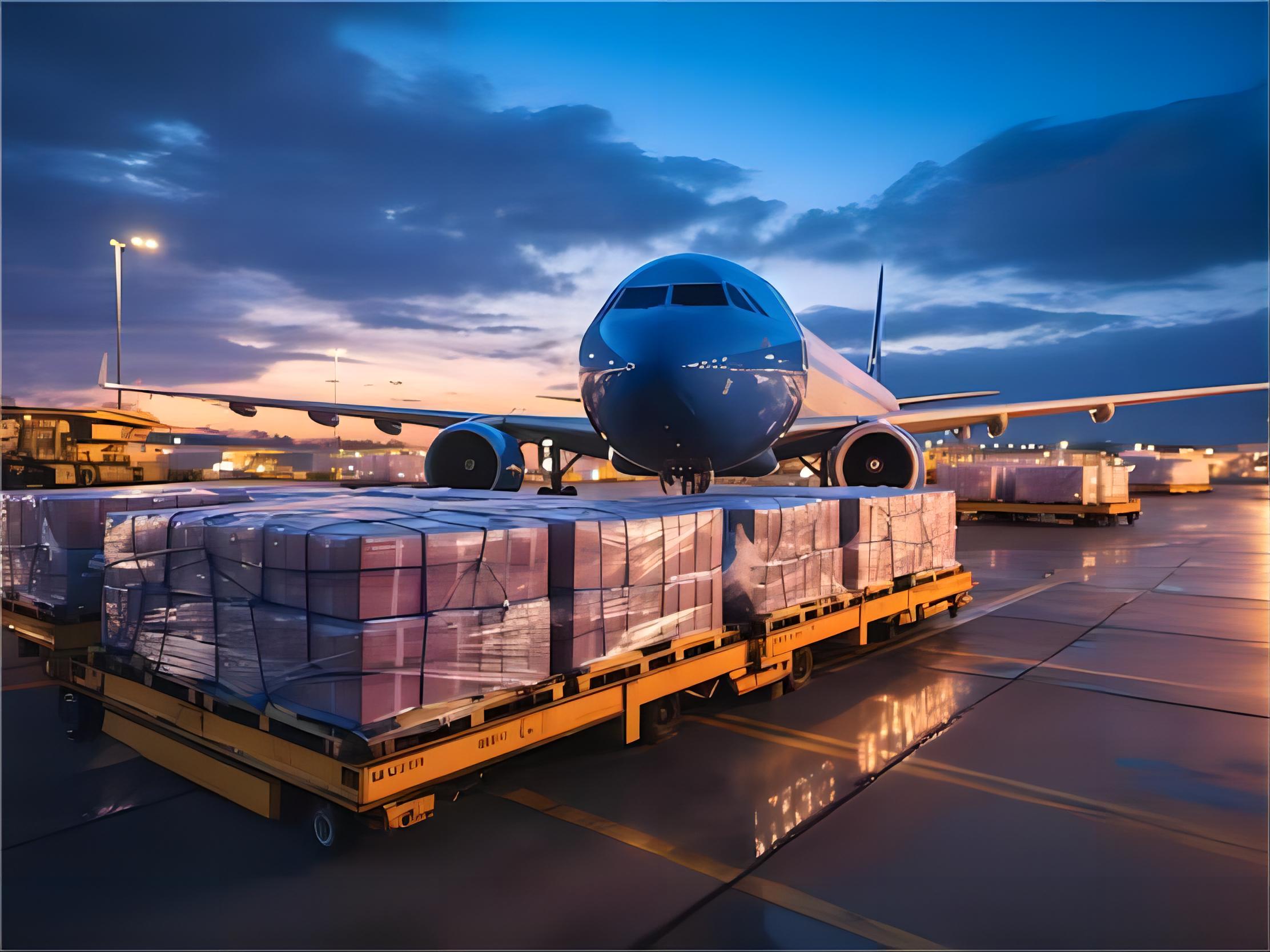
For time-sensitive or high-value goods, air freight provides unparalleled speed. This method significantly reduces transit times, making it suitable for urgent deliveries or products with short shelf lives. Major airports in China, including Shanghai Pudong (PVG) and Guangzhou Baiyun (CAN), connect swiftly to Japanese hubs like Narita (NRT) and Kansai (KIX).
However, air freight is considerably more expensive than sea freight. Consequently, businesses often reserve it for critical components, samples, or high-margin products. Typical transit times for air cargo from China to Japan are usually 1 to 3 days airport-to-airport, including customs processing.
Express Service: Door-to-Door Convenience
When speed and convenience are paramount for smaller parcels or documents, express service is the preferred choice. This premium option offers rapid door-to-door delivery, often including customs clearance. Reputable carriers provide comprehensive tracking and reliable service.
While more costly per kilogram than standard air freight, express services deliver exceptional value for urgent, smaller consignments. Moreover, they simplify the shipping process by handling all logistical details from pickup to final delivery. Transit times can be as quick as 1-2 business days for most major cities.
How Does Shipping Method Impact Cost and Transit Time?
The choice of shipping method directly influences both the overall cost and the delivery timeline. Therefore, a careful assessment of your budget and urgency is essential. This section outlines a comparison to help you make informed decisions.
For instance, while sea freight offers the lowest cost, it demands the longest transit time. Conversely, air freight prioritizes speed at a higher price point. Understanding these trade-offs is key to effective logistics planning.
| Shipping Method | Cost Range (per kg/CBM) | Typical Transit Time (Port/Airport-to-Port/Airport) | Best For | Limitations |
|---|---|---|---|---|
| Sea Freight (LCL) | $30-60/CBM | 3-7 days | Bulky, non-urgent goods, cost-saving | Slow, potential for delays |
| Sea Freight (FCL) | $500-1200/container | 3-7 days | Large volume, dedicated container, cost-effective | Slow, requires full container volume |
| Air Freight | $2-5/kg | 1-3 days | Time-sensitive, high-value, urgent shipments | High cost, weight/volume restrictions |
| Express Service | $5-10/kg | 1-2 days | Small, urgent parcels, documents, samples | Highest cost, strict size/weight limits |
Navigating Customs and Documentation for China-Japan Routes
Customs clearance is a critical step in international shipping and can be a significant bottleneck if not handled correctly. Both China and Japan have specific import and export regulations that must be adhered to. Consequently, proper documentation is essential to avoid delays and penalties.
Key documents typically include the commercial invoice, packing list, bill of lading (for sea freight) or air waybill (for air freight), and certificates of origin. Moreover, certain goods may require specific licenses or permits, such as those related to electronics, food, or medical devices. A skilled customs brokerage service can manage these complexities on your behalf.
It is important to note that Japan imposes duties and taxes on imported goods. These are calculated based on the Harmonized System (HS) code of the product and its declared value. Therefore, accurate classification and valuation are vital for smooth customs processing. Staying informed about the latest regulations helps ensure compliance and efficient transit.
Optimizing Your Supply Chain: Value-Added Services
Beyond basic transportation, many freight forwarders offer a range of value-added services designed to enhance your supply chain efficiency. These services can streamline operations, reduce handling, and ultimately save time and money. Thus, consider how these offerings can benefit your business model.
From warehousing to specialized handling, these services ensure that your cargo is managed effectively throughout its journey. Furthermore, integrating these options can create a more seamless and resilient logistics strategy.
Amazon FBA Shipping Solutions
For e-commerce businesses utilizing Amazon’s fulfillment network, specialized Amazon FBA shipping services are invaluable. These services manage the entire process from your supplier in China directly to Amazon’s fulfillment centers in Japan. This includes labeling, packaging, and appointment scheduling.
Moreover, an experienced freight forwarder understands Amazon’s strict requirements, preventing costly errors and delays. They ensure compliance with all FBA guidelines, facilitating a smooth and efficient inventory replenishment process. This allows sellers to focus on sales and marketing rather than logistical complexities.
Door-to-Door Delivery
The ultimate convenience in shipping is door-to-door service. This comprehensive solution handles every aspect of the shipment, from pickup at the origin in China to final delivery at your specified address in Japan. It includes transportation, customs clearance, and local delivery.
This service minimizes your involvement in the logistics process, offering peace of mind and reducing administrative burden. Consequently, it is particularly beneficial for businesses that lack in-house logistics expertise or prefer a hassle-free shipping experience. The freight forwarder manages all intermediaries, providing a single point of contact.
Real-World Shipments: Case Studies from China to Japan
Examining actual shipping scenarios can provide practical insights into how different methods and services work. These case studies illustrate the diverse needs of businesses and the tailored solutions available. Moreover, they highlight the critical factors that influence shipping decisions.
Based on Q3 2024 market rates, these examples offer a realistic perspective on costs and transit times. Note that freight rates are subject to change based on fuel costs, carrier capacity, and seasonal demand. Always contact us for a current quote tailored to your specific shipment.
Case Study 1: LCL Sea Freight for Retail Merchandise
| Detail | Value |
|---|---|
| Route | Shanghai, China -> Tokyo, Japan |
| Cargo | Fashion Apparel, 8 CBM, 1200 kg |
| Container | LCL 8 CBM |
| Shipping Details: | |
| – Carrier/Service | Major LCL consolidator |
| – Port of Loading | Shanghai |
| – Port of Discharge | Tokyo |
| – Route Type | Direct |
| Cost Breakdown: | |
| – Ocean Freight | $380 |
| – Origin Charges (THC, documentation) | $150 |
| – Destination Charges | $250 |
| – Customs & Duties (estimated) | $100 |
| – Total Landed Cost | $880 |
| Timeline: | |
| – Booking to Loading | 3 days |
| – Sea Transit | 5 days |
| – Customs Clearance | 2 days |
| – Total Door-to-Door | 10 days (including local delivery) |
| Key Insight | Ideal for smaller, regular shipments; cost-effective for retail inventory. Seasonal variations in Q4 can slightly extend transit. |
Case Study 2: FCL Sea Freight for Industrial Equipment
| Detail | Value |
|---|---|
| Route | Ningbo, China -> Osaka, Japan |
| Cargo | Manufacturing Machinery, 25 CBM, 8000 kg |
| Container | 1 x 20GP |
| Shipping Details: | |
| – Carrier/Service | COSCO |
| – Port of Loading | Ningbo |
| – Port of Discharge | Osaka |
| – Route Type | Direct |
| Cost Breakdown: | |
| – Ocean Freight | $650 |
| – Origin Charges (THC, documentation) | $200 |
| – Destination Charges | $300 |
| – Customs & Duties (estimated) | $300 |
| – Total Landed Cost | $1450 |
| Timeline: | |
| – Booking to Loading | 4 days |
| – Sea Transit | 4 days |
| – Customs Clearance | 2 days |
| – Total Door-to-Door | 12 days (including local delivery) |
| Key Insight | Most efficient for large, dedicated shipments. Booking in advance during peak season (e.g., Chinese New Year) is crucial to secure space. |
Case Study 3: Air Freight for Urgent Electronic Components
| Detail | Value |
|---|---|
| Route | Guangzhou, China -> Narita, Japan |
| Cargo | High-value Electronic Components, 1.5 CBM, 450 kg |
| Container | Air Cargo |
| Shipping Details: | |
| – Carrier/Service | Cathay Pacific Cargo |
| – Port of Loading | Guangzhou Baiyun (CAN) |
| – Port of Discharge | Narita (NRT) |
| – Route Type | Direct |
| Cost Breakdown: | |
| – Air Freight | $1800 |
| – Origin Charges (handling, documentation) | $150 |
| – Destination Charges | $200 |
| – Customs & Duties (estimated) | $250 |
| – Total Landed Cost | $2400 |
| Timeline: | |
| – Booking to Loading | 1 day |
| – Air Transit | 1 day |
| – Customs Clearance | 1 day |
| – Total Door-to-Door | 4 days (including local delivery) |
| Key Insight | Indispensable for urgent, high-value, or time-critical components. Rates can fluctuate significantly with fuel surcharges and cargo capacity. |
Which Shipping Option is Best for Your Needs?
Deciding on the optimal shipping method involves weighing several factors, including your budget, urgency, and the nature of your cargo. Moreover, market conditions and specific product requirements can also influence the best choice. This framework helps clarify your options.
Consider the following criteria to align your shipping strategy with your business objectives. Ultimately, the ‘best’ option is the one that most effectively meets your unique logistical demands.
Budget Priority
If cost-saving is your primary concern, particularly for large volumes, sea freight is undoubtedly the most economical choice. LCL is suitable for smaller shipments, while FCL offers better value for full containers. However, be prepared for longer transit times.
Speed Priority
When time is of the essence, air freight or express service are your best options. Air freight suits urgent, medium-to-large shipments, while express is ideal for very small, critical packages. Expect higher costs for these faster services.
Cargo Type Considerations
For perishable goods or high-value electronics, air freight minimizes transit risk and spoilage. Conversely, heavy machinery, raw materials, or durable consumer goods are well-suited for sea freight. Fragile items may require specialized handling, regardless of the transport mode.
Volume Thresholds for Switching Methods
For shipments under 15 CBM, LCL sea freight is often more economical than FCL. However, as volume approaches 15-20 CBM, an FCL 20GP container often becomes more cost-efficient. For extremely small, urgent items, express couriers are typically more practical than standard air freight services.
Selecting the Right Freight Forwarder for China to Japan
Choosing a reputable freight forwarder is paramount for successful international shipping. Look for a company with extensive experience on the China to Japan route. Indeed, their proven track record and local expertise can make a significant difference.
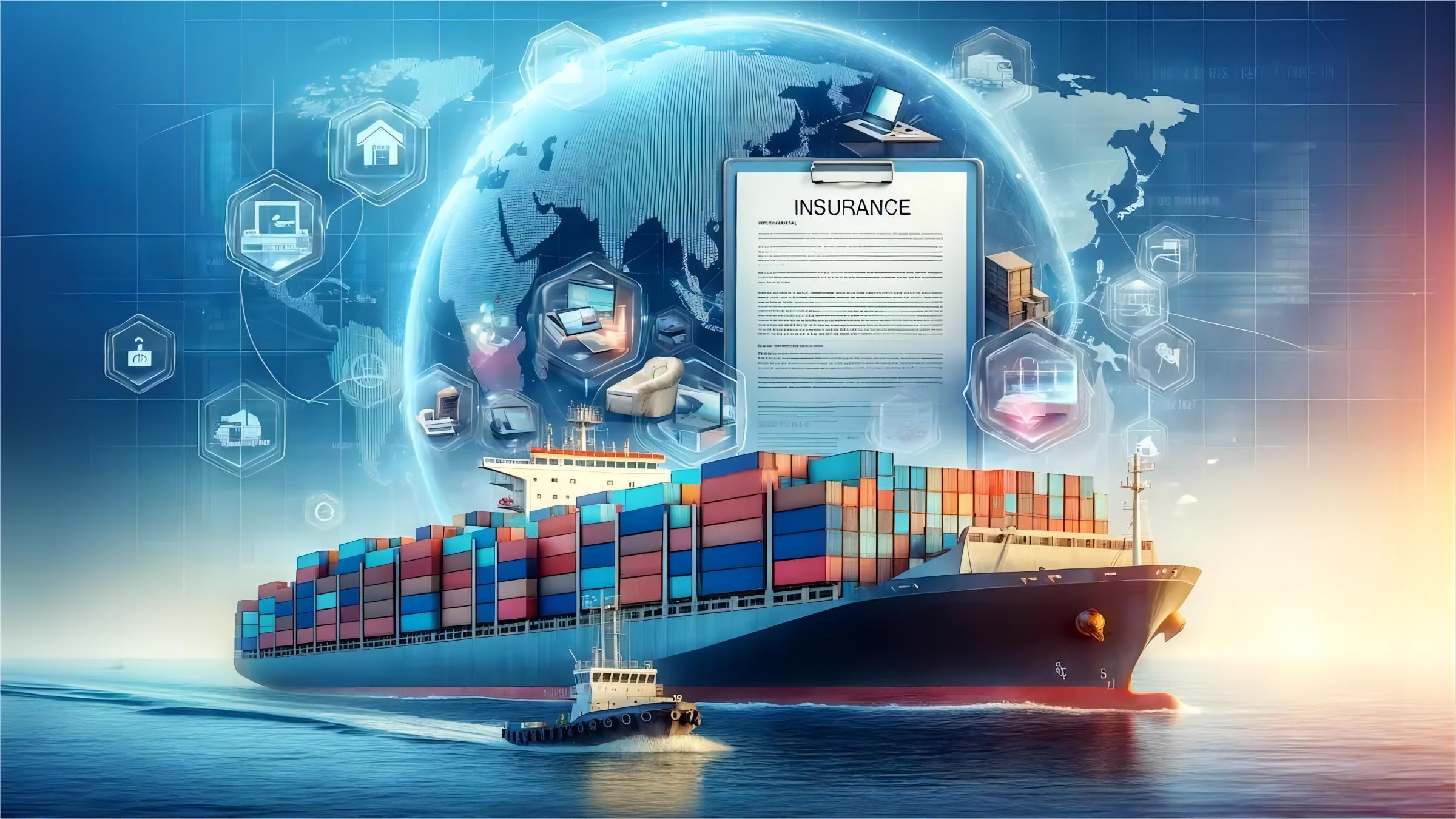
Furthermore, ensure the forwarder offers comprehensive services, including customs clearance, warehousing, and door-to-door delivery. Transparent communication and competitive pricing are also key indicators of a reliable partner. Always prioritize forwarders that provide robust cargo insurance options and excellent customer support. This ensures your goods are protected and any issues are promptly addressed.
Streamlining Your China to Japan Supply Chain
Successfully navigating the complexities of shipping from China to Japan requires strategic planning and the right logistics partner. By understanding the various shipping methods, managing customs requirements, and leveraging value-added services, businesses can achieve efficient and cost-effective transportation. A professional freight forwarder China to Japan is an indispensable asset in this endeavor.
Ultimately, choosing an experienced forwarder ensures your goods arrive safely and on time, bolstering your supply chain resilience. Prioritize expertise, comprehensive services, and transparent communication to secure a smooth shipping experience.
Need a tailored shipping solution?
Ready to optimize your shipping from China to Japan? Do not hesitate to contact our expert team today for a personalized quote and seamless logistics solutions. We are dedicated to providing efficient and reliable freight forwarder China to Japan services tailored to your business needs.