
- By TOP CHINA FREIGHT
- September 16, 2025
- Shipping
Table of Contents
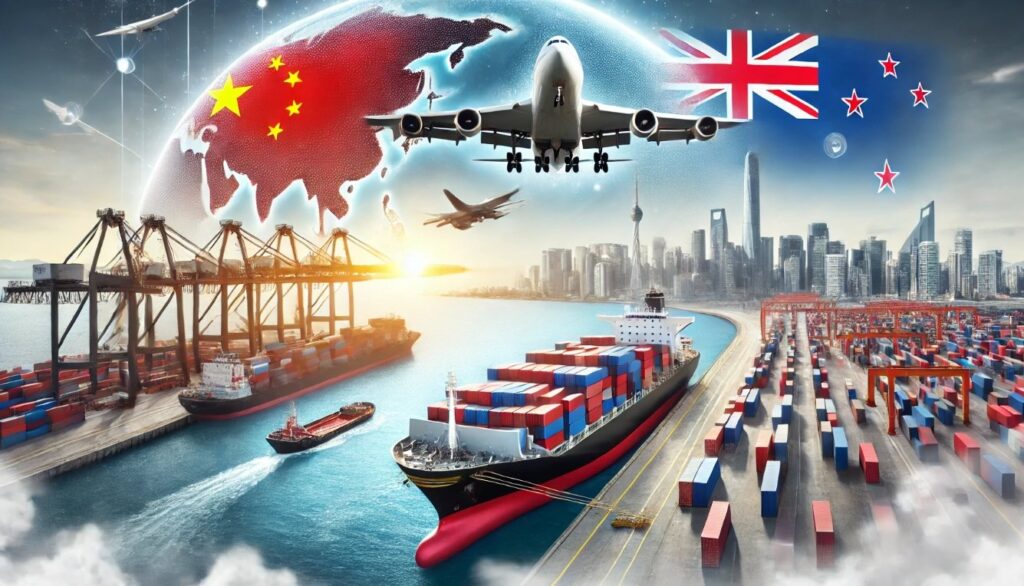
Choosing the right freight forwarder China to New Zealand is critical for businesses seeking efficient, cost-effective logistics. Shipping delays, high transit costs, and customs complications can disrupt operations and inventory planning. By understanding shipping options, transit schedules, and documentation requirements, companies can optimize costs and ensure timely delivery. This comprehensive guide covers all key aspects for smooth imports.
What Factors Influence Freight Costs?
| Factor | Impact on Freight Costs |
|---|---|
| Cargo Type, Weight, Volume | Heavier or larger shipments cost more; fragile or special cargo may require extra handling |
| Shipping Method | Air freight is faster but expensive; sea freight is slower but more economical |
| Fuel Surcharges | Fluctuating fuel prices can increase overall shipping costs |
| Seasonality | Peak seasons raise demand, leading to higher rates |
| Port Congestion | Delays at ports can increase storage fees and overall transit time |
| Destination Regulations | Customs rules, import restrictions, and taxes impact final costs |
| Perishable Goods | Require faster transit and special handling, increasing costs |
How Do Shipping Methods Compare?
Different transportation modes suit distinct business needs. Each option varies in cost, speed, and flexibility.
| Shipping Method | Average Cost | Transit Time | Pros | Cons |
|---|---|---|---|---|
| Sea Freight (FCL) | $2,000–$4,000 per 20ft | 18–28 days | Economical for bulk | Slower delivery |
| Sea Freight (LCL) | $80–$120 per CBM | 25–35 days | Flexible for small shipments | Longer handling |
| Air Freight | $6–$10 per kg | 5–10 days | Fast, reliable | Higher cost |
| Express Courier | $8–$12 per kg | 3–6 days | Door-to-door, easy customs | Expensive for large cargo |
Choosing the best method depends on shipment size, urgency, and budget.
What Are Typical Sea Freight Costs?
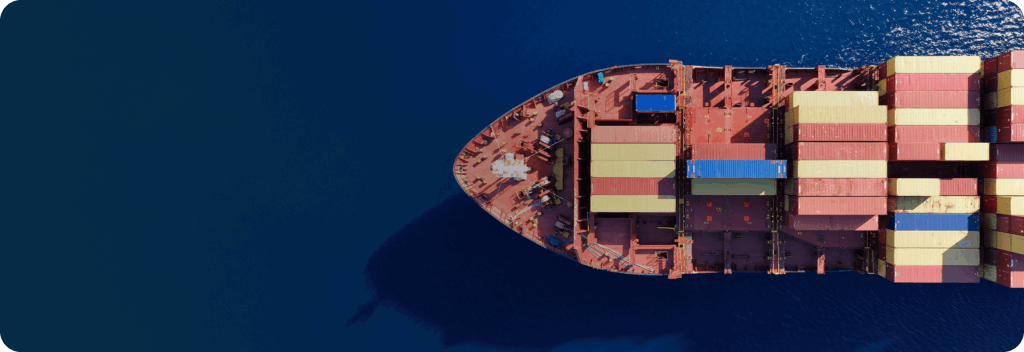
Sea freight is the most cost-effective for large shipments. Full Container Load (FCL) and Less than Container Load (LCL) are common options.
| Container Type | Average Cost | Capacity |
|---|---|---|
| 20ft FCL | $2,000–$4,000 | 25–28 CBM, up to 22 tons |
| 40ft FCL | $3,500–$6,000 | 55–58 CBM, up to 28 tons |
| 40ft HC | $3,700–$6,200 | Slightly larger than 40ft FCL |
| LCL | $80–$120 per CBM | Small shipments under 15 CBM |
Booking FCL in advance ensures rate stability and avoids peak-season surcharges.
How Much Does Air Freight Cost to New Zealand?
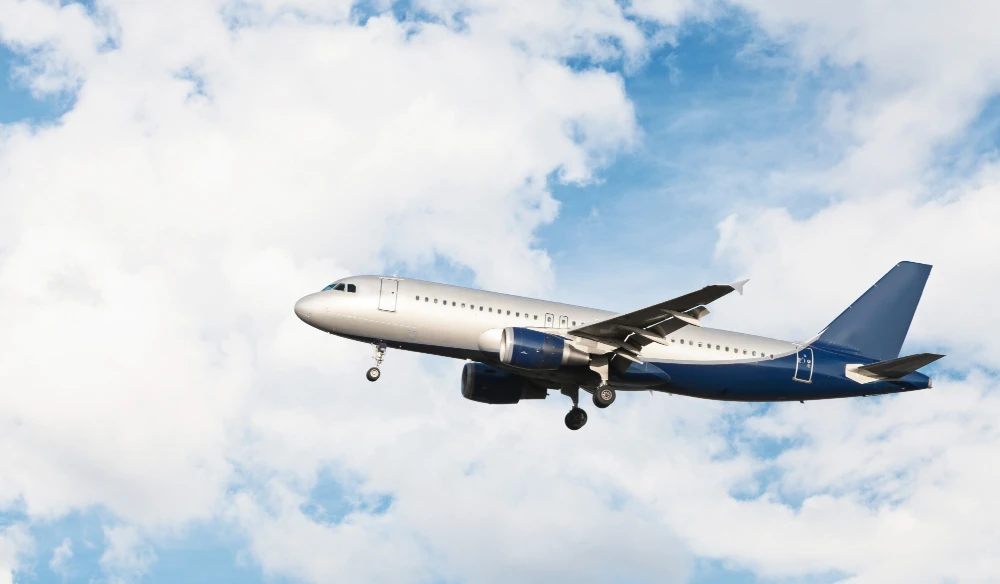
Air freight is ideal for urgent or high-value shipments. Costs vary depending on weight, volume, and airport handling fees.
| Weight Bracket | Cost Range | Transit Time |
|---|---|---|
| 0–100 kg | $6–$10 per kg | 5–7 days |
| 100–500 kg | $5–$9 per kg | 6–8 days |
| 500+ kg | $4–$7 per kg | 7–10 days |
Air freight minimizes inventory holding costs and supports fast replenishment cycles.
Can Express Couriers Be Cost-Effective?
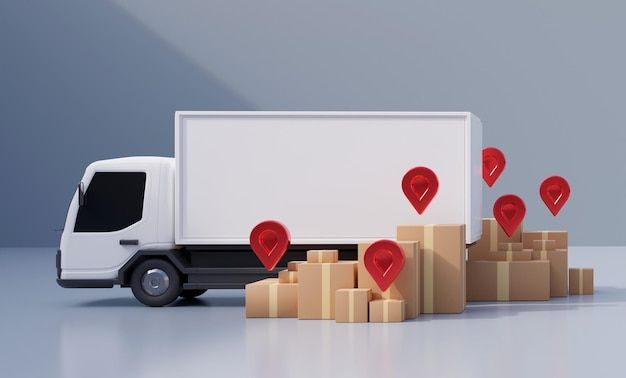
Express services like DHL, FedEx, and UPS are suitable for small parcels or e-commerce shipments. They provide end-to-end tracking and customs clearance, reducing administrative burdens.
For example, a 50 kg electronics shipment costs $400–$450 via express courier. Though pricier than sea freight, it ensures rapid delivery and reduced risk of damage.
What Customs Documents Are Required?
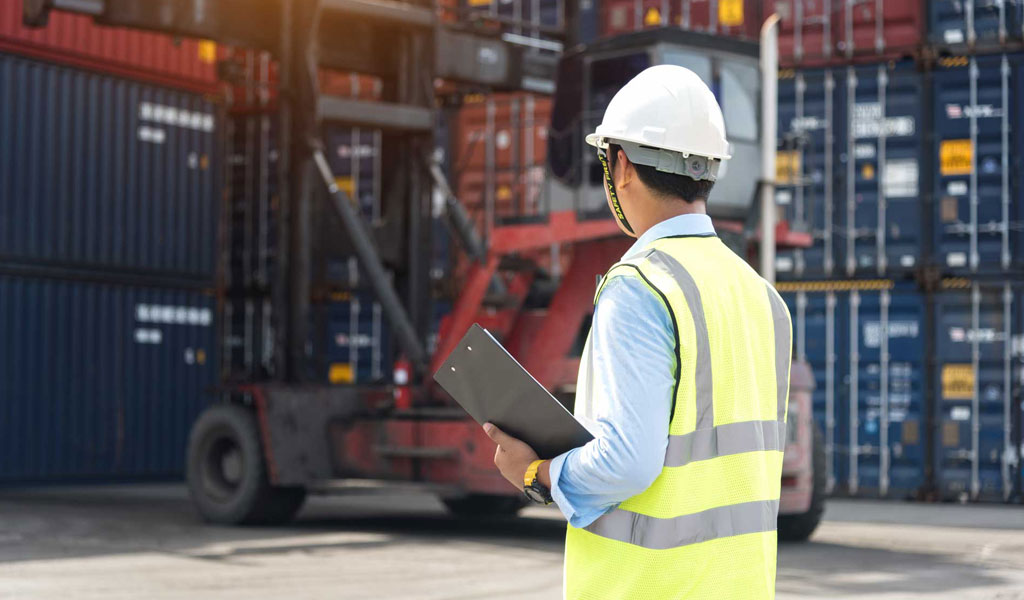
Proper documentation ensures seamless clearance and avoids fines. Freight forwarders assist in preparing:
| Document | Purpose |
|---|---|
| Bill of Lading / Airway Bill | Confirms shipment details |
| Commercial Invoice | Declares cargo value |
| Packing List | Lists shipment contents |
| Import Declaration | Required for customs |
| Certificate of Origin | Determines duty rates |
Incomplete or inaccurate paperwork can delay shipments or incur penalties.
Why Do Freight Costs Fluctuate?
Rates fluctuate due to fuel price changes, seasonal demand, port congestion, and international trade policies. Peak seasons, such as Chinese New Year or holiday periods, increase demand, pushing rates higher.
Forwarders mitigate risks by securing long-term contracts, offering alternative routes, or consolidating shipments, ensuring predictable costs and reliable delivery.
Case Study: Cost Reduction via Freight Forwarder

A New Zealand electronics distributor faced high shipping costs from Shanghai. Partnering with a freight forwarder, the company consolidated LCL shipments into FCL containers and scheduled consistent monthly sea shipments.
Result:
Shipping expenses dropped by 28%, inventory turnover improved, and customs clearance was streamlined, allowing better cash flow and reduced logistics risks.
Common Challenges When Importing Goods from China to India
Missing or incorrect documents
Weather, port congestion, or logistics bottlenecks
Fuel surcharges, seasonal rates
Improper packaging or handling
How to Optimize Freight Costs from China to New Zealand
Practical strategies include:
- Consolidating shipments to maximize container utilization.
- Booking in advance to avoid seasonal surcharges.
- Negotiating long-term carrier contracts.
- Using air-sea hybrid solutions for urgent goods.
- Employing bonded warehouses to defer duties.
These measures balance cost savings with reliable transit schedules.
Conclusion
Selecting a professional freight forwarder China to New Zealand ensures efficient, cost-effective imports. Sea freight suits large shipments, air freight serves urgent deliveries, and express couriers are ideal for small parcels. Optimizing shipping through consolidation, strategic planning, and forwarder expertise reduces costs, enhances reliability, and improves supply chain efficiency. Businesses that leverage these strategies gain competitive advantage.
Need a Shipping Quote?
If you want expert guidance and peace of mind, our team is ready to assist.
TJ China Freight offers tailored solutions to help businesses of all sizes ship more reliably from China.

FAQ
Q1:Can small parcels be shipped economically?
Yes, LCL shipments and express couriers are cost-efficient for parcels under 15 CBM.
Q2:Do customs fees affect total freight costs?
Yes, duties, VAT, and clearance fees add to the total landed cost. Accurate paperwork reduces extra charges.
Q3:. Is air freight suitable for large shipments?
Air freight is ideal for high-value or urgent goods; large volumes are better shipped via sea.
Q4:Can hybrid shipping save money?
Yes, combining sea for bulk and air for urgent shipments balances cost and speed.
Q5:What documents are essential for New Zealand customs?
Bill of Lading, commercial invoice, packing list, import declaration, and certificate of origin are mandatory.