
Freight Forwarding China to Dubai: Your Ultimate Guide
Connecting the bustling markets of China with the dynamic hub of Dubai requires strategic logistics. Effective freight forwarding China to Dubai is crucial for businesses aiming for efficient and cost-effective trade. Therefore, understanding the nuances of this vital shipping route is essential for smooth operations. This guide will help you navigate complex logistics, ensuring your goods arrive safely and on time.

Why is Freight Forwarding from China to Dubai Crucial?
Dubai stands as a pivotal trade gateway to the Middle East, Africa, and beyond. Therefore, efficient freight forwarding from China is not merely a service but a strategic advantage. It facilitates seamless supply chains, connecting Chinese manufacturers with eager markets in the UAE and its surrounding regions.
Moreover, the sheer volume of goods traded, from electronics to machinery, necessitates robust logistics solutions. Navigating customs, varied transit times, and potential delays demands expertise. Consequently, a reliable freight forwarder becomes an indispensable partner for your import operations.
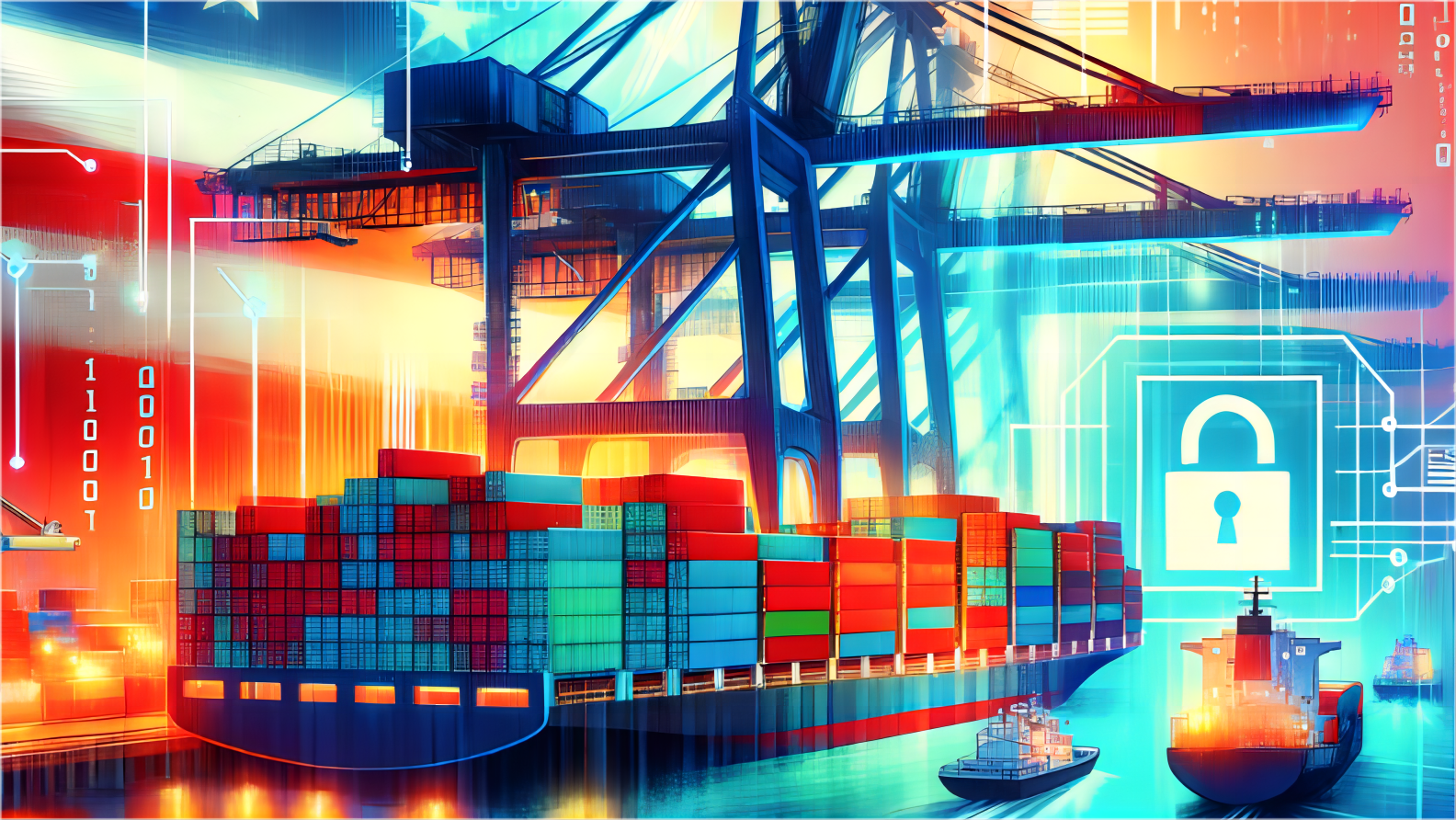
Understanding Key Shipping Methods for China to Dubai
When considering door-to-door shipping China to Dubai, two primary methods dominate the landscape: sea freight and air freight. Each offers distinct advantages tailored to different business needs. Choosing the right method significantly impacts both your shipping costs from China to Dubai and delivery schedule.
Furthermore, factors like cargo type, urgency, and budget play a critical role in this decision. Ultimately, understanding the characteristics of each option is key to optimizing your logistics strategy.
Sea Freight: The Economical Choice
Sea freight is undoubtedly the most cost-effective solution for large, heavy, or non-urgent shipments. It offers substantial capacity, making it ideal for bulk goods and full container loads (FCL). However, the trade-off is a longer sea freight transit time China to Dubai.
Typically, vessels depart from major Chinese ports like Shanghai, Ningbo, or Shenzhen, heading towards Jebel Ali Port in Dubai. This method is perfect for businesses prioritizing budget over speed for their China to UAE logistics solutions.
Air Freight: For Speed and Urgency
Conversely, air freight is the fastest option, suitable for high-value, time-sensitive, or perishable goods. While offering rapid delivery, air freight rates China to Dubai are considerably higher than sea freight. This method ensures quick market entry for trending products or critical components.
Shipments usually depart from major international airports in China, such as Shanghai Pudong or Guangzhou Baiyun, arriving at Dubai International Airport (DXB) or Al Maktoum International Airport (DWC). Consequently, it’s the preferred choice for urgent supply chain needs.
How Does Each Shipping Method Compare for China to Dubai?
Selecting the optimal shipping method involves weighing various factors beyond just cost. Therefore, a comprehensive comparison of sea and air freight is essential. This table outlines the critical differences to help you make an informed decision for your express shipping China to Dubai needs.
Additionally, considering the nature of your cargo and your delivery deadlines will guide your choice effectively. Understanding these trade-offs ensures your supply chain management China Dubai is both efficient and economical.
| Shipping Method | Cost Range | Transit Time | Best For | Limitations |
|---|---|---|---|---|
| Sea Freight (FCL/LCL) | Low to Moderate | 15-25 days | Bulk goods, heavy cargo, non-urgent, cost-sensitive | Slower, susceptible to port congestion |
| Air Freight | High | 3-7 days | High-value, time-sensitive, perishable, light cargo | Expensive, volume/weight restrictions |

Optimizing Your Sea Freight: FCL, LCL, and Route Choices
For sea freight, two main options exist: Full Container Load (FCL) and Less than Container Load (LCL). Each caters to different shipment volumes and budget considerations. Choosing correctly can significantly impact your overall shipping costs from China to Dubai.
Moreover, the route chosen, whether direct or via transshipment, also plays a crucial role in transit time and cost. Therefore, strategic planning is paramount for efficient ocean freight.
FCL vs. LCL: Maximizing Efficiency
FCL shipping China to Dubai means your goods occupy an entire container. This is generally more cost-effective for shipments exceeding 15-20 CBM. It also offers faster transit times and reduced handling risks. Your container is sealed at origin and only opened at destination.
Conversely, LCL shipping China to Dubai involves sharing container space with other shippers. This is ideal for smaller cargo volumes (under 15 CBM), as you only pay for the space used. However, it may involve longer transit times due to consolidation and deconsolidation processes.
Direct vs. Transshipment Routes
Direct routes offer the quickest sea freight transit time China to Dubai. However, they can be 10-15% more expensive. These routes minimize handling and potential delays, ensuring faster delivery of your cargo. They are preferred for moderately time-sensitive sea shipments.
Transshipment routes, often via hubs like Singapore or Port Klang, can save 5-7 days compared to direct routes, but usually cost 10-15% less. While more economical, they involve additional handling and can extend the overall delivery schedule. It’s a balance between cost and speed.
Hybrid Solutions and Cost-Saving Strategies
Consider hybrid solutions like sea-air freight for a balance of speed and cost. Goods travel by sea to a regional hub (e.g., Singapore), then fly to Dubai. This can be significantly cheaper than pure air freight while still faster than pure sea freight.
To further reduce shipping costs, consolidate multiple smaller shipments into one larger one. Negotiate favorable freight rates with your forwarder, especially during off-peak seasons. Additionally, consider opting for slower services if your delivery schedule allows, as they are often more affordable.
Essential Documentation for Smooth Customs Clearance in UAE
Proper documentation is paramount for seamless customs clearance process UAE. Incomplete or incorrect paperwork can lead to significant delays and penalties. Therefore, preparing all necessary documents meticulously is a critical step in freight forwarding from China to Dubai.
Working with an experienced customs brokerage service is highly recommended. They can guide you through the complexities of import regulations, ensuring compliance and preventing costly disruptions. This expertise is invaluable for efficient cargo handling.
| Document | Purpose | Details |
|---|---|---|
| Commercial Invoice | Proof of sale & value | Description of goods, quantity, unit price, total value, Incoterms |
| Packing List | Details of cargo packaging | Contents of each package, weight, dimensions, marks and numbers |
| Bill of Lading (B/L) | Contract of carriage, title to goods | Issued by carrier for sea freight, serves as receipt |
| Air Waybill (AWB) | Contract of carriage | Issued by carrier for air freight, non-negotiable |
| Certificate of Origin | Proof of country of manufacture | Required for preferential tariffs or trade agreements |
| Import Permit/License | Authority to import specific goods | Required for restricted or controlled items in UAE |
What Factors Influence Freight Costs from China to Dubai?
Several variables contribute to the final freight rates China to Dubai. Understanding these factors allows businesses to better manage their budget and optimize their logistics strategy. Hence, getting a detailed quote that itemizes all charges is always advisable.
Key elements include the shipping method chosen, cargo volume and weight, origin and destination, and current market conditions. Additionally, fuel surcharges, peak season demand, and any special handling requirements will affect the total shipping costs from China to Dubai.
Navigating Transit Times and Delivery Schedules
Accurate transit time estimations are crucial for effective inventory management and meeting customer expectations. The sea freight transit time China to Dubai typically ranges from 15 to 25 days, depending on the specific ports and vessel schedules. Air freight, conversely, delivers within 3 to 7 days.
However, these are estimates; various factors can influence the actual delivery schedule. Port congestion, customs delays, weather conditions, and carrier capacity can all impact arrival times. Therefore, building buffer time into your supply chain is a wise practice. Always track your shipments closely for real-time updates.
Real-World Scenarios: Successful Shipments from China to Dubai
Examining real-world examples helps illustrate the practical application of freight forwarding strategies. These case studies highlight typical challenges and successful outcomes for businesses importing from China to Dubai. Based on Q3 2024 market rates, these scenarios offer valuable insights.
Furthermore, they demonstrate how different shipping methods and forwarder expertise can optimize the shipping process. Understanding these examples can inform your own logistics planning.
Case Study 1: Large Volume, Cost-Effective Apparel
This case illustrates how a Dubai-based fashion retailer efficiently imported a large volume of apparel, prioritizing cost over speed.
| Detail | Description |
|---|---|
| Route | Shanghai, China Jebel Ali, UAE |
| Cargo | Assorted apparel, 60 CBM, 15,000 kg |
| Container | 1 x 40HQ |
| Shipping Details | Carrier: COSCO, Port of Loading: Shanghai, Port of Discharge: Jebel Ali, Route Type: Direct |
| Cost Breakdown | Ocean Freight: $2,800; Origin Charges: $450; Destination Charges: $300; Customs & Duties (estimated): $500; Total Landed Cost: $4,050 |
| Timeline | Booking to Loading: 5 days; Sea Transit: 18 days; Customs Clearance: 2 days; Total Door-to-Door: 25 days |
| Key Insight | FCL sea freight proved highly economical for bulk goods, despite the longer transit time. Effective planning avoided peak season surcharges. |
Case Study 2: Urgent Electronics for Product Launch
An electronics distributor needed to quickly import a new product line for a market launch. Speed was the paramount concern, justifying the higher cost.
| Detail | Description |
|---|---|
| Route | Shenzhen, China Dubai (DXB), UAE |
| Cargo | Consumer electronics, 5 CBM, 800 kg |
| Container | Air Cargo (LCL) |
| Shipping Details | Carrier: Emirates SkyCargo, Airport of Loading: Shenzhen (SZX), Airport of Discharge: Dubai (DXB), Service: Priority Air Freight |
| Cost Breakdown | Air Freight: $4,500; Origin Charges: $200; Destination Charges: $150; Customs & Duties (estimated): $350; Total Landed Cost: $5,200 |
| Timeline | Booking to Loading: 2 days; Air Transit: 4 days; Customs Clearance: 1 day; Total Door-to-Door: 7 days |
| Key Insight | Air freight ensured rapid delivery crucial for a time-sensitive product launch, securing early market presence despite higher costs. |
Case Study 3: Consolidated Small Goods via LCL
A small e-commerce business regularly imports various small items from multiple Chinese suppliers. LCL was the most practical and cost-effective solution.
| Detail | Description |
|---|---|
| Route | Ningbo, China Jebel Ali, UAE |
| Cargo | Assorted e-commerce goods, 8 CBM, 1,200 kg |
| Container | LCL (Less than Container Load) |
| Shipping Details | Carrier: Major consolidator, Port of Loading: Ningbo, Port of Discharge: Jebel Ali, Route Type: Transshipment via Singapore |
| Cost Breakdown | Ocean Freight (LCL): $850; Origin Charges: $180; Destination Charges: $250; Customs & Duties (estimated): $280; Total Landed Cost: $1,560 |
| Timeline | Booking to Loading: 7 days; Sea Transit: 22 days; Customs Clearance: 3 days; Total Door-to-Door: 32 days |
| Key Insight | LCL freight is ideal for smaller, consolidated shipments, offering a balance of cost and reasonable transit for non-urgent inventory. Transshipment kept costs down. |
Choosing the Right Freight Forwarder: What to Look For?
Selecting the best freight forwarder China to Dubai is paramount for seamless operations. Look for a partner with extensive experience on this specific route, a strong network, and transparent communication. Their ability to handle diverse cargo types and provide comprehensive services is crucial.
Consider their expertise in customs clearance, cargo insurance, and warehousing solutions. A reputable forwarder like Top China Freight offers tailored logistics solutions, competitive rates, and proactive problem-solving. This ensures peace of mind for your supply chain.
Which Shipping Option Should You Choose for Your Business?
Making the right choice for your freight forwarding China to Dubai depends entirely on your specific business priorities. Therefore, a clear decision framework can help streamline this process. Consider your budget, the urgency of your shipment, and the nature of your cargo.
This approach ensures that you align your logistics strategy with your operational and financial goals. Ultimately, the best option is one that balances cost, speed, and reliability for your unique needs.
Budget Priority
If cost-saving is your primary concern, particularly for large or heavy cargo, sea freight is the clear winner. Opt for LCL for smaller volumes or FCL for full containers. Additionally, consider transshipment routes to further reduce expenses.
Speed Priority
For urgent shipments, high-value goods, or perishable items, air freight is indispensable. Its rapid transit times ensure quick delivery and minimal delays. The higher cost is often justified by the need for speed and reduced inventory holding times.
Cargo Type Considerations
Hazardous materials or oversized cargo often have specific handling and documentation requirements. Sea freight is generally more accommodating for such items. For delicate or high-tech electronics, air freight might offer better security and reduced handling risks.
Volume Thresholds for Switching Methods
For shipments under 1-2 CBM, air freight or even express courier services might be surprisingly competitive, given the minimum charges associated with sea freight. As volumes approach 15-20 CBM, LCL sea freight becomes more economical. Beyond 20 CBM, FCL sea freight is almost always the most cost-effective solution. Evaluate your cargo’s dimensions and weight carefully.
Seamless Logistics: Your Partner for Freight Forwarding China to Dubai
Effectively managing freight forwarding China to Dubai is crucial for businesses operating in this vibrant trade corridor. By understanding the intricacies of sea and air freight, optimizing documentation, and choosing a reliable logistics partner, you can ensure a smooth and efficient supply chain.
Indeed, the right strategy minimizes costs, reduces transit times, and enhances overall operational efficiency. Partner with experts who can navigate these complexities, allowing you to focus on your core business growth.
Get Your Shipping Quote Today
Ready to streamline your freight forwarding China to Dubai? Contact Top China Freight today for a personalized quote and expert consultation. Our team is dedicated to providing efficient, reliable, and cost-effective shipping solutions tailored to your business needs.
Request Quote