
Freight Forwarding China to Europe: Your Ultimate Guide
Moving goods from China to Europe involves intricate logistics, making reliable freight forwarding essential for businesses. Navigating diverse shipping methods, customs regulations, and varying transit times can be challenging. This comprehensive guide will explore the best strategies and solutions to streamline your supply chain and ensure efficient delivery across continents.
What are the Primary Shipping Methods from China to Europe?
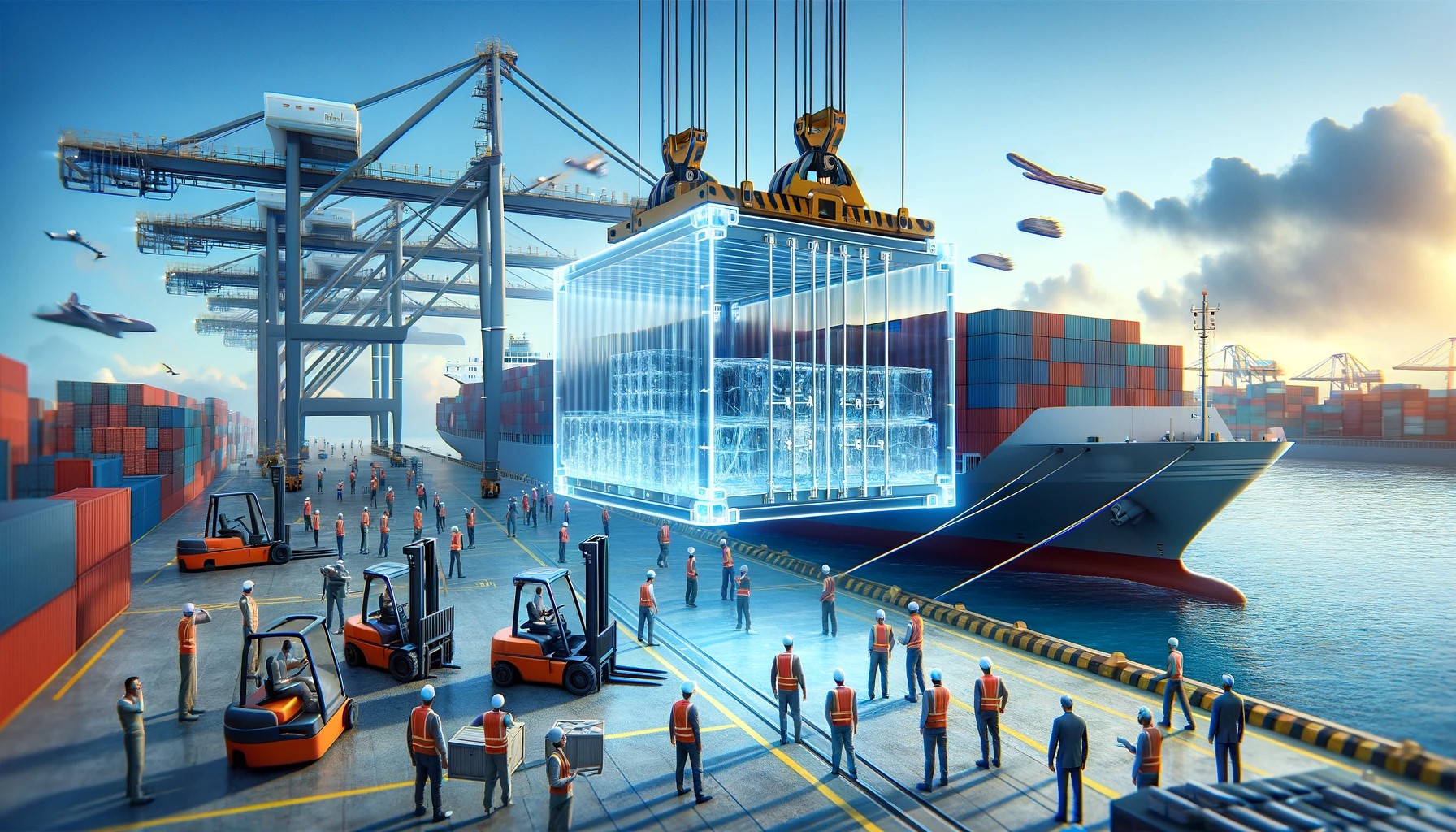
Typically, businesses have three main options for freight forwarding China to Europe: sea freight, air freight, and rail freight. Each method offers distinct advantages and disadvantages concerning cost, speed, and capacity. Therefore, choosing the right mode of transport is crucial for optimizing your supply chain.
For instance, sea freight remains the most economical choice for large volumes and non-urgent shipments. Conversely, air freight provides unparalleled speed for time-sensitive goods, albeit at a higher cost. Rail freight, a growing alternative, strikes a balance between speed and cost effectiveness, offering a viable middle ground for many importers.
| Shipping Method | Cost Range | Transit Time | Best For | Limitations |
|---|---|---|---|---|
| Sea Freight (FCL/LCL) | Low ($1,800-4,500/container) | 28-40 days | Large volumes, heavy goods, non-urgent cargo | Slow, susceptible to port delays |
| Air Freight | High ($5-10/kg) | 3-7 days | High-value, urgent, perishable goods | Expensive, limited capacity, higher carbon footprint |
| Rail Freight | Medium ($6,000-10,000/container) | 18-25 days | Mid-volume, moderately urgent goods | Less flexible routes, potential for border delays |
How to Choose the Best Freight Forwarding Method?
Selecting the optimal shipping method for your cargo from China to Europe depends on several critical factors. Considering your budget, required transit time, and the nature of your goods is paramount. Indeed, a careful evaluation ensures cost-efficiency and timely delivery.
Budget priority: If cost is your primary concern, sea freight is almost always the most economical option, particularly for full container loads (FCL). Speed priority: For urgent shipments, air freight is the clear winner, despite its higher expense. Cargo type considerations: Perishable goods or high-value electronics often warrant air transport, while bulk commodities are best suited for sea or rail. Volume thresholds: For shipments under 15 CBM, LCL (Less than Container Load) sea freight or rail freight can be more economical than a full container, especially if you need to ship smaller batches frequently.
Understanding Transit Times for China to Europe Shipments
Transit times for freight forwarding China to Europe vary significantly based on the chosen method and specific routes. For example, sea freight typically ranges from 28 to 40 days, depending on the origin port in China (e.g., Shanghai, Ningbo, Shenzhen) and the destination port in Europe (e.g., Rotterdam, Hamburg, Felixstowe). Moreover, direct routes are generally faster than those involving transshipment through intermediary ports.
Conversely, air freight offers the quickest transit, often delivering goods within 3 to 7 days, including customs clearance. Rail freight, via the New Silk Road, provides a competitive transit time of 18 to 25 days, making it a popular choice for many businesses seeking a balance. Nevertheless, always account for potential delays due to port congestion, customs inspections, or adverse weather conditions, which can impact your delivery schedule.
Navigating Customs and Documentation for European Imports
Successfully clearing customs is a crucial step in freight forwarding China to Europe. Importers must prepare accurate and complete documentation to avoid delays and penalties. Consequently, understanding the specific requirements of both Chinese export and European import regulations is essential. A reliable freight forwarder can significantly simplify this complex process.
Indeed, key documents typically include the commercial invoice, packing list, bill of lading (for sea freight) or air waybill (for air freight), certificate of origin, and import licenses where applicable. Furthermore, understanding import duties and VAT for your specific products and destination country in Europe is vital for calculating the total landed cost. Many forwarders also offer customs brokerage services to ensure smooth clearance.
| Document Type | Purpose | Required For |
|---|---|---|
| Commercial Invoice | Details goods, value, seller, buyer | All shipments |
| Packing List | Describes contents of each package | All shipments |
| Bill of Lading (B/L) | Contract of carriage for sea freight | Sea freight |
| Air Waybill (AWB) | Contract of carriage for air freight | Air freight |
| Certificate of Origin | Verifies country of manufacture | Some goods, for preferential duties |
Real-World Scenarios: Freight Forwarding China to Europe
Exploring practical examples helps illustrate the complexities and solutions in international logistics. These case studies highlight how different choices impact costs and transit times when shipping from China to various European destinations. Moreover, they provide valuable insights into managing diverse cargo types effectively.
Case Study 1: High-Volume E-commerce Goods to Germany
This scenario involves an e-commerce retailer importing a large quantity of consumer electronics during peak season. The goal was to balance cost-efficiency with a reasonably quick delivery to meet holiday demand in Germany. Consequently, sea freight was chosen for its capacity and affordability for the bulk of the order.
| Detail | Description |
|---|---|
| Route | Shanghai, China Hamburg, Germany |
| Cargo | Consumer Electronics, 35 CBM, 8,000 kg |
| Container | 1 x 40HQ |
| Shipping Details | Carrier: Maersk, Port of Loading: Shanghai, Port of Discharge: Hamburg, Route Type: Direct |
| Cost Breakdown | Ocean Freight: $3,800, Origin Charges: $450, Destination Charges: $500, Customs & Duties (estimated): $1,200, Total Landed Cost: $5,950 (Based on Q3 2024 market rates) |
| Timeline | Booking to Loading: 5 days, Sea Transit: 32 days, Customs Clearance: 3 days, Total Door-to-Door: 40 days |
| Key Insight | Choosing a direct route during peak season helped minimize transit time, even with potential port congestion. The larger container size offered better per-unit cost. |
Case Study 2: Urgent Spare Parts to France
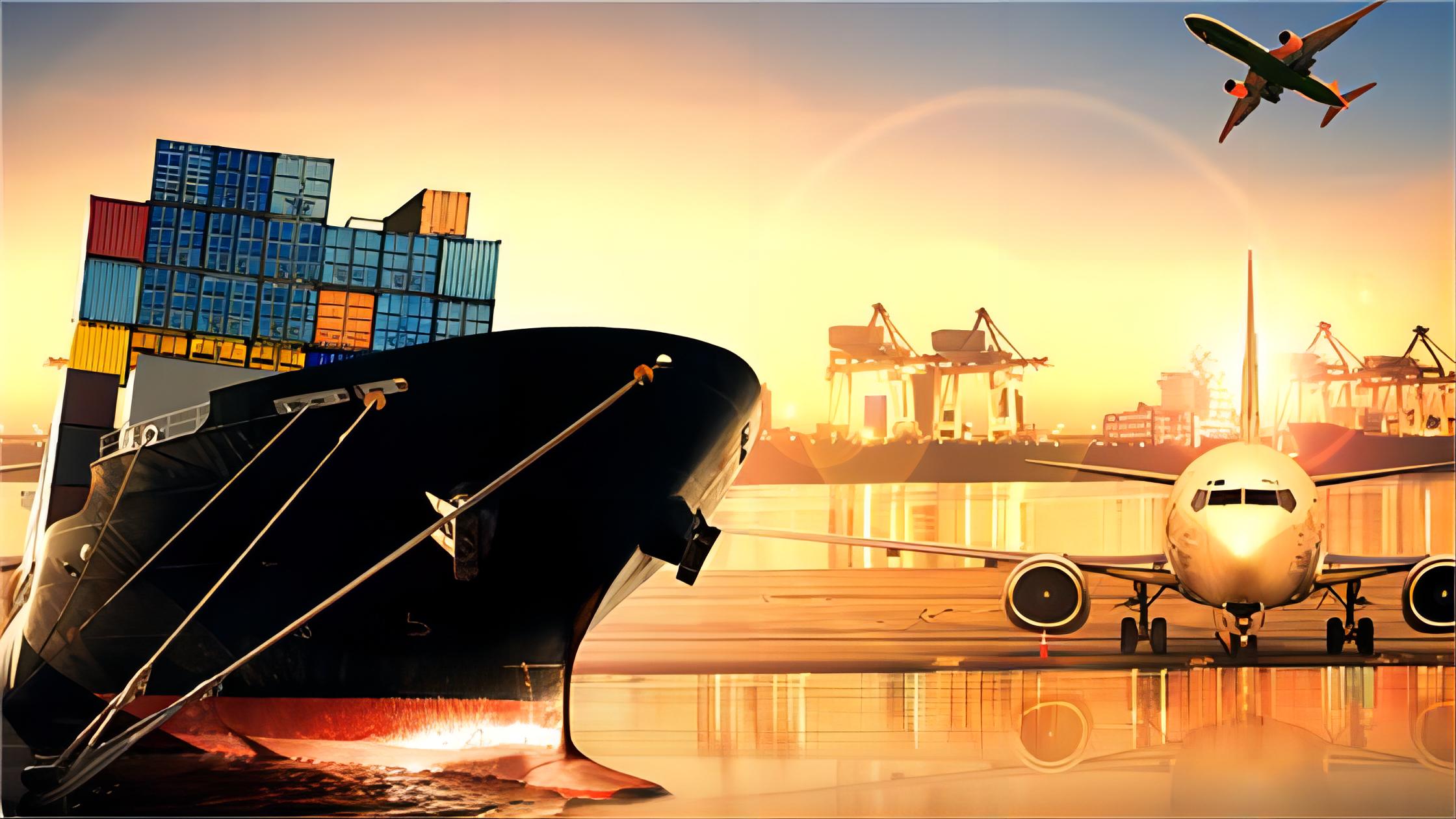
A manufacturing company required critical machinery spare parts from Shenzhen, China, to Paris, France, due to an unexpected production line stoppage. Speed was the absolute priority over cost. Therefore, express air freight was the only viable option to prevent further operational losses.
| Detail | Description |
|---|---|
| Route | Shenzhen, China Paris (CDG), France |
| Cargo | Machinery Spare Parts, 1.5 CBM, 250 kg |
| Container | Air Cargo (LCL) |
| Shipping Details | Carrier: FedEx Express, Port of Loading: Shenzhen Airport, Port of Discharge: CDG Airport, Route Type: Direct Air Cargo |
| Cost Breakdown | Air Freight: $1,875 (approx $7.5/kg), Origin Charges: $120, Destination Charges: $150, Customs & Duties (estimated): $200, Total Landed Cost: $2,345 (Typical rates as of early 2025) |
| Timeline | Booking to Loading: 1 day, Air Transit: 2 days, Customs Clearance: 1 day, Total Door-to-Door: 4 days |
| Key Insight | Despite the high cost, the rapid delivery prevented significant downtime, demonstrating the value of express services for critical components. Utilizing a door-to-door service simplified the process. |
Optimizing Your Supply Chain with a Reliable Freight Forwarder
Partnering with an experienced freight forwarder is paramount for efficient freight forwarding China to Europe. A good forwarder offers end-to-end logistics solutions, managing everything from pickup to final delivery. Moreover, they provide invaluable expertise in navigating complex international regulations and optimizing routes.
For example, a forwarder can offer Amazon FBA preparation and delivery services, ensuring your products reach Amazon fulfillment centers across Europe seamlessly. Furthermore, they can advise on cargo insurance, warehousing, and distribution, thereby enhancing the resilience of your supply chain. Ultimately, a strong partnership reduces risks and helps you achieve significant cost savings and faster transit times.
Cost-Saving Strategies and Trade-offs in China-Europe Shipping
Implementing smart strategies can significantly reduce your shipping costs from China to Europe. Consolidating smaller shipments into LCL (Less than Container Load) can be more cost-effective than multiple small air freight consignments, for instance. Additionally, planning shipments well in advance allows for booking more economical sea freight options.
Consider hybrid solutions, such as sea-rail or air-rail combinations, for a balance of speed and cost. For example, shipping by sea to a European port and then by rail for inland distribution can save time compared to full sea transit. On the other hand, understanding peak seasons (e.g., August-October for holiday goods) is crucial, as rates typically increase by 15-25% during these periods. Therefore, flexible delivery schedules can lead to substantial savings.
Concluding Thoughts on Freight Forwarding China to Europe
Ultimately, successful freight forwarding China to Europe hinges on strategic planning, understanding diverse shipping options, and partnering with a knowledgeable logistics provider. Whether prioritizing speed, cost, or cargo type, a tailored approach is crucial. By leveraging expert services and comprehensive market insights, businesses can navigate the complexities of international shipping with confidence.
Indeed, continuous optimization of your supply chain will lead to greater efficiency and profitability. Always remember that freight rates are subject to change based on fuel costs, carrier capacity, and seasonal demand. Contact us for a current quote tailored to your specific shipment.
Need a tailored shipping solution?
Ready to streamline your shipments from China to Europe? Contact Top China Freight today for a personalized quote and expert logistics advice. Our team is dedicated to providing efficient and reliable freight forwarding solutions tailored to your unique business needs.