
Freight Forwarding China to UK: Your Ultimate Shipping Guide
Shipping goods from China to the UK can indeed present a complex logistical challenge for businesses. Understanding the nuances of international freight forwarding is therefore crucial for efficient and cost-effective imports. This comprehensive guide will help you navigate the entire process, ensuring your cargo reaches its destination smoothly and on time. For expert assistance, consider visiting Top China Freight.
✦
Understanding Freight Forwarding China to UK
Embarking on international trade, particularly for shipments from China to the UK, indeed requires a robust understanding of complex logistics. Freight forwarding, therefore, serves as the indispensable backbone of this intricate process, meticulously managing the transportation of goods from their origin to the final destination. Ultimately, a reliable freight forwarder streamlines your entire supply chain and significantly minimizes potential disruptions, ensuring smoother operations.
Furthermore, effective freight forwarding encompasses much more than simply moving cargo; it involves customs clearance, documentation management, warehousing solutions, and optimizing transportation routes. Consequently, selecting the right partner for your `freight forwarding China to UK` needs is paramount for ensuring business success and compliance with all regulations.
Key Shipping Methods for Freight Forwarding China to UK
Several primary methods exist for shipping goods from China to the UK, each offering distinct advantages and disadvantages. Your optimal choice will largely depend on critical factors such as urgency, allocated budget, and the volume and nature of your cargo. Consequently, thoroughly understanding these options is the fundamental first step towards developing an optimized shipping strategy.
Moreover, balancing speed with cost-effectiveness remains a common challenge for many businesses engaged in international trade. We will now explore the most popular shipping solutions, providing detailed insights into their typical performance characteristics and their suitability for various types of merchandise.
Sea Freight: Economical for Bulk Shipments
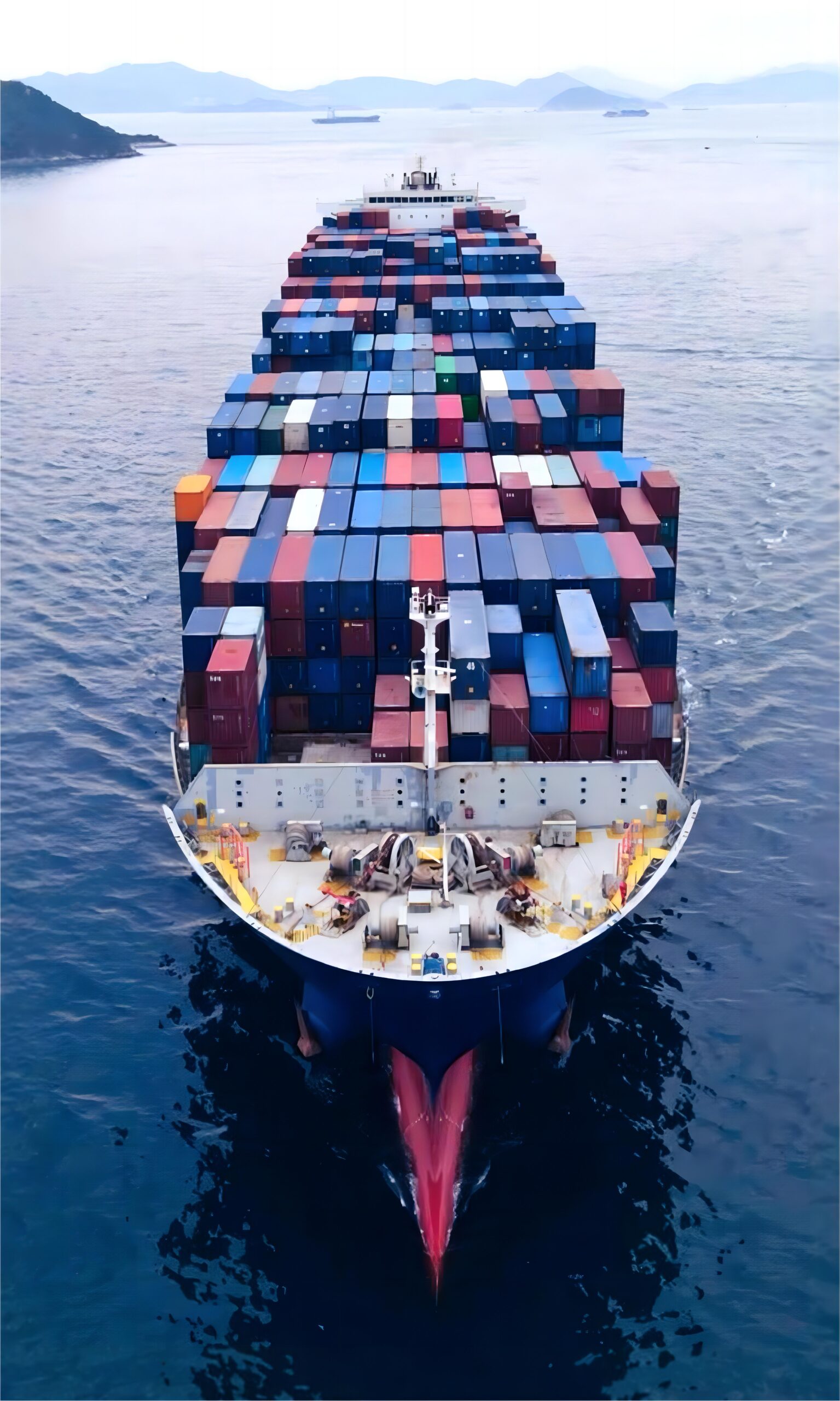
Without a doubt, sea freight consistently remains the most cost-effective option for transporting large volumes of goods across continents. It is ideally suited for non-urgent shipments, offering substantial savings compared to other methods, especially for heavy or bulky cargo. Given the inherently longer transit times, however, meticulous planning and scheduling are absolutely essential for inventory management.
Specifically, sea freight primarily involves two main options: Full Container Load (FCL) and Less than Container Load (LCL). FCL is the preferred choice when your cargo is sufficient to fill an entire container (e.g., 20GP, 40GP, 40HQ), whereas LCL is perfect for smaller shipments that can share container space with other goods, thus distributing the overall `shipping costs China to UK`.
Air Freight: Speed and Reliability
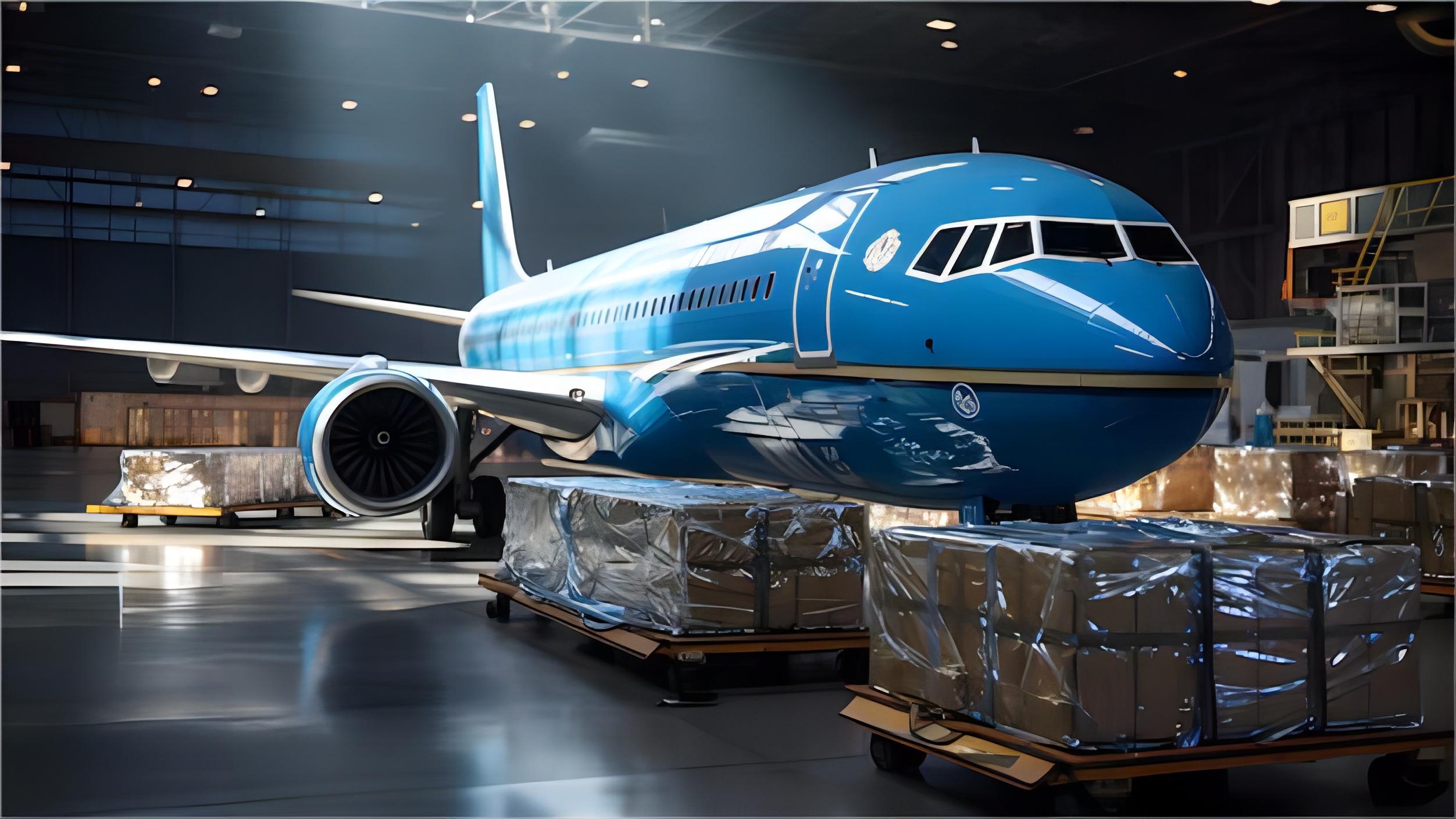
For time-sensitive or high-value cargo, air freight offers unparalleled speed and reliability, drastically reducing transit times. While significantly more expensive than sea freight, its expedited delivery often justifies the higher cost for perishable items, urgent components, or high-value electronics. Delivery schedules are typically highly predictable and reliable, minimizing supply chain uncertainties.
Additionally, express air freight services provide even faster delivery, often complemented by comprehensive door-to-door convenience. This method is frequently chosen for critical samples, prototypes, or emergency stock replenishment, despite the premium `air freight rates China to UK`.
Rail Freight: A Balanced Alternative
Emerging as a strong and increasingly popular contender, rail freight offers an attractive balance between the speed of air transportation and the cost-effectiveness of sea shipping. The extensive New Silk Road railway network seamlessly connects major Chinese cities directly to various European hubs, including onward multimodal connections to the UK. This represents a significant advancement in logistics trends for the region.
Indeed, the `transit time China to UK` via rail is typically faster than traditional sea freight and considerably more economical than air freight. This option is increasingly favored by businesses seeking a robust middle-ground solution, especially for goods that are not extremely urgent but still require faster delivery than ocean shipping, offering competitive `rail freight China to UK cost`.
How Does Freight Forwarding China to UK Compare to Other Shipping Options?
Choosing the optimal shipping method for your `freight forwarding China to UK` needs involves carefully weighing various critical factors. Each available option presents a unique set of trade-offs concerning cost, speed, and overall suitability for different cargo types and business requirements. Consequently, a comprehensive comparison is absolutely vital for strategic decision-making.
As of Q1 2025, freight rates from China to the UK have generally stabilized, although market volatility due to geopolitical events and fuel price fluctuations can still occur. The following table provides a clear overview of the primary shipping methods, helping you make an informed decision based on typical current market rates and expected transit times.
| Shipping Method | Cost Range (per 40HQ/100kg) | Transit Time | Best For | Limitations |
|---|---|---|---|---|
| Sea Freight (FCL) | $3,500-4,500 (40HQ) | 30-38 days | Large, heavy, non-urgent goods | Slowest, prone to port congestion risks |
| Sea Freight (LCL) | $50-80/CBM | 35-45 days | Smaller volumes (under 15 CBM), non-urgent | Longer transit, potential for delays, minimum charges |
| Air Freight (Standard) | $6-10/kg | 5-10 days | Urgent, high-value, perishable goods | Most expensive, strict weight/size restrictions |
| Air Freight (Express) | $10-15/kg | 2-5 days | Very urgent, samples, small packages | Highest cost, stricter regulations, limited volume |
| Rail Freight | $8,000-12,000 (40HQ) | 18-25 days | Mid-urgency, heavy goods, cost-sensitive | Limited direct routes, requires truck transfer at European hubs |
Factors Influencing Shipping Costs and Transit Times for China-UK
Many variables indeed contribute to the final `shipping costs China to UK` and the overall transit time for your cargo. Businesses must thoroughly consider these factors when planning their imports to effectively avoid unexpected expenses or significant delays. Understanding these intricate elements helps manage expectations effectively and allows for proactive problem-solving.
For example, fluctuating fuel surcharges, unpredictable port congestion, and seasonal peak periods can all significantly impact freight rates and delivery schedules. Moreover, the chosen Incoterms (International Commercial Terms) also critically define who is responsible for costs and risks at various stages of the international journey, impacting the total landed cost.
Fuel Costs and Surcharges
The global price of crude oil directly affects the fuel surcharges applied to both sea and air freight services. These surcharges can fluctuate significantly and without much warning, consequently impacting the total freight rates quoted for your shipment. Forwarders often use mechanisms like BAF (Bunker Adjustment Factor) for sea freight and CAF (Currency Adjustment Factor) for air freight to account for these variable costs.
Seasonal Demand and Peak Seasons
Freight rates typically increase by a substantial 15-25% during recognized peak seasons, such as the periods leading up to Chinese New Year, Golden Week holidays, and the crucial Q4 holiday shopping period (spanning from August to October). Planning shipments strategically outside these high-demand periods can therefore lead to considerable savings on your `freight forwarding China to UK` operations.
Cargo Volume and Type
The specific volume, weight, and inherent nature of your cargo are decisive factors in determining whether FCL, LCL, air, or rail freight is the most economical and practical choice. Hazardous materials, oversized cargo, or those requiring special temperature control often incur additional handling fees and necessitate specialized logistics solutions China UK, further impacting the overall `cargo handling` costs.
Route and Port Congestion
Direct shipping routes are generally faster but can be more expensive than options involving transshipment via intermediate ports. Port congestion, a common and often unpredictable issue at major global hubs, can also cause significant delays, critically impacting your `delivery schedule` and potentially leading to unforeseen demurrage charges. Staying informed about port conditions is key.
Navigating Customs Clearance and Import Duties in the UK
Customs clearance represents a critical, and often complex, stage in the `freight forwarding China to UK` process. Proper documentation, meticulous preparation, and strict adherence to all UK import regulations are absolutely essential to avoid costly delays, significant fines, or even the potential seizure of your goods. Therefore, an organized and meticulous approach to customs procedures is non-negotiable for smooth imports.
Furthermore, a comprehensive understanding of `import duties from China to UK`, Value Added Tax (VAT), and other applicable taxes is crucial for accurate cost estimation and financial planning. Engaging a professional for customs brokerage services can significantly streamline this intricate process, ensuring compliance and efficiency.
Essential Documents for UK Imports
To ensure smooth and efficient customs clearance, several key documents are consistently required for imports into the UK. These typically include the commercial invoice, a detailed packing list, the bill of lading (for sea freight) or air waybill (for air freight), and the certificate of origin. Occasionally, additional licenses or specific permits may be necessary, depending on the particular type of cargo being imported.
Moreover, using accurate Harmonized System (HS) codes for your goods is vitally important for correct duty and tax assessment by UK customs authorities. Misclassification can easily lead to unexpected `import duties from China to UK` charges or frustrating customs delays, impacting your overall `supply chain` efficiency.
Understanding Import Duties and VAT
Import duties are levied by His Majesty’s Revenue & Customs (HMRC) based on the commodity code (HS code) and the country of origin of your goods. Value Added Tax (VAT) is typically charged on the total value of the imported goods, which includes not only the product cost but also shipping costs and any applicable duties. Businesses must register for an EORI number if they are importing into the UK for commercial purposes.
Optimizing Your Supply Chain: Tips for Efficient China-UK Logistics
For businesses regularly importing from China, continuous optimization of the entire supply chain is undoubtedly key to maintaining a competitive edge in the market. Implementing strategic approaches can effectively reduce `shipping costs China to UK` and significantly improve overall operational efficiency. Proactive management and a forward-thinking mindset are therefore essential for sustained success.
Indeed, leveraging cutting-edge technology and cultivating strong, collaborative relationships with trusted logistics partners can yield substantial benefits in terms of speed, cost, and reliability. This holistic approach helps streamline complex operations and proactively mitigate potential risks inherent in the international `import/export` process, enhancing your `supply chain management`.
Partnering with a Reliable Freight Forwarder
A reputable and experienced freight forwarder truly acts as an extension of your business, expertly managing complex logistics on your behalf. They offer invaluable expertise in navigating optimal routes, understanding intricate customs regulations, and effectively solving unforeseen problems. This strategic partnership is critical for ensuring consistent service quality and reducing operational headaches.
Specifically, look for forwarders with strong, established networks in both China and the UK, offering comprehensive services like `door-to-door shipping China UK`. Their extensive experience and local knowledge can prevent costly mistakes and ensure the timely delivery of your cargo, which is vital for your `delivery schedule`.
Cargo Consolidation and Warehousing
Strategically consolidating multiple smaller shipments into one larger consignment can dramatically reduce LCL `shipping costs`. Utilizing warehousing services in China for pre-export consolidation, or in the UK for efficient distribution, can significantly improve your logistics efficiency and reduce overall transit time China to UK. This approach also helps manage inventory more effectively.
Furthermore, smart warehousing solutions can provide flexibility, allowing you to hold inventory closer to your market, thus responding faster to demand. This proactive `cargo handling` minimizes storage costs and optimizes the entire distribution process.
Leveraging Technology and Tracking
Modern logistics platforms now offer real-time tracking capabilities and sophisticated data analytics, providing unparalleled transparency across your entire supply chain. This enhanced visibility helps businesses anticipate and proactively address potential issues, thereby significantly improving your `delivery schedule` reliability and overall customer satisfaction. Digital tools are transforming `logistics trends`.
Moreover, automated notifications and predictive analytics can alert you to potential delays or opportunities for optimization, allowing for swift, informed decisions. This technological integration is crucial for efficient `supply chain management China UK` in today’s fast-paced global market.
Real-World Scenarios: Case Studies in China-UK Shipping
To effectively illustrate the practical application of various `freight forwarding China to UK` strategies, here are a few real-world examples. These detailed case studies highlight precisely how different shipping methods and specific considerations impact outcomes for diverse cargo types and unique business needs. They effectively demonstrate current `logistics trends` and best practices.
Based on Q3 2024 market rates, these comprehensive examples provide a realistic perspective on both typical costs and expected transit times. Each scenario strongly underscores the critical importance of tailored `logistics solutions China UK` that align with specific operational demands and market conditions.
Case Study 1: Urgent Electronics Shipment
This scenario involved a prominent UK tech retailer facing an immediate need for a rapid resupply of high-demand electronic components. Speed was absolutely paramount to prevent costly stockouts and to successfully meet surging consumer demand during a critical peak sales period. The time-sensitive nature of the cargo dictated the shipping method.
The strategic decision to utilize air freight was driven by the critical `transit time China to UK` requirements. Despite the inherently higher `air freight rates China to UK`, the exceptionally quick turnaround time comprehensively justified the expense, ensuring minimal disruption to sales and maintaining market share. This exemplifies efficient `express shipping China to UK`.
| Detail | Description |
|---|---|
| Route | Shenzhen, China -> London, UK |
| Cargo | Electronic Components, 0.5 CBM, 250 kg |
| Shipping Method | Air Freight (Express) |
| Carrier/Service | Major Air Cargo Carrier |
| Port of Loading | Shenzhen Bao’an International Airport (SZX) |
| Port of Discharge | London Heathrow Airport (LHR) |
| Route Type | Direct |
| Ocean Freight | N/A |
| Air Freight | $2,750 |
| Origin Charges (THC, documentation) | $150 |
| Destination Charges | $200 |
| Customs & Duties (estimated) | $450 |
| Total Landed Cost | $3,550 |
| Booking to Loading | 1 day |
| Air Transit | 2 days |
| Customs Clearance | 1 day |
| Total Door-to-Door | 4 days |
| Key Insight | High-value, urgent cargo benefits significantly from express air freight, justifying the premium for speed and minimal stockout risk, especially for critical `delivery schedule` adherence. |
Case Study 2: Bulk Apparel Import
A fashion wholesaler located in Manchester required importing a large, non-urgent consignment of seasonal apparel for their upcoming collection. Cost-effectiveness was a primary concern for this bulk purchase, alongside maintaining a predictable `delivery schedule` that allowed for sufficient lead time before the new season’s launch.
Sea freight via FCL (Full Container Load) was the chosen method due to the substantial volume and non-urgent nature of the goods. This approach ensured the lowest possible `shipping costs China to UK` for the large order, maximizing profitability for the wholesaler’s `import/export` operations.
| Detail | Description |
|---|---|
| Route | Ningbo, China -> Felixstowe, UK |
| Cargo | Apparel (Textiles), 55 CBM, 9,000 kg |
| Container | 40HQ |
| Shipping Method | Sea Freight (FCL) |
| Carrier/Service | COSCO |
| Port of Loading | Ningbo Port |
| Port of Discharge | Port of Felixstowe |
| Route Type | Direct |
| Ocean Freight | $4,100 |
| Origin Charges (THC, documentation) | $350 |
| Destination Charges | $400 |
| Customs & Duties (estimated) | $1,800 |
| Total Landed Cost | $6,650 |
| Booking to Loading | 5 days |
| Sea Transit | 32 days |
| Customs Clearance | 2 days |
| Total Door-to-Door | 39 days |
| Key Insight | FCL sea freight offers optimal cost savings for large, non-urgent shipments, but requires careful planning to account for longer `transit time China to UK`. |

Case Study 3: Retail Goods via Rail for Balanced Speed and Cost
A mid-sized UK retailer required a consistent supply of general merchandise, specifically seeking a balance between the rapid speed of air freight and the economic advantages of sea freight. Reliability and a significantly shorter `transit time China to UK` than ocean shipping were absolutely crucial for maintaining optimal inventory levels.
Rail freight provided an excellent and effective compromise, offering faster delivery than traditional sea freight while remaining considerably more affordable than air. This strategic choice helped the retailer maintain optimal inventory levels without incurring excessive `freight rates` or compromising their seasonal product launches.
| Detail | Description |
|---|---|
| Route | Chongqing, China -> Duisburg, Germany (Rail) -> UK (Truck) |
| Cargo | General Retail Goods, 25 CBM, 4,500 kg |
| Container | 20GP |
| Shipping Method | Rail Freight (Multimodal) |
| Carrier/Service | China Railway Express |
| Port of Loading | Chongqing Railway Station |
| Port of Discharge | Duisburg Terminal (Europe) |
| Route Type | Rail to Germany, Truck to UK |
| Rail Freight | $8,500 |
| Origin Charges (documentation, loading) | $300 |
| Destination Charges (Duisburg to UK truck) | $1,200 |
| Customs & Duties (estimated) | $1,000 |
| Total Landed Cost | $11,000 |
| Booking to Loading | 3 days |
| Rail Transit | 18 days |
| Customs Clearance (Germany) | 1 day |
| Truck to UK | 3 days |
| Total Door-to-Door | 25 days |
| Key Insight | Rail freight offers a solid middle-ground for speed and cost, particularly beneficial for regular, mid-urgency shipments to Europe with onward UK delivery, enhancing `logistics solutions China UK`. |
Choosing the Right Freight Forwarder for Your China-UK Shipments
The ultimate success of your `freight forwarding China to UK` operations heavily relies on selecting a competent, reliable, and trustworthy logistics partner. A truly good freight forwarder can save your business significant time, considerable money, and alleviate substantial stress throughout the complex shipping process. Therefore, thorough due diligence is absolutely essential in this critical selection.
When evaluating potential partners, consider their extensive experience, robust global network, and comprehensive range of services. An ideal forwarder should offer holistic logistics solutions that perfectly align with your specific shipping needs, operational requirements, and budgetary constraints. Their expertise should cover all aspects of `cargo handling` and compliance.
Experience and Expertise
Always look for a freight forwarder with proven, extensive experience specifically on the China-UK route. Their specialized expertise in nuanced customs regulations, local port practices, and effectively navigating potential challenges can prove invaluable to your operations. A deep understanding of current `logistics trends` and international trade dynamics is also highly beneficial for proactive problem-solving.
Indeed, an experienced forwarder will possess the knowledge to anticipate issues, optimize routes, and ensure compliance, thereby minimizing risks associated with `import/export` activities. Their track record reflects their capability to handle diverse shipping scenarios efficiently.
Network and Global Reach
A robust and well-established network of agents and partners in both China and the UK ensures seamless coordination across all stages of the shipment. This extensive global reach allows for highly efficient `cargo handling`, even in complex scenarios or during unexpected supply chain disruptions. Strong partnerships are a hallmark of reliable `supply chain management China UK`.
Furthermore, a broad network can provide access to better rates, more flexible shipping schedules, and alternative routes when primary options face congestion or delays. This connectivity is crucial for maintaining a consistent `delivery schedule`.
Service Offerings
Thoroughly evaluate if the freight forwarder offers services directly relevant to your specific needs, such as FCL/LCL options, air freight, rail freight, specialized `customs brokerage`, warehousing, and comprehensive door-to-door shipping China UK. Comprehensive solutions often significantly simplify your overall supply chain management, reducing the need for multiple vendors.
Additionally, consider value-added services like cargo insurance, packing and crating, and advanced tracking systems. These offerings can provide peace of mind and enhance the security and efficiency of your `freight forwarding China to UK` operations.
Which Option Should You Choose for Your China-UK Shipments?
Deciding on the absolute best `freight forwarding China to UK` method ultimately depends on your specific business priorities and the unique characteristics of your cargo. There is no universally applicable one-size-fits-all solution; consequently, a tailored and carefully considered approach is always highly recommended for optimal results. Consider the following crucial criteria to guide your informed decision-making process.
By carefully assessing these interconnected factors, you can effectively align your shipping strategy with your overarching operational goals, whether that involves primarily minimizing `shipping costs`, maximizing speed, or ensuring specialized `cargo handling` for delicate items. This framework helps in choosing the `best way to ship from China to UK`.
Budget Priority
If minimizing `shipping costs China to UK` is your absolute top priority, especially for large volumes of goods, sea freight (either FCL or LCL) is generally the most economical choice. However, be prepared to accommodate significantly longer `transit time China to UK`, which will require careful inventory planning and management.
Speed Priority
When time is truly of the essence, particularly for high-value, perishable, or extremely urgent goods, air freight is the undisputed winner among all shipping options. Its expedited `transit time China to UK` clearly justifies the higher expense for critical shipments where delays are simply not an option. This is the ideal solution for `express shipping China to UK` needs.
Cargo Type Considerations
For fragile, perishable, hazardous, or oversized materials, specialized `cargo handling` and often faster transit (typically via air or dedicated services) are usually necessary to ensure their safe arrival. Standard, non-sensitive goods, however, offer greater flexibility and can be shipped via any method depending on cost and speed preferences.
Volume Thresholds
For shipments under approximately 15 CBM, LCL sea freight or rail freight can prove to be quite cost-effective, balancing price and speed. Above this volume, FCL sea freight becomes increasingly economical due to better per-unit costs. Small, urgent packages, conversely, might benefit most from `express shipping China to UK` services, prioritizing speed above all else.

Conclusion: Streamlining Your Freight Forwarding China to UK
In conclusion, navigating `freight forwarding China to UK` effectively requires a strategic and informed approach, encompassing a thorough understanding of various shipping methods, associated costs, intricate customs procedures, and the value of reliable partnerships. By carefully considering all available options and their specific implications, businesses can achieve highly efficient and truly cost-effective international imports.
Ultimately, choosing the right logistics partner and the most appropriate shipping method ensures your goods arrive on time, within budget, and in optimal condition, thereby significantly strengthening your entire supply chain. Proactive planning, combined with expert guidance, is truly invaluable in today’s complex and dynamic global market for `shipping from China to UK`.