
Home Goods Sea Freight China to Europe: Your Ultimate Shipping Guide
Shipping home goods from China to Europe can seem daunting, yet with the right strategy, it becomes a streamlined process. Businesses and individuals alike seek reliable methods to transport everything from furniture to decor across continents. This comprehensive guide from Top China Freight will demystify the complexities of home goods sea freight China to Europe, helping you make informed decisions for your valuable shipments.
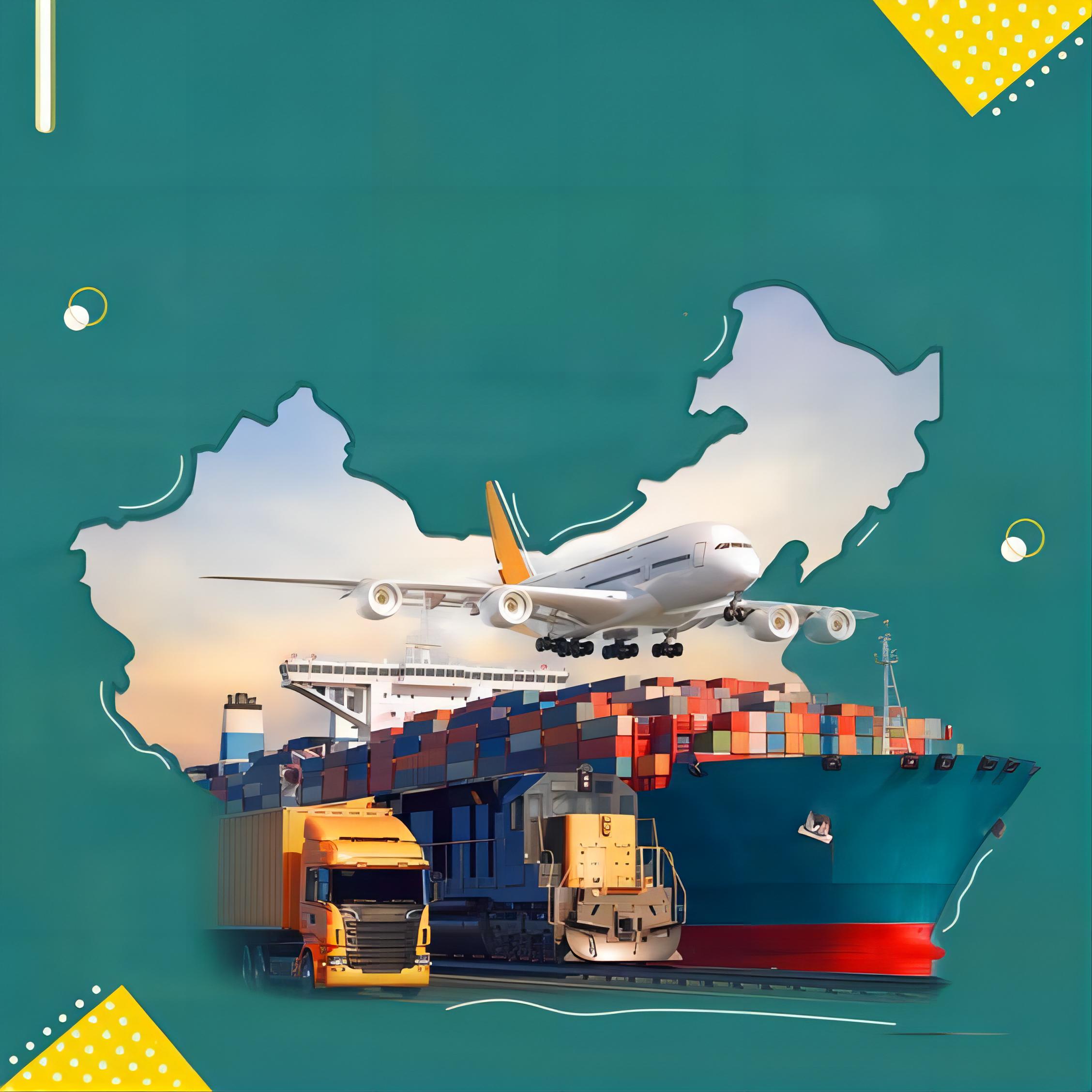
Why Choose Sea Freight for Home Goods from China to Europe?
Undeniably, sea freight offers significant cost advantages, especially for bulkier shipments. Therefore, businesses often prioritize this method when budget is a primary concern for their home decor and furniture imports.
Moreover, ocean transport provides unparalleled capacity for large volumes. This is particularly beneficial for importing extensive collections of household items, ensuring all your products can be shipped together efficiently.
Furthermore, sea freight boasts a lower carbon footprint per ton-mile compared to air freight. Consequently, it presents a more environmentally conscious choice for companies aiming to reduce their supply chain’s ecological impact.
Understanding Sea Freight Options: FCL vs. LCL for Home Goods
When planning your home goods sea freight China to Europe, selecting the correct container option is crucial. Essentially, you will choose between Full Container Load (FCL) and Less than Container Load (LCL) services.
FCL involves reserving an entire container exclusively for your goods. This option is generally more cost-effective for larger volumes, such as multiple pallets of furniture or a complete inventory of home accessories. It often provides faster transit times because there is no need for consolidation.
Conversely, LCL allows you to share container space with other shippers. This is an ideal solution for smaller shipments of home goods that do not fill an entire container, offering a flexible and economical approach to international shipping.
| Feature | FCL (Full Container Load) | LCL (Less than Container Load) | Best For |
|---|---|---|---|
| Cost Efficiency | Lower per unit for large volumes | Higher per unit for small volumes | Large retail orders |
| Transit Time | Generally faster, direct routing possible | Slightly longer due to consolidation | Smaller, frequent shipments |
| Cargo Security | Reduced handling, less risk of damage | More handling, slightly higher risk | Fragile or high-value items |
| Volume Threshold | Typically 15 CBM or more | Below 15 CBM | Individual items or samples |

Key Factors Influencing Home Goods Sea Freight China to Europe Costs and Transit Times
Several critical elements dictate the overall cost and transit time for your home goods sea freight from China to Europe. Understanding these factors is vital for effective budget planning and delivery scheduling.
Firstly, the volume and weight of your shipment directly impact freight rates. Larger or heavier consignments naturally incur higher costs, whether calculating per CBM for LCL or requiring a larger FCL container. Therefore, accurate cargo handling measurements are essential.
Secondly, the specific origin and destination ports play a significant role. Major ports like Shanghai or Ningbo to Rotterdam or Hamburg typically offer more frequent sailings and potentially better rates. However, inland transport to and from these ports adds to the overall cost and delivery schedule.
Moreover, the current market conditions, including fuel surcharges, carrier capacity, and seasonal demand, heavily influence pricing. For instance, rates often increase during peak seasons like before Chinese New Year or during the Q4 holiday rush. Indeed, staying informed about logistics trends is crucial.
Finally, the chosen service type, such as direct routes versus transshipment, affects both cost and transit time. Direct services are usually faster but can be more expensive. In contrast, transshipment routes, while potentially cheaper, might add several days to the journey. For reliable sea freight solutions, consider your specific needs carefully.
The Home Goods Sea Freight Process: Step-by-Step for Importers
Navigating the entire home goods sea freight China to Europe process can seem complex initially. However, breaking it down into manageable steps clarifies the journey from factory to your European doorstep.
Initially, the process begins with booking your shipment with a reputable freight forwarder. During this stage, you will provide details about your cargo, including type, volume, weight, and desired service level. Consequently, the forwarder will offer a suitable quote and schedule.
Subsequently, preparation of documentation is paramount. This includes the commercial invoice, packing list, and Bill of Lading (B/L). Accurate and complete paperwork is essential for smooth customs procedures.
Next, your goods are transported to the port of loading in China. Here, they undergo inspection and are loaded onto the vessel. For LCL shipments, consolidation with other cargo occurs before loading.
Upon arrival at the European port of discharge, the crucial customs clearance process begins. This involves submitting all required documents and paying any applicable duties and taxes. Therefore, engaging an experienced customs brokerage service can significantly expedite this phase.
Finally, after clearance, your home goods are released for local delivery. This might involve transportation to a warehouse or direct delivery to your final destination, completing the international import/export journey.
Navigating Customs and Regulations for Home Goods in Europe
Importing home goods into Europe requires a thorough understanding of customs regulations and potential duties. Compliance ensures a smooth entry for your products and avoids costly delays.
Firstly, all goods entering the European Union are subject to customs duties and Value Added Tax (VAT). The specific duty rates vary widely depending on the type of home good, classified under the Harmonized System (HS) codes. Therefore, accurate product classification is critical.
Moreover, certain home goods may be subject to specific import restrictions or require special certifications. For example, electronics might need CE marking, while textiles could have specific labeling requirements. Consequently, due diligence in product compliance is non-negotiable.
Furthermore, ensuring all documentation is precise and complete will prevent complications. Any discrepancies can lead to delays, fines, or even seizure of goods. This highlights the importance of meticulous preparation for your home goods sea freight China to Europe.
| Document | Purpose | Notes |
|---|---|---|
| Commercial Invoice | Details of goods, value, buyer/seller | Used for customs valuation and duties |
| Packing List | Itemized list of contents, weights, dimensions | Aids in cargo inspection and handling |
| Bill of Lading (B/L) | Contract of carriage, title to goods | Primary document for ocean transport |
| Certificate of Origin | Confirms country of manufacture | May impact duty rates under trade agreements |

How Does Sea Freight Compare to Other Shipping Options?
While sea freight is often the preferred method for home goods due to its cost-effectiveness, understanding alternative shipping methods is crucial for comprehensive supply chain management. Different scenarios call for different solutions.
Air freight, for instance, offers significantly faster transit times, often delivering within 3-7 days. However, it comes at a substantially higher cost, making it suitable only for urgent, high-value, or small-volume home goods. In contrast, sea freight prioritizes economy over speed. For time-sensitive shipments, exploring air freight options might be necessary.
Rail freight, an increasingly popular option for China to Europe routes, provides a balance between speed and cost. Transit times typically range from 18-25 days, faster than sea but slower than air, and generally more expensive than sea freight but cheaper than air. Nevertheless, its viability depends on specific rail network access.
For urgent small packages, express services offer door-to-door delivery within a few days, albeit at a premium. Consequently, the choice hinges on your priorities: budget, speed, or cargo type. Hybrid solutions, combining sea and rail or sea and air, can also offer optimized delivery schedules.
| Shipping Method | Cost Range | Transit Time | Best For | Limitations |
|---|---|---|---|---|
| Sea Freight | Low | 28-45 days | Large, heavy, non-urgent home goods | Slow transit, port congestion |
| Rail Freight | Medium | 18-25 days | Mid-sized, moderately urgent home goods | Limited routes, rail network reliance |
| Air Freight | High | 3-7 days | Small, high-value, urgent home goods | High cost, volume/weight restrictions |

Optimizing Your Home Goods Supply Chain from China to Europe
Effective supply chain management is paramount for businesses importing home goods. Optimizing each stage can lead to significant savings and improved delivery times for your home goods sea freight China to Europe.
Consider consolidating multiple smaller orders into a single larger shipment. This strategy maximizes container space, reducing per-unit shipping costs for various home decor items. Furthermore, it streamlines documentation and customs processes.
Exploring Amazon FBA services can be highly beneficial for online sellers. Direct shipping to Amazon fulfillment centers in Europe can cut down on intermediate warehousing and distribution costs, simplifying your logistics.
Furthermore, utilizing door-to-door delivery services simplifies the entire process. This comprehensive solution handles all aspects from pickup at the supplier’s factory to final delivery, minimizing your administrative burden and ensuring a seamless experience. Ultimately, this approach enhances overall delivery schedule reliability.
Real-World Home Goods Sea Freight Scenarios
Understanding how home goods sea freight from China to Europe operates in practice provides valuable insights. Here are a few typical scenarios based on current market rates and common shipping challenges for shipping from China to Europe.
Based on Q3 2024 market rates, these examples illustrate the various considerations in international logistics.
Case Study 1: Large Furniture Order for Retailer
| Detail | Description |
|---|---|
| Route | Shanghai, China -> Hamburg, Germany |
| Cargo | Wooden furniture sets (tables, chairs, cabinets), 60 CBM, 15,000 kg |
| Container | 2 x 40HQ |
| Shipping Details | Carrier: MSC, Port of Loading: Shanghai, Port of Discharge: Hamburg, Route Type: Direct |
| Cost Breakdown | Ocean Freight: $7,000 (2x$3,500), Origin Charges: $600, Destination Charges: $500, Customs & Duties (estimated): $2,800, Total Landed Cost: $10,900 |
| Timeline | Booking to Loading: 7 days, Sea Transit: 32 days, Customs Clearance: 3 days, Total Door-to-Door: 45 days |
| Key Insight | Direct route minimized transit time, but port congestion in Hamburg caused a 2-day delay in unloading. Effective communication with the carrier was crucial. |
Case Study 2: Boutique Home Decor LCL Shipment
| Detail | Description |
|---|---|
| Route | Ningbo, China -> Felixstowe, UK |
| Cargo | Ceramic vases, decorative pillows, small lamps, 8 CBM, 1,200 kg |
| Container | LCL 8 CBM |
| Shipping Details | Carrier: COSCO, Port of Loading: Ningbo, Port of Discharge: Felixstowe, Route Type: Transshipment via Singapore |
| Cost Breakdown | Ocean Freight: $560 (8x$70), Origin Charges: $250, Destination Charges: $350, Customs & Duties (estimated): $400, Total Landed Cost: $1,560 |
| Timeline | Booking to Loading: 5 days, Sea Transit: 38 days, Customs Clearance: 4 days, Total Door-to-Door: 50 days |
| Key Insight | Transshipment saved on ocean freight but added 6 days to transit. Proper packaging was essential for fragile items during multiple handling stages. |
Case Study 3: Seasonal Home Goods Collection for E-commerce
| Detail | Description |
|---|---|
| Route | Shenzhen, China -> Valencia, Spain |
| Cargo | Seasonal kitchenware and textiles, 25 CBM, 5,000 kg |
| Container | 1 x 20GP |
| Shipping Details | Carrier: Maersk, Port of Loading: Shenzhen, Port of Discharge: Valencia, Route Type: Direct |
| Cost Breakdown | Ocean Freight: $2,200, Origin Charges: $400, Destination Charges: $450, Customs & Duties (estimated): $1,000, Total Landed Cost: $4,050 |
| Timeline | Booking to Loading: 6 days, Sea Transit: 30 days, Customs Clearance: 2 days, Total Door-to-Door: 40 days |
| Key Insight | Shipment timed for pre-peak season, avoiding higher rates. Documentation was pre-cleared, speeding up customs. Timely planning prevented delays in a competitive market. |
Which Shipping Option Should You Choose for Your Home Goods?
Deciding the best shipping method for your home goods sea freight China to Europe ultimately depends on your specific business needs and priorities. Consider these key factors to make an informed choice.
If budget is your primary concern, especially for large, non-urgent volumes like furniture or bulk decor, FCL sea freight is almost always the most economical choice. Conversely, for smaller quantities where cost is still a factor, LCL sea freight offers a viable solution.
However, if speed is paramount, perhaps for seasonal collections or urgent stock replenishment, air freight becomes a necessary, albeit more expensive, option. Rail freight provides a commendable middle-ground, balancing reasonable speed with moderate costs.
Moreover, the type of home goods also influences the decision. Fragile items or those requiring specialized handling might benefit from the reduced handling of FCL. Ultimately, a tailored approach, often guided by experienced freight forwarders, yields the best results.
Conclusion
In conclusion, successful home goods sea freight China to Europe relies on careful planning, understanding market dynamics, and partnering with an experienced freight forwarder. By considering factors like FCL vs. LCL, transit times, and customs procedures, you can ensure a smooth and cost-effective delivery of your valuable goods.
Navigating the complexities of international shipping for home goods requires expertise and attention to detail. For tailored advice and seamless execution of your next shipment, consider reaching out to our team of specialists.
Need a tailored shipping solution?
Ready to streamline your home goods sea freight China to Europe? Partner with Top China Freight for reliable and efficient logistics solutions. Contact us today for a personalized quote and let our experts handle your international shipping needs.