

Home Goods Shipping China to USA: The 2025 Logistics Guide
Shipping home goods shipping china to usa represents a significant opportunity for retailers and homeowners looking to access high-quality products at competitive prices. Navigating the complexities of international logistics requires a reliable partner like Top China Freight to ensure your cargo arrives safely and on time. Indeed, understanding the nuances of freight rates, customs regulations, and transit times is essential for maintaining a healthy supply chain and avoiding unexpected costs.

What are the Primary Methods for Home Goods Shipping China to USA?
Importers typically choose between several transportation modes depending on their budget and urgency. Most businesses prefer sea freight because it offers the most economical solution for bulky items like furniture and kitchenware. Consequently, ocean transport remains the backbone of the global furniture trade.

Alternatively, air freight serves as a vital option for high-value home accessories or urgent seasonal inventory. Although the costs are significantly higher, the speed of delivery often justifies the investment for time-sensitive product launches. Meanwhile, express couriers provide the fastest door-to-door service for small parcels and samples.
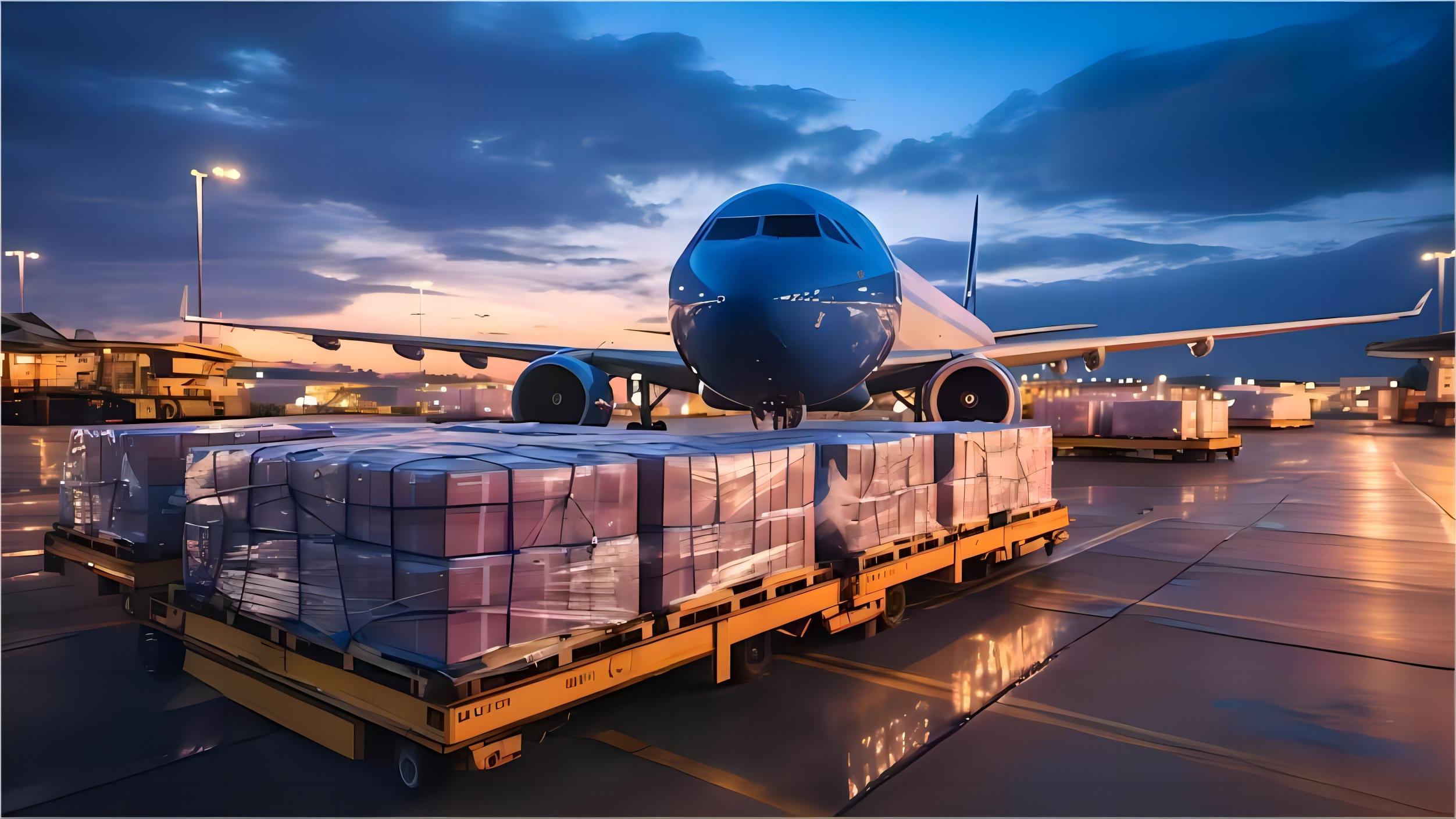
Full Container Load (FCL) vs Less than Container Load (LCL)
How Does Sea Freight Compare to Other Shipping Options?
Evaluating different logistics channels involves balancing speed against total landed costs. While ocean freight takes considerably longer than air transport, the price per unit is drastically lower for heavy home goods. Furthermore, sea transport has a much lower carbon footprint per ton-mile compared to aviation.
Moreover, the stability of sea freight rates in 2025 has made long-term planning easier for American importers. Nevertheless, port congestion and seasonal peaks can still impact the delivery schedule during the holiday rush. Accordingly, businesses must plan their orders at least three months in advance to ensure inventory availability.
| Shipping Method | Cost Range | Transit Time | Best For |
|---|---|---|---|
| Sea Freight (FCL) | $1,500 – $4,500 | 14 – 35 Days | Furniture & Bulky Goods |
| Sea Freight (LCL) | $50 – $150/CBM | 20 – 40 Days | Small Inventories |
| Air Freight | $4 – $8/kg | 3 – 7 Days | High-Value Decor |
| Express Courier | $7 – $12/kg | 2 – 5 Days | Product Samples |
Alternative Shipping Strategies for Home Goods
Smart importers often utilize hybrid solutions to optimize their supply chain performance. For instance, combining sea freight with domestic trucking can reduce costs compared to all-air routes. Additionally, some logistics providers offer sea-air services that bridge the gap between cost and speed.
Another effective strategy involves transshipment through secondary ports to avoid congestion at major hubs like Los Angeles. However, this may add a few days to the total transit time while saving hundreds of dollars in storage fees. Consequently, flexibility in routing can lead to significant annual savings for high-volume importers.
Which Option Should You Choose for Your Home Goods?
Decision making should follow a clear framework based on your specific business priorities. If your primary goal is cost reduction, ocean freight is the undisputed winner for almost all home goods categories. On the other hand, if you are restocking a popular item for Amazon FBA, air freight might be necessary to prevent stockouts.
Volume thresholds also play a critical role in your selection process. Once your shipment exceeds 15 cubic meters, switching from LCL to a 20GP container usually becomes more economical. Indeed, maximizing container utilization is the most effective way to lower your per-unit shipping costs.
Navigating Customs and Duties for US Imports
Managing the legal requirements of importing requires professional customs brokerage to avoid costly delays and penalties. Specifically, home goods often fall under various tariff classifications that determine the final duty rate. Furthermore, the US Customs and Border Protection (CBP) requires accurate documentation for every entry.
Importers must also be aware of anti-dumping duties that may apply to specific categories like wooden bedroom furniture. Therefore, verifying your HTS codes before the cargo leaves China is a vital step in the logistics process. In addition, purchasing marine insurance is highly recommended to protect your investment against unforeseen maritime perils.
Case Studies: Real-World Home Goods Shipping Scenarios
Case Study 1: Furniture Distribution. Route: Foshan, China to Los Angeles, USA. Cargo: Living room furniture, 28 CBM, 4500 kg. Container: 40GP. Shipping Details: Direct sea freight via COSCO. Ocean Freight: $2,100. Origin Charges: $450. Destination Charges: $600. Customs and Duties: $1,200. Total Landed Cost: $4,350. Timeline: 18 days door-to-door. Key Insight: Using a direct route to the West Coast saved 12 days compared to an East Coast discharge.
Case Study 2: Kitchenware E-commerce. Route: Ningbo, China to New York, USA. Cargo: Stainless steel cookware, 6 CBM, 1200 kg. Container: LCL. Shipping Details: Transshipment via Panama Canal. Ocean Freight: $720. Origin Charges: $300. Destination Charges: $550. Customs and Duties: $800. Total Landed Cost: $2,370. Timeline: 34 days door-to-door. Key Insight: Consolidating multiple small orders into one LCL shipment reduced shipping costs by 30% compared to express courier.
Essential Documentation for Home Goods Shipping China to USA
Successful logistics depend on the accuracy of your paperwork to ensure a smooth transition through international borders. The commercial invoice must clearly state the value, country of origin, and detailed description of the goods. Additionally, the packing list should match the physical contents of the container exactly to avoid inspection delays.
Moreover, the Bill of Lading serves as the contract of carriage and the title to the goods. Without this document, you cannot take possession of your cargo at the destination port. Accordingly, ensuring that all documents are digitalized and shared with your freight forwarder early is a best practice for modern importers.
How to Select a Reliable Freight Forwarder?
Choosing a partner for door to door shipping involves more than just comparing price quotes. You should look for a company with extensive experience in the China-USA lane and a strong network of local agents. Furthermore, transparency in pricing and real-time tracking capabilities are essential features for managing modern supply chains.
Indeed, a good forwarder will provide proactive communication regarding potential delays or regulatory changes. They should also offer value-added services like consolidation, labeling, and quality inspections at the origin. Consequently, a long-term partnership with a trusted logistics expert can provide a significant competitive advantage in the home goods market.
Final Thoughts on Shipping Home Goods from China
To summarize, successfully managing home goods shipping china to usa requires a strategic approach to method selection and customs compliance. By balancing sea and air freight options, importers can optimize their delivery schedules while keeping costs under control. Moreover, staying informed about market trends and logistics best practices ensures your business remains resilient in a changing global economy.
Indeed, the complexity of international trade is best handled with the support of experienced professionals. Whether you are shipping a single container of furniture or managing a complex e-commerce inventory, the right logistics strategy will drive your success. Start planning your 2025 imports today to secure the best freight rates and ensure your home goods reach your customers without delay.
Ready to streamline your logistics?
Ready to streamline your home goods shipping china to usa? Contact our logistics experts today for a customized quote and expert guidance on your next shipment. Send Inquiry to Top China Freight.
Request Quote