
How to Ship Machinery from China to Europe: A Complete Guide
Shipping machinery from China to Europe presents significant logistical challenges for businesses. Navigating international regulations, choosing the right transport method, and managing costs are critical for a successful delivery. This comprehensive guide offers practical insights and expert advice to streamline your heavy equipment shipments. Discover how Top China Freight provides tailored solutions for your unique needs.

Understanding the Landscape of Machinery Shipping from China to Europe
Indeed, shipping machinery from China to Europe demands a deep understanding of global logistics. Businesses frequently face hurdles like varying regulatory requirements and intricate customs procedures. Meticulous planning is therefore paramount for ensuring a smooth, compliant transit.
Furthermore, this journey impacts your entire supply chain, influencing production schedules and market delivery. Consequently, choosing a reliable freight forwarder is a strategic decision. This decision directly affects both your budget and the timely arrival of your valuable equipment.
Key Factors Influencing Your Shipping Decision
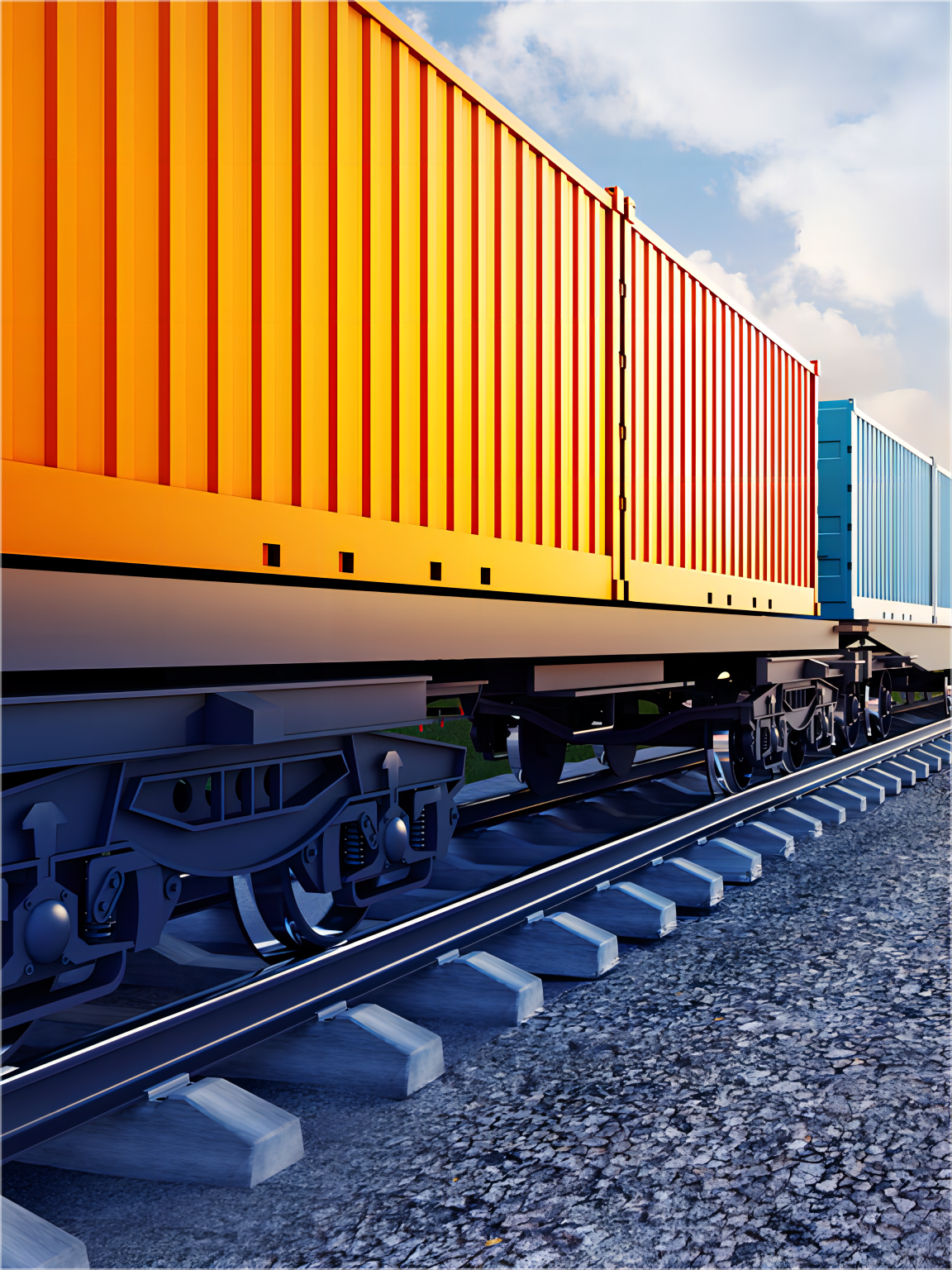
Ultimately, several critical factors must be evaluated when determining the optimal strategy for how to ship machinery from China to Europe. These elements collectively shape the most suitable shipping method, route, and overall cost. Understanding them early prevents costly delays and unexpected expenses.
Cargo Type and Dimensions
Specifically, the size, weight, and fragility of your machinery are primary considerations. Oversized or heavy-lift cargo requires specialized handling equipment and potentially different transport vessels. Additionally, delicate components might necessitate specific packaging.
Moreover, the machinery’s classification affects customs duties and import regulations. Therefore, accurate declarations and proper preparation are essential for compliance.
Urgency and Transit Time
Clearly, the required delivery timeframe significantly impacts your choice of shipping method. Urgent needs favor faster but more expensive options like air freight. Conversely, if you have flexibility, sea freight offers a cost-effective solution, albeit with longer transit times.
Consequently, aligning your production schedule with realistic transit expectations is crucial. Building in a buffer period for critical shipments is always a prudent strategy.
Budget and Cost Considerations
Ultimately, the total shipping cost is a major determinant for any business. This includes freight rates, origin/destination charges, customs duties, taxes, and potential insurance. A comprehensive cost analysis is vital before committing to a shipping plan.
Furthermore, balancing speed with cost-efficiency often requires a trade-off. Sea freight offers lower unit costs for bulk volumes, making it ideal for budget-conscious shipments.
Regulatory Compliance and Documentation
Without a doubt, adherence to both Chinese export regulations and European import laws is non-negotiable. This involves obtaining necessary licenses, providing accurate commercial invoices, and certificates of origin. Any discrepancies can lead to significant delays and penalties.
Moreover, specific machinery types may require additional certifications, such as CE marking for products entering the European Economic Area. Therefore, working with an experienced customs broker is highly recommended.
How Does Each Shipping Method Compare for China-Europe Machinery?
Indeed, selecting the appropriate shipping method is paramount when considering how to ship machinery from China to Europe. Each option presents distinct advantages and disadvantages concerning cost, speed, and capacity. Therefore, a careful evaluation against your specific shipment criteria is essential for an informed decision.
Furthermore, current market conditions, including factors like the Red Sea disruptions, significantly influence transit times and freight rates. Consequently, staying updated with global logistics trends is crucial for planning your machinery import strategy effectively.
| Shipping Method | Cost Range (per CBM/kg) | Transit Time | Best For | Limitations |
|---|---|---|---|---|
| Sea Freight (FCL/LCL) | Low to Moderate ($50-150/CBM) | 28-45 days | Large, heavy, non-urgent machinery; cost-effective for bulk | Slowest option; potential for port congestion delays; FCL might be overkill for small items |
| Rail Freight | Moderate ($100-250/CBM) | 18-25 days | Medium to large machinery; faster than sea, cheaper than air; landlocked destinations | Limited capacity compared to sea; route restrictions; potential for border delays |
| Air Freight | High ($4-8/kg) | 5-10 days | Small, urgent, high-value, or time-sensitive machinery; spare parts | Most expensive option; weight and size restrictions; high carbon footprint |
| Multimodal (Sea-Rail/Sea-Air) | Variable | 20-35 days | Balancing cost and speed; reaching specific inland destinations | Increased complexity; potential for transshipment delays |

Alternative Strategies and Cost-Saving Approaches
Accordingly, understanding alternative approaches can significantly optimize your machinery shipping process and budget. Combining different modes of transport or adjusting container utilization can yield substantial benefits. Moreover, these strategies offer flexibility in response to evolving market conditions and specific project timelines.
Conversely, simply opting for the cheapest method might lead to unforeseen delays or damages. Hence, a balanced approach considering both cost and reliability is always recommended for valuable cargo.
FCL vs. LCL for Sea Freight
Primarily, for shipments under 15 CBM, Less than Container Load (LCL) at $50-80/CBM may be more economical than a Full Container Load (FCL). FCL provides exclusive use of a container (20GP, 40GP, 40HQ), offering better security and faster transit. For larger machinery, FCL is almost always the go-to choice.
Additionally, FCL costs for a 40HQ from China to Europe typically range from $3,000-4,200. Therefore, carefully calculate your cargo’s volume to determine the most cost-effective option. Consider sea freight options tailored to your volume.
Direct vs. Transshipment Routes
Generally, direct routes cost 10-15% more but can save 5-7 days compared to transshipment via major hubs like Singapore or Port Klang. While transshipment might offer lower initial freight rates, the added handling and potential for delays should be factored.
Consequently, direct routes minimize handling risks for delicate machinery. Assess your urgency and risk tolerance when choosing between these options.
Multimodal and Hybrid Solutions
Moreover, hybrid solutions, such as rail freight combined with sea or road transport, offer a compelling middle ground. For instance, a sea-rail combination can provide a balance of cost-effectiveness and speed for inland European destinations. This reduces transit time compared to all-sea routes.
Additionally, for urgent components, a sea-air combination might be considered. This cuts transit significantly compared to pure sea freight. Consult with logistics providers for these complex solutions.
Navigating Customs and Documentation for European Imports
Unquestionably, successful customs clearance is a pivotal step in shipping machinery from China to Europe. Inaccurate or incomplete documentation is a leading cause of delays, incurring storage fees. Proactive preparation and expert guidance are indispensable.
Moreover, European Union regulations require specific compliance, including CE marking for many types of machinery. Consequently, understanding these requirements before shipment is critical to avoid issues upon arrival. Leveraging a professional customs brokerage service can simplify this complex process.
| Document Type | Purpose | Key Details |
|---|---|---|
| Commercial Invoice | Details of the transaction | Accurate description of goods, value, Incoterms, currency |
| Packing List | Details of cargo contents | Itemized list, weight, dimensions, packaging type |
| Bill of Lading (B/L) / Air Waybill (AWB) | Contract of carriage, title to goods | Issued by carrier, sender/receiver details, cargo description |
| Certificate of Origin | Proves country of manufacture | Required for preferential tariffs or specific trade agreements |
| CE Marking Certificate | EU product safety compliance | Mandatory for many machinery types entering the EEA |
| Import License | Specific goods control | Required for certain restricted or controlled machinery types |
| Customs Declaration Form | Declaration to customs authorities | Submitted by importer or customs broker |
Real-World Scenarios: Shipping Machinery from China to Europe
These case studies illustrate the practical application of various shipping strategies for machinery, highlighting typical costs and transit times. Based on Q3 2024 market rates, these examples provide a realistic view of how to ship machinery from China to Europe under different circumstances.
Note: Freight rates are subject to change based on fuel costs, carrier capacity, and seasonal demand. Contact us for a current quote tailored to your specific shipment.
Case Study 1: Large Industrial Press to Germany
| Detail | Description |
|---|---|
| Route | Shanghai, China -> Hamburg, Germany |
| Cargo | Hydraulic Press, 28 CBM, 15,000 kg |
| Container | 1 x 40HQ |
| Shipping Details | Carrier: COSCO, Port of Loading: Shanghai, Port of Discharge: Hamburg, Route Type: Direct |
| Cost Breakdown | Ocean Freight: $3,500, Origin Charges: $450, Destination Charges: $550, Customs & Duties (estimated): $1,200, Total Landed Cost: $5,700 |
| Timeline | Booking to Loading: 7 days, Sea Transit: 32 days, Customs Clearance: 3 days, Total Door-to-Port: 42 days |
| Key Insight | Direct FCL minimized handling risk and ensured a predictable schedule for this critical equipment. Typical rates as of early 2025. |
Case Study 2: Urgent Spare Parts to France
| Detail | Description |
|---|---|
| Route | Guangzhou, China -> Paris, France |
| Cargo | Precision Machine Components, 1.2 CBM, 350 kg |
| Container | Air Cargo (Consolidated) |
| Shipping Details | Carrier: Major Air Cargo, Port of Loading: Guangzhou (CAN), Port of Discharge: Paris (CDG), Route Type: Direct Air Freight |
| Cost Breakdown | Air Freight: $2,100, Origin Charges: $180, Destination Charges: $250, Customs & Duties (estimated): $300, Total Landed Cost: $2,830 |
| Timeline | Booking to Loading: 2 days, Air Transit: 6 days, Customs Clearance: 1 day, Total Door-to-Port: 9 days |
| Key Insight | Air freight was chosen for speed, crucial for minimizing production downtime. Cost was higher but justified by urgency. |
Case Study 3: Agricultural Equipment to Poland via Rail
| Detail | Description |
|---|---|
| Route | Xi’an, China -> Warsaw, Poland |
| Cargo | Small Tractor Units, 40 CBM, 12,000 kg |
| Container | 2 x 20GP |
| Shipping Details | Carrier: China-Europe Railway Express, Terminal of Loading: Xi’an, Terminal of Discharge: Małaszewicze, Route Type: Direct Rail |
| Cost Breakdown | Rail Freight: $7,000, Origin Charges: $600, Destination Charges: $800, Customs & Duties (estimated): $1,500, Total Landed Cost: $9,900 |
| Timeline | Booking to Loading: 5 days, Rail Transit: 18 days, Customs Clearance: 2 days, Total Door-to-Terminal: 25 days |
| Key Insight | Rail offered speed over sea for inland Europe, at a more affordable rate than air cargo. Based on Q4 2024 rates. |
Optimizing Your Shipping Strategy: Tips and Best Practices
In order to effectively manage your machinery shipments, adopting several best practices can significantly enhance efficiency and reduce risks. These tips streamline operations and ensure compliance throughout the logistics process. Proactive planning is therefore your best ally.
Ultimately, partnering with an experienced logistics provider is paramount. They offer invaluable insights and bespoke solutions, simplifying how to ship machinery from China to Europe.
Choosing the Right Incoterms
Precisely, Incoterms define the responsibilities of buyers and sellers for goods delivery. Selecting the correct Incoterm (e.g., EXW, FOB, CIF, DDP) dictates who is responsible for costs, risks, and insurance. Clarify these terms with your supplier early.
Moreover, opting for door to door service under DDP (Delivered Duty Paid) Incoterms simplifies the process for the buyer, as the seller handles all aspects up to the final destination.
Packaging and Preparation
Furthermore, proper packaging is non-negotiable for machinery, especially for international transit. Cargo can endure significant movement and environmental changes. Utilize robust crating, protective wraps, and anti-corrosion treatments to safeguard your equipment.
Consequently, investing in high-quality packaging minimizes the risk of damage during loading, unloading, and transit. This proactive measure ultimately protects your investment and prevents costly repairs.
Insurance Considerations
Without a doubt, marine cargo insurance is highly recommended, regardless of the shipping method chosen. While carriers offer limited liability, this often falls short of the machinery’s actual value. Comprehensive insurance provides financial protection against loss, damage, or theft.
Indeed, the peace of mind offered by robust insurance coverage far outweighs its cost. It acts as a vital safety net against unforeseen events that can impact your supply chain.
Leveraging Technology and Expertise
Additionally, modern logistics platforms offer real-time tracking and visibility, allowing you to monitor your shipment’s progress. This transparency helps in managing expectations and proactively addressing potential delays.
Consequently, relying on expert knowledge and advanced tools can transform a potentially stressful process into a seamless one. Their insights into optimal routes and regulatory changes are invaluable assets.
Which Option Should You Choose for Your Machinery Shipment?
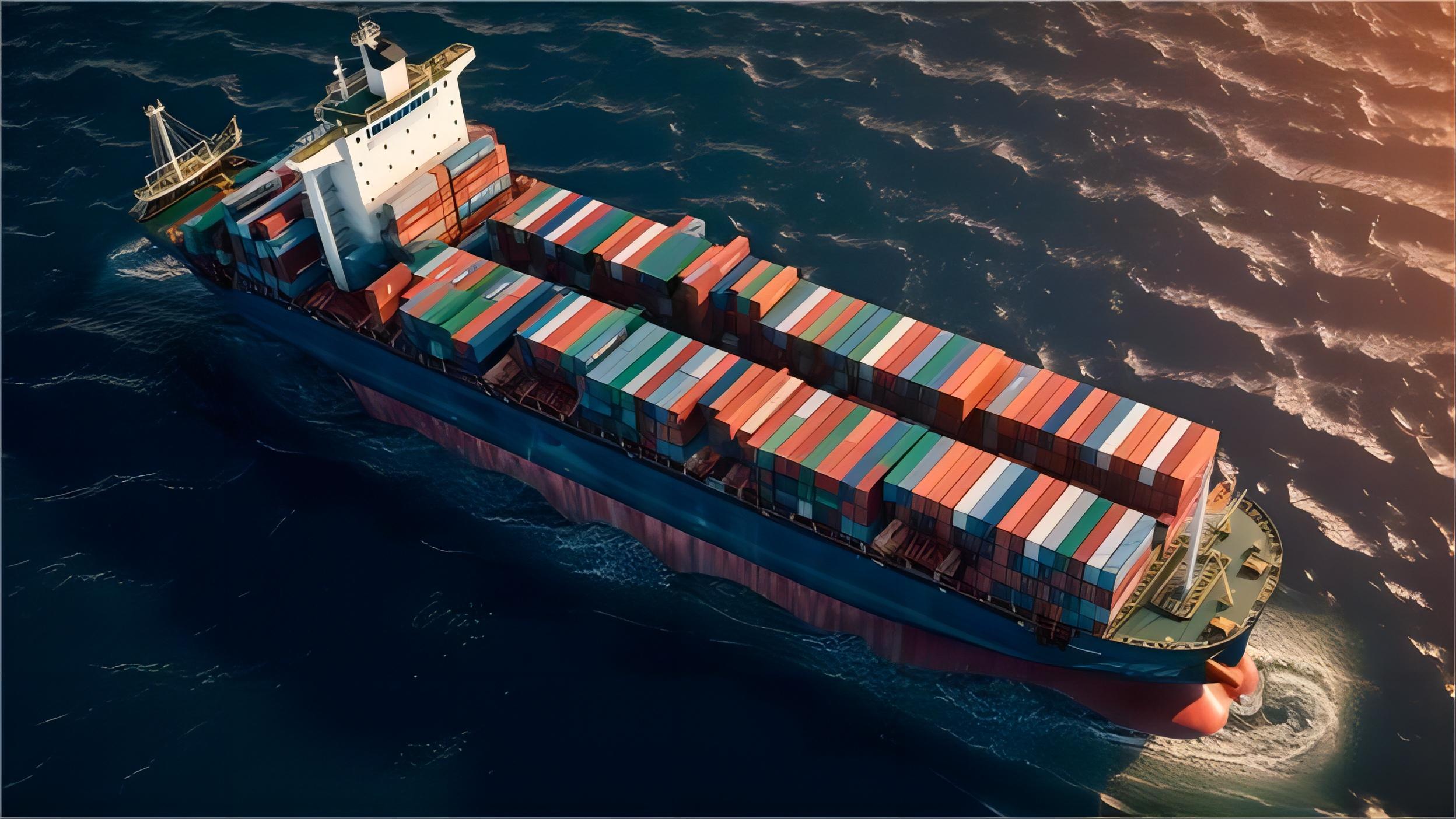
Ultimately, the best shipping method for your machinery from China to Europe depends entirely on your specific priorities and constraints. There is no one-size-fits-all solution; instead, a tailored approach based on careful assessment is required. Consider these decision criteria:
For instance, if budget is your primary concern and you have ample time, sea freight (FCL for large items, LCL for smaller components) is typically the most cost-effective. However, be prepared for longer transit times and potential port delays. This method is ideal for non-urgent, high-volume shipments.
Conversely, when speed is critical, and the machinery is high-value or urgently needed for production, air freight is the superior choice. Despite its higher cost, the significantly reduced transit time can prevent costly downtime. This option is best for time-sensitive, smaller, or lighter machinery.
Alternatively, for a balance between speed and cost, particularly for inland European destinations, rail freight presents a compelling option. It is faster than sea freight and more economical than air, making it suitable for medium-urgency, medium-volume machinery.
Finally, consider multimodal solutions if your cargo requires a blend of advantages. For example, a sea-rail combination can optimize both transit time and cost for specific routes, offering a flexible and efficient supply chain strategy. Your cargo type, dimensions, and destination will guide this choice.
Current Market Trends and Rate Fluctuations
Presently, the global shipping market remains dynamic, with various factors influencing freight rates and transit times for machinery from China to Europe. As of Q1 2025, freight rates from China to Europe have seen stabilization after the significant volatility caused by the 2024 Red Sea disruptions. Nevertheless, regional conflicts and port congestion can still introduce unpredictability.
Moreover, seasonal patterns consistently impact pricing. Rates typically increase 15-25% during the August-October peak season leading up to the holiday demand. Furthermore, fuel surcharges, known as Bunker Adjustment Factors (BAF), fluctuate with global oil prices, directly affecting overall shipping costs.
Therefore, planning shipments outside peak seasons or booking well in advance can lead to considerable savings. Staying informed about these logistics trends and consulting with experienced freight forwarders is essential for accurate budgeting and timely delivery.
Mastering Machinery Shipping from China to Europe
In conclusion, successfully shipping machinery from China to Europe requires a strategic approach, a thorough understanding of various transport options, and meticulous attention to detail. From selecting the right method (sea, rail, or air) to navigating complex customs regulations, each step is crucial. Ultimately, partnering with a knowledgeable freight forwarder like Top China Freight is invaluable.
Indeed, by carefully evaluating your cargo’s characteristics, urgency, and budget, you can optimize your logistics strategy. This ensures efficient, cost-effective, and compliant delivery of your valuable machinery. Therefore, mastering how to ship machinery from China to Europe is achievable with expert guidance and careful planning.
Ready to streamline your logistics?
Ready to streamline your machinery shipments from China to Europe? Do not let the complexities of international logistics slow down your business operations. Contact our experts today for a personalized quote and discover how we can tailor a robust shipping solution that meets your specific requirements for how to ship machinery from China to Europe.
Request Quote