

How to Ship Medical Equipment From China to USA: A 2025 Comprehensive Guide
Managing the logistics of healthcare technology requires precision and strict adherence to international safety standards. Knowing how to ship medical equipment from china to usa is essential for businesses looking to maintain a reliable supply chain while ensuring patient safety. Top China Freight provides the expertise needed to navigate these complex waters efficiently. This guide explores everything from regulatory compliance to choosing the right transit method for your sensitive cargo.

Understanding the Logistics of How to Ship Medical Equipment From China to USA
Shipping medical devices involves much more than just moving boxes from one continent to another. These items are often high-value, fragile, and sensitive to environmental changes like temperature or humidity. Consequently, selecting a partner who understands the nuances of medical logistics is the first step toward success.

Regulatory bodies like the FDA in the United States maintain strict oversight on all imported medical goods. Therefore, every shipment must be accompanied by perfect documentation to avoid costly delays at the port of entry. Furthermore, the classification of your equipment determines the specific shipping protocols you must follow.
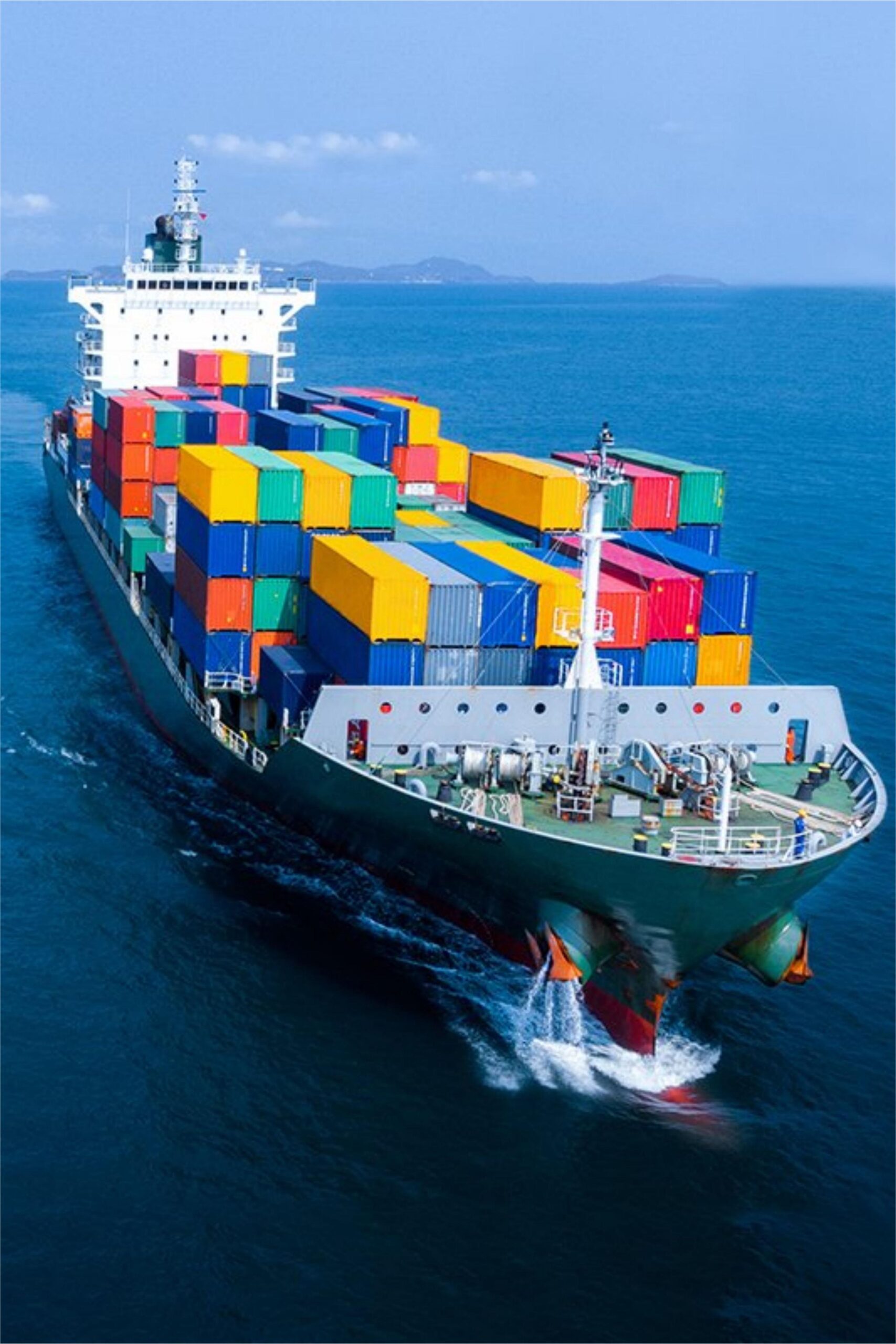
Choosing the right freight method is a critical decision that impacts both your budget and your delivery schedule. While some smaller diagnostic tools might be suitable for flight, larger hospital beds or imaging machines usually require ocean transport. Indeed, balancing speed and cost is a constant challenge for importers in this sector.
Comparing Shipping Methods for Medical Cargo
Determining the best way to transport your goods depends heavily on the volume and urgency of the order. For instance, air freight is the preferred choice for urgent medical supplies or high-value laboratory equipment. It offers the fastest transit times and superior security for delicate components.
On the other hand, sea freight is significantly more economical for bulk shipments and oversized machinery. Although it takes longer, the cost savings for large-scale hospital projects can be substantial. Additionally, ocean transport is often the only viable option for very heavy equipment that exceeds aircraft weight limits.
Many businesses now opt for a door to door service to simplify the entire process. This approach minimizes handling and ensures that the equipment is managed by a single logistics provider from the factory floor to the final destination. As a result, the risk of damage during transshipment is greatly reduced.
| Shipping Method | Cost Range | Transit Time | Best For |
|---|---|---|---|
| Air Freight | $5.00 – $12.00 per kg | 3 – 7 Days | Urgent, High-Value |
| Sea Freight (LCL) | $150 – $300 per CBM | 18 – 35 Days | Small Bulk, Non-Urgent |
| Sea Freight (FCL) | $2,500 – $5,500 per 40HQ | 18 – 35 Days | Large Machinery, Volume |
| Express Service | $8.00 – $15.00 per kg | 2 – 5 Days | Samples, Spare Parts |
How Does Sea Freight Compare to Other Shipping Options?
Evaluating all available transit modes is vital for optimizing your supply chain costs. While sea freight is the standard for volume, it is important to consider the trade-offs in speed and reliability. For example, a 40HQ container from Shenzhen to Long Beach might cost $3,000, whereas air freight for the same volume could exceed $20,000.
Direct shipping routes usually cost about 15% more than transshipment options but can save up to a week in transit time. However, transshipment through hubs like Busan or Kaohsiung can provide a budget-friendly alternative if your schedule is flexible. Consequently, your choice should align with your inventory needs and market demand.
Hybrid solutions, such as sea-air shipping, offer a middle ground by combining the cost-effectiveness of ocean travel with the speed of flight. Typically, cargo is moved by sea to a hub like Dubai or Singapore and then flown to the USA. This strategy can reduce costs by 30% compared to pure air freight while being twice as fast as sea freight.
| Method | Cost Priority | Speed Priority | Reliability |
|---|---|---|---|
| Sea Freight | High | Low | Moderate |
| Air Freight | Low | High | High |
| Sea-Air Hybrid | Moderate | Moderate | Moderate |
FDA Regulations and Customs Compliance
Navigating the legal landscape is perhaps the most difficult part of learning how to ship medical equipment from china to usa. The FDA requires all foreign manufacturers and importers to register their facilities and list their devices. Without these registrations, your cargo will likely be detained or refused entry at the border.
Using a professional customs brokerage is highly recommended to ensure all paperwork is filed correctly. Brokers understand the specific Harmonized System (HS) codes for medical devices, which dictate the duty rates and taxes you must pay. Moreover, they can help you manage the ‘Initial Importer’ requirements mandated by US law.
Documentation such as the Bill of Lading, Commercial Invoice, and Packing List must be meticulously prepared. In addition, you may need to provide certificates of conformity or test reports to prove the equipment meets US safety standards. Therefore, starting the documentation process early is essential for a smooth import experience.
| Document Name | Purpose | Required By |
|---|---|---|
| FDA 510(k) | Premarket Notification | FDA |
| Commercial Invoice | Valuation and Duty | US Customs |
| Packing List | Cargo Verification | Carrier/Customs |
| Certificate of Origin | Trade Agreement Proof | US Customs |
Packaging and Handling for Sensitive Medical Devices
Proper packaging is the only way to ensure that delicate medical instruments arrive in working condition. For instance, diagnostic equipment often requires anti-vibration padding and moisture-resistant barriers. Furthermore, temperature-controlled shipping (reefer containers) is mandatory for certain chemical reagents or biocompatible materials.
Labels must clearly indicate the fragile nature of the cargo and provide handling instructions in both English and Chinese. Additionally, using shock sensors or tilt indicators on the crates can help you monitor the quality of handling during transit. If these sensors are triggered, you will have immediate evidence for insurance claims.
Palletization should be done using ISPM-15 compliant wooden pallets to meet international phytosanitary standards. Nevertheless, plastic pallets are often preferred for medical environments because they are easier to sanitize upon arrival. Selecting the right materials at the origin will prevent delays and contamination risks in North America.
Real-World Case Studies in Medical Shipping
Case Study 1: Urgent Ultrasound Machine Delivery. Route: Shanghai to Chicago. Cargo: 5 Ultrasound Units, 1.2 CBM, 450 kg. Shipping Method: Air Freight. Cost Breakdown: Air Freight $3,800, Origin Charges $250, Customs $400. Total Door-to-Door: 6 days. Key Insight: Using air freight allowed the hospital to meet an urgent diagnostic deadline despite factory delays.
Case Study 2: Hospital Bed Bulk Order. Route: Ningbo to Los Angeles. Cargo: 40 Hospital Beds, 40HQ Container. Shipping Method: Sea Freight (FCL). Cost Breakdown: Ocean Freight $2,800, Destination Charges $850, Duties $1,200. Total Door-to-Door: 24 days. Key Insight: Choosing FCL over LCL saved the client approximately 20% in per-unit shipping costs.
Case Study 3: Laboratory Centrifuges. Route: Shenzhen to New York. Cargo: 12 Units, 3 CBM, 800 kg. Shipping Method: Sea-Air Hybrid via Singapore. Cost Breakdown: Total Landed Cost $4,200. Total Door-to-Door: 14 days. Key Insight: The hybrid method provided a perfect balance between the high cost of air and the slow speed of sea.
Which Option Should You Choose for Your Equipment?
Deciding on a shipping strategy requires a clear understanding of your business priorities. If your primary goal is budget conservation, sea freight is the clear winner for any shipment over 2 CBM. However, if you are launching a new product or replacing a broken machine, the speed of air freight justifies the higher expense.
Volume thresholds often dictate the switch from LCL to FCL shipping. Typically, once your cargo exceeds 15 CBM, booking a full 20GP container becomes more cost-effective than paying for individual cubic meters in a shared container. Consequently, consolidating your orders in China can lead to significant long-term savings.
Cargo type also plays a major role in the decision framework. Large, durable items like MRI machines or surgical tables are best suited for the stability of ocean containers. Conversely, small, high-sensitivity electronics benefit from the reduced handling and shorter transit times of air cargo. Always consult with a specialist to determine the safest route.
Cost Saving Strategies for Medical Importers
Reducing your total landed cost is possible through careful planning and negotiation. For example, shipping during the off-peak season (typically March to July) can save you up to 25% on freight rates. Moreover, optimizing your packaging to reduce dead space will lower your chargeable weight for air shipments.
Negotiating ‘Free Time’ at the port of discharge is another effective way to avoid extra costs. This allows you more days to clear customs and pick up your container before demurrage charges begin to accrue. Furthermore, maintaining a consistent shipping volume can help you secure better contract rates with major carriers.
Note: Freight rates are subject to change based on fuel costs, carrier capacity, and seasonal demand. Contact us for a current quote tailored to your specific shipment. Industry average for this route suggests that rates in early 2025 have stabilized, making it an ideal time to plan your upcoming medical imports.
Final Thoughts on Shipping Medical Gear
Mastering how to ship medical equipment from china to usa requires a blend of regulatory knowledge, strategic planning, and the right logistics partnerships. By understanding the differences between air and sea freight and ensuring total FDA compliance, you can protect your investment and ensure timely delivery.
Whether you are shipping a single diagnostic tool or outfitting an entire hospital, the principles of safety and efficiency remain the same. Always prioritize quality packaging and clear documentation to navigate the complexities of international trade. With the right approach, your medical equipment imports will become a seamless part of your business operations.
Ready to streamline your logistics?
Ready to streamline your medical supply chain? Contact our experts today to master how to ship medical equipment from china to usa with a customized logistics plan. Send Inquiry: https://Top China Freight.com/
Request Quote