
Jewelry Shipping China to Europe: Your Ultimate Guide
Shipping delicate and valuable jewelry from China to Europe presents unique challenges, from ensuring secure transit to navigating complex customs regulations. Consequently, businesses require reliable logistics partners and a clear understanding of the entire process. This comprehensive guide will illuminate the best strategies for efficient jewelry shipping from China to Europe, addressing key concerns and providing actionable solutions for your valuable cargo.
✦
What Are the Primary Challenges of Jewelry Shipping China to Europe?
Transporting valuable jewelry across continents demands meticulous planning and execution. Primarily, concerns revolve around security, customs compliance, and cost-effectiveness. Furthermore, selecting the right shipping method directly impacts transit time and the safety of your precious cargo.
Indeed, understanding the intricacies of international trade is paramount for successful jewelry imports. Consequently, businesses must carefully consider every stage of the supply chain, from origin packaging to final European delivery. This proactive approach helps mitigate risks and ensures smooth operations.
Key Considerations for Secure International Jewelry Shipments
Ensuring the safety and compliance of your jewelry shipment is non-negotiable. Therefore, several critical factors require your close attention before initiating any transport. Proper preparation significantly reduces potential delays and financial losses.
Moreover, the intrinsic value of jewelry necessitates specialized handling and robust security measures. Failing to address these aspects can lead to significant complications, affecting both your reputation and profitability.
Valuation and Comprehensive Insurance
Firstly, accurately declare the full value of your jewelry for customs and insurance purposes. This declaration forms the basis for any potential claims. Without a doubt, adequate insurance coverage is indispensable for protecting high-value goods against loss, theft, or damage during transit.
Specialized Packaging and Enhanced Security
Secondly, use discreet, robust, and tamper-evident packaging. Consider double-boxing and internal cushioning to prevent movement and damage. Moreover, employing security seals and tracking devices adds an extra layer of protection against unauthorized access. This proactive measure is vital for secure jewelry shipping China to Europe.
Understanding Customs Duties and Import Regulations
Thirdly, research the specific import duties, taxes, and regulations for jewelry in your target European country. This includes understanding Harmonized System (HS) codes, VAT, and any specific certifications required for precious metals or gemstones. Consequently, accurate documentation is key to avoiding customs delays and fines.
How Does Each Shipping Method Compare for Jewelry from China to Europe?
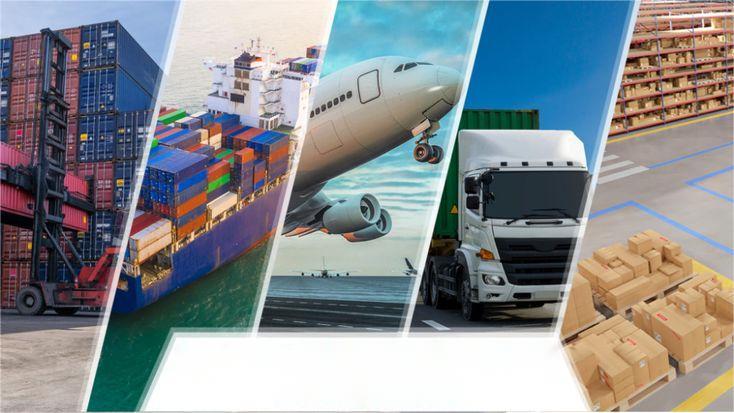
Choosing the optimal shipping method for your jewelry depends on factors like urgency, value, volume, and budget. Each option offers distinct advantages and disadvantages. Therefore, a careful evaluation is essential to make an informed decision for your international jewelry logistics China.
Indeed, understanding the nuances of each service allows businesses to optimize their delivery schedule and manage freight rates effectively. This section provides a detailed comparison to guide your choice.
| Shipping Method | Cost Range | Transit Time | Best For | Limitations |
|---|---|---|---|---|
| Air Freight | High ($8-15/kg) | 3-7 days | High-value, urgent, small volume shipments | Most expensive, weight/size restrictions |
| Express Service | Very High ($10-25/kg) | 2-5 days | Extremely urgent, small parcels, door-to-door | Highest cost, limited cargo types, small package focus |
| Rail Freight | Medium ($3-6/kg) | 16-22 days | Medium-value, time-sensitive, balanced cost/speed | Fixed routes, less flexible, potential for delays |
| Sea Freight (LCL) | Low ($1-3/kg) | 28-35 days | Bulk fashion jewelry, non-urgent, cost-sensitive | Slowest, minimum volume charges, longer lead times |
Optimizing Transit Times and Costs for Jewelry Shipments
Achieving a balance between speed and expenditure is crucial for profitable jewelry shipping China to Europe. Several strategic approaches can help reduce both transit times and the overall cost of shipping jewelry from China to Europe. Consequently, businesses can enhance their competitive edge.
Furthermore, understanding the market dynamics and available services is vital. This proactive knowledge empowers you to make smarter logistical decisions, ultimately benefiting your bottom line.
Factors Influencing Transit Time
Transit times are impacted by the chosen shipping method, direct versus transshipment routes, and port congestion. Moreover, customs clearance efficiency and unforeseen delays like weather or carrier issues can extend delivery schedules. Opting for direct routes, if available, can save several days compared to transshipment via major hubs.
Additionally, peak seasons, such as before major holidays or during Q4, often lead to increased transit times and higher freight rates. Planning your shipments outside these periods can help manage delivery expectations more effectively.
Cost-Saving Strategies and Hybrid Solutions
To save on costs, consider consolidating multiple smaller shipments into a larger one, especially if using sea freight Less than Container Load (LCL). For instance, for shipments under 15 CBM, LCL at $50-80/CBM may be more economical than a full container. Conversely, if speed is crucial but air freight is too expensive, rail freight offers a compelling middle ground.
Moreover, hybrid solutions like sea-air or rail-air combinations can offer a balance. For example, shipping by sea to a European hub and then by air to the final destination can reduce overall costs while still improving speed compared to pure sea freight. Exploring these options can significantly optimize your supply chain.
Navigating Customs Clearance and Essential Documentation
Successful import regulations jewelry Europe hinges on flawless customs documentation. Errors or omissions can lead to significant delays, penalties, and even seizure of goods. Therefore, meticulous attention to detail is non-negotiable for every shipment.
Indeed, the complexity of international customs processes often necessitates expert assistance. Engaging a professional can streamline the process and ensure compliance with all relevant laws and tariffs, making your cargo handling much smoother.
Required Documents Checklist for Jewelry Imports
A comprehensive set of documents is required for customs clearance. These documents verify the nature, origin, and value of your jewelry. Consequently, preparing these accurately and in advance is a fundamental step for any importer.
| Document Type | Purpose | Key Information |
|---|---|---|
| Commercial Invoice | Proof of sale & value | HS codes, item description, value, terms of sale |
| Packing List | Details of contents | Weight, dimensions, number of packages, contents per package |
| Bill of Lading (Sea/Rail) / Air Waybill (Air) | Contract of carriage | Shipper, consignee, cargo details, carrier info |
| Certificate of Origin | Country of manufacture | Confirms origin for preferential tariffs or quotas |
The Indispensable Role of a Customs Broker
A qualified customs brokerage service is invaluable for navigating the complexities of international trade. They possess up-to-date knowledge of changing regulations and tariffs. Moreover, brokers can assist with HS code classification, duty calculations, and preparing all necessary declarations, minimizing the risk of customs-related issues.
Furthermore, their expertise can significantly expedite the clearance process, reducing storage costs and ensuring timely delivery. Partnering with a skilled broker is a smart investment for businesses engaged in frequent cross-border shipments.
Real-World Scenarios: Jewelry Shipping Case Studies
Examining actual shipping scenarios provides practical insights into the challenges and solutions for jewelry logistics. These case studies highlight how different methods and strategies are applied based on specific shipment requirements. Based on Q3 2024 market rates, these examples illustrate typical outcomes.
Indeed, understanding these diverse situations can help you better plan your own jewelry shipping China to Europe. Each case demonstrates a unique approach to balancing cost, speed, and security for valuable goods.
Case Study 1: High-Value, Urgent Fine Jewelry Delivery
Route: Shanghai, China -> Paris, France
Cargo: 50 pieces of custom-designed fine jewelry (gold, diamonds), 0.5 CBM, 15 kg
Shipping Method: Air Freight (Express Cargo)
Shipping Details:
– Carrier/Service: Major international air cargo carrier
– Port of Loading: Shanghai Pudong International Airport (PVG)
– Port of Discharge: Paris Charles de Gaulle Airport (CDG)
– Route Type: Direct
Cost Breakdown (estimated based on early 2025 rates):
– Air Freight: $650 (approx $43/kg)
– Origin Charges (THC, documentation): $120
– Destination Charges (handling, customs entry): $180
– Customs & Duties (estimated): $1,500 (based on 20% value, DDP terms)
– Total Landed Cost: $2,450
Timeline:
– Booking to Loading: 1 day
– Air Transit: 2 days
– Customs Clearance: 1 day
– Total Door-to-Door: 4 days
Key Insight: For high-value, urgent shipments, air freight offers unparalleled speed and security, justifying the higher cost. The client prioritized minimal transit time to meet a tight retail launch deadline.
Case Study 2: Bulk Fashion Jewelry for Seasonal Collection
Route: Ningbo, China -> Hamburg, Germany
Cargo: 15,000 pieces of fashion jewelry (brass, resin, glass), 12 CBM, 1,800 kg
Container: LCL 12 CBM
Shipping Method: Sea Freight (LCL)
Shipping Details:
– Carrier/Service: Major ocean carrier (e.g., COSCO)
– Port of Loading: Ningbo Port
– Port of Discharge: Hamburg Port
– Route Type: Direct
Cost Breakdown (estimated based on Q4 2024 rates):
– Ocean Freight: $960 (approx $80/CBM)
– Origin Charges (THC, documentation, consolidation): $350
– Destination Charges (handling, deconsolidation): $420
– Customs & Duties (estimated): $2,800 (based on 15% value, DDP terms)
– Total Landed Cost: $4,530
Timeline:
– Booking to Loading: 5 days
– Sea Transit: 30 days
– Customs Clearance: 3 days
– Total Door-to-Door: 38 days
Key Insight: Sea freight LCL was the most cost-effective solution for this large volume of lower-value fashion jewelry, allowing the client to manage inventory for an upcoming seasonal collection without high upfront shipping costs. The longer transit time was acceptable given the planning.
Case Study 3: Semi-Precious Stone Components via Rail
Route: Xi’an, China -> Warsaw, Poland
Cargo: 5,000 kg of semi-precious stone beads and findings, 8 CBM
Shipping Method: Rail Freight (FCL)
Shipping Details:
– Carrier/Service: China-Europe Railway Express
– Rail Terminal of Loading: Xi’an International Port
– Rail Terminal of Discharge: Małaszewicze, Poland (then trucked to Warsaw)
– Route Type: Direct rail
Cost Breakdown (estimated based on Q1 2025 rates):
– Rail Freight: $3,200 (approx $0.64/kg)
– Origin Charges (terminal handling, documentation): $280
– Destination Charges (terminal handling, customs entry): $350
– Customs & Duties (estimated): $1,200 (based on 10% value, DDP terms)
– Total Landed Cost: $5,030
Timeline:
– Booking to Loading: 3 days
– Rail Transit: 18 days
– Customs Clearance: 2 days
– Total Door-to-Door: 23 days
Key Insight: Rail freight provided a superior balance of speed and cost for medium-value components, significantly faster than sea freight and more economical than air. This method was ideal for replenishing stock for a manufacturing facility in Eastern Europe.
Which Shipping Option Should You Choose for Your Jewelry?
Making the right choice among various shipping methods is pivotal for optimizing your supply chain. Consider your specific business needs and cargo characteristics carefully. Therefore, this decision framework will guide you toward the most suitable solution for your jewelry shipping China to Europe.
Ultimately, the best option aligns with your priorities, whether they are speed, cost, or a combination of both. Evaluating these criteria systematically ensures a strategic and efficient approach to international logistics.
Budget Priority
If your primary concern is minimizing costs, sea freight (LCL or FCL) is typically the most economical option. This method is best suited for bulk fashion jewelry or non-urgent stock replenishment. However, be prepared for longer transit times and plan accordingly.

Speed Priority
For urgent, high-value, or time-sensitive jewelry, air freight or express service is the clear winner. While significantly more expensive, these methods offer the fastest transit times and enhanced security. This is ideal for bespoke pieces, limited editions, or immediate market launches.
Balanced Approach: Speed and Cost
When seeking a compromise between speed and cost, rail freight presents an excellent alternative. It is considerably faster than sea freight and more affordable than air freight. This method is perfect for mid-range value jewelry or when you need faster-than-ocean delivery without the premium air freight price tag.
Cargo Type and Volume Thresholds
For small, high-value items, express courier services are often preferred due to their integrated tracking and door-to-door convenience. Conversely, for large volumes of lower-value items, sea freight LCL or FCL is the most practical. Consider LCL for volumes below 15-20 CBM and FCL for anything above, to maximize efficiency and control over your cargo.
Partnering with a Reliable Freight Forwarder for Your Jewelry Shipments
Navigating the complexities of international jewelry shipping China to Europe can be daunting. Therefore, collaborating with an experienced freight forwarder is not just convenient but often essential for success. Their expertise can significantly streamline your logistics operations.
Indeed, a good forwarder acts as an extension of your business, ensuring secure, compliant, and timely delivery of your valuable goods. They provide invaluable support across various stages of the shipping process.
Benefits of Expert Freight Forwarding
A professional freight forwarder offers comprehensive services, including route optimization, carrier selection, and customs documentation assistance. Moreover, they can leverage their network to secure competitive freight rates and ensure optimal cargo handling practices. This holistic approach minimizes risks and maximizes efficiency.
Furthermore, they manage the entire door-to-door process, from pickup in China to final delivery in Europe. This integrated service saves you time and resources, allowing you to focus on your core business operations. They are adept at handling logistics trends and market fluctuations.
Customized Solutions for Precious Cargo
For jewelry, a specialized forwarder can arrange enhanced security measures, appropriate insurance, and precise tracking. They understand the unique requirements of shipping valuable goods and can tailor solutions to meet your specific needs. This personalized service is critical for peace of mind.
Additionally, they offer transparent communication and proactive problem-solving, keeping you informed at every step. This level of dedication ensures that your precious cargo arrives safely and on schedule, reinforcing the importance of a trusted logistics partner.
Conclusion: Mastering Jewelry Shipping China to Europe
Successfully shipping jewelry from China to Europe requires a strategic approach, encompassing careful planning, method selection, and diligent customs compliance. Ultimately, understanding the nuances of valuation, packaging, and regulatory requirements is paramount for secure and efficient delivery.
By leveraging the right shipping methods, optimizing for cost and speed, and partnering with an experienced freight forwarder, businesses can navigate the complexities of international logistics with confidence. This ensures your valuable jewelry reaches its European destination safely and on time, reinforcing your supply chain and customer satisfaction.