
LCL Shipping China to Europe: Your Complete Guide
Shipping goods from China to Europe can seem complex, particularly when dealing with smaller cargo volumes. Less than Container Load (LCL) shipping offers a cost-effective solution for businesses that don’t have enough freight to fill an entire container. This comprehensive guide will demystify the process of LCL shipping China to Europe, covering everything from costs and transit times to customs and best practices.
What is LCL Shipping and Why Choose It?
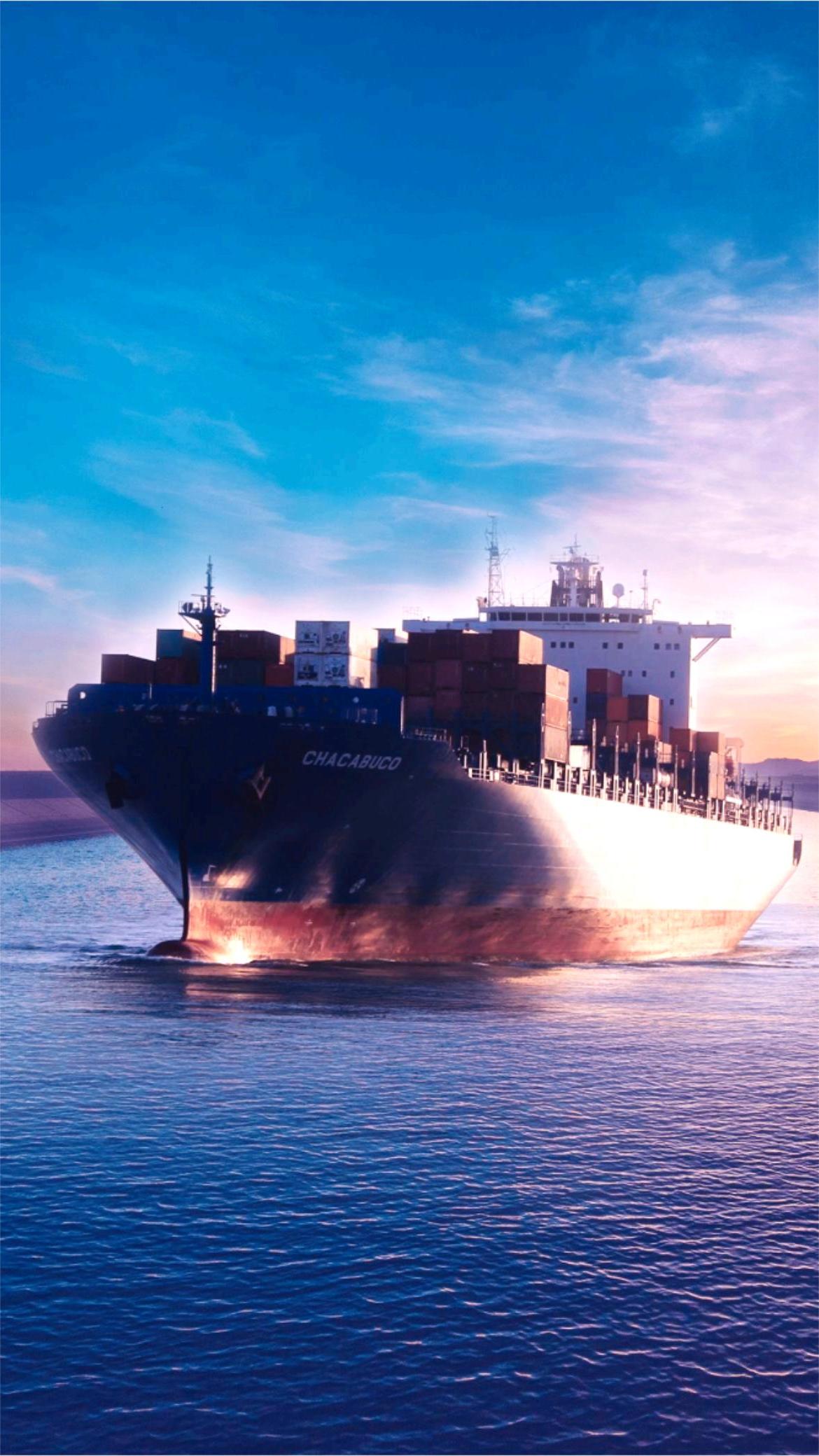
LCL, or Less than Container Load, refers to ocean freight where your goods do not fill an entire shipping container. Instead, your cargo is consolidated with other shippers’ goods into one container, effectively sharing the space and the cost.
This method is ideal for small to medium-sized shipments that are too large for air freight but too small for a Full Container Load (FCL). Consequently, it provides significant cost savings.
Choosing LCL shipping from China to Europe offers flexibility and efficiency for businesses of all sizes. It allows you to ship smaller quantities more frequently, thereby reducing inventory holding costs and improving cash flow.
Furthermore, LCL services are widely available across major Chinese ports, connecting to key European destinations. This widespread network ensures reliable and accessible shipping routes for diverse cargo needs.
Key Benefits of LCL Shipping for China-Europe Routes
LCL shipping presents numerous advantages for businesses importing from China to European markets. Most importantly, it democratizes international trade by making global logistics accessible to smaller enterprises.
Cost-effectiveness stands out as a primary benefit. By sharing container space, you only pay for the volume your cargo occupies, which is considerably less than booking an entire container. This makes budgeting more predictable.
Moreover, LCL offers greater flexibility in shipment size and frequency. You do not need to wait until you have enough goods to fill a 20-foot or 40-foot container. Therefore, you can ship products as soon as they are ready.
Reduced inventory risk is another significant advantage. Shipping smaller batches more often helps minimize the amount of capital tied up in stock. This strategy can prevent overstocking and mitigate market fluctuations.
Additionally, LCL services often include comprehensive logistics support, from warehousing to customs clearance. This end-to-end service simplifies the entire import process for businesses, especially those new to international shipping.
Understanding the LCL Shipping Process from China to Europe
The LCL shipping journey from China to Europe involves several distinct stages, each crucial for a smooth transit. Understanding these steps helps manage expectations and streamline your supply chain.
Initially, your freight forwarder collects your goods from the supplier’s warehouse in China. These items are then transported to a consolidation warehouse, often called a Container Freight Station (CFS).
At the CFS, your cargo is meticulously inspected, measured, and weighed. It is then carefully consolidated with other compatible shipments destined for the same European region. This consolidation maximizes container space.
Once the container is full and properly loaded, it is transported to the port of loading in China. Subsequently, it undergoes export customs clearance, a critical step before it can depart.
The container is then loaded onto a vessel for its ocean voyage across the sea to Europe. Upon arrival at the destination port, the container is unloaded and transported to a destination CFS.
At the European CFS, the consolidated container is deconsolidated, meaning your cargo is separated from others. Afterward, it undergoes import customs clearance, a vital step for entry into the EU.
Finally, once customs duties and taxes are paid, your cargo is ready for local delivery. It can either be picked up by you or delivered directly to your specified address via a door-to-door service.

LCL Shipping Costs: What to Expect for China to Europe
Understanding the cost structure of LCL shipping is essential for accurate budgeting and financial planning. Several factors influence the final price, making it important to get a detailed quote.
Firstly, the volume and weight of your cargo are primary determinants. LCL rates are typically calculated per cubic meter (CBM) or per 100 kilograms, whichever yields a higher charge. Therefore, accurate measurements are crucial.
Ocean freight rates fluctuate based on market demand, fuel prices, and seasonal peaks. As of Q1 2025, freight rates from China to Europe have stabilized after the 2024 Red Sea disruptions, but remain subject to change.
Origin charges in China include terminal handling, documentation, and pickup fees. These can vary significantly depending on the port and the forwarder’s local partners. Destination charges in Europe cover deconsolidation, terminal handling, and potentially local delivery fees.
Customs duties, taxes, and clearance fees are also integral parts of the total cost. These are based on the Harmonized System (HS) code of your goods and the customs regulations of the destination country. Engaging a reliable customs brokerage service is highly recommended.
Additionally, insurance costs, though optional, are highly advisable to protect against loss or damage during transit. Without a doubt, this small investment can prevent significant financial losses.
Note: Freight rates are subject to change based on fuel costs, carrier capacity, and seasonal demand. Contact us for a current quote tailored to your specific shipment.
Transit Times for LCL Shipments from China to Europe
Predicting transit times is vital for managing your inventory and meeting customer expectations. LCL shipping from China to Europe generally involves a longer timeline compared to FCL.
Typically, the sea transit alone takes approximately 28 to 35 days from major Chinese ports like Shanghai or Ningbo to main European hubs such as Rotterdam or Hamburg. This is the core journey duration.
However, the overall door-to-door transit time for LCL shipments can extend to 35-50 days. This longer duration accounts for consolidation at origin, deconsolidation at destination, and local delivery.
Factors influencing transit time include the specific ports of loading and discharge, the vessel’s route, and any transshipment points. Direct routes are generally faster but may cost more.
Port congestion, adverse weather conditions, and customs delays can also impact the schedule. For instance, peak seasons (August-October) often see increased congestion, potentially adding several days to the transit. Market data suggests slight delays are common during these periods.
Therefore, it is crucial to plan ahead and factor in potential contingencies. Always communicate with your freight forwarder for the most up-to-date schedule information for your shipping from China to Europe.
Essential Documentation for LCL Shipping to Europe
Navigating international shipping requires meticulous attention to documentation to ensure smooth customs clearance. Proper paperwork prevents delays and avoids potential penalties.
Firstly, a Commercial Invoice is indispensable. This document details the goods being shipped, their value, and the terms of sale. It is crucial for customs valuation and duty calculation.
Secondly, a Packing List provides an itemized account of the contents of each package, including dimensions and weight. This helps customs officials verify the cargo against the invoice.
A Bill of Lading (B/L) serves as a contract between the shipper and the carrier, a receipt for the goods, and a document of title. It is perhaps the most important document in ocean freight.
Furthermore, a Certificate of Origin verifies the country where the goods were manufactured. This document is often required for preferential tariff treatment under trade agreements.
Depending on the nature of your goods, additional permits or certificates might be necessary. For example, certain electronics or textiles may require specific compliance documents for import into the EU. Always confirm specific requirements with your freight forwarder.
How Does LCL Shipping Compare to Other Shipping Options?
Choosing the right shipping method is paramount for optimizing your supply chain and controlling costs. LCL shipping, while versatile, is just one of several viable options for China to Europe routes.
Understanding the trade-offs between speed, cost, and capacity is key to making an informed decision. Each method caters to different business needs and cargo characteristics.
For instance, while LCL is cost-effective for smaller volumes, larger shipments might benefit more from dedicated containers. Similarly, urgent deliveries demand faster, albeit more expensive, solutions.
Considering various logistics trends and your specific delivery schedule is therefore crucial. This comparison helps clarify when LCL is the optimal choice and when alternatives are more suitable.
Ultimately, the best shipping method aligns with your budget, urgency, and cargo type. This comprehensive overview provides insight into each option’s strengths and limitations.
| Shipping Method | Cost Range | Transit Time | Best For | Limitations |
|---|---|---|---|---|
| LCL Sea Freight | $50-100/CBM | 35-50 days | Small to medium volumes, cost-sensitive | Longer transit, potential for delays |
| FCL Sea Freight | $3,000-4,500 (40HQ) | 28-35 days | Large volumes, consistent shipments | Higher upfront cost, less flexible for small batches |
| Air Freight | $5-10/kg | 3-7 days | Urgent, high-value, perishable goods | Very high cost, strict weight/size limits |
| Rail Freight | $200-350/CBM | 18-25 days | Mid-range urgency, cost-effective for heavy goods | Limited routes, capacity constraints, not suitable for all cargo |

Which Shipping Option Should You Choose for Your China-Europe Route?
Selecting the optimal shipping method depends heavily on your specific priorities and cargo characteristics. A strategic approach considers budget, speed, and cargo type.
If budget is your primary concern, LCL sea freight is often the most economical choice for shipments under 15 CBM. It significantly reduces per-unit shipping costs for smaller volumes.
For businesses prioritizing speed, air freight is unrivaled, offering transit times of 3-7 days. This is ideal for high-value goods, urgent orders, or products with short shelf lives.
Alternatively, for a balance between cost and speed, rail freight offers a compelling option. It’s faster than sea freight and more affordable than air, especially for heavier goods.
Cargo type also plays a significant role. Perishable goods will almost always require air freight, while durable, non-urgent items are well-suited for sea or rail.
Consider hybrid solutions for enhanced flexibility. For example, a sea-air combination involves shipping by sea to a hub (like Dubai), then by air to Europe. This strategy can reduce costs compared to pure air freight while still being faster than sea-only.
For smaller, frequent shipments, LCL remains a strong contender. However, as your volume grows, transitioning to FCL or exploring rail options becomes more viable. Always evaluate your current needs against these thresholds.
Case Studies: Real-World LCL Shipping Scenarios
Examining real-world examples provides practical insights into the complexities and successes of LCL shipping from China to Europe. These scenarios highlight diverse challenges and effective solutions.
Each case study illustrates how different cargo types, routes, and priorities influence the shipping strategy. They demonstrate typical freight rates and transit times encountered in the current market.
Based on Q3 2024 market rates, these examples offer a realistic perspective on logistics planning. They underscore the importance of choosing the right freight partner.
These examples also reveal common hurdles, such as port congestion or documentation issues, and how they can be mitigated. Consequently, they serve as valuable learning tools for importers.
Case Study 1: E-commerce Apparel Shipment
This case demonstrates an LCL solution for a growing e-commerce brand. The client needed regular, cost-effective shipments of fashion apparel.
| Detail | Description |
|---|---|
| Route | Guangzhou, China Hamburg, Germany |
| Cargo | Apparel (T-shirts, hoodies), 8 CBM, 1200 kg |
| Container | LCL 8 CBM |
| Shipping Details | Carrier: Major carrier; Port of Loading: Shenzhen; Port of Discharge: Hamburg; Route Type: Direct |
| Cost Breakdown – Ocean Freight | $640 (8 CBM * $80/CBM) |
| Cost Breakdown – Origin Charges | $250 (THC, Documentation) |
| Cost Breakdown – Destination Charges | $300 |
| Cost Breakdown – Customs & Duties (estimated) | $500 |
| Cost Breakdown – Total Landed Cost | $1690 |
| Timeline – Booking to Loading | 5 days |
| Timeline – Sea Transit | 30 days |
| Timeline – Customs Clearance | 3 days |
| Timeline – Total Door-to-Door | 40 days |
| Key Insight | Cost-effective solution for regular, smaller volume e-commerce goods. Careful packaging crucial for apparel. |
Case Study 2: Industrial Parts for Manufacturing
This scenario involved a manufacturer importing specialized industrial components. Timely delivery was important to avoid production line stoppages.
| Detail | Description |
|---|---|
| Route | Shanghai, China Rotterdam, Netherlands |
| Cargo | Machine parts (non-hazardous), 12 CBM, 2500 kg |
| Container | LCL 12 CBM |
| Shipping Details | Carrier: Evergreen; Port of Loading: Shanghai; Port of Discharge: Rotterdam; Route Type: Transshipment via Singapore |
| Cost Breakdown – Ocean Freight | $1080 (12 CBM * $90/CBM) |
| Cost Breakdown – Origin Charges | $320 |
| Cost Breakdown – Destination Charges | $400 |
| Cost Breakdown – Customs & Duties (estimated) | $800 |
| Cost Breakdown – Total Landed Cost | $2600 |
| Timeline – Booking to Loading | 7 days |
| Timeline – Sea Transit | 38 days |
| Timeline – Customs Clearance | 4 days |
| Timeline – Total Door-to-Door | 49 days |
| Key Insight | Transshipment route added a few days but offered better rate. Robust packaging vital for fragile industrial parts. Typical rates as of early 2025. |
Case Study 3: Seasonal Retail Goods
This case highlights LCL use for seasonal retail inventory. The client needed to manage inventory levels closely for a holiday rush.
| Detail | Description |
|---|---|
| Route | Ningbo, China Felixstowe, UK |
| Cargo | Decorative items, 6 CBM, 800 kg |
| Container | LCL 6 CBM |
| Shipping Details | Carrier: COSCO; Port of Loading: Ningbo; Port of Discharge: Felixstowe; Route Type: Direct |
| Cost Breakdown – Ocean Freight | $480 (6 CBM * $80/CBM) |
| Cost Breakdown – Origin Charges | $230 |
| Cost Breakdown – Destination Charges | $280 |
| Cost Breakdown – Customs & Duties (estimated) | $350 |
| Cost Breakdown – Total Landed Cost | $1340 |
| Timeline – Booking to Loading | 4 days |
| Timeline – Sea Transit | 32 days |
| Timeline – Customs Clearance | 3 days |
| Timeline – Total Door-to-Door | 42 days |
| Key Insight | Ideal for smaller, time-sensitive seasonal stock. Q4 peak season rates were 15% higher than off-peak for this route. |
Tips for Optimizing Your LCL Shipments
Optimizing your LCL shipments can lead to significant cost savings and improved efficiency. Proactive planning and communication are key to successful logistics.
First and foremost, accurate cargo measurements are critical. Overstating dimensions or weight can lead to unexpected charges. Always double-check your goods before handover.
Secondly, consolidate multiple small orders from various suppliers into a single LCL shipment whenever possible. This strategy further reduces per-unit shipping costs and simplifies coordination.
Consider shipping during off-peak seasons if your delivery schedule allows. Rates typically increase 15-25% during August-October peak season due to higher demand and limited capacity.
Furthermore, ensure all documentation is complete and accurate before the shipment departs. Even minor errors can cause significant delays at customs, impacting your delivery schedule.
Working with a reputable freight forwarder is invaluable. They can offer competitive freight rates, manage consolidation, and navigate complex customs procedures. Indeed, their expertise streamlines the entire process.
Moreover, always choose appropriate packaging for your goods. Robust packaging protects your items during handling and transit, minimizing the risk of damage. This is particularly important for delicate items.
Choosing the Right LCL Freight Forwarder for China to Europe
Selecting a reliable freight forwarder is perhaps the most crucial decision for successful LCL shipping China to Europe. Their expertise directly impacts the efficiency and cost of your logistics.
Look for a forwarder with extensive experience in the China-Europe trade lane. This experience ensures they understand the specific customs regulations, port procedures, and logistical challenges unique to this route.
Transparent pricing is another non-negotiable factor. A good forwarder provides a clear breakdown of all costs, including origin charges, ocean freight, and destination fees, without hidden surprises.
Excellent communication and customer service are also paramount. You need a partner who keeps you informed about your shipment’s status and responds promptly to inquiries. This ensures peace of mind.
Additionally, assess their network and capabilities. A strong network of agents and partners in both China and Europe facilitates smooth consolidation, customs clearance, and local delivery. This helps in efficient cargo handling.
Consider their range of services. Some forwarders offer value-added services like warehousing, cargo insurance, and sea freight, air freight, or rail freight options. This holistic approach can simplify your entire supply chain management.
Finally, check their reputation and reviews. A forwarder with positive feedback and a proven track record is more likely to provide reliable and efficient service. According to industry benchmarks, trustworthiness is key.
Navigating LCL Shipping China to Europe with Confidence
LCL shipping from China to Europe offers an invaluable solution for businesses seeking cost-effective and flexible freight options. It empowers companies to manage inventory efficiently and expand their market reach.
By understanding the process, costs, transit times, and documentation involved, you can make informed decisions. Partnering with an experienced freight forwarder is key to navigating the complexities successfully.
Ultimately, mastering LCL shipping ensures your goods reach European markets smoothly and affordably. This strategic approach strengthens your supply chain and supports business growth.
Get Your Shipping Quote Today
Ready to streamline your LCL shipping from China to Europe? Contact us today for a personalized quote and expert guidance. Our team is dedicated to providing efficient, cost-effective logistics solutions tailored to your business needs.
Request Quote