

LCL Shipping China to Japan: 2025 Logistics and Cost Guide
Navigating the complexities of international trade requires a reliable partner like Top China Freight to manage your logistics efficiently. LCL shipping China to Japan serves as a vital solution for businesses looking to transport smaller cargo volumes without the expense of a full container. This comprehensive guide explores how you can optimize your supply chain, reduce shipping costs, and ensure timely delivery to Japanese ports.

How Does LCL Shipping China to Japan Compare to Other Shipping Options?
Choosing the right transport method significantly impacts your bottom line and delivery schedule. While sea freight remains the most popular choice for this route, you must evaluate all alternatives based on your specific cargo needs. Consequently, understanding the trade-offs between speed and cost is essential for modern supply chain management.
LCL shipping China to Japan specifically targets shipments that do not fill a standard 20-foot or 40-foot container. Therefore, you only pay for the space your goods occupy, which is measured in cubic meters. On the other hand, full container loads provide more security but require higher volumes to be cost-effective.

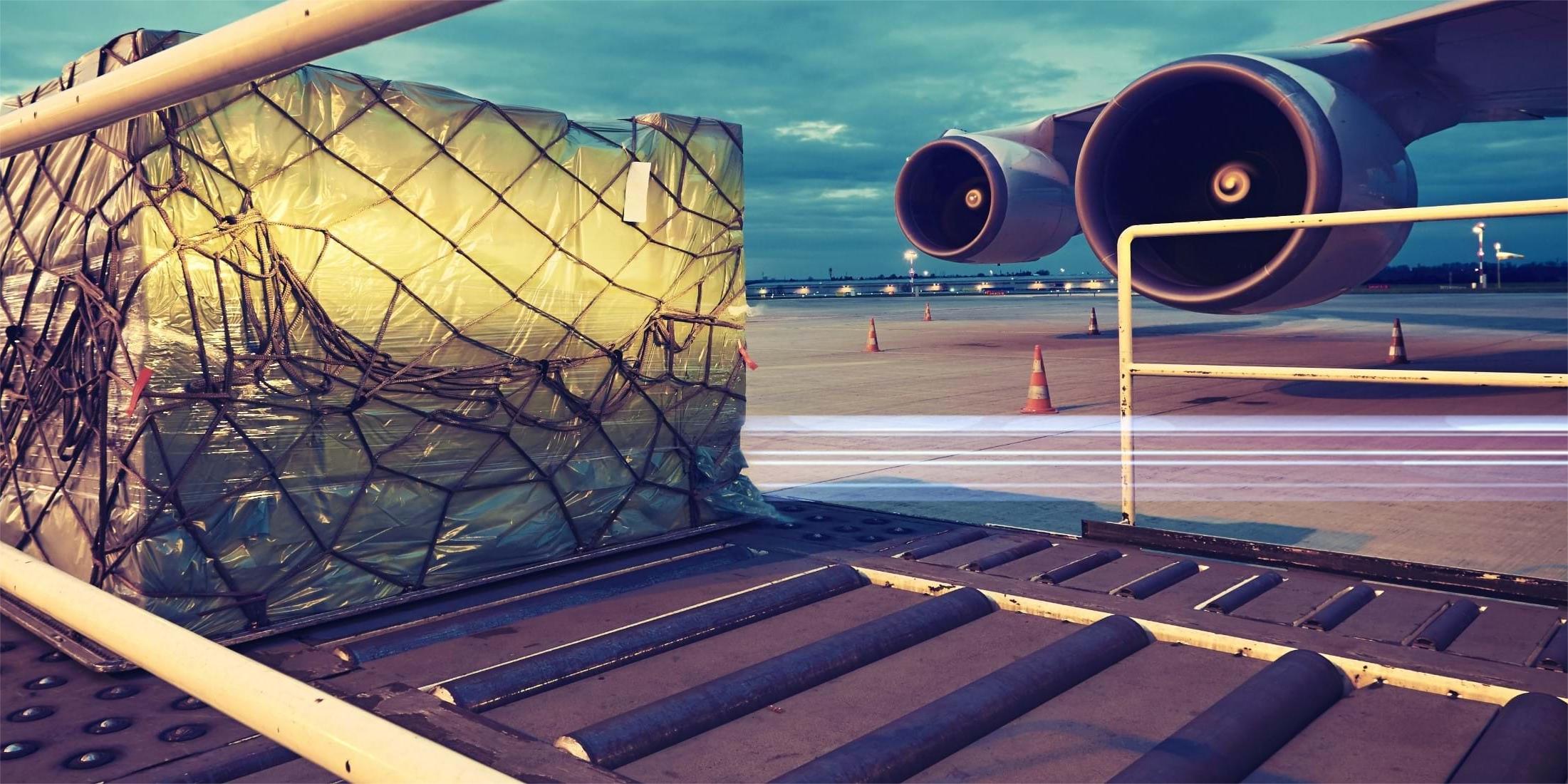
Air freight offers the fastest transit times but comes with a much higher price tag. Indeed, for urgent electronics or perishable goods, air transport is often the only viable choice. However, for most consumer goods and industrial parts, the cost savings of sea transport outweigh the speed benefits of air.
Multimodal solutions occasionally provide a middle ground for certain regions. For instance, combining trucking with sea freight can streamline the first-mile delivery from inland Chinese factories. Nevertheless, direct sea routes from major ports like Shanghai or Ningbo remain the standard for Japanese imports.
| Shipping Method | Cost Range | Transit Time | Best For |
|---|---|---|---|
| LCL Sea Freight | $40 – $120 per CBM | 6 – 12 Days | Small to medium cargo |
| FCL Sea Freight | $800 – $1,500 per 20GP | 5 – 10 Days | High volume shipments |
| Air Freight | $2.50 – $5.50 per kg | 1 – 3 Days | Urgent or high-value |
| Express Service | $6.00 – $10.00 per kg | 2 – 4 Days | E-commerce & samples |
What are the Current LCL Shipping China to Japan Rates for 2025?
Freight rates for the China to Japan route have shown relative stability throughout early 2025. Typically, ocean freight costs are calculated based on the volume of the cargo, with a minimum charge of one cubic meter. Additionally, various surcharges such as fuel adjustments and terminal handling fees will influence the final invoice.
Market data suggests that rates from East China ports like Shanghai are slightly lower than those from Southern ports like Shenzhen. Furthermore, seasonal peaks during the Golden Week in October or the Lunar New Year can cause temporary price spikes. Consequently, booking your space at least two weeks in advance can help you secure more competitive pricing.
Consolidation services allow multiple shippers to share container space, which further reduces individual costs. As a result, businesses can maintain lower inventory levels by shipping more frequently in smaller batches. Meanwhile, you should always request an all-in quote to avoid hidden destination charges in Japan.
Note: Freight rates are subject to change based on fuel costs, carrier capacity, and seasonal demand. Contact us for a current quote tailored to your specific shipment.
How Long Does LCL Shipping China to Japan Take via Different Routes?
Transit times for sea freight between these two nations are among the shortest in international shipping. Because of the geographical proximity, many direct vessels can reach major Japanese ports within a week. However, the total door-to-door time must account for consolidation, customs clearance, and local trucking.
Shanghai to Tokyo usually takes about 5 to 7 days for the sea portion of the journey. In contrast, shipping from Shenzhen to Osaka might take 8 to 10 days due to the longer distance. Consequently, choosing the right port of loading in China can shave several days off your total delivery schedule.
Customs clearance in Japan is generally efficient but requires precise documentation to avoid delays. Therefore, most shipments are released within 24 to 48 hours of arrival if all paperwork is in order. Additionally, the time spent in the consolidation warehouse in China typically adds another 3 to 5 days to the process.
| Origin Port (China) | Destination Port | Sea Transit | Door-to-Door |
|---|---|---|---|
| Shanghai | Tokyo | 5 – 6 Days | 10 – 14 Days |
| Ningbo | Yokohama | 6 – 7 Days | 11 – 15 Days |
| Shenzhen | Osaka | 8 – 10 Days | 14 – 18 Days |
| Qingdao | Nagoya | 5 – 7 Days | 11 – 15 Days |
Which Documents are Essential for LCL Shipping China to Japan Success?
Professional customs brokerage services are vital for navigating the strict regulatory environment in Japan. Japanese customs officials demand high levels of accuracy in all declarations and supporting documents. For instance, any discrepancy between the packing list and the actual cargo can lead to intensive inspections and storage fees.
The Commercial Invoice must clearly state the value, description, and HS codes for all items. Moreover, a detailed Packing List is required to show the weight and dimensions of every individual package within the LCL shipment. Consequently, ensuring your supplier provides these documents in English or Japanese is a critical first step.
Certificate of Origin documents may be necessary to benefit from preferential trade agreements between the two countries. Furthermore, specific products like chemicals or food items require additional permits from Japanese health and safety authorities. Therefore, you should verify all compliance requirements before the cargo leaves the factory in China.
Customs Documents Checklist
1. Commercial Invoice: Detailing buyer, seller, and transaction value.
2. Packing List: Listing all items, quantities, and weights.
3. Bill of Lading: The primary contract of carriage issued by the carrier.
4. Arrival Notice: Issued by the Japanese agent once the vessel nears the port.
5. Import Declaration: The formal request for cargo release in Japan.
How to Optimize Your Supply Chain Using LCL Shipping China to Japan?
Efficiency in logistics often comes down to how well you manage your cargo handling and consolidation. By utilizing door to door services, you can minimize the number of touchpoints in your supply chain. This approach reduces the risk of damage during transit and simplifies the billing process into a single invoice.
In addition to standard shipping, many businesses now use LCL for Amazon FBA Japan deliveries. This allows sellers to restock their inventory more frequently without committing to massive shipments. As a result, they can react more quickly to market trends and consumer demand in the Japanese market.
Implementing a consolidation strategy involves grouping multiple small orders from different suppliers into one LCL shipment. Consequently, you save on the fixed costs associated with customs entries and terminal fees. Furthermore, utilizing a freight forwarder with a strong network in both China and Japan ensures smoother transitions between different stages of the journey.
Real-World Case Studies for Japan Shipping
Case Study 1: Electronics from Shenzhen to Osaka. Cargo: Consumer electronics, 3 CBM, 600kg. Shipping Method: LCL Sea Freight. Ocean Freight: $240. Origin Charges: $150. Destination Charges: $200. Total Landed Cost: $590. Sea Transit: 8 days. Total Door-to-Door: 15 days. Key Insight: Early booking during the Q4 peak season saved the client 15% on freight rates.
Case Study 2: Textile Samples from Shanghai to Tokyo. Cargo: Apparel samples, 1.5 CBM, 300kg. Shipping Method: LCL Sea Freight. Ocean Freight: $120. Origin Charges: $110. Destination Charges: $190. Total Landed Cost: $420. Sea Transit: 5 days. Total Door-to-Door: 11 days. Key Insight: Precise HS code classification prevented customs delays during the busy pre-holiday period.
Case Study 3: Industrial Spare Parts from Qingdao to Nagoya. Cargo: Machinery parts, 5 CBM, 1200kg. Shipping Method: LCL Sea Freight. Ocean Freight: $350. Origin Charges: $180. Destination Charges: $250. Total Landed Cost: $780. Sea Transit: 6 days. Total Door-to-Door: 13 days. Key Insight: Using a direct route instead of transshipment saved 4 days in transit time.
Which Option Should You Choose for Your Specific Cargo?
Determining the best logistics strategy requires an objective analysis of your budget and timeline. If your shipment is under 15 CBM, LCL is almost always more economical than FCL. However, once you exceed that volume, the flat rate of a 20-foot container may become the cheaper option.
Speed priority dictates that you should consider express service for very small, high-value parcels. While more expensive, the convenience of integrated customs clearance and rapid delivery is often worth the premium. On the contrary, for bulky items that are not time-sensitive, sea freight remains the undisputed leader in cost efficiency.
Ultimately, the nature of your cargo handling requirements will guide your final decision. Fragile or hazardous materials may require specialized LCL consolidation to ensure safety. Therefore, communicating clearly with your freight forwarder about the specific needs of your goods is essential for a successful shipment.
Final Thoughts on Japan Logistics
Successfully managing LCL shipping China to Japan involves a balance of cost, speed, and regulatory compliance. By understanding the nuances of sea freight rates and transit times, you can make informed decisions that benefit your entire supply chain.
Reliable logistics partners provide the transparency and expertise needed to navigate the evolving trade landscape between these two economic powerhouses. Whether you are shipping electronics, textiles, or industrial parts, LCL remains a flexible and powerful tool for modern businesses.
In conclusion, prioritizing documentation accuracy and choosing the right port routes will ensure your LCL shipping China to Japan experience is both efficient and profitable.
Ready to streamline your logistics?
Optimizing your LCL shipping China to Japan strategy can lead to significant cost savings and improved delivery reliability for your business. Contact Top China Freight today to receive a customized quote and learn how our expert logistics team can streamline your international trade operations.
Request Quote