
Logistics Service China to Europe: Your Ultimate Shipping Guide
Navigating the complexities of logistics service China to Europe can be a significant challenge for businesses. Whether you are importing raw materials or distributing finished goods, efficient and reliable shipping solutions are paramount. This comprehensive guide will illuminate the best strategies, costs, and considerations for your freight from China to Europe, ensuring a streamlined supply chain.
Understanding the China-Europe Logistics Landscape
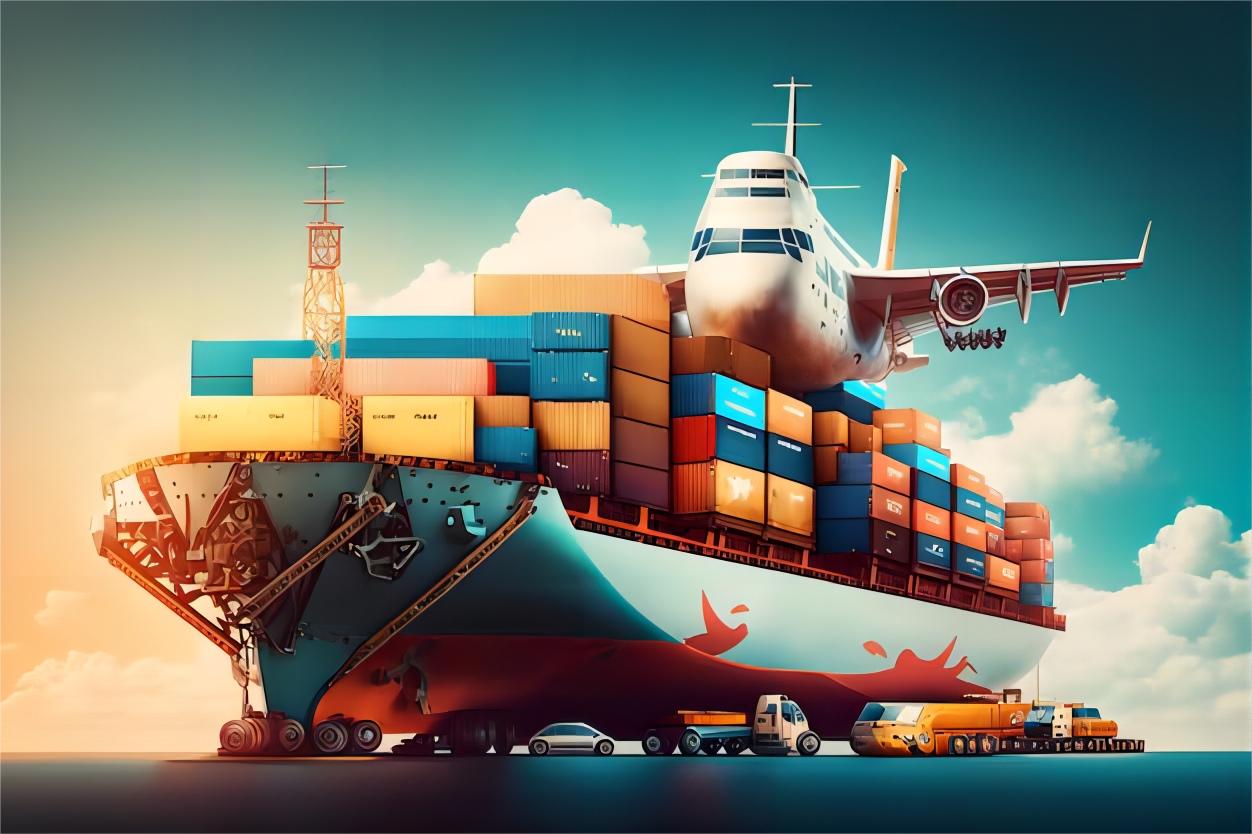
The trade route between China and Europe is one of the busiest globally, driving significant demand for robust logistics service China to Europe. Businesses constantly seek efficient and cost-effective ways to move goods across continents. Consequently, understanding the underlying dynamics of this route is crucial for supply chain success.
However, this route presents various challenges, including fluctuating freight rates, complex customs procedures, and varying transit times. Geopolitical factors and market demands further influence the overall delivery schedule. Therefore, selecting the right logistics partner is indispensable for navigating these complexities effectively.
Key Shipping Methods from China to Europe
Several primary shipping methods facilitate the movement of goods from China to Europe, each offering distinct advantages. Your choice depends heavily on factors like cargo type, urgency, and budget. Exploring these options helps businesses make informed decisions for their import/export needs.
Sea Freight: The Economical Choice
Sea freight remains the most popular and economical option for large volumes and heavy goods. It is ideal for non-urgent shipments, offering significant cost savings compared to other methods. Most notably, FCL (Full Container Load) and LCL (Less than Container Load) options cater to different cargo sizes.
Typically, sea freight from major Chinese ports to Europe takes approximately 28 to 40 days. Consider sea freight for durable goods, machinery, or bulk commodities, ensuring your `shipping costs from China to Europe` are optimized.
Air Freight: For Speed and Urgency
Conversely, air freight provides the fastest transit times, making it suitable for high-value, time-sensitive, or perishable goods. While significantly more expensive, it dramatically reduces the delivery schedule. This method is often chosen when speed is the utmost priority.
Generally, air cargo China to Europe rates are higher, but transit times range from 3 to 7 days, depending on the service and destination. For urgent inventory replenishment or critical components, air freight offers unparalleled speed and reliability.
Rail Freight: The Balanced Option
Rail freight has emerged as a compelling middle-ground solution, balancing cost and speed for many shipments. It is faster than sea freight and more cost-effective than air freight, particularly for landlocked European destinations. The New Silk Road railway network has significantly boosted its viability.
Moreover, rail freight China Europe costs are often predictable, with transit times typically ranging from 15 to 25 days. For businesses seeking a reliable and environmentally friendlier option, rail freight presents an excellent alternative.
Express Service: Fast and Convenient
For smaller, lighter, and highly urgent packages, express service offers door-to-door convenience and speed. Major international couriers handle customs clearance and delivery directly, simplifying the shipping process. This method is often used for samples, documents, or small e-commerce orders.
Therefore, while potentially higher per kilogram, express service ensures rapid delivery, usually within 2-5 business days. It is a premium option for businesses prioritizing speed and minimal cargo handling.
How Does Each Method Compare?
Choosing the optimal logistics service China to Europe requires a clear understanding of each method’s strengths and weaknesses. This comparison highlights the trade-offs involved across various crucial metrics. Businesses must align their selection with specific operational needs and budget constraints.
| Shipping Method | Cost Range (per kg/CBM) | Transit Time | Best For | Limitations |
|---|---|---|---|---|
| Sea Freight (FCL) | $0.05 – $0.15/kg | 28-40 days | Large volumes, heavy goods, non-urgent shipments | Long transit times, port congestion risks |
| Sea Freight (LCL) | $50 – $100/CBM | 35-45 days | Smaller shipments (under 15 CBM), cost-sensitive | Longer transit, potential for delays, higher per CBM than FCL |
| Rail Freight | $0.20 – $0.40/kg | 15-25 days | Mid-size shipments, time-sensitive but not urgent, landlocked regions | Limited capacity, fixed routes, potential for customs delays |
| Air Freight | $4.00 – $8.00/kg | 3-7 days | Urgent, high-value, perishable goods, samples | High cost, weight/volume restrictions, environmental impact |
| Express Service | $6.00 – $12.00/kg | 2-5 days | Very urgent small packages, documents, samples | Highest cost, strict weight/size limits, not for bulk cargo |
Factors Influencing Logistics Service China to Europe Costs
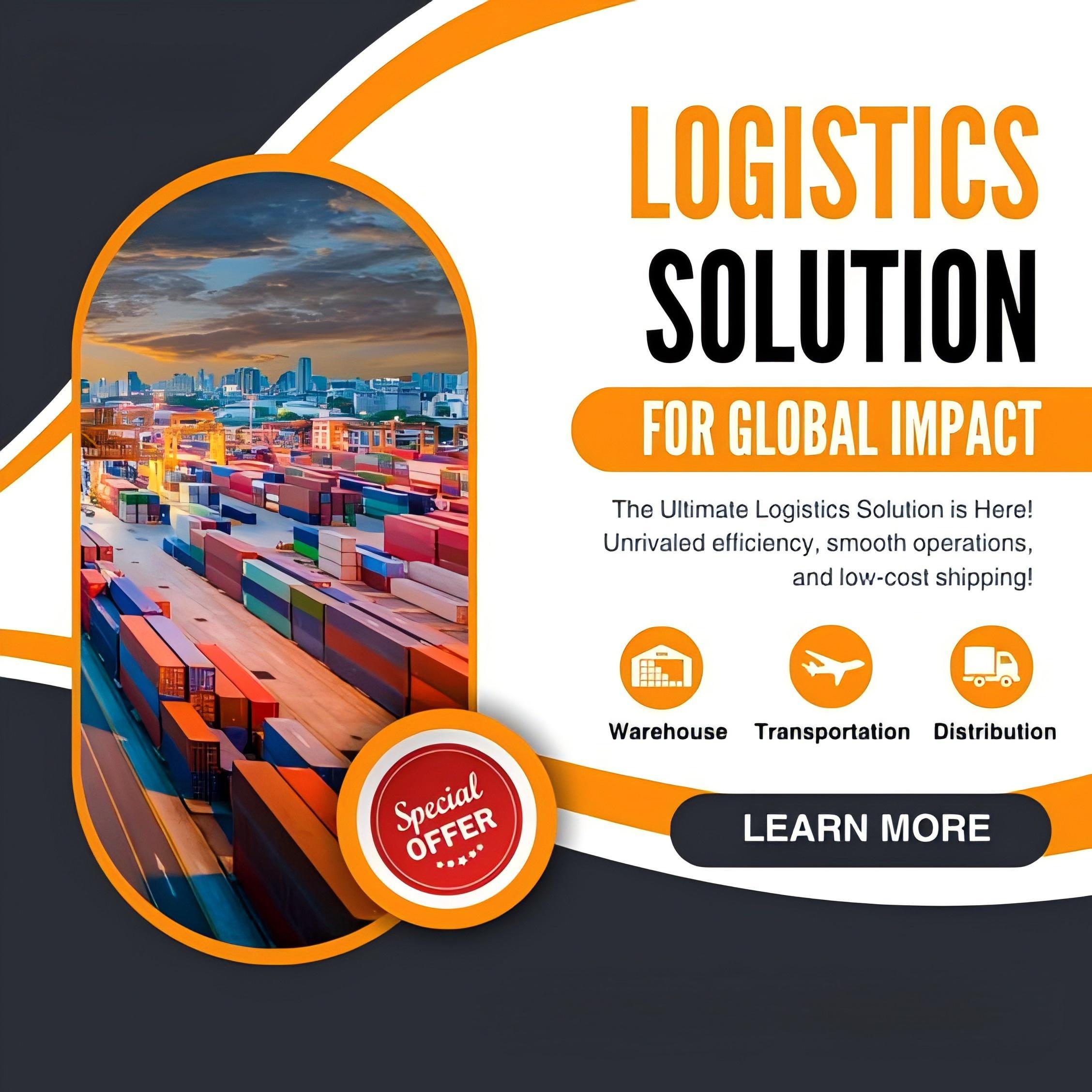
Numerous factors contribute to the overall `cost of shipping from China to Europe`. Understanding these elements helps businesses accurately budget and avoid unexpected expenses. Freight rates are highly dynamic, changing with market conditions and seasonal demand.
Indeed, key cost drivers include the chosen shipping method, cargo volume and weight, fuel surcharges (BAF/FAF), and peak season surcharges. Additionally, origin and destination charges, customs duties, and insurance premiums significantly impact the total `freight rates from China to Europe`. Always obtain a detailed quote for transparency.
Transit Times and Delivery Schedules
Effective supply chain management heavily relies on predictable `transit times China Europe freight`. Each shipping method offers a distinct delivery schedule, impacting inventory planning and customer satisfaction. Delays, however, can occur due to various external factors.
For instance, port congestion, adverse weather conditions, customs inspections, and holiday seasons can all extend estimated transit times. Therefore, building buffer time into your `delivery schedule` is a prudent strategy. Always consult with your freight forwarder for the most current estimates.
Navigating Customs Clearance and Documentation
Successfully importing goods into Europe requires meticulous attention to `customs clearance China Europe` procedures. Proper documentation is paramount to avoid delays, fines, or even cargo seizure. European `import regulations Europe from China` are strict and require compliance.
A professional customs brokerage service is invaluable for handling the complexities of declarations, duties, and taxes. Key documents typically include commercial invoices, packing lists, bills of lading or air waybills, and certificates of origin. Ensuring accuracy and completeness before shipment is critical for a smooth process.
Optimizing Your China-Europe Supply Chain
Optimizing your `supply chain optimization China Europe` goes beyond just selecting a shipping method. It involves strategic choices about cargo consolidation, delivery options, and even e-commerce fulfillment. These decisions collectively impact efficiency and cost-effectiveness.
For example, combining smaller shipments into an LCL (Less than Container Load) can be cost-efficient if you don’t have enough cargo for an FCL. Furthermore, utilizing services like door-to-door shipping China to Europe simplifies logistics by covering the entire journey. Businesses engaged in e-commerce can also leverage specialized Amazon FBA services for direct delivery to fulfillment centers.
Real-World Logistics Service China to Europe Case Studies
Examining real-world scenarios provides practical insights into the complexities and solutions within the China-Europe logistics corridor. These examples illustrate how different shipping methods and strategies are applied based on specific cargo requirements and business objectives. They highlight the importance of adaptable `shipping solutions from China to Europe`.
Case Study 1: High-Volume Apparel via Sea Freight
A fashion retailer needed to transport a large volume of seasonal apparel from Guangzhou to Rotterdam. Cost-efficiency was the primary concern, with a reasonable lead time. Sea freight was the clear choice, leveraging FCL for optimal pricing.
This shipment highlights the cost advantages of sea freight for bulk cargo, despite the longer transit time. Careful planning ensured all documentation was in order, preventing customs delays.
| Detail | Description |
|---|---|
| Route | Guangzhou, China -> Rotterdam, Netherlands |
| Cargo | Seasonal Apparel, 58 CBM, 12,000 kg |
| Container | 1 x 40HQ |
| Shipping Details | |
| – Carrier/Service | COSCO |
| – Port of Loading | Nansha, Guangzhou |
| – Port of Discharge | Rotterdam |
| – Route Type | Direct |
| Cost Breakdown (based on Q3 2024 market rates) | |
| – Ocean Freight | $3,500 |
| – Origin Charges (THC, documentation) | $380 |
| – Destination Charges | $450 |
| – Customs & Duties (estimated) | $1,200 |
| – Total Landed Cost (excluding inland Europe) | $5,530 |
| Timeline | |
| – Booking to Loading | 5 days |
| – Sea Transit | 32 days |
| – Customs Clearance | 3 days |
| – Total Port-to-Port | 40 days |
| Key Insight | FCL sea freight provides significant per-unit cost savings for large, non-urgent shipments, but requires meticulous planning for a smooth customs process. |

Case Study 2: Urgent Electronics via Air Freight
An electronics distributor faced an unexpected surge in demand for a new gadget, requiring rapid replenishment from Shanghai to Frankfurt. Speed was critical to avoid stockouts and capitalize on market momentum. Air freight was the only viable option.
This case demonstrates the value of air freight for time-critical inventory, despite the higher cost. The expedited delivery allowed the distributor to meet market demand swiftly.
| Detail | Description |
|---|---|
| Route | Shanghai, China -> Frankfurt, Germany |
| Cargo | Consumer Electronics, 2.5 CBM, 450 kg |
| Container | Air Cargo (General) |
| Shipping Details | |
| – Carrier/Service | Lufthansa Cargo |
| – Airport of Loading | PVG (Shanghai Pudong) |
| – Airport of Discharge | FRA (Frankfurt) |
| – Route Type | Direct |
| Cost Breakdown (based on early 2025 rates) | |
| – Air Freight | $2,700 |
| – Origin Charges (handling, documentation) | $200 |
| – Destination Charges | $180 |
| – Customs & Duties (estimated) | $500 |
| – Total Landed Cost (excluding inland Europe) | $3,580 |
| Timeline | |
| – Booking to Loading | 2 days |
| – Air Transit | 1 day |
| – Customs Clearance | 1 day |
| – Total Airport-to-Airport | 4 days |
| Key Insight | Air freight is indispensable for urgent, high-value goods, ensuring minimal lead times and responsiveness to market fluctuations, albeit at a premium cost. |
Case Study 3: Industrial Components via Rail Freight
A manufacturing company needed to transport specialized industrial components from Chongqing to Duisburg, Germany. They sought a balance between speed and cost, making sea freight too slow and air freight too expensive. Rail freight provided the perfect solution.
This example illustrates how rail freight effectively bridges the gap between sea and air, offering a robust solution for medium-urgency, medium-volume cargo. Its reliability and improved transit times are key benefits.
| Detail | Description |
|---|---|
| Route | Chongqing, China -> Duisburg, Germany |
| Cargo | Industrial Machine Parts, 18 CBM, 3,500 kg |
| Container | 1 x 20GP (shared) |
| Shipping Details | |
| – Carrier/Service | China-Europe Railway Express |
| – Rail Terminal of Loading | Chongqing Tuanjiecun |
| – Rail Terminal of Discharge | Duisburg DIT |
| – Route Type | Direct |
| Cost Breakdown (typical rates as of Q4 2024) | |
| – Rail Freight | $2,100 |
| – Origin Charges (loading, documentation) | $250 |
| – Destination Charges | $300 |
| – Customs & Duties (estimated) | $700 |
| – Total Landed Cost (excluding inland Europe) | $3,350 |
| Timeline | |
| – Booking to Loading | 4 days |
| – Rail Transit | 18 days |
| – Customs Clearance | 2 days |
| – Total Terminal-to-Terminal | 24 days |
| Key Insight | Rail freight offers a competitive balance of speed and cost for specific routes and cargo types, providing a reliable alternative to traditional sea or air options. |
Which Logistics Option Should You Choose? A Decision Framework
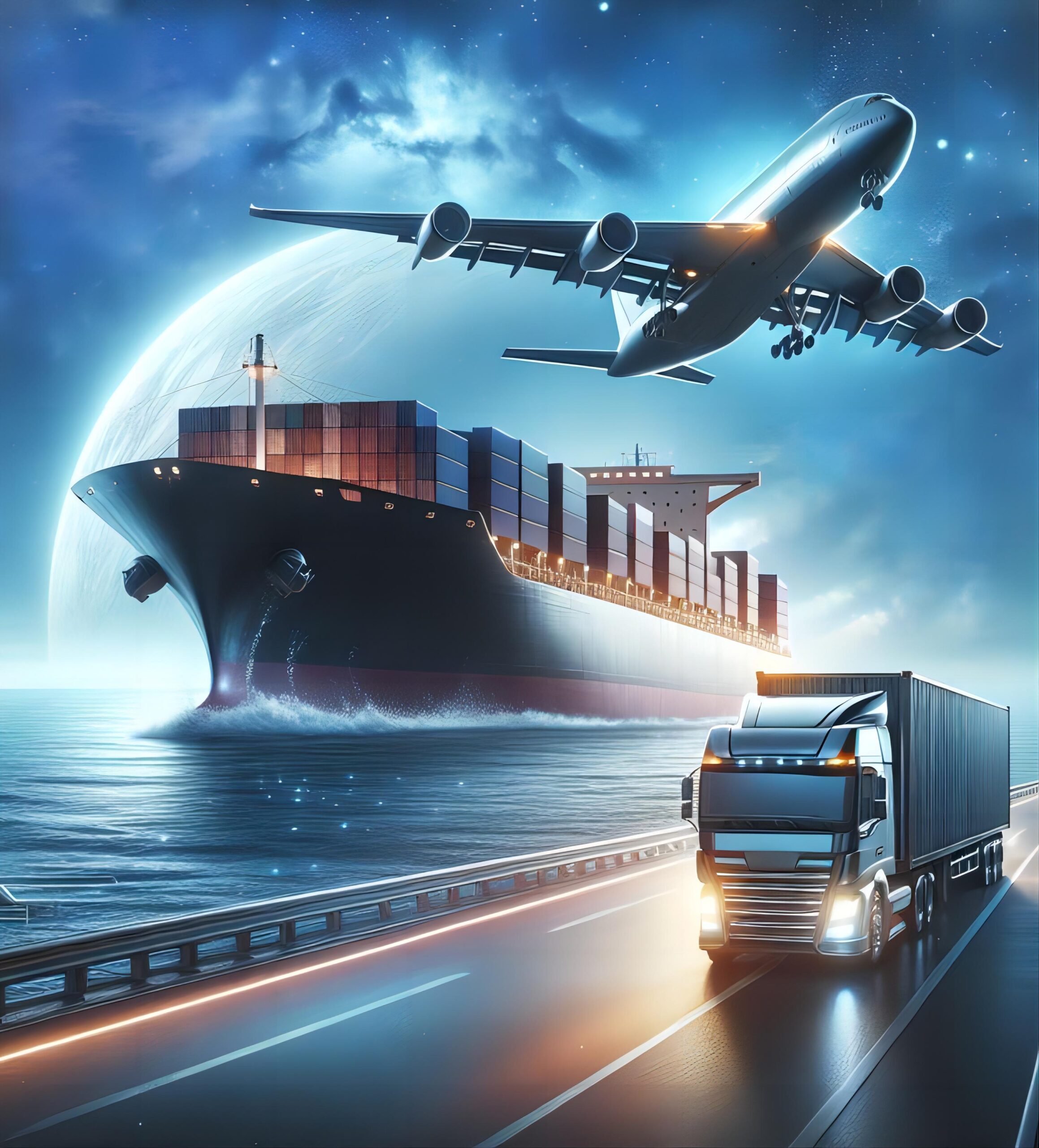
Selecting the ideal `logistics service China to Europe` requires a methodical approach, considering various operational priorities. This framework helps businesses align their shipping decisions with strategic goals. Different scenarios demand different solutions for optimal efficiency.
For instance, your choice largely depends on your budget, urgency, and the nature of your goods. Consequently, a clear understanding of these factors will guide you toward the most appropriate and `reliable freight forwarder China Europe`.
Budget Priority
If minimizing `shipping costs` is your primary concern, sea freight, particularly LCL for smaller volumes or FCL for larger ones, is generally the most economical choice. However, be prepared for longer `transit times`. Always compare `freight rates` carefully.
Speed Priority
When speed is paramount, and `delivery schedule` is critical, air freight or express service is essential. These methods drastically reduce `transit time`, vital for time-sensitive products or urgent market demands. Expect higher `shipping costs` for this expedited service.
Cargo Type Considerations
The nature of your cargo also dictates the best method. Perishable goods often require air freight, while oversized or hazardous materials might necessitate specialized sea freight solutions. Fragile items benefit from direct routes and careful `cargo handling`. Always consider packaging requirements.
Volume Thresholds for Switching Methods
For shipments under 15 CBM, LCL sea freight is often more cost-effective than FCL. However, as volume increases, FCL becomes more economical. Similarly, for urgent smaller packages, express service beats standard air freight. Evaluate your volume to optimize `logistics service China to Europe`.
Market Trends and Future Outlook for China-Europe Logistics
The China-Europe logistics landscape is constantly evolving, influenced by global events and technological advancements. As of Q1 2025, `freight rates` from China to Europe have largely stabilized after the 2024 Red Sea disruptions, although some volatility remains. Industry trends point towards increased demand for sustainable and transparent `supply chain` solutions.
Moreover, digitalization and automation are transforming `cargo handling` and tracking, offering greater visibility and efficiency. Businesses should monitor these trends to adapt their `import/export` strategies. Rates typically increase 15-25% during August-October peak season, requiring proactive planning for `ecommerce logistics China Europe`. Note: Freight rates are subject to change based on fuel costs, carrier capacity, and seasonal demand. Contact us for a current quote tailored to your specific shipment.
Streamlining Your China-Europe Logistics
In conclusion, successful logistics service China to Europe demands careful planning and an understanding of diverse shipping options. By leveraging the right methods, optimizing costs, and partnering with experienced freight forwarders, businesses can significantly enhance their supply chain efficiency. Choose a reliable partner to navigate these complex routes effectively and ensure your goods reach Europe on time and within budget.
Need a tailored shipping solution?
Ready to optimize your logistics service China to Europe? Contact us today for a personalized quote and expert consultation. Our team at Top China Freight is committed to providing seamless and efficient shipping solutions tailored to your specific needs.