
Logistics Service China to Japan: Your Complete Shipping Guide
Navigating the complexities of logistics service from China to Japan requires expertise and precision. Businesses often face challenges like varying transit times, customs regulations, and fluctuating shipping costs. This comprehensive guide will illuminate the best strategies and solutions. We aim to ensure your goods move smoothly and efficiently across this vital trade route.
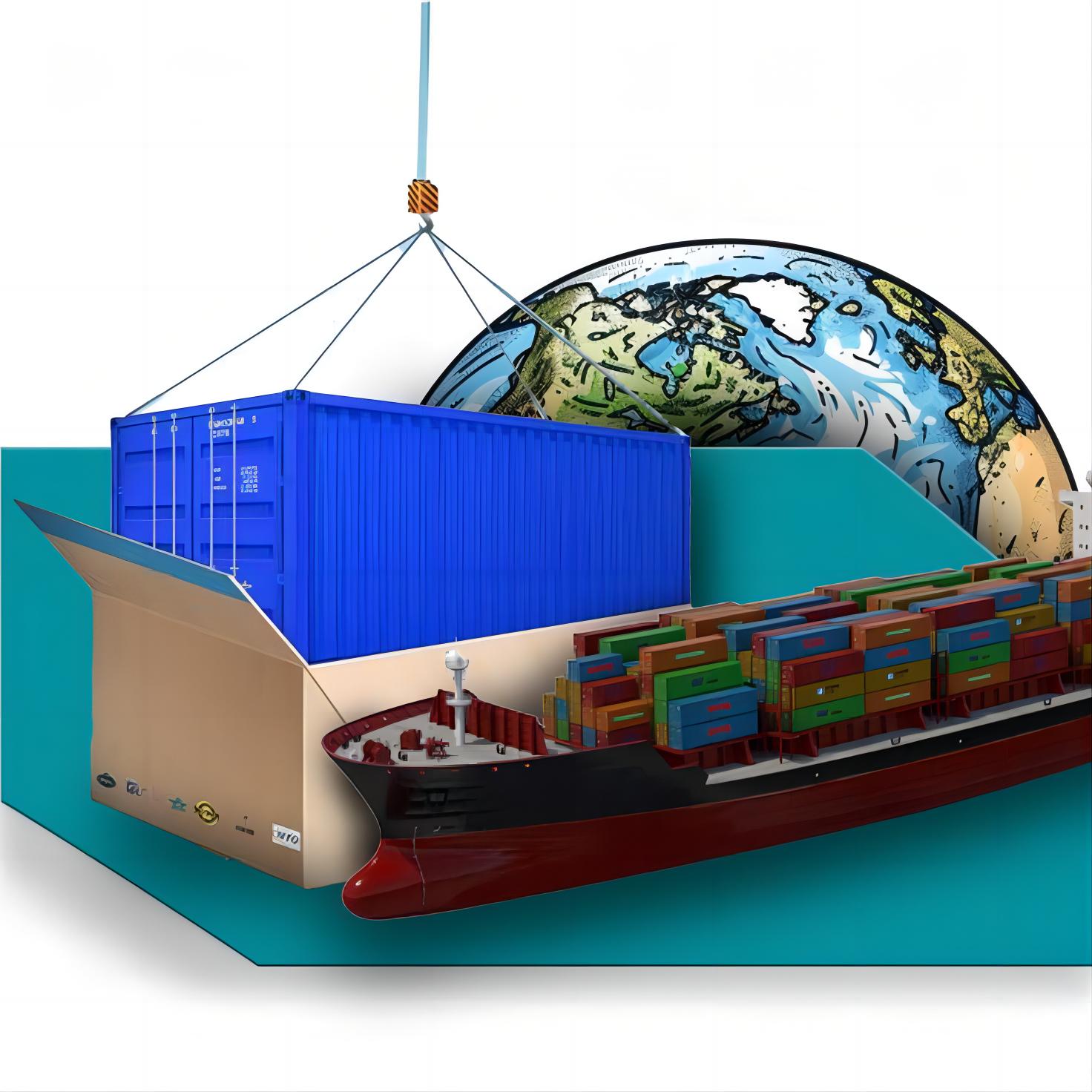
Why is Efficient Logistics Service China to Japan Crucial?
The trade relationship between China and Japan is robust, involving vast volumes of goods daily. Consequently, efficient logistics service from China to Japan is not just an advantage; it is a necessity. Businesses depend on reliable supply chains to meet consumer demand and maintain competitive pricing.
Market dynamics, such as fluctuating demand and production schedules, further emphasize this need. Therefore, understanding the nuances of this route is paramount. Timely delivery and cost-effective shipping directly impact profitability and customer satisfaction.
What Are the Primary Shipping Methods from China to Japan?
Several shipping methods connect China and Japan, each offering distinct benefits. Choosing the right mode depends on factors like cargo type, urgency, and budget. Exploring these options helps businesses make informed decisions for their supply chain.
This section details the most common approaches. We will cover their characteristics and ideal use cases. Understanding these differences is key to optimizing your shipping strategy.
Sea Freight: The Backbone of Trade
Sea freight remains the most cost-effective solution for large volumes and heavy goods. It is perfect for non-urgent shipments, offering significant savings over air transport. Both Full Container Load (FCL) and Less than Container Load (LCL) options are available.
Major ports in China include Shanghai, Ningbo, and Shenzhen. In Japan, key ports are Tokyo, Osaka, and Yokohama. Sea freight is ideal for bulk commodities, machinery, and consumer goods, despite longer transit times.
Air Freight: Speed and Urgency
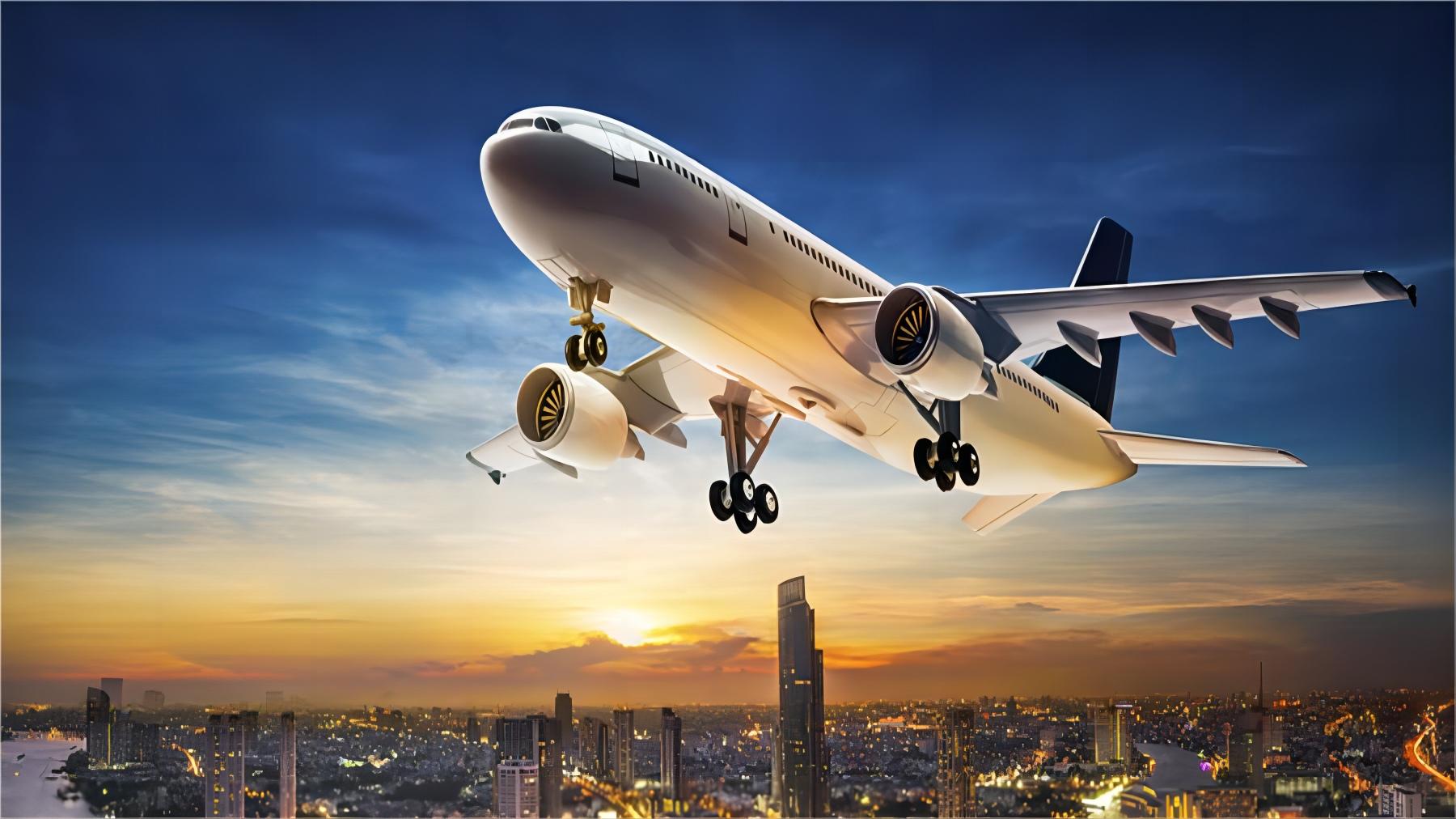
For time-sensitive or high-value cargo, air freight offers unparalleled speed. It is significantly faster than sea freight, making it suitable for perishable goods, electronics, and urgent samples. However, it comes at a higher cost.
Key airports in China like Shanghai Pudong (PVG) and Beijing Capital (PEK) connect to major Japanese airports such as Tokyo Narita (NRT) and Osaka Kansai (KIX). Utilizing air freight can drastically reduce delivery schedules, supporting just-in-time inventory models.
Express Shipping: For Time-Sensitive Deliveries
Express services, provided by global couriers, are designed for small packages and documents requiring rapid, door-to-door delivery. These services offer extensive tracking and often handle customs clearance efficiently. They are typically the fastest option available.
While more expensive per kilogram than standard air freight, express service provides convenience and speed for critical, smaller shipments. It is favored by e-commerce businesses and for urgent business documents.
How Does Shipping Method Impact Transit Time and Costs?
The choice of shipping method directly influences both the time your goods spend in transit and the overall shipping costs. Balancing these two factors is a critical aspect of supply chain management. Understanding the trade-offs helps in strategic planning.
Each method presents a unique combination of speed, expense, and capacity. Consequently, businesses must weigh these elements carefully against their specific logistical requirements. Sea freight can suffer from port congestion, while air freight has strict weight/volume limits. Express service is the most expensive option.
| Shipping Method | Cost Range (USD) | Typical Transit Time | Best For |
|---|---|---|---|
| Sea Freight (LCL) | $50-100/CBM | 5-10 days | Large, non-urgent, cost-sensitive goods |
| Sea Freight (FCL) | $800-1500/container | 4-8 days | Bulk cargo, dedicated container space |
| Air Freight | $4-8/kg | 1-3 days | Urgent, high-value, perishable goods |
| Express Service | $8-15/kg | 1-2 days | Very urgent, small packages, documents |
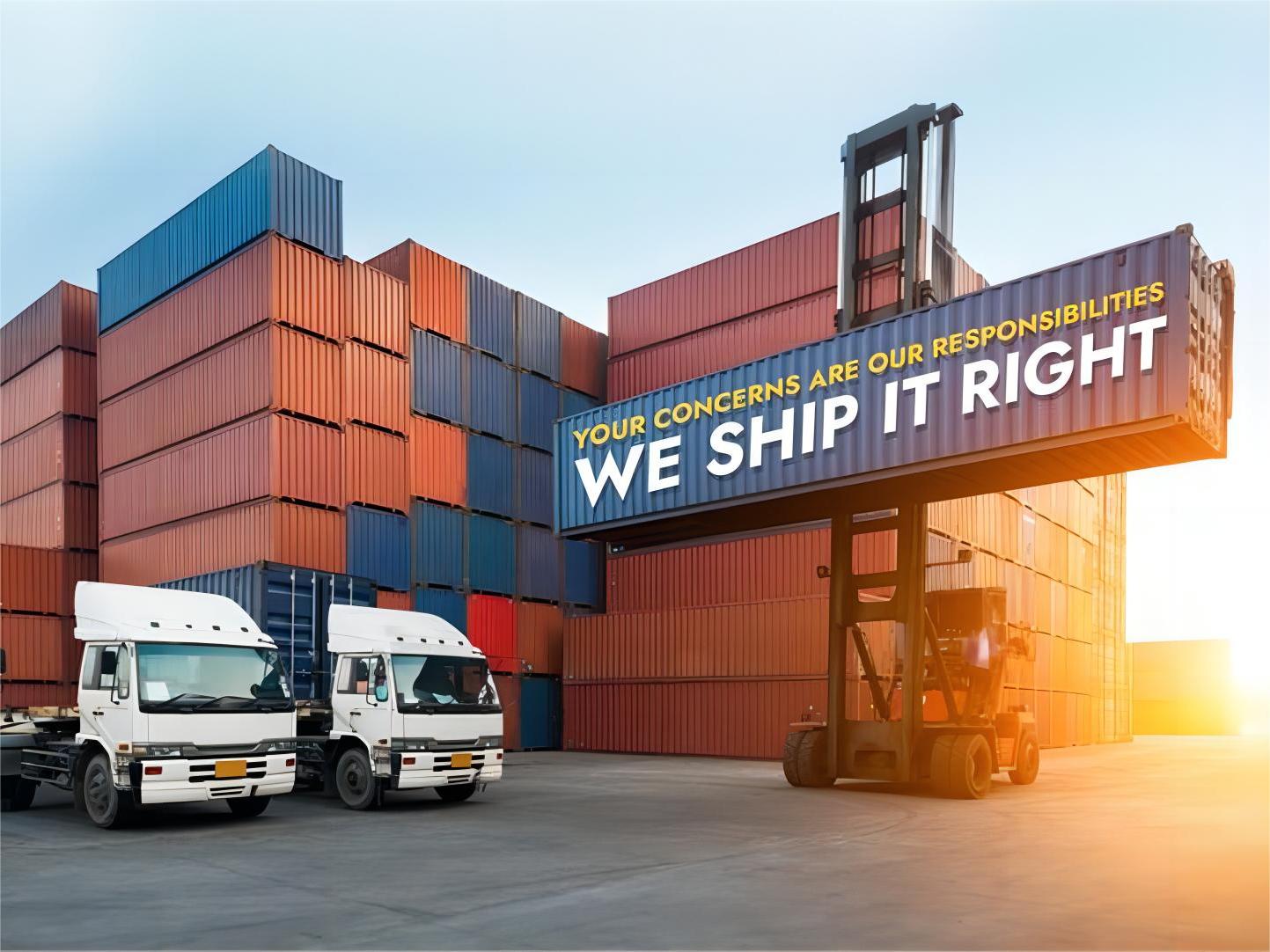
Navigating Customs and Documentation for China-Japan Shipments
Customs clearance is a vital, yet often complex, step in international shipping. Both China and Japan have specific import and export regulations that must be meticulously followed. Errors can lead to significant delays and additional costs.
Proper documentation is therefore non-negotiable. This includes commercial invoices, packing lists, bills of lading or air waybills, and certificates of origin. Engaging a professional for customs brokerage ensures compliance and smooth processing.
Key Documents Required
Preparing the correct paperwork is essential for seamless import/export operations. A commercial invoice details the transaction, while a packing list itemizes cargo contents. The bill of lading (sea) or air waybill (air) serves as the contract of carriage and receipt of goods.
Furthermore, a certificate of origin verifies the goods’ manufacturing country, crucial for trade agreements and tariffs. Depending on the product, additional permits, licenses, or health certificates may be necessary. Always verify specific requirements beforehand.
Understanding Tariffs and Duties
Japan applies various tariffs and duties on imported goods from China. These rates vary significantly based on the product classification (HS code). Accurate classification is critical to calculating the correct import taxes and avoiding penalties.
Moreover, understanding Free Trade Agreements (FTAs) like the Regional Comprehensive Economic Partnership (RCEP) can offer preferential tariff rates. Consulting with customs experts helps businesses leverage these agreements. This minimizes overall shipping costs from China to Japan.
Optimizing Your Supply Chain with Door-to-Door Logistics
A comprehensive door-to-door logistics solution streamlines the entire shipping process. This service covers every stage, from pickup at the origin in China to final delivery at the destination in Japan. It simplifies complex international movements for businesses.
Such integrated services minimize coordination efforts and reduce potential risks. They provide a single point of contact, enhancing transparency and accountability. This holistic approach ensures greater control and predictability over your supply chain.
Benefits of Integrated Services
Opting for door-to-door logistics significantly reduces administrative burdens. Businesses no longer need to manage multiple vendors for different segments of the journey. This consolidation saves time and resources, allowing focus on core operations.
Furthermore, it offers improved visibility and tracking throughout the entire transit. Reduced handling points also minimize the risk of damage or loss. This integrated approach is particularly beneficial for small to medium-sized enterprises (SMEs) seeking simplified import/export solutions.

Real-World Case Studies: Successful Shipments to Japan
Examining actual shipment scenarios provides practical insights into effective logistics strategies. These case studies illustrate how different methods and approaches address specific business needs. They highlight the importance of tailored solutions.
Each example showcases a unique set of challenges and optimal solutions. These real-world applications demonstrate the versatility and reliability of professional logistics service from China to Japan. They also offer valuable lessons for various cargo types.
Case Study 1: E-commerce Apparel via LCL Sea Freight
An e-commerce retailer needed to replenish their seasonal apparel stock in Tokyo. They prioritized cost-effectiveness over extreme speed, as inventory levels allowed for a moderate transit time. LCL sea freight proved to be the ideal solution for their mid-volume shipment.
| Detail | Description |
|---|---|
| Route | Shenzhen, China -> Tokyo, Japan |
| Cargo | Fashion Apparel, 8 CBM, 1500 kg |
| Container | LCL 8 CBM |
| Shipping Details | Major carrier, Port of Loading: Shenzhen, Port of Discharge: Tokyo, Route Type: Direct |
| Ocean Freight | $480 (8 CBM x $60/CBM) |
| Origin Charges | $180 |
| Destination Charges | $250 |
| Customs & Duties (estimated) | $300 |
| Total Landed Cost | $1210 |
| Booking to Loading | 3 days |
| Sea Transit | 5 days |
| Customs Clearance | 2 days |
| Total Door-to-Door | 10 days |
| Key Insight | Cost-effective for smaller volumes, rapid transit for short sea routes. Based on Q3 2024 market rates. |
Case Study 2: Industrial Parts via Air Freight
A Japanese manufacturing plant urgently required specialized industrial parts from a supplier in Shanghai. A production line was at risk of shutdown, making speed the absolute priority. Air freight was chosen despite the higher cost to minimize downtime.
| Detail | Description |
|---|---|
| Route | Shanghai, China -> Osaka, Japan |
| Cargo | Electronic Components, 1.5 CBM, 250 kg |
| Container | Air Cargo (Volumetric Weight: 250.5 kg) |
| Shipping Details | Major airline cargo, Airport of Loading: PVG, Airport of Discharge: KIX, Route Type: Direct |
| Air Freight | $1250 (250 kg x $5.0/kg) |
| Origin Charges | $120 |
| Destination Charges | $180 |
| Customs & Duties (estimated) | $200 |
| Total Landed Cost | $1750 |
| Booking to Loading | 1 day |
| Air Transit | 1 day |
| Customs Clearance | 1 day |
| Total Door-to-Door | 4 days |
| Key Insight | Essential for high-value, time-critical goods to prevent production halts. Typical rates as of Q4 2024. |
Case Study 3: Bulk Consumer Goods via FCL Sea Freight
A large Japanese wholesaler regularly imports consumer goods from Ningbo. For their consistent, high-volume shipments, Full Container Load (FCL) sea freight offered the best balance of cost and efficiency. This method provided dedicated space and predictable scheduling.
| Detail | Description |
|---|---|
| Route | Ningbo, China -> Yokohama, Japan |
| Cargo | Home Goods, 25 CBM, 10,000 kg |
| Container | 20GP |
| Shipping Details | COSCO, Port of Loading: Ningbo, Port of Discharge: Yokohama, Route Type: Direct |
| Ocean Freight | $900 |
| Origin Charges | $250 |
| Destination Charges | $350 |
| Customs & Duties (estimated) | $450 |
| Total Landed Cost | $1950 |
| Booking to Loading | 4 days |
| Sea Transit | 6 days |
| Customs Clearance | 2 days |
| Total Door-to-Door | 12 days |
| Key Insight | Ideal for larger, regular shipments, offering better per-unit cost efficiency. Based on Q1 2025 market rates. |
Which Option Should You Choose for Your China to Japan Shipments?
Selecting the optimal shipping method requires a careful evaluation of several factors. Businesses must align their logistics choices with their operational priorities and cargo characteristics. This decision framework helps simplify the process.
Consider your specific needs regarding budget, speed, and the nature of the goods. Each scenario presents a different ideal solution. Ultimately, the best choice enhances efficiency and reduces overall supply chain risk.
Budget Priority
If cost-saving is your primary concern, sea freight, particularly LCL for smaller volumes or FCL for larger ones, is generally recommended. Despite longer transit times, the per-unit cost is significantly lower. This option suits businesses with flexible delivery schedules and high-volume, low-value goods.
Speed Priority
For urgent shipments or high-value, time-critical items, air freight or express service is the clear choice. These methods minimize transit time, crucial for perishable goods, fast-moving consumer electronics, or components needed to prevent production stoppages. Be prepared for higher shipping costs from China to Japan.
Cargo Type Considerations
Fragile or hazardous materials often have specific handling and transport requirements. Air freight might offer better security and temperature control for certain delicate items. Conversely, oversized or extremely heavy cargo is almost exclusively handled by sea freight due to capacity limitations of aircraft. Consider specialized cargo handling services.
Volume Thresholds for Switching Methods
For shipments under 1 CBM, express courier might be competitive with LCL sea freight due to minimum charges. Between 1-15 CBM, LCL sea freight is often the most economical. Above 15 CBM, considering a 20GP FCL container often becomes more cost-effective than multiple LCL shipments. Analyze your specific cargo volume and weight to determine the most efficient method.
Partnering with a Reliable Freight Forwarder for China-Japan Logistics
Choosing an experienced freight forwarder is paramount for seamless international shipping. A professional partner navigates the complexities of regulations, customs, and transportation networks. They offer valuable insights into optimizing your logistics service from China to Japan.
Such a partner provides end-to-end solutions, from origin pickup to destination delivery. They manage documentation, customs clearance, and carrier selection on your behalf. This expertise minimizes risks and ensures timely, cost-effective cargo handling.
Value-Added Services
Beyond basic transportation, many freight forwarders offer value-added services. These include warehousing, cargo insurance, consolidation, and distribution. These services enhance supply chain efficiency and provide greater flexibility for businesses.
Furthermore, a good forwarder offers real-time tracking and proactive communication. This transparency keeps you informed about your shipment’s status at every stage. They act as an extension of your logistics team, ensuring peace of mind.
Understanding Market Trends and Pricing for China-Japan Shipping
Shipping rates between China and Japan are subject to various market forces. These include global trade volumes, fuel prices, and carrier capacity. Staying informed about these trends is crucial for budgeting and strategic planning.
As of early 2025, freight rates for this route have shown relative stability compared to volatile periods like the Red Sea disruptions. However, seasonal demand, especially during peak seasons like Q4, can still lead to temporary price increases. Industry average for this route typically sees rates rise by 15-25% during August-October.
Factors Influencing Freight Rates
Several key factors dictate the cost of your logistics service from China to Japan. Fuel surcharges, port congestion, and carrier availability significantly impact pricing. Global economic conditions and geopolitical events can also cause fluctuations.
Moreover, the specific route, equipment type (e.g., 20GP, 40HQ), and additional services like expedited handling all contribute to the final freight rates. Always request a detailed quote to understand all components of the shipping cost.
Conclusion
In conclusion, successful <a href=”https://Top China Freight.com/”>logistics service from China to Japan</a> hinges on strategic planning and choosing the right partners. Understanding the nuances of sea, air, and express freight, alongside effective customs management, is paramount. By leveraging expert services, businesses can achieve seamless supply chain operations and competitive advantages.
The dynamic nature of international trade demands flexibility and informed decision-making. Partnering with a reliable freight forwarder like Top China Freight ensures your goods are delivered efficiently and securely. This allows you to focus on your core business growth.
Ready to streamline your logistics?
Are you ready to optimize your logistics service from China to Japan? Contact us today for a personalized quote and expert consultation. Our team is prepared to help you navigate the complexities of international shipping with efficiency and reliability.
Request Quote