
Machinery Freight China to UK: Your Ultimate Shipping Guide
Transporting heavy machinery from China to the UK presents unique logistical challenges. From managing oversized cargo to navigating complex customs procedures, businesses often face high costs and extended transit times. This comprehensive guide from Top China Freight offers practical solutions to ensure your machinery freight China to UK arrives safely and efficiently, streamlining your import process.
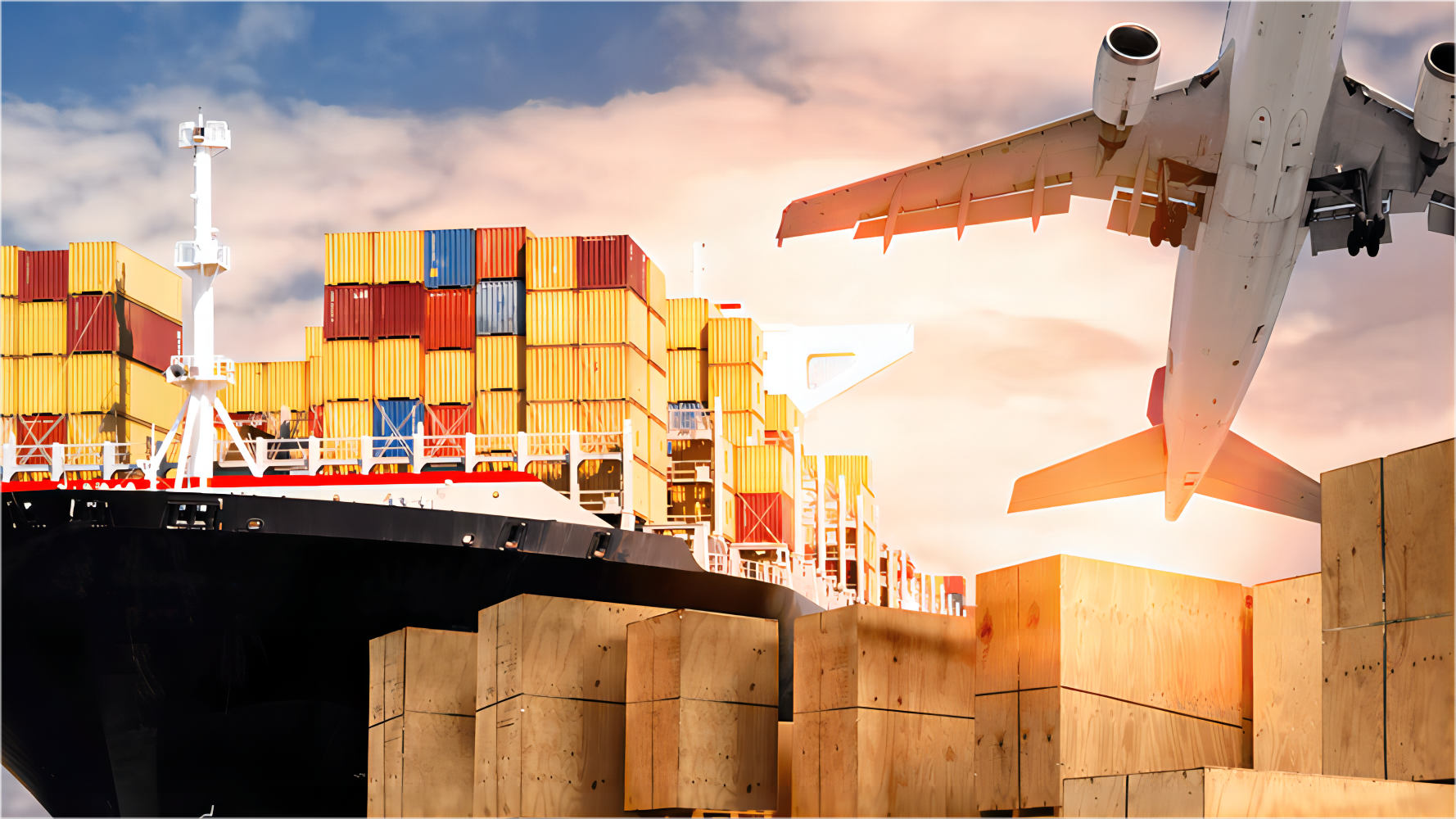
What Are the Primary Shipping Methods for Machinery from China to the UK?
Shipping machinery from China to the UK requires careful consideration of various transport modes. Each option presents distinct advantages and disadvantages concerning speed, cost, and cargo capacity. Therefore, understanding these differences is crucial for making an informed decision about your import strategy.

Typically, three main methods dominate the heavy equipment shipping landscape: sea freight, air freight, and increasingly, rail freight. Furthermore, the choice often depends on the urgency of delivery, the size and weight of the machinery, and your overall budget constraints for the project cargo.

| Method | Cost | Speed | Capacity |
|---|---|---|---|
| Sea Freight | Lowest | Slow (30-40 days) | Highest (Oversized, Heavy) |
| Rail Freight | Medium | Moderate (18-25 days) | High (Containers, Bulk) |
| Air Freight | Highest | Fast (3-7 days) | Limited (Smaller, Lighter) |
How Does Sea Freight Work for Heavy Equipment Shipments?
Sea freight remains the most popular and cost-effective method for shipping heavy equipment from China to UK. This method is ideal for large volumes, oversized machinery, and non-urgent deliveries. Consequently, businesses often choose ocean transport for its capacity and affordability, especially for industrial machinery.
You can utilize Full Container Load (FCL) for exclusive use of a container, or Less than Container Load (LCL) for smaller shipments sharing space. Additionally, specialized services like Break Bulk or Roll-on/Roll-off (RoRo) are available for non-containerizable or wheeled machinery. Major ports like Shanghai, Ningbo, and Shenzhen in China connect to UK ports such as Felixstowe, Southampton, and London Gateway, facilitating robust trade routes.
What Are the Key Considerations for Air Freight of Machinery?
For urgent or high-value machinery, air freight from China to UK offers unparalleled speed. While significantly more expensive than sea or rail, it drastically reduces transit time, which can be critical for time-sensitive projects or emergency repairs. However, air cargo has strict limitations on size and weight, making it unsuitable for extremely large industrial equipment.
Typically, air freight is reserved for smaller, critical components or machinery that fits within standard cargo aircraft dimensions. Therefore, careful planning and coordination with your freight forwarder are essential to ensure compliance with airline regulations and to minimize shipping costs for this expedited service. This option prioritizes speed over cost-effectiveness for your delivery schedule.
Can Rail Freight Be Used for Machinery from China to the UK?
Indeed, rail freight has emerged as a viable and increasingly popular option for transporting machinery from China to the UK, particularly along the New Silk Road routes. This method strikes a balance between the speed of air freight and the cost-efficiency of sea freight. Therefore, it offers a compelling alternative for many businesses seeking optimized logistics.
Transit times for rail shipments are considerably shorter than sea routes, typically ranging from 18 to 25 days. Furthermore, rail freight is more environmentally friendly and less susceptible to port congestion issues. However, specific rail terminals and inland transport might be required at both ends, which can influence the overall door-to-door delivery schedule for your manufacturing equipment.
How Does Each Shipping Method Compare for Machinery Freight China to UK?
Choosing the right shipping method for your machinery freight China to UK hinges on balancing various factors. Each transportation mode offers a unique blend of cost, speed, and suitability for different types of cargo. Consequently, a detailed comparison is vital for strategic planning.
Weighing these options carefully against your budget, urgency, and the specific characteristics of your industrial equipment will help you make the best decision. This comprehensive overview provides insight into potential trade-offs and optimal scenarios for each method.
| Shipping Method | Cost Range | Transit Time | Best For | Limitations |
|---|---|---|---|---|
| Sea Freight (FCL 40HQ) | $3,500-4,500 | 30-38 days | Large, heavy, non-urgent, cost-sensitive cargo | Slow, port congestion risk |
| Rail Freight (40HC) | $7,000-10,000 | 18-25 days | Mid-sized, time-sensitive but not urgent, environmentally conscious | Less flexible routes, terminal access needed |
| Air Freight (per kg) | $6-12/kg | 3-7 days | Urgent, high-value, smaller components, critical spares | High cost, strict size/weight limits, fuel surcharges |
What are the Critical Customs and Documentation Requirements?
Navigating customs clearance for machinery imports into the UK is a complex but essential step. Proper documentation and adherence to regulations are paramount to avoid delays and unexpected costs. Therefore, businesses must prepare meticulously for this phase of machinery freight China to UK.
Key documents typically include commercial invoices, packing lists, bills of lading or air waybills, and certificates of origin. Furthermore, you will need to classify your machinery using the correct HS codes to determine applicable tariffs and duties. An EORI number is also mandatory for UK businesses importing goods. Engaging a professional customs brokerage service can significantly streamline this process and ensure compliance.

Navigating Costs: Understanding the Factors Affecting Machinery Freight Rates
The total cost of shipping machinery from China to the UK involves more than just the base freight charge. Several variables significantly influence the final freight rates and overall landed cost. Consequently, understanding these factors helps in budgeting and cost-saving strategies.
Factors include fuel surcharges (Bunker Adjustment Factor – BAF), currency exchange rates, peak season surcharges, and port charges (THC, demurrage, detention). Additionally, the type and size of your machinery, insurance, and any specialized handling requirements will affect the pricing. As of Q1 2025, freight rates from China to Europe have stabilized after the 2024 Red Sea disruptions, but seasonal increases (e.g., August-October) are still expected. Note: Freight rates are subject to change based on fuel costs, carrier capacity, and seasonal demand. Contact us for a current quote tailored to your specific shipment.
Real-World Scenarios: Case Studies in Machinery Freight China to UK
Examining actual shipping scenarios provides valuable insights into the complexities and solutions for machinery freight China to UK. These case studies highlight the diverse challenges and successful strategies employed in transporting industrial equipment. They demonstrate how different methods are chosen based on specific client needs.
Case Study 1: Urgent Production Line Component
A UK manufacturing firm urgently needed a replacement part for a critical production line machine. The component, while not excessively large, was vital for avoiding costly downtime. Speed was the absolute priority over cost for this shipment.
| Detail | Description |
|---|---|
| Route | Shanghai, China to London, UK |
| Cargo | Precision CNC machine part, 1.2 CBM, 450 kg |
| Container | Air Cargo (General) |
| Shipping Details | Major air carrier, direct flight |
| Port of Loading | Shanghai Pudong International Airport (PVG) |
| Port of Discharge | London Heathrow Airport (LHR) |
| Route Type | Direct Air Cargo |
| Cost Breakdown (Based on Q3 2024 rates) | |
| Air Freight | $3,800 |
| Origin Charges | $350 |
| Destination Charges | $280 |
| Customs & Duties (estimated) | $450 |
| Total Landed Cost | $4,880 |
| Timeline | |
| Booking to Loading | 1 day |
| Air Transit | 2 days |
| Customs Clearance | 1 day |
| Total Door-to-Door | 5 days |
| Key Insight | Air freight proved invaluable for minimizing production downtime, despite the higher cost. The rapid transit justified the investment. |
Case Study 2: Large Agricultural Machinery Shipment
A UK agricultural supplier imported several large tractors and harvesting machines from China. The primary goal was cost-effectiveness for the oversized cargo, with a reasonable transit time. This involved careful planning for specialized handling.
| Detail | Description |
|---|---|
| Route | Ningbo, China to Felixstowe, UK |
| Cargo | 3 Tractors, 2 Harvesters (total 120 CBM, 45,000 kg) |
| Container | Break Bulk / RoRo (Roll-on/Roll-off) |
| Shipping Details | COSCO, direct service |
| Port of Loading | Ningbo Port |
| Port of Discharge | Felixstowe Port |
| Route Type | Direct Ocean Freight |
| Cost Breakdown (Typical rates as of early 2025) | |
| Ocean Freight | $15,000 (for break bulk) |
| Origin Charges | $1,200 |
| Destination Charges | $1,500 |
| Customs & Duties (estimated) | $3,500 |
| Total Landed Cost | $21,200 |
| Timeline | |
| Booking to Loading | 7 days |
| Sea Transit | 32 days |
| Customs Clearance | 3 days |
| Total Door-to-Door | 45 days |
| Key Insight | Break Bulk/RoRo was the most economical solution for non-containerizable, heavy machinery, requiring specialized port handling and careful scheduling. |
Case Study 3: Standard Manufacturing Equipment Upgrade
A UK factory purchased new automated manufacturing equipment to upgrade its facility. The machinery fit into standard containers, and while not critically urgent, a faster-than-sea transit was preferred to integrate into their production schedule. This scenario explored a balanced approach.
| Detail | Description |
|---|---|
| Route | Chongqing, China to London, UK (via rail terminal) |
| Cargo | Automated assembly line modules, 2 x 40HQ containers |
| Container | 2 x 40HQ |
| Shipping Details | China-Europe Railway Express |
| Port of Loading | Chongqing Rail Terminal |
| Port of Discharge | Tilbury Rail Terminal (near London) |
| Route Type | Intermodal Rail Freight |
| Cost Breakdown (Based on current market rates Q1 2025) | |
| Rail Freight | $18,000 (for 2x40HQ) |
| Origin Charges | $800 |
| Destination Charges | $950 |
| Customs & Duties (estimated) | $4,000 |
| Total Landed Cost | $23,750 |
| Timeline | |
| Booking to Loading | 5 days |
| Rail Transit | 20 days |
| Customs Clearance | 2 days |
| Total Door-to-Door | 28 days |
| Key Insight | Rail freight provided an excellent middle-ground, offering significantly faster delivery than sea freight at a fraction of the cost of air freight for containerized machinery. |
Optimizing Your Supply Chain: Tips for Efficient Machinery Import
Achieving efficiency in machinery freight China to UK involves proactive planning and strategic partnerships. A well-optimized supply chain minimizes risks and reduces overall costs. Therefore, consider these practical tips to enhance your import process.
Firstly, plan well in advance, especially for large or complex machinery. This allows for better rate negotiation and avoids peak season surcharges. Secondly, choose a freight forwarder with specialized experience in heavy equipment and project cargo. Their expertise can be invaluable for navigating unique challenges.
Furthermore, consider utilizing a door-to-door service. This comprehensive solution handles all aspects from pickup at the factory in China to final delivery at your UK facility, simplifying logistics and reducing your administrative burden. Finally, invest in comprehensive marine insurance to protect against unforeseen damages or losses during transit.
Which Shipping Option Should You Choose for Your Machinery?
Selecting the optimal shipping method for your machinery freight China to UK ultimately depends on your specific business priorities. There is no single ‘best’ option; instead, the ideal choice aligns with your budget, timeline, and cargo characteristics. Consider these decision criteria for informed choices.
If budget is your top priority and time is flexible, sea freight is almost always the most cost-effective solution, especially for oversized cargo. Conversely, if speed is paramount for critical components or urgent repairs, air freight, despite its higher cost, delivers the quickest transit. For a balance of speed and cost for containerized goods, rail freight offers a compelling alternative.
Moreover, the type and volume of machinery play a significant role. Small, high-value components might justify air transport, while multiple large machines are best suited for sea or rail. Consider hybrid solutions, such as shipping parts by air and main bodies by sea, to optimize both speed and cost for complex projects. Ultimately, a detailed consultation with a logistics expert can clarify the best approach for your specific needs.
Mastering Machinery Freight from China to the UK
Effectively managing machinery freight China to UK requires a strategic approach, encompassing method selection, cost management, and customs compliance. Whether you opt for the economy of sea freight, the speed of air freight, or the balanced efficiency of rail, informed decisions are crucial. Partnering with an experienced freight forwarder is paramount for navigating these complexities.
Ultimately, understanding the nuances of each shipping option and preparing for logistical challenges ensures a smooth and successful import process for your valuable industrial equipment. Therefore, by leveraging expert guidance, you can optimize your supply chain and achieve predictable, cost-effective machinery delivery.
Need a tailored shipping solution?
Ready to streamline your machinery freight China to UK? Our expert team at Top China Freight is equipped to handle all aspects of your heavy equipment shipment, from customs to final delivery. Contact us today for a personalized quote and discover how we can optimize your logistics process.