
Mastering China International Freight: A Comprehensive Shipping Guide
Navigating the complexities of China international freight is crucial for businesses engaged in global trade. Indeed, efficient logistics can significantly impact your supply chain and bottom line. This comprehensive guide will equip you with the knowledge to manage your shipments effectively, ensuring smooth import and export operations.
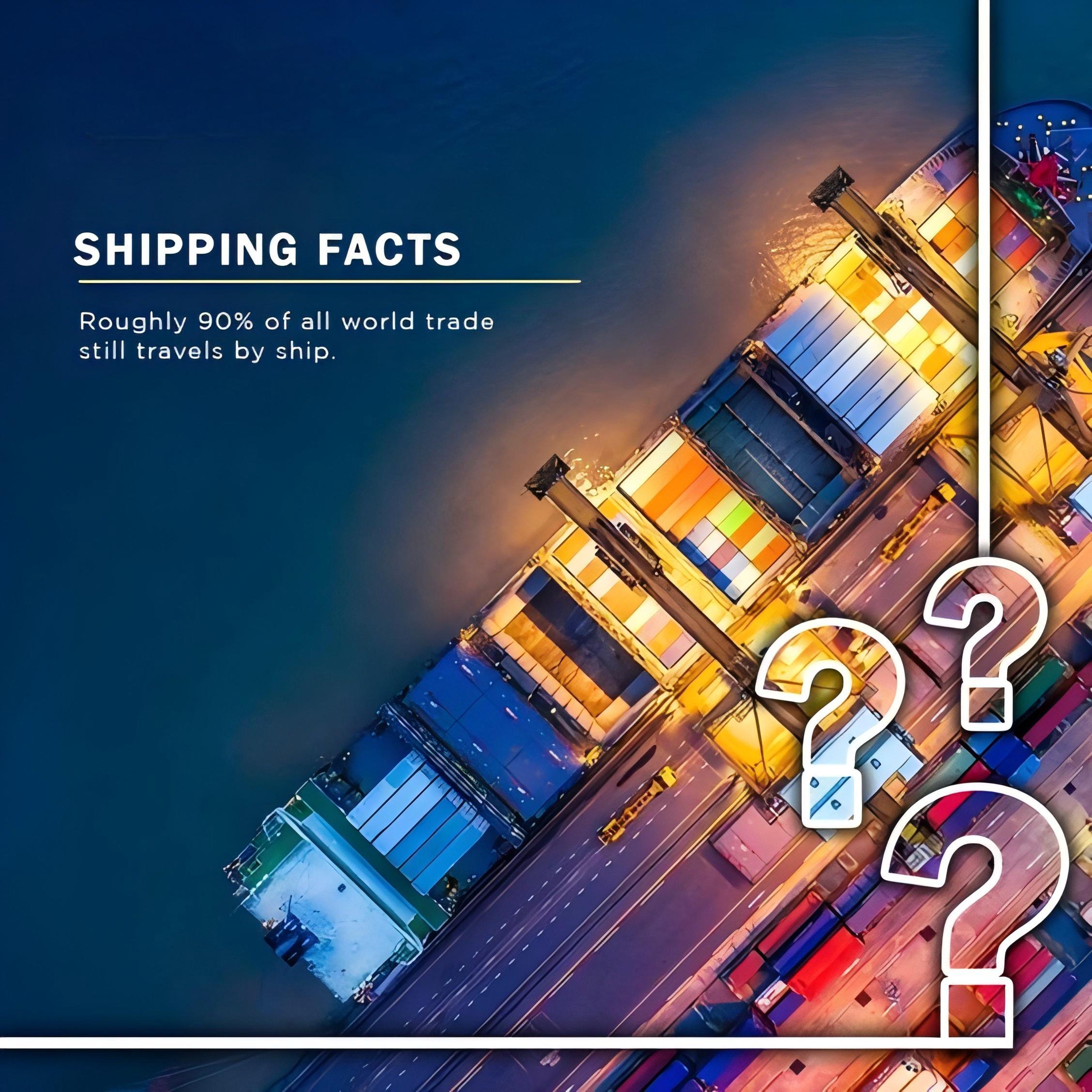
What are the Primary China International Freight Methods?
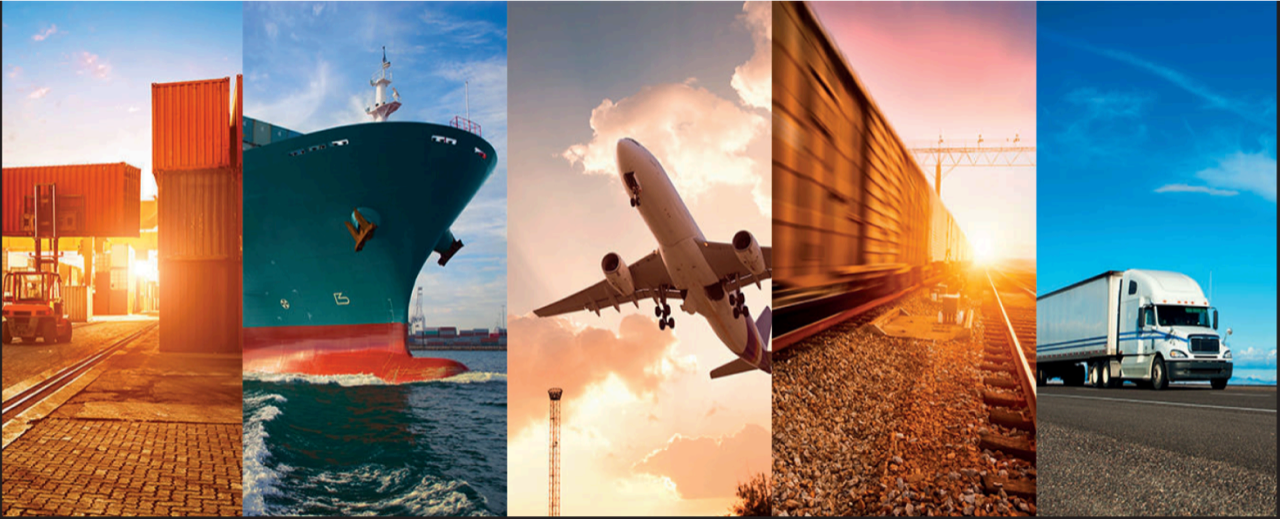
When shipping goods from China, several key international freight methods are available. Each option offers distinct advantages and disadvantages concerning shipping costs, transit time, and cargo type. Therefore, understanding these differences is essential for making informed decisions.
Choosing the right method directly influences your delivery schedule and overall logistics trends. Consequently, businesses often evaluate their priorities—whether speed, cost, or cargo volume—before selecting a shipping solution. Moreover, a reliable China freight forwarder can provide tailored advice.
Sea Freight: The Cost-Effective Choice
Sea freight remains the backbone of global trade, offering the most economical solution for large volumes. Specifically, it is ideal for non-urgent, heavy, or bulky cargo. However, transit times are generally longer compared to other methods.
Indeed, both Full Container Load (FCL) and Less than Container Load (LCL) options are available. FCL is suitable for exclusive container use, whereas LCL consolidates smaller shipments, optimizing space and reducing sea freight costs. Consequently, careful planning is vital for managing sea shipments.
Air Freight: For Speed and Urgency
For time-sensitive shipments, air freight provides unparalleled speed. Although it is more expensive than sea freight, it drastically reduces transit time. Thus, it is perfect for high-value goods, perishable items, or urgent deliveries.
Furthermore, air cargo offers enhanced security and reliability. However, weight and size restrictions apply, and freight rates can fluctuate significantly based on seasonal demand and fuel surcharges. Accordingly, planning ahead is always recommended.
Rail Freight: A Balanced Alternative
Rail freight presents a compelling middle-ground between sea and air, especially for routes between China and Europe. It offers faster transit times than sea freight and is more cost-effective than air freight. Therefore, it’s gaining popularity for various goods.
The New Silk Road railway network has expanded, providing efficient and reliable rail freight services. This method is particularly beneficial for bulky cargo that isn’t time-critical enough for air, but too urgent for sea. Consequently, it supports robust supply chain solutions.
Express Services: Door-to-Door Convenience
For small packages and documents requiring swift, hassle-free delivery, express services are invaluable. Major carriers offer expedited express service options, often including customs clearance. This ensures a seamless door-to-door experience.
These services are typically more expensive per kilogram but offer speed and convenience for urgent, smaller shipments. Moreover, they simplify the import/export process for many businesses. Ultimately, they are ideal for samples or e-commerce fulfillment.
How Does China International Freight Compare Across Methods?
Understanding the trade-offs between different shipping methods is vital for optimizing your China import/export logistics. Each option comes with its own set of cost implications, transit times, and suitability for specific cargo types. Therefore, a direct comparison helps in strategic planning.
As of Q1 2025, freight rates from China to Europe have stabilized after the 2024 Red Sea disruptions, but market volatility persists. Indeed, seasonal patterns often see rates increase by 15-25% during August-October peak season. Consequently, budgeting for these fluctuations is wise.
| Shipping Method | Cost Range (per kg) | Transit Time | Best For | Limitations |
|---|---|---|---|---|
| Sea Freight | $0.05 – $0.20 | 20-45 days | Large, heavy, non-urgent cargo | Slow, port congestion risks |
| Rail Freight | $0.30 – $0.80 | 15-25 days | Mid-size, urgent but not critical cargo | Limited routes, not global |
| Air Freight | $3.00 – $8.00+ | 3-7 days | Urgent, high-value, perishable goods | High cost, weight/size limits |
| Express Service | $5.00 – $15.00+ | 2-5 days | Small, urgent packages/documents | Very high cost, strict size/weight |
What are Key Considerations for China International Freight Costs?
Several factors influence the overall cost of shipping from China. These include the chosen shipping method, cargo volume, weight, and destination. Furthermore, origin and destination charges, customs duties, and insurance all contribute to the total landed cost.
To illustrate, FCL vs. LCL shipping costs differ significantly. For shipments under 15 CBM, LCL at $50-80/CBM may be more economical than a full container. However, for larger volumes, FCL offers better per-unit pricing. Moreover, Incoterms play a crucial role in determining cost responsibilities.
Understanding Freight Rates and Surcharges
Base freight rates are only one component of the total shipping cost. Additionally, various surcharges apply, such as Bunker Adjustment Factor (BAF), Currency Adjustment Factor (CAF), and Terminal Handling Charges (THC). These can add substantially to the overall expense.
Furthermore, peak season surcharges are common during busy periods like Chinese New Year or holiday seasons. Therefore, obtaining a detailed quote that itemizes all costs is essential. This helps in accurate budgeting for your China international freight.
Customs Duties and Taxes
Importing goods into any country incurs customs duties and taxes, which vary based on the Harmonized System (HS) code of your product and the destination country’s regulations. Consequently, these costs can be a significant portion of your total import expenditure.
Engaging a professional customs brokerage service can streamline this process. They ensure correct classification and compliance, thus avoiding costly delays and penalties. Moreover, understanding your Incoterms clarifies who is responsible for these payments.
Navigating Customs and Documentation for China Shipments
Effective customs clearance is paramount for smooth China international freight operations. Incorrect documentation or non-compliance with regulations can lead to significant delays and additional costs. Therefore, meticulous preparation is key.
Moreover, different types of cargo require specific permits and licenses. Understanding these requirements beforehand prevents complications at the border. Indeed, a knowledgeable freight partner simplifies this often-complex process.
Essential Shipping Documents
A range of documents is required for international shipping. These typically include the Commercial Invoice, Packing List, Bill of Lading (for sea freight) or Air Waybill (for air freight), and sometimes a Certificate of Origin. Furthermore, specific product types may need additional certifications.
Ensuring all documents are accurate and complete is critical for avoiding customs holds. Moreover, proper documentation supports efficient cargo handling and compliance with international trade laws. This helps in managing Chinese suppliers shipping effectively.
| Document | Purpose | Issued By | Key Information |
|---|---|---|---|
| Commercial Invoice | Payment, customs valuation | Exporter | Goods description, value, terms of sale |
| Packing List | Cargo inspection | Exporter | Itemized list of contents, weights, dimensions |
| Bill of Lading / Air Waybill | Contract of carriage, title to goods | Carrier/Forwarder | Shipper, consignee, cargo details, route |
| Certificate of Origin | Proof of country of manufacture | Chamber of Commerce | Origin of goods |
Customs Clearance Process
The customs clearance process involves submitting all required documents to the customs authorities in both the origin and destination countries. This step ensures that all duties, taxes, and fees are assessed and paid. Consequently, it’s a critical checkpoint in the supply chain.
Delays often stem from incomplete or inaccurate paperwork, or issues with cargo inspection. Therefore, partnering with an experienced customs brokerage service is invaluable. They can proactively address potential issues, ensuring timely release of your goods.
Which Option Should You Choose for Your China International Freight?
Selecting the optimal shipping method for your China international freight depends on several critical factors. These include your budget, the urgency of your shipment, and the specific characteristics of your cargo. Moreover, your overall supply chain strategy also plays a vital role.
Making the right choice can significantly impact both your operational efficiency and profitability. Therefore, consider these decision frameworks to guide your selection. A reliable China shipping partner can help evaluate these trade-offs.
Budget Priority
If cost-saving is your primary concern, sea freight, particularly LCL for smaller volumes or FCL for larger ones, is generally the most economical choice. However, be prepared for longer transit times. Additionally, explore rail freight for a good balance on China-Europe routes.
Consider consolidating shipments to reduce per-unit costs. Furthermore, planning well in advance helps avoid last-minute, expensive express options. This approach optimizes your freight rates from China.
Speed Priority
For urgent deliveries, air freight or express service is indispensable. These methods significantly cut down on shipping time from China, ensuring your goods arrive quickly. Nevertheless, the higher cost must be factored into your budget.
High-value or time-sensitive products, such as electronics or fashion, often benefit most from these faster options. Consequently, prioritizing speed means accepting a higher logistics expense. Always compare transit times versus cost.
Cargo Type and Volume Considerations
The nature of your cargo directly influences the best shipping method. Bulky, heavy goods are best suited for sea freight, while delicate or perishable items might require air cargo with temperature control. Furthermore, hazardous materials have specific handling requirements.
For instance, large machinery demands FCL sea freight, whereas small, fragile components might be better off with specialized air cargo handling. Therefore, always match the method to the cargo’s unique needs. This ensures safe and efficient international cargo from China.
Hybrid Solutions
Sometimes, a combination of methods, known as intermodal or hybrid shipping, offers the best solution. For example, sea-air combinations involve shipping by sea to a hub (e.g., Dubai), then by air to the final destination. This balances cost and speed.
Similarly, rail-sea combinations are emerging for certain routes, providing flexibility. These innovative supply chain solutions can optimize your delivery schedule and overall efficiency. Always discuss these options with your freight forwarder.
Real-World China International Freight Scenarios
Examining real case studies provides practical insights into managing China international freight. These examples highlight common challenges and effective solutions, offering a clearer picture of typical shipping costs and transit times. Moreover, they demonstrate the importance of strategic planning.
Based on Q3 2024 market rates and typical operational timelines, these scenarios illustrate various shipping complexities. They also underscore the value of a comprehensive door to door service. Note: Freight rates are subject to change based on fuel costs, carrier capacity, and seasonal demand. Contact us for a current quote tailored to your specific shipment.
Case Study 1: E-commerce Apparel to North America
| Detail | Value |
|---|---|
| Route | Shenzhen, China -> Los Angeles, USA |
| Cargo | Fashion Apparel, 10 CBM, 1500 kg |
| Container | LCL 10 CBM |
| Shipping Details – Carrier/Service | Major LCL consolidator |
| Shipping Details – Port of Loading | Shenzhen |
| Shipping Details – Port of Discharge | Los Angeles |
| Shipping Details – Route Type | Direct |
| Cost Breakdown – Ocean Freight | $850 (LCL @ $85/CBM) |
| Cost Breakdown – Origin Charges (THC, documentation) | $250 |
| Cost Breakdown – Destination Charges | $300 |
| Cost Breakdown – Customs & Duties (estimated) | $400 |
| Cost Breakdown – Total Landed Cost | $1,800 |
| Timeline – Booking to Loading | 5 days |
| Timeline – Sea Transit | 14 days |
| Timeline – Customs Clearance | 3 days |
| Timeline – Total Door-to-Door | 25 days |
| Key Insight | LCL was cost-effective for mid-volume, allowing frequent replenishment. Shipping to North America requires efficient customs handling. |
Case Study 2: Industrial Components to Europe
| Detail | Value |
|---|---|
| Route | Ningbo, China -> Hamburg, Germany |
| Cargo | Machine Parts, 25,000 kg |
| Container | 1 x 20GP |
| Shipping Details – Carrier/Service | COSCO |
| Shipping Details – Port of Loading | Ningbo |
| Shipping Details – Port of Discharge | Hamburg |
| Shipping Details – Route Type | Direct |
| Cost Breakdown – Ocean Freight | $2,200 |
| Cost Breakdown – Origin Charges (THC, documentation) | $350 |
| Cost Breakdown – Destination Charges | $450 |
| Cost Breakdown – Customs & Duties (estimated) | $700 |
| Cost Breakdown – Total Landed Cost | $3,700 |
| Timeline – Booking to Loading | 7 days |
| Timeline – Sea Transit | 30 days |
| Timeline – Customs Clearance | 4 days |
| Timeline – Total Door-to-Door | 45 days |
| Key Insight | FCL provided security and cost-efficiency for heavy cargo. Shipping to Europe faced minor port congestion delays, managed by proactive communication. |
Case Study 3: Urgent Electronics to Australia
| Detail | Value |
|---|---|
| Route | Shanghai, China -> Sydney, Australia |
| Cargo | High-value Electronics, 500 kg |
| Container | Air Cargo (General) |
| Shipping Details – Carrier/Service | Cathay Cargo |
| Shipping Details – Port of Loading | Shanghai Pudong (PVG) |
| Shipping Details – Port of Discharge | Sydney (SYD) |
| Shipping Details – Route Type | Direct |
| Cost Breakdown – Air Freight | $2,500 ($5.00/kg) |
| Cost Breakdown – Origin Charges (THC, documentation) | $150 |
| Cost Breakdown – Destination Charges | $200 |
| Cost Breakdown – Customs & Duties (estimated) | $350 |
| Cost Breakdown – Total Landed Cost | $3,200 |
| Timeline – Booking to Loading | 2 days |
| Timeline – Air Transit | 3 days |
| Timeline – Customs Clearance | 2 days |
| Timeline – Total Door-to-Door | 10 days |
| Key Insight | Air freight was chosen for speed for high-value goods. Shipping to Australia with quick customs clearance minimized market disruption for the client. |
Optimizing Your Supply Chain with a China Freight Forwarder
A professional China freight forwarder offers invaluable expertise in navigating the complexities of international shipping. They can streamline your operations, reduce costs, and mitigate risks. Indeed, their services are crucial for efficient supply chain management.
From managing diverse suppliers to handling customs documentation and optimizing freight rates, a reliable partner simplifies the entire process. Furthermore, they provide critical advice on the best way to ship from China. This ensures robust and resilient logistics.
Value-Added Services
Beyond basic transportation, many freight forwarders offer value-added services. These include warehousing, consolidation, distribution, and cargo insurance. Consequently, these services can enhance your overall supply chain efficiency.
For instance, Amazon FBA prep and delivery services are increasingly popular. These specialized offerings cater to specific business models, ensuring seamless integration with e-commerce platforms. Moreover, they help in managing Chinese suppliers shipping directly to fulfillment centers.
Choosing the Right Partner
Selecting a reputable international shipping services China provider is paramount. Look for a forwarder with extensive experience, strong global networks, and transparent communication. Furthermore, ensure they understand your specific industry and cargo requirements.
A good partner will offer tailored solutions, provide real-time tracking China shipments, and proactively address potential issues. Ultimately, they become an extension of your logistics team, ensuring your China international freight runs smoothly. Visit Top China Freight to learn more.
Final Thoughts on China International Freight
Effectively managing China international freight is essential for any business sourcing from or selling to China. Understanding the various shipping methods, cost drivers, and regulatory requirements empowers you to make informed decisions. Moreover, choosing a reliable logistics partner is key to navigating these complexities.
By optimizing your supply chain and staying informed about logistics trends, you can enhance efficiency and reduce costs. Ultimately, a strategic approach to China international freight ensures your goods move seamlessly across borders, supporting your global business growth.
Need a tailored shipping solution?
Ready to streamline your China international freight operations? Contact our experts today for a personalized consultation and a competitive quote. We are committed to providing efficient and reliable international shipping services tailored to your specific needs.