
Navigating Shipping Requirements for Machinery from China to USA: Your Complete Guide
Shipping heavy machinery from China to the USA involves complex regulations and logistical challenges. Understanding these **shipping requirements for machinery from China to USA** is crucial. This guide offers essential insights to streamline your import process, ensuring smooth delivery.
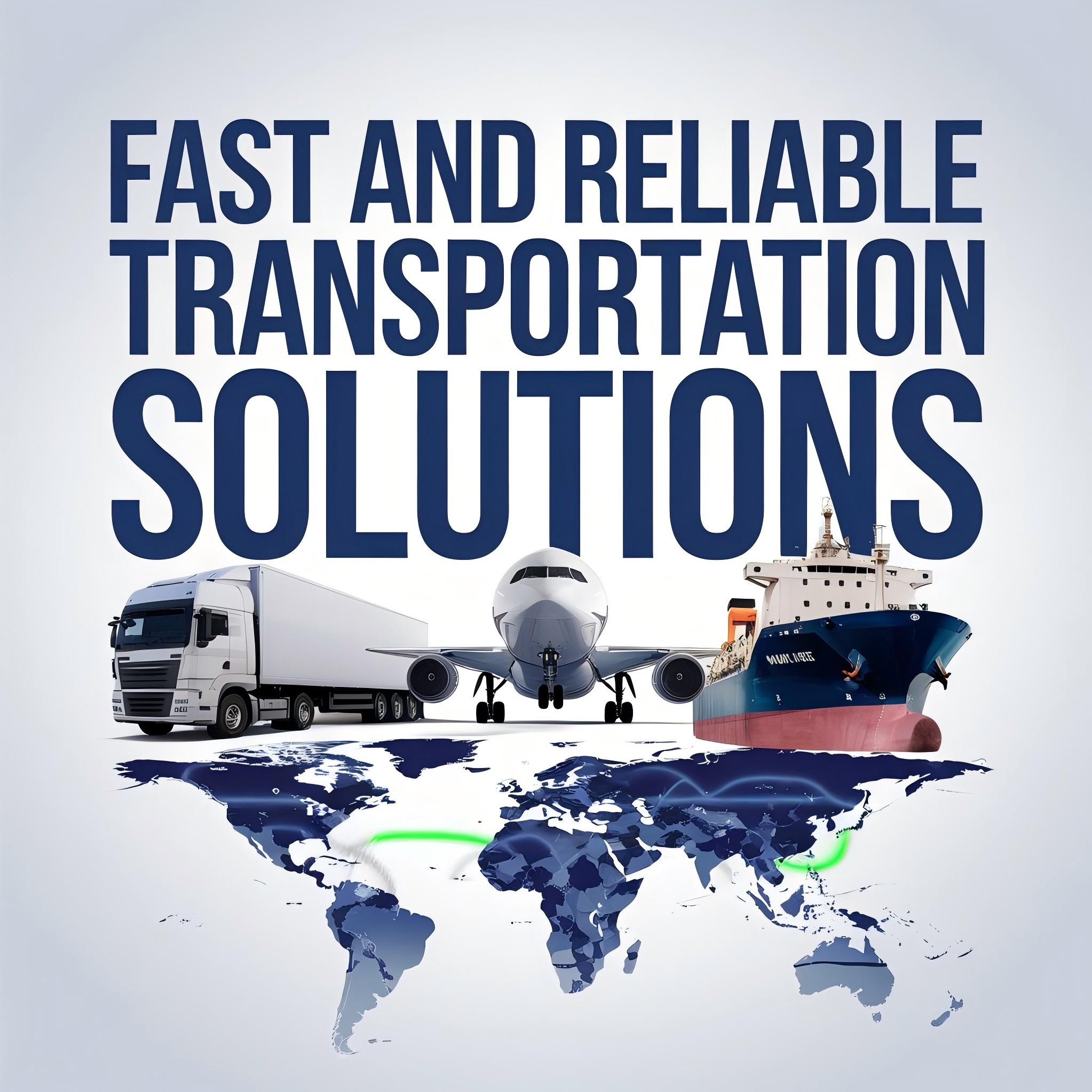
Understanding Core Shipping Requirements for Machinery
Importing machinery from China to the USA demands meticulous planning and adherence to strict regulations. Navigating these varied **shipping requirements for machinery from China to USA** is paramount for a successful transaction. A professional freight forwarder can coordinate these elements.
Key aspects include precise documentation, understanding US import laws, and selecting appropriate shipping methods. Optimizing the supply chain minimizes potential pitfalls and ensures efficient delivery of your valuable equipment.
Essential Documentation Checklist for Import
Accurate documentation is the bedrock of any successful machinery import. Errors can lead to significant delays or fines. Therefore, preparing all necessary documents meticulously is non-negotiable.
Key documents include a Commercial Invoice, Packing List, and Bill of Lading (or Air Waybill). Additionally, a Certificate of Origin might be required to determine duty rates and ensure compliance with trade agreements.
| Document | Purpose | Key Detail |
|---|---|---|
| Commercial Invoice | Details goods, value, and terms of sale | Accurate description, HS codes, total value |
| Packing List | Itemizes contents of each package | Dimensions, weight, package count, material |
| Bill of Lading (B/L) / Air Waybill (AWB) | Contract of carriage, title to goods | Shipper, consignee, cargo details, destination port |
| Certificate of Origin | Verifies country of manufacture | Often impacts duty rates and trade agreements |
| Import License/Permit | Required for certain regulated machinery | Specific to machinery type and agency requirements |

Navigating US Customs and Agency Regulations
US Customs and Border Protection (CBP) enforces specific regulations for machinery. Identifying the correct Harmonized System (HS) Code is fundamental, as it dictates applicable duties and taxes. Incorrect classification can result in penalties.
Furthermore, Importer Security Filing (ISF) is critical for sea freight, required 24 hours before vessel departure. Specialized machinery may also be subject to regulations from agencies like the EPA or FDA, necessitating specific permits or approvals.
Choosing Optimal Shipping Method & Packaging
The choice between sea freight (FCL/LCL) and air freight significantly impacts cost and transit time. Sea freight is economical for heavy or oversized machinery but slower; conversely, air freight offers speed at a premium. Consider machinery size, urgency, and budget.
Proper packaging is equally critical to prevent damage during transit. Machinery often requires robust crating, anti-rust treatments, and secure bracing within containers. Consequently, investing in professional packing ensures your equipment arrives in pristine condition.

Case Study: Efficient Import of Industrial Robotics
Challenge and Solution for a US Manufacturer
A US firm needed to import sensitive industrial robotics from China under a tight deadline. Complex documentation and potential tariff issues posed significant challenges. They sought a solution for expedited, compliant delivery.
| Aspect | Challenge | Solution | Outcome |
|---|---|---|---|
| Documentation | Multiple permits, HS code uncertainty | Pre-clearance, expert HS classification | No customs delays, accurate duties |
| Transit Time | Urgent production schedule | Expedited sea freight (FCL), optimized routing | Delivered 5 days ahead of schedule |
| Cargo Safety | Sensitive electronic components | Custom crating, shock-absorbing materials | Machinery arrived undamaged |
| Cost Management | Budget constraints, potential tariffs | Duty minimization strategies, consolidated logistics | 20% reduction in total logistics costs |

Cost Factors and Transit Times
The total cost of importing machinery extends beyond just the freight charges. It encompasses customs duties, taxes, cargo insurance, and port handling fees. These variables necessitate a detailed financial plan, preventing budget overruns.
Transit times for machinery from China to the USA typically range from 3-6 weeks for sea freight and 3-7 days for air freight. However, these estimates can fluctuate due to congestion or inspections. Therefore, building buffer time into your delivery schedule is always advisable.
Ensuring Smooth Machinery Imports from China to USA
Successfully importing machinery from China to the USA demands a thorough understanding of documentation, customs regulations, and logistics planning. Adhering to these **shipping requirements for machinery from China to USA** is paramount for efficiency and cost-effectiveness. Proactive preparation and expert guidance are key.
By partnering with experienced freight forwarders, businesses can mitigate risks, streamline operations, and ensure their valuable equipment reaches its destination without incident. Ultimately, a well-managed import process contributes significantly to your operational success.
Start Your Shipment
Navigating the intricate **shipping requirements for machinery from China to USA** can be daunting. Contact Top China Freight today for a personalized consultation and a competitive quote. Our experts simplify your import process, ensuring timely and compliant delivery.
Request Quote