

Open Top FCL booking process for machinery from China to Seattle: A Complete Guide
Successfully managing the Open Top FCL booking process for machinery from China to Seattle requires a deep understanding of specialized equipment and international logistics regulations. Many importers face significant challenges when coordinating the movement of over-dimensional cargo across the Pacific Ocean. Top China Freight provides the expertise needed to navigate these complexities ensuring your heavy machinery arrives safely and on schedule. This guide explores every critical step of the booking journey to help you optimize your supply chain.

What Is the Open Top FCL Booking Process for Machinery from China to Seattle?
The process begins with identifying the specific dimensions and weight of your machinery to determine if an open top container is the right choice. Specifically, open top containers feature a removable tarpaulin roof instead of a solid top which allows for the loading of tall equipment via crane. Furthermore, booking these units requires early communication with carriers because open top equipment is often in limited supply at major Chinese ports like Shanghai or Ningbo.
Consequently, shippers must provide detailed packing lists and technical drawings to the freight forwarder during the initial inquiry phase. This documentation allows the carrier to assess the feasibility of the shipment and calculate the necessary surcharges for out-of-gauge cargo. In addition, choosing sea freight for these oversized items remains the most cost-effective solution for trans-Pacific trade routes.
Key Equipment Types: 20ft vs 40ft Open Top
Choosing between a 20 foot and 40 foot open top container depends largely on the footprint and weight distribution of your machinery. While 20 foot units are ideal for heavy, compact equipment, 40 foot units accommodate longer machines that exceed standard height limits. Moreover, you must consider the weight capacity of the container floor to prevent damage during the long voyage to Seattle.
Step-by-Step Guide to Booking Your Machinery Shipment
First, you must request a quote that specifically mentions the Open Top FCL booking process for machinery from China to Seattle to ensure all specialized fees are included. Freight forwarders will typically ask for the length, width, height, and gross weight of the cargo including the base or skid. After you accept the quote, the forwarder will check equipment availability at the nearest port of loading.
Second, once the equipment is secured, you must coordinate the pick-up of the empty container from the port depot. Indeed, the machinery must be professionally loaded and lashed at the factory or a specialized warehouse to meet international safety standards. Furthermore, a marine surveyor often inspects the lashing to ensure the cargo will not shift during heavy seas in the North Pacific.
| Step | Action Required | Responsible Party | Timeframe |
|---|---|---|---|
| Inquiry | Provide cargo dimensions and drawings | Shipper | 1-2 Days |
| Equipment Release | Secure OT container from carrier | Freight Forwarder | 3-5 Days |
| Loading/Lashing | Secure machinery in container | Warehouse/Factory | 1-2 Days |
| Customs Export | Submit export declaration in China | Customs Broker | 1-3 Days |
How Does Open Top Shipping Compare to Other Shipping Options?
Evaluating alternative methods is essential for optimizing your logistics budget and meeting delivery deadlines. While open top containers are excellent for tall cargo, some machinery might be better suited for Flat Rack containers if the width also exceeds standard limits. On the other hand, RORO shipping is a viable alternative if the machinery is self-propelled or towable, though this service is less frequent to Seattle compared to containerized options.
Moreover, standard FCL containers are significantly cheaper if your machinery can be partially disassembled to fit inside a 40HQ unit. However, the cost of reassembly at the destination must be weighed against the higher freight rates of an open top container. To make the best decision, you should consult with experts in North America logistics who understand the local infrastructure in Seattle.
| Shipping Method | Cost Range | Transit Time | Best For | Limitations |
|---|---|---|---|---|
| Open Top FCL | $3,500 – $5,500 | 15-20 Days | Tall Machinery | Equipment availability |
| Flat Rack | $4,500 – $7,000 | 15-20 Days | Wide/Tall Cargo | Higher cost |
| RORO | $2,500 – $4,500 | 25-35 Days | Wheeled Equipment | Limited schedules |
| Standard FCL | $2,500 – $3,800 | 14-18 Days | Disassembled units | Assembly labor |

Essential Documentation and Customs Brokerage
Navigating the legal requirements for importing machinery into the United States involves complex paperwork and strict adherence to timelines. You must provide a Commercial Invoice, Packing List, and a Bill of Lading that accurately reflects the cargo’s description and HTS code. Additionally, many types of machinery require specific EPA or DOT certifications depending on their engine type or intended use.
Consequently, engaging a professional customs brokerage service is vital to avoid costly delays at the Port of Seattle. They will handle the ISF filing, which must be completed at least 24 hours before the vessel departs from China. Failure to comply with these regulations can result in significant fines and cargo holds by US Customs and Border Protection.
Real-World Case Studies for Machinery Shipping
Case Study 1: Industrial CNC Machine Shipment. Route: Shanghai to Seattle. Cargo: 12,000kg CNC Center. Container: 40ft Open Top. Shipping Details: Direct service via Maersk. Cost Breakdown: Ocean Freight $4,200, Lashing $450, Customs $300. Timeline: 18 days transit. Key Insight: Early booking secured the only available OT unit in Shanghai that week.
Case Study 2: Agricultural Harvester Import. Route: Qingdao to Seattle. Cargo: 8,500kg Harvester. Container: 40ft Open Top. Shipping Details: Transshipment via Busan. Cost Breakdown: Ocean Freight $4,800, Port Charges $600. Timeline: 24 days door-to-door. Key Insight: Using door to door service simplified the complex trucking requirements in Washington state.
Case Study Details: Construction Excavator
Route: Ningbo, China to Seattle, USA. Cargo: Hydraulic Excavator, 18 CBM, 14,500 kg. Container: 40ft Open Top. Shipping Details: Major carrier direct route. Cost Breakdown: Ocean Freight $5,100, Origin Charges $550, Destination Charges $700, Customs $450. Total Landed Cost: $6,800. Timeline: Booking to Loading 6 days, Sea Transit 16 days, Customs 2 days. Total Door-to-Door: 24 days. Key Insight: Professional lashing prevented damage during a winter storm in the Pacific.
Cost-Saving Strategies for Open Top Shipments
Reducing your expenses during the Open Top FCL booking process for machinery from China to Seattle requires strategic planning and flexibility. For instance, shipping during the off-peak season between February and April can lead to lower freight rates compared to the busy Q3 period. Furthermore, consolidating smaller components into standard containers while keeping only the main unit in an open top can save thousands of dollars.
Meanwhile, you should always compare quotes from multiple carriers to find the best balance between price and transit time. Some carriers offer lower rates for transshipment routes, although these may increase the risk of delays. Nevertheless, investing in high-quality cargo insurance is always recommended to protect your high-value machinery against unforeseen maritime incidents.

Final Thoughts on Open Top Machinery Shipping
To summarize, the Open Top FCL booking process for machinery from China to Seattle is a specialized task that demands attention to detail and expert coordination. By understanding the equipment options, preparing accurate documentation, and choosing the right logistics partner, you can significantly reduce the risks associated with oversized cargo. Furthermore, staying informed about market trends and freight rates will help you make more economical decisions for your business.
Indeed, the Port of Seattle remains a premier gateway for machinery entering the Pacific Northwest, offering excellent rail and road connectivity. As global supply chains continue to evolve, having a reliable freight forwarder is more important than ever. Ensure your next shipment is a success by following the steps outlined in this guide and leveraging professional brokerage services for a seamless import experience.
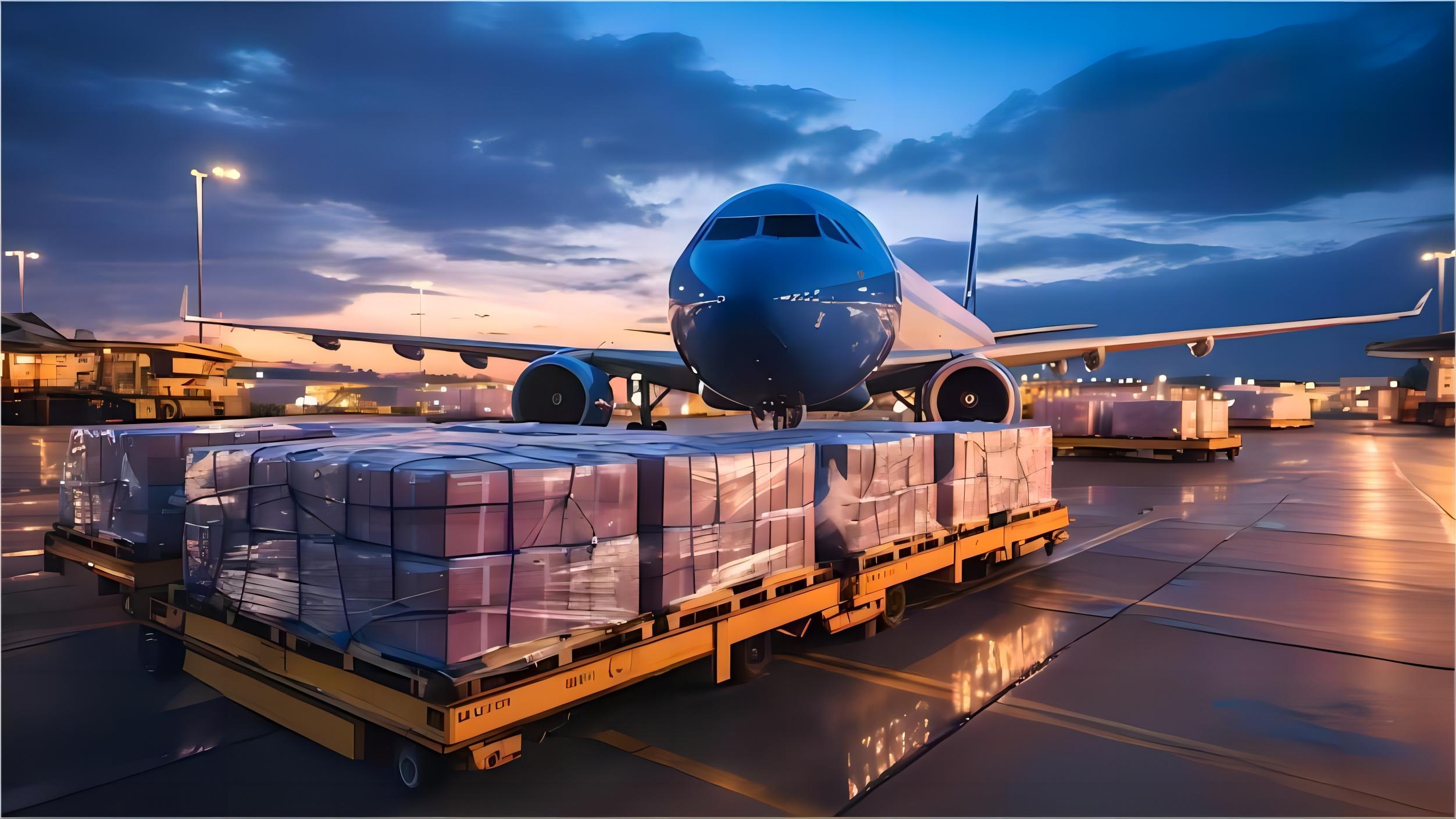
Ready to streamline your logistics?
Ready to streamline your Open Top FCL booking process for machinery from China to Seattle? Contact the experts at Top China Freight today for a customized quote and professional logistics support. Visit our website to start your inquiry and ensure your heavy equipment reaches its destination safely. Send Inquiry: https://Top China Freight.com/contact-us/
Request Quote