
Overland Freight China to Japan: Your Complete Shipping Guide
Shipping goods from China to Japan involves a complex interplay of logistics, customs, and transportation methods. Understanding the nuances of overland freight China to Japan is crucial for businesses aiming for efficient and cost-effective delivery. This comprehensive guide provides insights into optimizing your supply chain for this vital trade route.
Understanding Overland Freight from China to Japan
When considering ‘overland freight’ between China and Japan, it is important to clarify the geographical realities. Given the sea separating these two nations, direct land routes are not feasible. Therefore, this typically refers to multimodal transportation, combining land-based transport within China and Japan with sea freight as the primary inter-country link.
Consequently, your shipment will travel by truck or rail from its origin in China to a major port. From there, it crosses the sea to Japan, and upon arrival, is transferred to another land carrier for final delivery. This integrated approach ensures seamless movement from factory to destination, managing all legs of the journey effectively.
Key Factors Influencing Your China-Japan Shipping Decisions
Several critical factors dictate the best shipping strategy for your goods from China to Japan. Naturally, balancing these elements is essential for a successful and profitable import operation. These include shipping costs, transit time, the nature of your cargo, and specific import regulations.
Moreover, understanding the trade-offs between speed and expense is paramount. For example, faster transit times usually come with higher costs. Conversely, more economical options often require longer lead times, impacting your inventory management and delivery schedule.
Sea Freight: The Backbone of China-Japan Trade
For most shipments between China and Japan, sea freight remains the most popular and cost-effective option. This method is ideal for large volumes, heavy cargo, and non-urgent goods. Numerous ports across both countries facilitate regular shipping routes, ensuring reliable service.
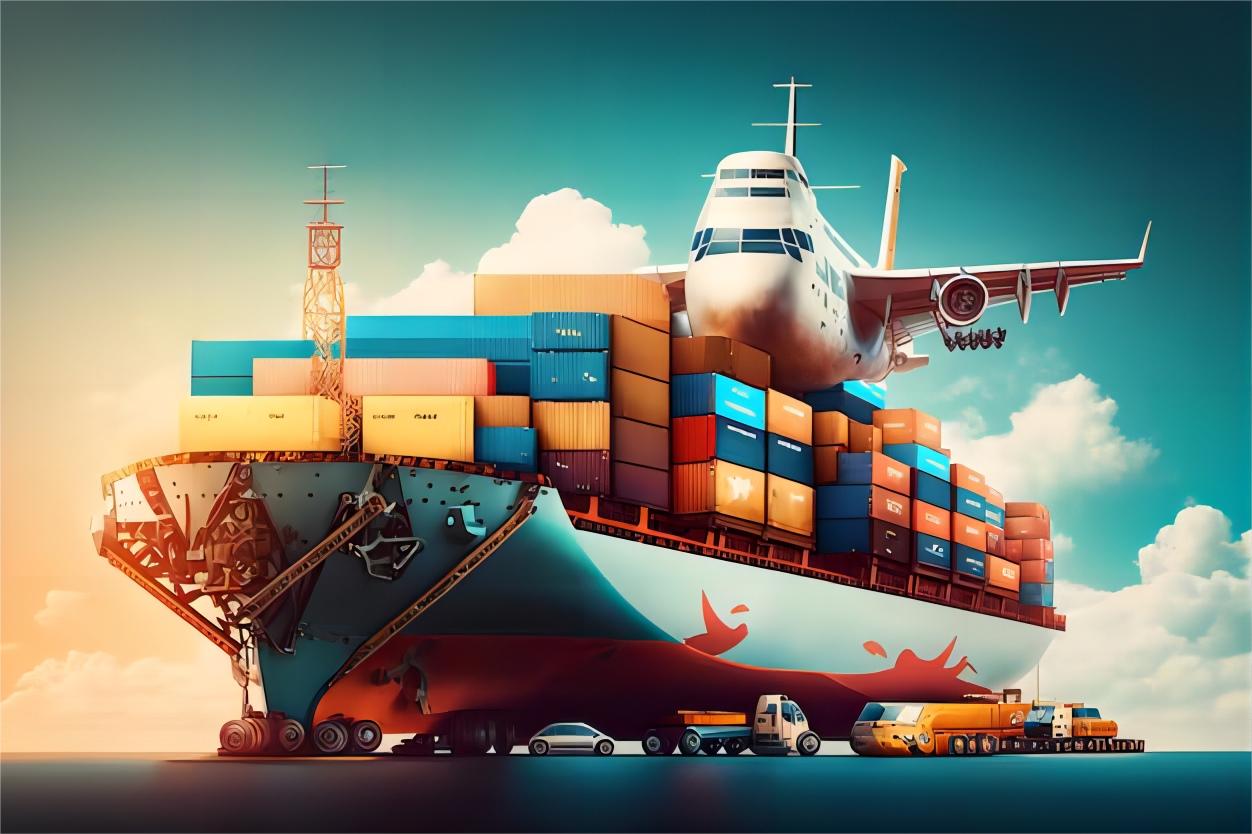
Furthermore, sea freight offers significant capacity, accommodating everything from small parcels consolidated into containers to oversized industrial equipment. This versatility makes it a cornerstone of international logistics, supporting diverse business needs and supply chain demands.
| Shipping Type | Cost Efficiency | Transit Time | Best For | Flexibility |
|---|---|---|---|---|
| FCL (Full Container Load) | High (per unit) | 1-3 weeks | Large volumes, heavy cargo, time-sensitive bulk | Moderate (dedicated container) |
| LCL (Less than Container Load) | Moderate (per CBM) | 2-4 weeks | Small to medium volumes, non-urgent goods | High (share space, lower minimums) |
FCL vs. LCL: Which is Right for You?
When shipping by sea, you generally have two main choices: Full Container Load (FCL) or Less than Container Load (LCL). FCL means your goods occupy an entire container, offering dedicated space and often faster transit as there’s no need for consolidation or deconsolidation at ports.
In contrast, LCL involves sharing container space with other shippers. This is highly economical for smaller volumes that do not fill an entire container. However, LCL shipments may experience slightly longer transit times due to the additional handling required for consolidation and sorting at both origin and destination ports.
Air Freight: When Speed is Paramount
For urgent shipments or high-value, low-volume goods, air freight provides the fastest transit times from China to Japan. While significantly more expensive than sea freight, it can drastically reduce lead times, often delivering goods within a few days. This makes it invaluable for perishable items, critical components, or fast-moving consumer electronics.
Indeed, air freight is essential for businesses operating with just-in-time inventory models. It minimizes warehousing costs and responds quickly to market demands, despite the higher freight rates. Many major airports in China and Japan offer direct cargo flights, ensuring rapid and reliable service.
How Does Sea Freight Compare to Air Freight for China-Japan?
Choosing between sea and air freight for your China-Japan route depends on your specific priorities. Therefore, a careful assessment of your budget, timeline, and cargo characteristics is crucial. Each method offers distinct advantages and disadvantages.
For instance, while sea freight costs typically range from $800-1,500 for a 20GP container (port-to-port) with a transit time of 7-14 days, air freight for a similar volume (if even feasible) could cost $2,000-5,000+ but arrives in 1-3 days. This stark difference in cost and speed highlights the need for strategic decision-making.
| Shipping Method | Cost Range (Est.) | Transit Time (Est.) | Best For | Limitations |
|---|---|---|---|---|
| Sea Freight (FCL) | $800 – $1,500 (20GP) | 7 – 14 Days | Large, heavy, non-urgent cargo | Longer transit, port congestion risk |
| Sea Freight (LCL) | $50 – $100 per CBM | 10 – 20 Days | Smaller volumes, cost-sensitive | Longer transit, more handling |
| Air Freight | $3 – $6 per kg | 1 – 3 Days | Urgent, high-value, perishable goods | High cost, weight/volume restrictions |
Navigating Customs Clearance and Documentation
Successful import to Japan from China heavily relies on meticulous customs clearance procedures. Consequently, accurate and complete documentation is non-negotiable to avoid delays and penalties. Engaging a reliable customs brokerage service is often the best approach.
Furthermore, Japan has specific import regulations, including strict quality standards and labeling requirements. Understanding these rules beforehand can prevent costly issues at the port of entry. Proper classification of goods using HS codes is also vital for correct duty and tax assessment.
Essential Documents for Import to Japan
Typically, several key documents are required for customs clearance. These include the commercial invoice, packing list, bill of lading (for sea freight) or air waybill (for air freight), and a certificate of origin. Occasionally, additional permits or licenses may be necessary depending on the product type.
Moreover, ensuring all documents are consistent and accurately reflect the cargo details is paramount. Any discrepancies can lead to significant delays and potential storage charges. Therefore, careful preparation and review are critical steps in the import process.
| Document | Purpose | Key Information Included |
|---|---|---|
| Commercial Invoice | Proof of sale, value for customs | Seller/Buyer info, goods description, quantity, price, currency |
| Packing List | Details of cargo contents | Number of packages, weight, dimensions, contents of each package |
| Bill of Lading (B/L) / Air Waybill (AWB) | Contract of carriage, title to goods | Shipper/Consignee, carrier, ports, freight terms, number of packages |
| Certificate of Origin | Confirms country of manufacture | Origin country, goods description, often required for preferential tariffs |
| Import License/Permit (if applicable) | Regulatory compliance for specific goods | Issued by relevant Japanese authorities for restricted items |
Optimizing Your Logistics: Door-to-Door Solutions and Beyond
For many businesses, a comprehensive door-to-door service provides the ultimate convenience and efficiency. This integrated solution covers every step from your supplier’s factory in China to your final destination in Japan. It simplifies the logistics process by consolidating multiple vendors under a single point of contact.
Furthermore, professional freight forwarders can manage all aspects, including pickup, warehousing, export customs, main carriage, import customs, and final delivery. This streamlines operations, reduces administrative burden, and minimizes potential errors. Such services are particularly beneficial for businesses without extensive in-house logistics expertise.
Case Study 1: Large Volume, Cost-Effective Sea Freight
This case illustrates how a Japanese retailer successfully imported a significant volume of electronics using FCL sea freight. The primary goal was cost efficiency without sacrificing reliability. This approach allowed for substantial savings compared to air freight, optimizing their overall procurement budget.
| Detail | Value |
|---|---|
| Route | Shanghai, China -> Tokyo, Japan |
| Cargo | Consumer Electronics, 28 CBM, 12,000 kg |
| Container | 1 x 40GP |
| Shipping Details | Carrier: COSCO, Port of Loading: Shanghai, Port of Discharge: Tokyo, Route Type: Direct |
| Ocean Freight (Est.) | $1,200 |
| Origin Charges (Est.) | $350 |
| Destination Charges (Est.) | $450 |
| Customs & Duties (Est.) | $800 (variable by product) |
| Total Landed Cost (Est.) | $2,800 |
| Booking to Loading | 3 days |
| Sea Transit | 9 days |
| Customs Clearance | 2 days |
| Total Door-to-Port | 14 days |
| Key Insight | Achieved excellent cost-efficiency with predictable transit times for bulk electronics. Based on Q4 2024 market rates. |
Case Study 2: Time-Sensitive, Smaller Shipment
A Japanese automotive parts distributor required urgent delivery of critical components to avoid production line stoppages. Given the time-sensitive nature, air freight was the only viable option. This scenario underscores the value of speed over cost for high-priority shipments, illustrating a common challenge in the automotive supply chain.
Despite the higher expense, the rapid delivery prevented significant financial losses from halted production. This demonstrates how strategic use of air freight can serve as a vital contingency plan for unforeseen supply chain disruptions or urgent manufacturing needs.
| Detail | Value |
|---|---|
| Route | Guangzhou, China -> Osaka, Japan |
| Cargo | Automotive Parts, 1.5 CBM, 250 kg |
| Container | Air Cargo (General) |
| Shipping Details | Carrier: Cathay Pacific Cargo, Airport of Loading: Guangzhou (CAN), Airport of Discharge: Osaka (KIX), Route Type: Direct |
| Air Freight (Est.) | $1,000 ($4/kg) |
| Origin Charges (Est.) | $150 |
| Destination Charges (Est.) | $200 |
| Customs & Duties (Est.) | $150 (variable by product) |
| Total Landed Cost (Est.) | $1,500 |
| Booking to Loading | 1 day |
| Air Transit | 1 day |
| Customs Clearance | 1 day |
| Total Door-to-Port | 3 days |
| Key Insight | Rapid delivery prevented production delays, justifying the higher air freight cost. Typical rates as of early 2025. |
Case Study 3: Specialized Cargo with Door-to-Door Service
A Japanese medical equipment supplier needed to import sensitive machinery requiring careful handling and temperature control. They opted for a comprehensive door-to-door service, including specialized container options and careful last-mile delivery. This ensured the integrity of the delicate equipment throughout its journey.
This case highlights the importance of tailored logistics solutions for specialized cargo. The integrated service provided peace of mind, knowing that every step, from factory pickup to installation site delivery, was expertly managed. This minimized risks associated with high-value and sensitive shipments.
| Detail | Value |
|---|---|
| Route | Ningbo, China -> Yokohama, Japan |
| Cargo | Medical Diagnostic Equipment, 15 CBM, 4,000 kg |
| Container | 1 x 20GP (with special handling) |
| Shipping Details | Carrier: Maersk, Port of Loading: Ningbo, Port of Discharge: Yokohama, Route Type: Direct, Door-to-Door service |
| Ocean Freight (Est.) | $950 |
| Origin & Destination Charges (Est.) | $800 (incl. specialized handling) |
| Customs & Duties (Est.) | $600 (variable by product) |
| Total Landed Cost (Est.) | $2,350 |
| Booking to Loading | 4 days |
| Sea Transit | 10 days |
| Customs Clearance | 2 days |
| Total Door-to-Door | 18 days |
| Key Insight | Seamless door-to-door handling crucial for sensitive, high-value cargo. Based on Q1 2025 market rates, including specialized services. |
Current Market Dynamics and Cost Considerations
Freight rates from China to Japan are subject to various market dynamics, including fuel costs, carrier capacity, and seasonal demand. As of Q1 2025, rates have generally stabilized after recent global disruptions, however, they can fluctuate. It is always wise to obtain current quotes.
Seasonal peaks, notably during the Chinese New Year period and the August-October peak shipping season, often lead to increased rates and potential space constraints. Planning shipments outside these periods or booking well in advance can help mitigate cost increases and ensure timely delivery.
Choosing Your Ideal Shipping Strategy
Selecting the optimal shipping method for your overland freight China to Japan depends on a clear understanding of your business priorities. Therefore, consider your budget, the urgency of your shipment, and the nature of your goods. Each factor plays a significant role in the decision-making process.
For example, if budget is your primary concern, sea freight, particularly LCL for smaller volumes, will be the most economical choice. Conversely, if speed is non-negotiable for high-value or time-sensitive items, air freight offers the quickest solution, despite its higher cost. Balancing these elements effectively is key to efficient logistics.
Conclusion
Navigating the complexities of overland freight China to Japan requires strategic planning and an understanding of the available shipping options. By carefully evaluating factors like cost, transit time, and cargo type, businesses can optimize their supply chain and ensure efficient delivery. Whether opting for the cost-effectiveness of sea freight or the speed of air freight, partnering with a knowledgeable logistics provider is essential.
Ultimately, a well-executed shipping strategy not only saves costs but also enhances reliability and customer satisfaction. Therefore, continuous monitoring of market trends and proactive planning are vital for sustained success in this dynamic trade lane.
Ready to streamline your logistics?
Ready to streamline your overland freight from China to Japan? Contact us today for a personalized quote and expert advice tailored to your specific shipping needs. Our team is prepared to help you navigate the complexities of international logistics efficiently.
Request Quote