
Overland Freight China to Netherlands: Your Ultimate Logistics Guide
Navigating international logistics can be complex, especially when seeking a balance between speed and cost for shipments from China to Europe. For businesses importing goods, optimizing the supply chain is paramount. This guide will delve into the intricacies of overland freight from China to the Netherlands, offering essential insights to streamline your shipping process.
What is Overland Freight from China to the Netherlands?
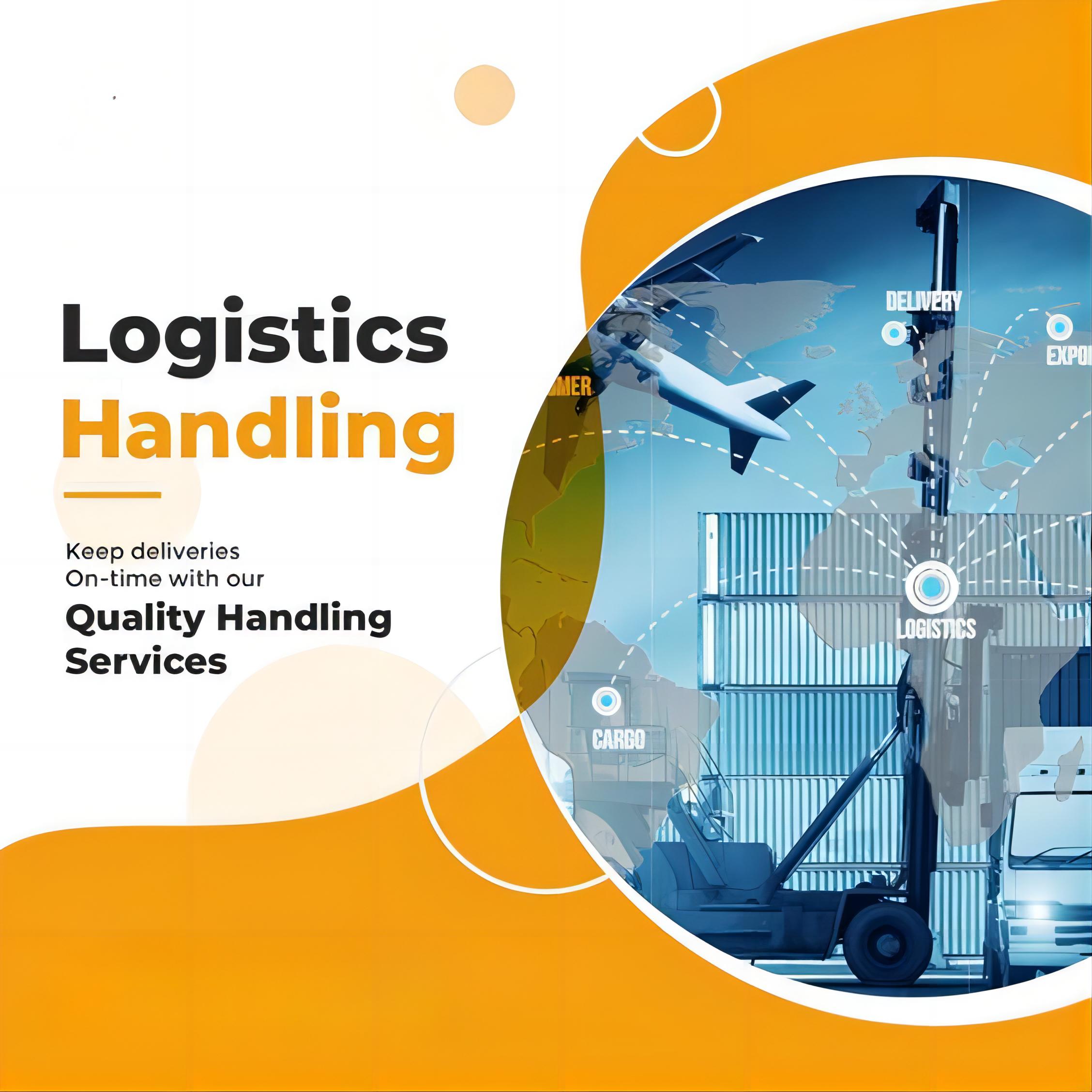
Overland freight from China to the Netherlands primarily refers to rail freight, often utilizing the vast network of the New Silk Road. This method offers a compelling alternative to traditional sea or air transport, bridging the geographical distance with improved efficiency.
Essentially, goods are transported via railway across multiple countries, connecting major industrial hubs in China with key distribution centers in Europe. This robust infrastructure supports consistent and reliable delivery schedules for various cargo types.
Why Choose Overland Rail Freight for China-Netherlands Shipments?
Selecting the right shipping method is crucial for any business, and overland rail freight presents distinct advantages for the China-Netherlands route. Indeed, its unique blend of speed, cost-effectiveness, and environmental benefits makes it an increasingly popular choice.
Furthermore, this mode of transport significantly contributes to supply chain resilience. It provides a viable middle-ground solution compared to the extremes of air and sea options, ensuring a more balanced approach to logistics planning.
Speed and Efficiency
Without a doubt, one of the primary benefits of rail freight is its significantly shorter transit time compared to sea freight. While ocean voyages can take 30-45 days, rail typically delivers goods in 15-20 days, depending on the specific route and origin.
This quicker delivery schedule allows businesses to respond faster to market demands and maintain leaner inventory levels. Consequently, it reduces warehousing costs and improves overall cash flow, offering a competitive edge in fast-paced markets.
Cost-Effectiveness
Moreover, overland rail freight is considerably more affordable than air freight, often costing 60-70% less. Although it can be slightly more expensive than sea freight, the reduced transit time often justifies the difference, especially for time-sensitive or high-value goods.
Consider the overall shipping costs when making a decision. The balance between cost and speed makes rail an attractive option for many importers seeking optimized freight rates without compromising too much on delivery speed.
Environmental Benefits
In addition, rail transport boasts a lower carbon footprint per ton-kilometer compared to both air and road freight. For companies committed to sustainability, choosing overland rail freight aligns with corporate social responsibility goals.
This eco-friendly aspect is becoming increasingly important for consumers and regulators alike. Therefore, opting for rail can enhance a company’s brand image and contribute to a greener global supply chain.
Understanding the Key Overland Freight Routes and Transit Times
The primary overland routes from China to the Netherlands traverse the expansive Eurasian land bridge, often referred to as the New Silk Road. These routes connect major Chinese cities like Chongqing, Chengdu, Xi’an, and Yiwu with European rail hubs.
From these hubs, goods are then distributed to final destinations like Rotterdam in the Netherlands. The journey involves passing through several countries, including Kazakhstan, Russia, Belarus, and Poland, before reaching Western Europe.
| Origin City (China) | Destination Hub (Europe) | Estimated Transit Time (Days) | Key Features |
|---|---|---|---|
| Chongqing | Duisburg/Hamburg | 15-18 | Direct, established route |
| Chengdu | Lodz/Tilburg | 16-20 | Fastest growing rail hub |
| Xi’an | Rotterdam/Warsaw | 17-22 | Central China access, high volume |
| Yiwu | Madrid/London | 18-25 | Connects small commodity markets |
How Does Overland Freight Compare to Other Shipping Options?
When planning your shipping from China to Europe, it’s essential to compare overland rail freight with its primary alternatives: sea freight and air freight. Each method offers a distinct balance of cost, speed, and capacity, making the optimal choice dependent on specific business needs.
Consequently, understanding these differences will enable you to make informed decisions for your supply chain strategy. This comprehensive comparison will highlight the trade-offs and advantages of each mode, ensuring you select the best fit for your cargo.
| Shipping Method | Cost Range (per 40HQ/CBM) | Transit Time | Best For | Limitations |
|---|---|---|---|---|
| Rail Freight | $6,000-10,000 (FCL), $150-250/CBM (LCL) | 15-22 days | Time-sensitive, high-value goods; balanced cost/speed | Limited capacity compared to sea, higher than sea freight costs |
| Sea Freight | $3,000-4,500 (FCL), $80-120/CBM (LCL) | 30-45 days | Bulk, heavy, non-urgent cargo; cost-sensitive | Slow transit, less predictable schedules |
| Air Freight | $15,000-25,000 (equivalent 40HQ), $4-8/kg | 3-7 days | Urgent, perishable, very high-value goods | Highest cost, limited cargo size/weight, environmental impact |
Rail Freight vs. Sea Freight
While sea freight remains the most economical option for bulk cargo, its transit times are significantly longer. A container ship from China to Rotterdam typically takes 30-45 days, whereas rail freight completes the journey in 15-22 days.
However, sea freight offers unparalleled capacity, making it ideal for very large volumes or heavy, non-time-sensitive goods. Rail, conversely, provides a faster, more predictable delivery schedule with better tracking capabilities, which is crucial for just-in-time inventory systems.
Rail Freight vs. Air Freight
On the other hand, air freight is undeniably the fastest option, delivering goods in 3-7 days. Nevertheless, it comes at a premium cost, often several times that of rail freight.
Air freight is best suited for urgent, high-value, or perishable goods where speed is the absolute priority, and cost is a secondary concern. Rail freight, therefore, serves as an excellent middle-ground, offering a substantial speed improvement over sea freight without the prohibitive costs of air transport.
What Factors Influence Overland Freight Costs from China to the Netherlands?
Several variables contribute to the total shipping costs for overland freight from China to the Netherlands. Understanding these factors is key to accurate budgeting and optimizing your logistics strategy.
Indeed, market data suggests that rates can fluctuate significantly based on various conditions. Typical rates as of early 2025 have seen some stabilization, but businesses should always account for potential changes.
Cargo Type and Volume
The nature of your cargo directly impacts pricing. Hazardous materials, oversized goods, or items requiring special handling will incur additional charges. Moreover, whether you opt for Full Container Load (FCL) or Less than Container Load (LCL) greatly affects the per-unit cost.
FCL is generally more cost-effective for larger volumes, whereas LCL is suitable for smaller shipments where you share container space. Therefore, optimizing your cargo size to fit container dimensions can lead to significant savings.
Origin and Destination
The specific loading point in China and the final delivery address in the Netherlands also influence costs. Inland transport from the factory to the rail terminal in China, and from the European rail hub to your Dutch warehouse, are part of the overall logistics costs.
Consequently, choosing rail terminals closer to your origin or destination can reduce drayage expenses. This careful planning contributes to better freight rates and a more efficient door-to-door service.
Market Conditions and Surcharges
Freight rates are dynamic and subject to market forces, including fuel costs, carrier capacity, and seasonal demand. For instance, rates typically increase 15-25% during August-October peak season due to higher demand.
Additional surcharges, such as BAF (Bunker Adjustment Factor) for fuel or congestion surcharges at busy terminals, can also affect the final price. Contact us for a current quote tailored to your specific shipment, as rates are subject to change.
Essential Documentation and Customs Procedures for China-Netherlands Overland Shipping
Navigating customs regulations and preparing the correct documentation is a critical step in any international shipping process. For overland freight from China to the Netherlands, meticulous attention to detail prevents costly delays and ensures smooth cargo handling.
Indeed, proper documentation ensures compliance with both Chinese export and EU import regulations. Furthermore, working with an experienced freight forwarder can significantly simplify this complex aspect of your supply chain.
| Document | Purpose | Issued By | Notes |
|---|---|---|---|
| Commercial Invoice | Details of goods, value, seller/buyer | Exporter | Crucial for customs valuation |
| Packing List | Details of contents, weight, dimensions per package | Exporter | Aids in cargo inspection |
| Railway Bill (CIM/SMGS) | Contract of carriage for rail freight | Carrier | Equivalent to Bill of Lading for rail |
| Certificate of Origin | Confirms country where goods were manufactured | Chamber of Commerce | May impact duty rates under trade agreements |
| Import/Export Licenses | Required for specific regulated goods | Relevant Government Agencies | Varies by product type (e.g., electronics, food) |
Key Documents Required
Several essential documents are needed for customs clearance. These typically include the commercial invoice, packing list, bill of lading (or railway bill), and certificates of origin. Each document serves a specific purpose in verifying the goods and facilitating their movement.
Moreover, certain products may require additional licenses or permits, such as those for electronics, food products, or textiles. Always confirm the specific requirements for your cargo type well in advance of shipment.
Customs Clearance Process
The customs clearance process involves both export clearance in China and import clearance in the Netherlands. In China, goods are declared to customs before leaving the country. Upon arrival in the EU, typically at the first point of entry (e.g., Poland or Germany for rail), goods undergo import formalities.
Subsequently, duties and taxes, such as VAT and import duties, must be paid before goods can be released for onward transit to the Netherlands. A reliable customs broker is invaluable for ensuring compliance and expediting this process.
Optimizing Your Supply Chain with Overland Freight: Strategies and Tips
Integrating overland freight effectively into your supply chain requires strategic planning. By leveraging its unique advantages, businesses can enhance their delivery schedule, reduce lead times, and build a more resilient logistics network.
Furthermore, considering various approaches, from container choices to hybrid solutions, can unlock greater efficiencies and cost savings. This proactive approach ensures your logistics trends are aligned with market demands.
FCL and LCL Options
For larger volumes, booking a Full Container Load (FCL) provides dedicated container space, offering better security and faster transit as there’s no need for consolidation/deconsolidation. This is often the most straightforward option for significant shipments.
Conversely, for smaller consignments, Less than Container Load (LCL) allows you to share container space with other shippers, paying only for the volume you occupy. This makes LCL a cost-effective solution for small to medium-sized businesses or e-commerce operations.
Combining Modes for Optimal Efficiency
Consider multimodal or hybrid solutions, such as ‘sea-rail’ or ‘air-rail’, for specific scenarios. For instance, goods can be shipped by sea to a European port and then transferred to rail for final delivery, or flown to a central hub and then railed onward.
This approach can offer a flexible balance of speed and cost, particularly for reaching inland destinations far from major ports. Consequently, it diversifies your shipping options and mitigates risks associated with single-mode transport.
Leveraging Express Rail Services
Some providers offer express rail services that prioritize speed, often with fewer stops and faster customs processing. While these may come at a slightly higher cost, they are ideal for urgent shipments that don’t warrant air freight prices.
These expedited services ensure that critical components or high-demand products reach their destination swiftly. Therefore, they are an excellent option for businesses needing a balance of speed and affordability.
Real-World Success: Overland Freight Case Studies
Examining real-world examples helps illustrate the practical application and benefits of overland freight from China to the Netherlands. These case studies highlight diverse cargo types and shipping requirements, showcasing the versatility of rail transport.
Based on Q3 2024 market rates, these scenarios demonstrate typical outcomes and challenges. They provide tangible insights into how businesses leverage rail for their import/export needs.
Case Study 1: High-Value Electronics Manufacturer
A Dutch electronics company needed to import components from Shenzhen, China, for their assembly line in Eindhoven, Netherlands. Speed was crucial to avoid production delays, but air freight costs were prohibitive for their volume.
| Detail | Description |
|---|---|
| Route | Shenzhen, China Eindhoven, Netherlands |
| Cargo | Electronics components, 20 CBM, 4,500 kg |
| Container | LCL 20 CBM |
| Shipping Details | Carrier: Major rail operator, Port of Loading: Xi’an (via truck from Shenzhen), Port of Discharge: Duisburg (onward truck to Eindhoven), Route Type: Direct rail |
| Cost Breakdown | Rail Freight: $4,500, Origin Charges: $350, Destination Charges: $400, Customs & Duties (estimated): $600, Total Landed Cost: $5,850 |
| Timeline | Booking to Loading: 3 days, Rail Transit: 18 days, Customs Clearance: 2 days, Total Door-to-Door: 23 days |
| Key Insight | Rail offered a perfect balance, saving 20 days compared to sea freight and 70% cost compared to air, ensuring timely production without budget overruns. Typical rates as of early 2025. |
Case Study 2: E-commerce Apparel Brand
An online fashion retailer in Amsterdam required regular replenishment of clothing stock from Yiwu, China. They needed consistent delivery schedules to manage inventory and new collection launches, which sea freight couldn’t reliably provide.
| Detail | Description |
|---|---|
| Route | Yiwu, China Amsterdam, Netherlands |
| Cargo | Apparel (textiles), 1 x 40HQ, 9,000 kg |
| Container | 40HQ |
| Shipping Details | Carrier: COSCO, Port of Loading: Yiwu, Port of Discharge: Rotterdam, Route Type: Direct rail via Malaszewicze |
| Cost Breakdown | Rail Freight: $8,200, Origin Charges: $400, Destination Charges: $500, Customs & Duties (estimated): $1,200, Total Landed Cost: $10,300 |
| Timeline | Booking to Loading: 5 days, Rail Transit: 20 days, Customs Clearance: 3 days, Total Door-to-Door: 28 days |
| Key Insight | Predictable rail transit times allowed precise inventory management and marketing campaigns for new arrivals, minimizing stockouts and improving customer satisfaction. Based on Q4 2024 peak season rates. |
Which Option Should You Choose for Your China-Netherlands Shipments?
Deciding on the optimal shipping method for your imports from China to the Netherlands depends largely on your specific business priorities. A clear understanding of your needs regarding budget, speed, and cargo type will guide your choice.
Consequently, applying a decision framework can simplify this complex process. This approach helps align your logistics strategy with your overarching business objectives, ensuring efficient and cost-effective delivery.
Prioritizing Speed
If speed is your absolute priority, particularly for urgent, high-value, or perishable goods, air freight remains the fastest option. However, for a significant speed improvement over sea freight without the exorbitant costs, express rail services are highly recommended.
Choosing rail can cut transit times by half compared to ocean shipping, making it ideal for time-sensitive deliveries that don’t justify air freight’s premium price.
Prioritizing Cost
For the most budget-conscious shipments, especially large volumes of non-urgent goods, sea freight is the most economical choice. While slower, its low per-unit cost makes it unbeatable for bulk commodities and heavy cargo.
However, if you need a balance, LCL rail freight offers a more affordable solution than air, particularly for smaller shipments where you can consolidate cargo with others.
Considering Cargo Type and Volume
For very large volumes (multiple containers) or extremely heavy cargo, sea freight is typically the only practical option. Conversely, for small, lightweight, and urgent parcels, air freight or express courier services are best.
Overland freight, especially FCL rail, is excellent for a wide range of general cargo, including electronics, machinery, textiles, and consumer goods, offering a robust solution for medium to large shipments that benefit from faster transit than sea.
Streamlining Your Logistics from China to the Netherlands
In conclusion, selecting the right logistics partner and mode of transport is paramount for successful international trade. Overland freight from China to the Netherlands offers a compelling, balanced solution, combining reasonable costs with significantly faster transit times than traditional sea freight.
Furthermore, by understanding the routes, costs, and documentation involved, businesses can make informed decisions to optimize their supply chain. Partnering with a reliable freight forwarder like Top China Freight ensures a smooth and efficient shipping experience, allowing you to focus on your core business growth.
Start Your Shipment
Ready to optimize your supply chain with efficient overland freight from China to the Netherlands? Contact Top China Freight today for a personalized quote and expert guidance. Our team is ready to help you navigate complex logistics with ease and confidence.
Request Quote