

Professional Door to Door Delivery from China to Italy: The 2025 Logistics Guide
Expanding your business into the European market requires a logistics partner who can manage the complexities of international trade. Our professional door to door delivery from China to Italy provides a robust solution for companies seeking to streamline their supply chain operations. Consequently, you can focus on core business growth while we handle every detail from the factory floor to your final destination. This comprehensive service eliminates the need for multiple intermediaries and ensures your cargo arrives safely and on schedule.
What is Professional Door to Door Delivery from China to Italy?
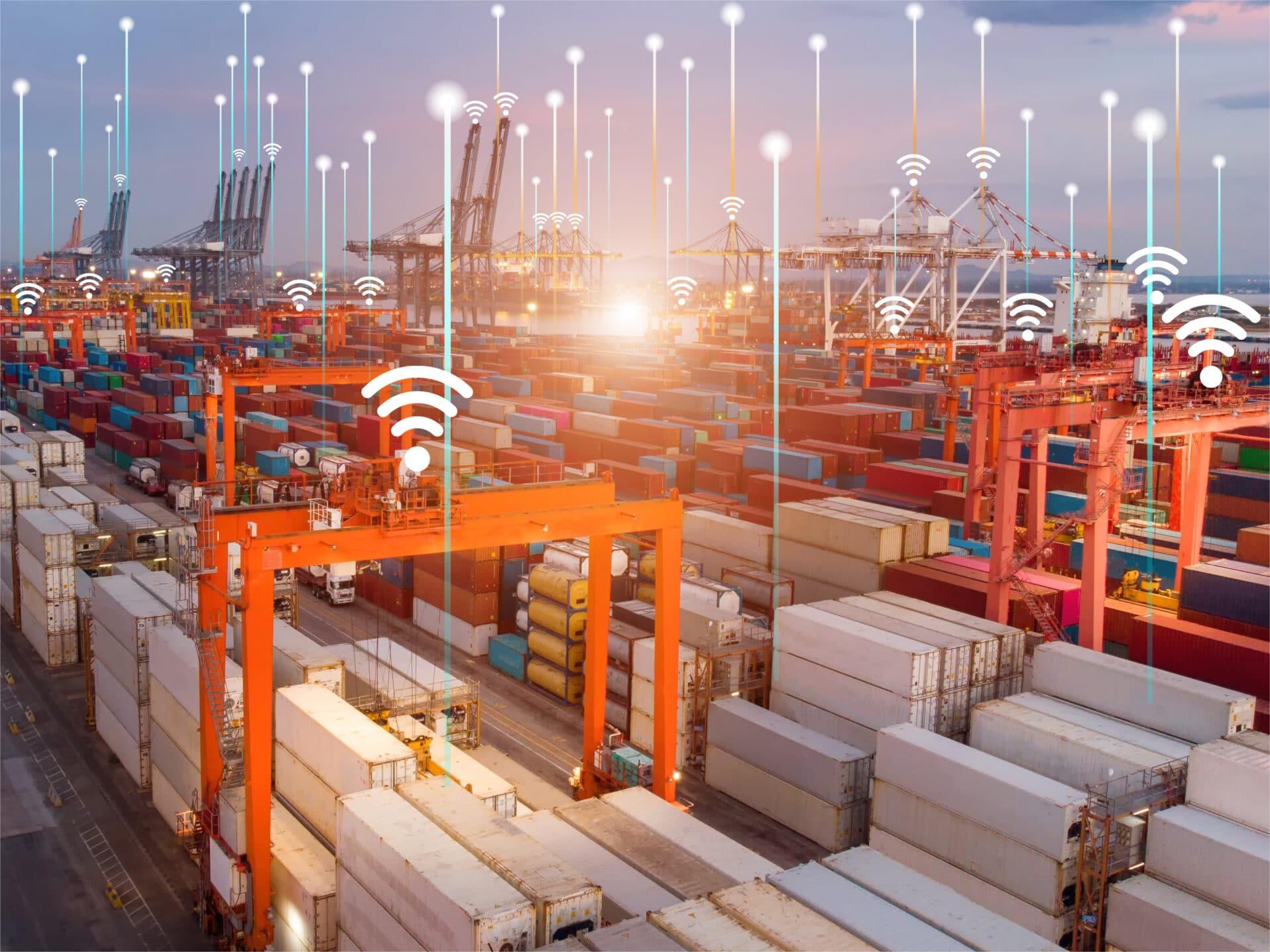
Professional door to door delivery from China to Italy is an all-inclusive logistics service that covers the entire shipping process. Initially, the freight forwarder picks up the goods from the supplier in China and manages the inland transport to the port or airport. Furthermore, the service includes export customs clearance, international transit, and import duties management in Italy. Finally, the cargo is delivered directly to the recipient’s doorstep in cities like Milan, Rome, or Venice.

Choosing this method provides significant peace of mind for importers who may not have extensive experience with Italian customs regulations. Moreover, it consolidates all shipping costs into a single quote, which helps in accurate financial planning. Therefore, businesses can avoid unexpected fees that often arise when using port-to-port shipping methods. Indeed, this streamlined approach is becoming the standard for modern e-commerce and industrial businesses alike.
Logistics providers typically offer various modes of transport under this model, including sea, air, and rail freight. Each option serves different business needs based on budget and urgency. For instance, high-value electronics often travel via air, while bulky furniture is better suited for ocean transport. Regardless of the method, the core value remains the total management of the shipment’s journey.
How Does Professional Door to Door Delivery Compare to Other Shipping Options?
Understanding the differences between shipping models is crucial for optimizing your logistics budget. While port-to-port shipping might appear cheaper at first glance, it often hides secondary costs like local trucking and terminal handling fees. On the other hand, door to door services provide a transparent, all-in price that covers every leg of the trip. Additionally, the administrative burden is significantly lower because a single point of contact manages the entire operation.
Market data suggests that businesses using integrated door-to-door solutions reduce their coordination time by up to 40 percent. Consequently, this efficiency leads to faster inventory turnover and improved customer satisfaction. Without a doubt, the trade-off for a slightly higher service fee is a much more reliable and predictable delivery schedule. Meanwhile, traditional methods often leave the importer responsible for finding a local Italian carrier to handle the final mile.
| Shipping Method | Cost Range | Transit Time | Best For | Limitations |
|---|---|---|---|---|
| Air Freight | $5.50 – $9.00 per kg | 5 – 8 Days | Urgent and High-Value | Weight Restrictions |
| Sea Freight (LCL) | $150 – $300 per CBM | 30 – 40 Days | Small/Medium Volume | Sharing Container Space |
| Sea Freight (FCL) | $3,000 – $4,500 per 40HQ | 28 – 35 Days | Large Bulk Shipments | High Fixed Cost |
| Rail Freight | $1.50 – $3.00 per kg | 18 – 25 Days | Eco-friendly Balance | Route Availability |
Choosing Between Air and Sea Freight for Italian Shipments
Deciding on the right transport mode depends heavily on your specific cargo requirements and delivery deadlines. If you are shipping seasonal goods or urgent replacements, air freight is the most effective choice despite the higher cost. Furthermore, air transport offers the highest level of security for sensitive items. For instance, many fashion brands in Italy rely on air shipments to keep up with rapidly changing inventory demands.
Alternatively, sea freight remains the backbone of global trade due to its incredible cost-efficiency for large volumes. Most industrial machinery and raw materials moving from China to Italy utilize container ships. Consequently, businesses can move massive amounts of stock for a fraction of the cost of air transport. It is important to note that sea freight requires careful planning to account for the longer transit times across the ocean.
As of early 2025, freight rates have stabilized, making it an excellent time to lock in long-term contracts. However, you should always account for seasonal peaks, such as the period leading up to the Lunar New Year. During these times, capacity can become tight, and rates may increase by 20 percent or more. Therefore, booking your shipment at least three weeks in advance is highly recommended for sea transport.
The Role of Rail Freight in China-Italy Logistics
Rail freight has emerged as a powerful middle-ground solution for shipments traveling from China to Europe. By utilizing the Silk Road rail networks, rail freight offers transit times that are twice as fast as sea freight and significantly cheaper than air. This method is particularly popular for automotive parts and consumer electronics. In addition, rail transport is considered more environmentally friendly than air or sea options.
Transit times for rail shipments from major Chinese hubs like Chengdu or Xi’an to Northern Italy typically range from 18 to 22 days. Nevertheless, weather conditions and border crossings can occasionally impact the schedule. To summarize, rail freight provides a strategic advantage for businesses that need a balance between speed and cost. It is a vital component of a diversified supply chain strategy for the Italian market.
Navigating Customs Brokerage and Italian Import Regulations
Italian customs can be rigorous, requiring precise documentation and compliance with European Union standards. Professional customs brokerage is essential to ensure that your goods are not delayed at the port of entry. Key documents include the Commercial Invoice, Packing List, and the Bill of Lading. Additionally, importers must have a valid EORI number to clear goods through the Italian customs system.
Value Added Tax (VAT), known as IVA in Italy, is generally 22 percent for most commercial goods. Moreover, certain products may be subject to anti-dumping duties or specific EU safety certifications like the CE mark. Consequently, failing to provide the correct paperwork can lead to expensive storage fees at the terminal. Working with an expert ensures that all tariffs are calculated correctly and all regulatory requirements are met before the cargo arrives.
Note: Freight rates and customs policies are subject to change based on fuel costs, carrier capacity, and seasonal demand. Contact us for a current quote tailored to your specific shipment.
| Document Name | Purpose | Required By | Format |
|---|---|---|---|
| Commercial Invoice | Valuation of goods | Customs / Tax | Digital/Original |
| Packing List | Inventory details | Warehouse / Customs | Digital/Original |
| Bill of Lading | Title of goods | Carrier / Bank | Original/Telex |
| Certificate of Origin | Verify source | Trade agreements | Original |
Case Study 1: Electronics Distribution from Shenzhen to Milan
Case Study 1: High-Volume Electronics Launch
Route: Shenzhen, China to Milan, Italy
Cargo: Smart Home Devices, 8 CBM, 1800 kg
Container: LCL (Less than Container Load)
Shipping Details:
– Carrier/Service: Major Air Carrier
– Port of Loading: Shenzhen Airport
– Port of Discharge: Milan Malpensa
– Route Type: Direct Air Freight
Cost Breakdown:
– Air Freight: $10,800
– Origin Charges: $450
– Destination Charges: $550
– Customs and Duties: $2,400
– Total Landed Cost: $14,200
Timeline:
– Booking to Loading: 2 days
– Air Transit: 3 days
– Customs Clearance: 2 days
– Total Door-to-Door: 7 days
Key Insight: The client prioritized speed to meet a retail launch date. Despite higher costs, the rapid transit ensured the product hit shelves on time, maximizing early sales.
Case Study 2: Furniture Import from Foshan to Rome
Case Study 2: Luxury Furniture Shipment
Route: Foshan, China to Rome, Italy
Cargo: Designer Sofas and Tables, 65 CBM
Container: 40HQ (High Cube)
Shipping Details:
– Carrier/Service: COSCO Shipping
– Port of Loading: Nansha, Guangzhou
– Port of Discharge: Civitavecchia, Rome
– Route Type: Direct Sea Freight
Cost Breakdown:
– Ocean Freight: $4,200
– Origin Charges: $600
– Destination Charges: $850
– Customs and Duties: $1,900
– Total Landed Cost: $7,550
Timeline:
– Booking to Loading: 6 days
– Sea Transit: 34 days
– Customs Clearance: 4 days
– Total Door-to-Door: 44 days
Key Insight: Based on Q4 2024 market rates, using a 40HQ container provided the lowest cost per unit. The client saved over $2,000 compared to shipping multiple LCL consignments.
Which Option Should You Choose for Italy?
Selecting the ideal shipping strategy requires evaluating your priorities across budget, speed, and volume. If your primary goal is cost-saving and you have a flexible schedule, sea freight is the undisputed winner. For shipments under 15 CBM, LCL is often more economical, whereas larger volumes benefit from a full container (FCL). On the other hand, if you are shipping perishables or high-fashion items, air freight is the only viable method.
Hybrid solutions are also gaining popularity in the current market. For instance, some businesses use sea-air combinations to balance costs while maintaining a reasonable delivery window. Furthermore, rail freight serves as a perfect alternative for those who find sea freight too slow but air freight too expensive. Ultimately, a professional door to door delivery from China to Italy allows you to mix and match these strategies based on current inventory needs.
Strategies for Reducing Your Shipping Costs
Reducing logistics expenses requires a proactive approach to cargo management and carrier selection. Firstly, consolidating multiple small shipments into a single larger one can significantly lower your per-unit costs. Secondly, optimizing your packaging to reduce wasted space can help you fit more goods into a container. Moreover, booking your shipments during off-peak seasons can save you hundreds of dollars in freight surcharges.
Another effective strategy is to negotiate long-term rates with your freight forwarder if you have consistent shipping volumes. Additionally, ensuring all your documentation is perfect will prevent costly delays and storage fees at Italian ports. Indeed, transparency in your supply chain allows you to identify bottlenecks and eliminate unnecessary expenses. By following these steps, businesses can maintain a competitive edge in the Italian market.
Mastering Your China to Italy Logistics
In conclusion, professional door to door delivery from China to Italy is the most efficient way to manage your international trade. By understanding the differences between air, sea, and rail freight, you can make informed decisions that benefit your bottom line. Furthermore, navigating customs with a professional broker ensures that your goods move through the system without unnecessary delays. As the global market continues to evolve, having a reliable logistics partner is more important than ever. Start optimizing your supply chain today to ensure long-term success in the Italian market.
Ready to streamline your logistics?
Streamline your international logistics today with our professional door to door delivery from China to Italy. Contact our expert team now to receive a customized quote and experience hassle-free shipping. Send Inquiry: https://Top China Freight.com/contact-us/
Request Quote