
Professional Door to Door Delivery from Shenzhen to Germany
Navigating international shipping from Shenzhen, China, to Germany can be complex for businesses. Challenges include diverse regulations, customs, and coordinating multiple providers. A seamless, integrated solution is thus essential for efficient global trade. Top China Freight offers comprehensive services to simplify this journey.
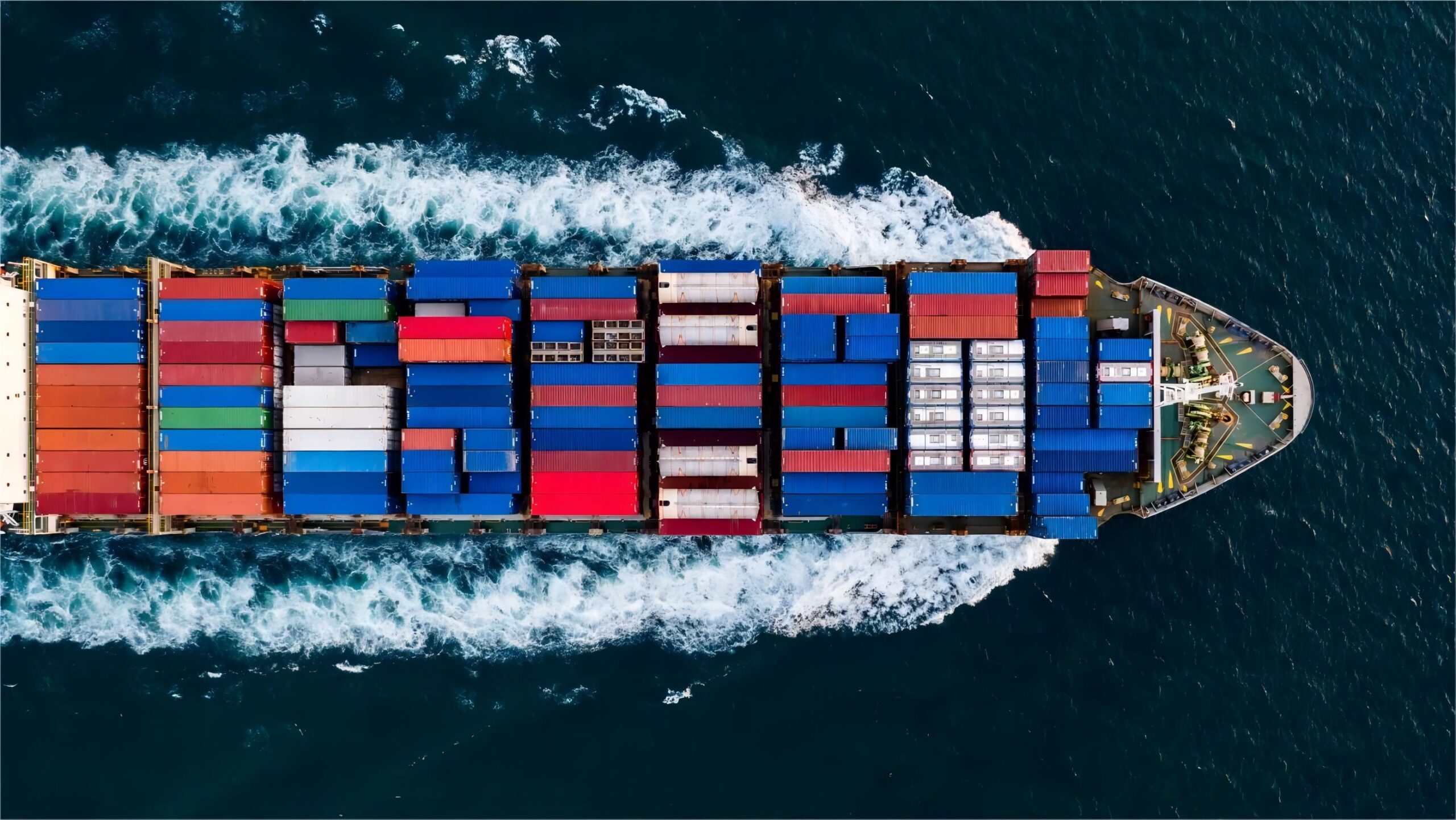
Understanding Professional Door to Door Delivery from Shenzhen to Germany
Businesses often seek simplified logistics for their international shipments, especially from Shenzhen to Germany. A professional door to door delivery service offers an all-encompassing solution. It manages your cargo from its origin in China directly to its final destination in Germany.
Choosing door to door freight means relinquishing the complexities of coordinating various carriers and customs agents. This integrated approach provides a single point of contact and responsibility. It ensures a smoother and more predictable shipping experience, minimizing administrative burden and potential delays.
What is Door to Door Shipping?
Door to door shipping encompasses the entire logistics chain. It starts with collecting goods from the sender’s location. Subsequently, it involves all necessary transportation, customs brokerage, and warehousing.
Ultimately, the service concludes with the safe delivery of the goods to the receiver’s specified address. This full-service model provides unparalleled convenience for businesses. It effectively removes the need for multiple service providers.
Moreover, it covers all aspects including freight rates, customs duties, and local transportation. Therefore, businesses can budget more accurately and avoid unexpected costs. It represents a complete supply chain solution.
Why Choose Door to Door for China-Germany Shipments?
Opting for door to door service for shipments from Shenzhen to Germany offers numerous benefits. Primarily, it simplifies the entire import process. This significantly reduces the administrative workload on your team.
Furthermore, it enhances supply chain visibility. You receive regular updates on your cargo’s status, from departure to arrival. This transparency allows for better planning and inventory management.
In addition, this integrated approach minimizes potential errors and delays. It often leads to cost savings by consolidating services under one provider. Ultimately, it ensures a more reliable delivery schedule for your goods.
Key Considerations for Your Shenzhen to Germany Delivery
When planning your professional door to door delivery from Shenzhen to Germany, several crucial factors demand attention. These considerations directly impact your shipping costs, transit time, and overall logistics efficiency. Making informed decisions is paramount for a successful import operation.
Analyzing your cargo’s characteristics, such as size, weight, and urgency, will guide your choices. Furthermore, understanding market conditions and potential challenges is vital. This proactive approach helps mitigate risks and optimize your shipping strategy effectively.
Shipping Method Options and Their Implications
Various shipping methods are available for transporting goods from Shenzhen to Germany. Each option presents distinct advantages and disadvantages. Your choice profoundly affects both cost and transit time.
For instance, sea freight is typically the most economical for large volumes, but involves longer transit times. Conversely, air freight offers speed but comes at a higher price point.
Additionally, rail freight provides a balanced solution. It is faster than sea and more cost-effective than air for many routes. Consequently, selecting the appropriate method requires careful evaluation of your specific needs and priorities.
Critical Factors: Cost, Speed, and Reliability
The balance between shipping costs, speed, and reliability is a fundamental challenge in international logistics. Businesses must prioritize these factors based on their product type and market demands. This strategic decision influences profitability and customer satisfaction.
High-value, time-sensitive goods often warrant faster, albeit more expensive, shipping methods. Conversely, bulk, non-perishable items can utilize slower, more economical options. Therefore, understanding your priorities is key to optimizing your supply chain.
Moreover, a reliable delivery schedule is crucial for maintaining inventory levels and meeting customer expectations. Unexpected delays can lead to significant financial losses. Hence, partnering with a reputable freight forwarder is essential for consistent service and peace of mind.
How Does Door to Door Compare to Other Shipping Options?
Comparing door to door services with other shipping models, such as port-to-port or airport-to-airport, highlights its unique value proposition. Door to door streamlines the entire process, minimizing your involvement and potential coordination headaches. This integrated approach contrasts sharply with fragmented logistics solutions.
While port-to-port might appear cheaper initially, it often requires you to manage inland transportation, customs clearance, and local delivery independently. These additional tasks can accrue hidden costs and delays. Therefore, the perceived savings may quickly diminish.
Ultimately, the comprehensive nature of door to door delivery offers peace of mind and efficiency. It consolidates all aspects of the shipment under one provider. This holistic approach ensures a smoother and more predictable journey for your cargo from Shenzhen to Germany.
| Shipping Method | Cost Range (Shenzhen-Germany) | Transit Time | Best For | Limitations |
|---|---|---|---|---|
| Sea Freight (FCL) | $3,000-4,200 (40HQ) | 28-35 days | Large volume, non-urgent goods, heavy items | Long transit times, port congestion risk |
| Sea Freight (LCL) | $50-80/CBM | 35-45 days | Small to medium volumes (under 15 CBM), cost-sensitive | Longer transit due to consolidation, potential delays |
| Air Freight | $5-10/kg (varies by volume/urgency) | 5-8 days | Urgent, high-value, perishable goods, samples | High cost, volume/weight restrictions, fuel surcharges |
| Rail Freight | $1.5-3.0/kg (for general cargo) | 18-25 days | Medium urgency, heavy/bulky goods, cost-effective alternative to air | Limited routes, specific cargo types, potential border delays |
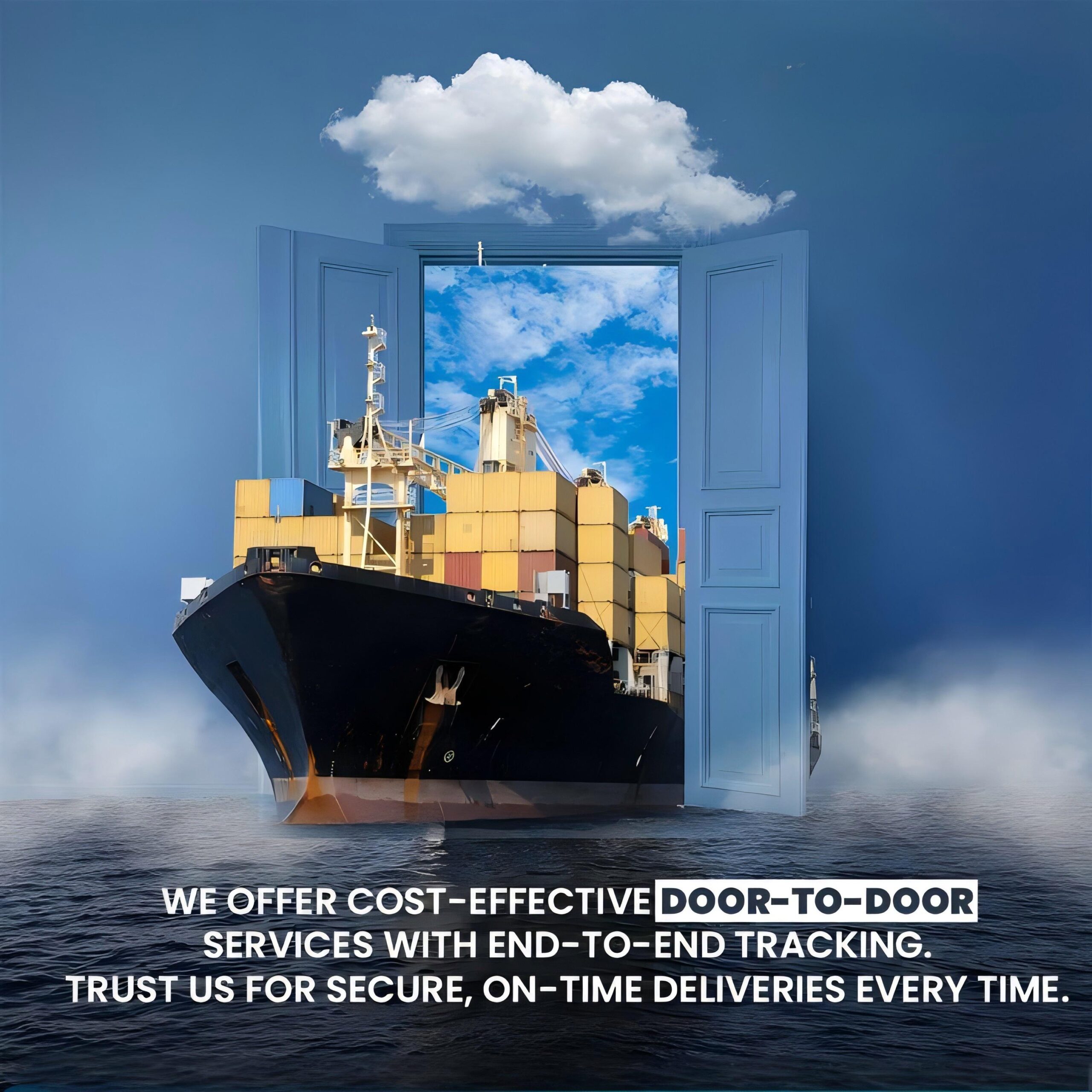
Sea Freight vs. Air Freight vs. Rail Freight Comparison
Choosing between sea, air, and rail freight depends heavily on your shipment’s characteristics and urgency. Each mode offers a distinct balance of cost, speed, and capacity. Understanding these differences is vital for an efficient logistics strategy.
Sea freight remains the backbone of international trade for bulk goods, while air freight is indispensable for urgent or high-value shipments. Rail freight, conversely, offers a compelling middle ground for many routes.
Consider your specific requirements carefully. For example, large, non-perishable items are ideal for sea freight, whereas time-critical components benefit from air freight’s speed. Rail freight bridges the gap effectively for various goods.
FCL vs. LCL: Which is Right for You?
When shipping by sea, the decision between Full Container Load (FCL) and Less than Container Load (LCL) is crucial. This choice impacts both your shipping costs and transit time. It primarily depends on the volume of your cargo.
FCL involves booking an entire container for your goods. This option is generally more cost-effective for larger shipments, typically over 15 CBM. It also offers faster transit times due to direct loading and fewer stops, enhancing security.
Conversely, LCL allows you to share container space with other shippers. This is ideal for smaller volumes, usually under 15 CBM, where you only pay for the space you use. While more economical for small loads, LCL can involve longer transit times due to consolidation and deconsolidation processes.
The Professional Door to Door Process: A Step-by-Step Guide
A well-defined process underpins every professional door to door delivery from Shenzhen to Germany. This systematic approach ensures that every stage of your shipment is managed efficiently. Understanding these steps helps set clear expectations and facilitates smooth operations.
From initial pickup to final delivery, each phase involves specific tasks and expertise. Consequently, a reliable logistics partner meticulously plans and executes each step. This dedication minimizes potential disruptions and ensures timely arrival, providing a seamless flow of goods.
Origin Services: Picking Up Your Cargo
The door to door process begins with efficient origin services. Your chosen freight forwarder arranges for the pickup of your goods directly from your supplier’s factory or warehouse in Shenzhen. This initial step is critical for timely dispatch and careful handling.
The service includes verifying cargo details, proper packaging, and necessary documentation for export from China. Furthermore, it involves transporting the goods to the nearest port or airport. This meticulous handling prevents issues later in the journey.
Consolidation services are also available for LCL shipments. This means combining smaller consignments from various shippers into a full container. Consequently, it optimizes space and reduces individual shipping costs, ensuring efficiency from the outset.
International Transit and Customs Clearance
Following origin handling, your cargo embarks on its international transit by sea, air, or rail. During this phase, continuous tracking and monitoring are provided. This ensures visibility throughout the journey.
Upon arrival in Germany, the critical phase of customs clearance commences. This involves submitting all required import documentation, paying duties and taxes, and adhering to German import regulations. Customs brokerage expertise is indispensable here.
Navigating complex customs procedures can be challenging without proper guidance. Therefore, a professional service ensures all declarations are accurate and compliant. This proactive approach prevents delays and avoids potential penalties, safeguarding your shipment.
Last-Mile Delivery in Germany
After successful customs clearance, the final leg of the journey, known as last-mile delivery, begins. Your cargo is transported from the German port or airport directly to its ultimate destination. This could be a distribution center, warehouse, or customer’s address.
This stage is crucial for customer satisfaction. Therefore, efficient local distribution networks are essential. Professional providers utilize reliable trucking partners to ensure prompt and secure delivery across Germany.
Furthermore, precise scheduling and clear communication are vital during this phase. You receive updates on delivery times, allowing for proper planning on the receiving end. Ultimately, it completes the seamless door to door experience, ensuring satisfaction.
Optimizing Your Supply Chain: Tips for Shipping China to Germany
Effective supply chain management is vital for businesses relying on imports from China to Europe. Optimizing your shipping process can lead to significant cost savings and improved efficiency. Therefore, strategic planning is essential.
From documentation to choosing the right partner, every decision impacts your logistics performance. Furthermore, staying informed about logistics trends and market changes helps maintain a competitive edge. Proactive measures are always beneficial for continuous improvement.
Documentation and Compliance
Accurate and complete documentation is perhaps the most critical aspect of international shipping. Errors can lead to severe delays, fines, or even cargo seizure. Therefore, meticulous preparation is non-negotiable for smooth customs processing.
Key documents include commercial invoices, packing lists, bills of lading or air waybills, and certificates of origin. Additionally, specific product types may require licenses or permits. Consequently, understanding German import regulations is vital for compliance.
Working with experienced freight forwarders helps ensure compliance. They can guide you through the complex requirements. This expertise mitigates risks associated with customs and trade laws, preventing costly mistakes.
Cargo Insurance and Risk Management
Despite careful planning, unforeseen events can impact your cargo during transit. Therefore, comprehensive cargo insurance is a wise investment. It protects your goods against loss, damage, or theft, providing financial security.
Various types of insurance policies are available, covering different risks and values. Discussing your options with your freight forwarder is recommended. This ensures adequate coverage for your specific shipment and peace of mind.
Furthermore, robust risk management strategies extend beyond insurance. This includes choosing reputable carriers, proper packaging, and secure handling practices. Minimizing potential hazards is always a priority to safeguard your investment.
Choosing a Reliable Freight Partner
The success of your professional door to door delivery from Shenzhen to Germany largely depends on your freight forwarding partner. A reliable partner offers expertise, a strong network, and excellent customer service. This ensures a smooth shipping experience from start to finish.
Look for providers with extensive experience on the China-Germany route. Check their track record for timely deliveries and effective problem-solving. Furthermore, transparent communication and competitive freight rates are crucial indicators of a trustworthy partner.
A good partner acts as an extension of your business, understanding your specific needs and adapting to changing circumstances. Therefore, invest time in selecting a reputable and trustworthy logistics provider. This partnership is key to long-term success.
Real-World Success: Case Studies in Door to Door Delivery
Examining real-world scenarios provides valuable insights into the practical application of door to door services. These case studies highlight how various businesses successfully navigate their shipping challenges. They demonstrate the versatility and effectiveness of professional logistics solutions.
Each example showcases different cargo types, shipping methods, and specific requirements. Consequently, they illustrate the tailored approach freight forwarders adopt. These scenarios offer tangible proof of reliable delivery, reinforcing confidence in complex international routes.
Case Study 1: E-commerce Goods via Air Freight
This case involved an e-commerce startup needing rapid replenishment of high-demand consumer electronics. Speed was the paramount factor for maintaining market share. Therefore, air freight was the optimal choice for this professional door to door delivery from Shenzhen to Germany.
The client required expedited customs clearance and direct delivery to their fulfillment center. Our team ensured all documentation was pre-filed, minimizing transit delays. This proactive approach maximized efficiency and met critical market demands.
| Detail | Description |
|---|---|
| Route | Shenzhen, China -> Frankfurt, Germany |
| Cargo | Consumer Electronics (Smartwatches), 3 CBM, 450 kg |
| Shipping Method | Air Freight (Express Service) |
| Carrier/Service | Major Cargo Airline (e.g., Lufthansa Cargo) |
| Port of Loading | Shenzhen Bao’an International Airport (SZX) |
| Port of Discharge | Frankfurt Airport (FRA) |
| Route Type | Direct Flight |
| Cost Breakdown (Estimated, Q3 2024) | |
| – Air Freight | $2,700 |
| – Origin Charges | $350 |
| – Destination Charges | $280 |
| – Customs & Duties (estimated) | $400 |
| – Total Landed Cost | $3,730 |
| Timeline | |
| – Booking to Loading | 1 day |
| – Air Transit | 2 days |
| – Customs Clearance | 1 day |
| – Total Door-to-Door | 4 days |
| Key Insight | Expedited express service and pre-clearance ensured market-leading speed for time-sensitive products. |
Case Study 2: Industrial Components via Sea FCL
A German manufacturing company regularly imports heavy industrial components from Shenzhen. Cost-effectiveness and cargo security were primary concerns for this ongoing supply chain. Consequently, Full Container Load (FCL) sea freight was chosen.
The shipment required careful handling and precise scheduling to integrate into their production line. Our door to door service managed the entire process, including factory stuffing and direct delivery to their plant. This provided predictable shipping costs and reliable transit times.
| Detail | Description |
|---|---|
| Route | Shenzhen, China -> Hamburg, Germany |
| Cargo | Industrial Machinery Parts, 25 CBM, 15,000 kg |
| Container | 20GP |
| Shipping Method | Sea Freight (FCL) |
| Carrier/Service | Major Carrier (e.g., Maersk) |
| Port of Loading | Yantian Port, Shenzhen |
| Port of Discharge | Port of Hamburg |
| Route Type | Direct Service |
| Cost Breakdown (Estimated, Q4 2024) | |
| – Ocean Freight | $2,200 |
| – Origin Charges | $400 |
| – Destination Charges | $350 |
| – Customs & Duties (estimated) | $600 |
| – Total Landed Cost | $3,550 |
| Timeline | |
| – Booking to Loading | 3 days |
| – Sea Transit | 30 days |
| – Customs Clearance | 2 days |
| – Total Door-to-Door | 35 days |
| Key Insight | FCL offered optimal cost-efficiency and security for heavy, regular industrial cargo, with predictable transit times. |
Case Study 3: Consolidated LCL for Multiple Suppliers
A medium-sized distributor in Germany sourced various products from several small suppliers across Shenzhen. They needed to consolidate these smaller orders into a single, cost-effective shipment. Therefore, LCL sea freight with consolidation was the ideal door to door solution.
Our team coordinated pickups from multiple locations, then consolidated the cargo at our Shenzhen warehouse. This process significantly reduced individual shipping costs for each small consignment. Despite the complexity of multiple origins, the client received a single, integrated shipment, streamlining their receiving process.
| Detail | Description |
|---|---|
| Route | Shenzhen area, China -> Munich, Germany |
| Cargo | Mixed Retail Goods (Textiles, Small Electronics), 8 CBM, 2,500 kg |
| Container | LCL 8 CBM |
| Shipping Method | Sea Freight (LCL) |
| Carrier/Service | Consolidation Service |
| Port of Loading | Shekou Port, Shenzhen |
| Port of Discharge | Port of Hamburg (then rail/truck to Munich) |
| Route Type | Transshipment via Singapore |
| Cost Breakdown (Estimated, Q1 2025) | |
| – Ocean Freight (per CBM) | $65/CBM ($520 total) |
| – Origin Charges (consolidation, handling) | $450 |
| – Destination Charges (deconsolidation, handling) | $400 |
| – Inland Germany Freight (Hamburg-Munich) | $380 |
| – Customs & Duties (estimated) | $700 |
| – Total Landed Cost | $2,450 |
| Timeline | |
| – Booking to Loading | 5 days (for consolidation) |
| – Sea Transit | 35 days |
| – Customs Clearance | 3 days |
| – Total Door-to-Door | 43 days |
| Key Insight | LCL consolidation from multiple Shenzhen suppliers offered significant cost savings for smaller, diverse orders. |
Market Insights and Future Trends Affecting China-Germany Trade
The global logistics landscape is constantly evolving, impacting shipping routes like Shenzhen to Germany. Staying informed about current market conditions and emerging trends is crucial. This awareness allows businesses to adapt their supply chain strategies effectively.
Factors such as geopolitical events, fuel price fluctuations, and port congestion can significantly influence freight rates and transit times. Therefore, proactive monitoring is essential for making informed decisions. It helps mitigate potential disruptions and maintain a competitive edge.
Current Freight Rates and Market Volatility
Freight rates for routes from China to Germany are subject to numerous dynamic factors. These include global demand, vessel capacity, and seasonal peaks. For instance, rates typically increase 15-25% during the August-October peak season.
Moreover, unexpected events like port strikes or canal blockages can cause sudden spikes in pricing and extended transit times. Therefore, securing contracts with flexible terms or opting for spot rates requires careful consideration. Based on current market rates, planning ahead is advisable.
Always consult your freight forwarder for the most up-to-date pricing. This ensures you receive accurate quotes tailored to prevailing market conditions. Note: Freight rates are subject to change based on fuel costs, carrier capacity, and seasonal demand. Contact us for a current quote tailored to your specific shipment.
Impact of Logistics Trends on China-Germany Trade
Several key logistics trends are shaping the future of China-Germany trade. Digitalization, for example, is enhancing tracking capabilities and streamlining documentation processes. This leads to greater efficiency and transparency across the supply chain.
Furthermore, sustainability is becoming a major focus. Shippers are increasingly seeking greener transportation options and partners committed to reducing carbon footprints. This trend influences carrier selection and route optimization for environmental responsibility.
Finally, the rise of e-commerce continues to drive demand for faster and more flexible delivery solutions. This pushes logistics providers to innovate with services like expedited shipping and advanced warehousing. These innovations support robust import/export operations and evolving customer expectations.
Which Option Should You Choose for Your Professional Door to Door Delivery?
Selecting the ideal shipping method and service for your professional door to door delivery from Shenzhen to Germany requires a clear understanding of your priorities. There is no one-size-fits-all solution in international logistics. Therefore, a tailored approach is always best.
Evaluate your specific needs against the various options available. Consider factors like budget, urgency, cargo type, and volume. This comprehensive assessment will guide you towards the most effective and efficient solution for your business, optimizing your supply chain while minimizing risks and costs.
Decision Framework: Budget, Speed, and Cargo Type
If budget is your primary concern, and your goods are not time-sensitive, sea freight (LCL or FCL depending on volume) is generally the most economical choice. It offers significant cost savings for bulk shipments and is ideal for routine inventory replenishment.
When speed is paramount, particularly for high-value or urgent items, air freight is the undisputed champion. Despite higher costs, its rapid transit times can prevent stockouts and meet tight deadlines. This is crucial for fast-moving consumer goods or critical components.
For a balanced approach, or if your cargo is too heavy for air but needs to arrive faster than sea freight, rail freight presents a compelling alternative. It combines reasonable transit times with competitive pricing. This makes it suitable for a wide range of industrial and retail goods.
Volume Thresholds for Switching Methods
The volume of your cargo often dictates the most cost-effective shipping method. For shipments under 1 CBM, air freight or express courier services might be surprisingly competitive. This is due to minimum charges for sea freight, making smaller air shipments viable.
For volumes between 1 CBM and 15 CBM, LCL sea freight is typically the most economical. However, once your cargo exceeds 15 CBM, consider the benefits of FCL sea freight. An FCL container often becomes more cost-effective per unit volume.
Furthermore, if you have consistent, large volumes, exploring dedicated FCL contracts can unlock better rates. Regularly reassess your cargo volumes. This helps ensure you are always using the most efficient shipping solution available for your professional door to door delivery needs.
Seamless Logistics: Your Partner for Professional Door to Door Delivery
Navigating the complexities of international shipping from Shenzhen to Germany requires expertise and a reliable partner. A professional door to door delivery service offers a comprehensive, stress-free solution. It covers every step from origin pickup to final destination delivery, ensuring peace of mind.
By understanding the various shipping methods, key considerations, and market trends, businesses can make informed decisions. This ultimately optimizes their supply chain for efficiency and cost-effectiveness. Choosing the right logistics provider is paramount for sustained success.
Ultimately, partnering with an experienced freight forwarder ensures your cargo arrives safely and on schedule. It simplifies customs, reduces administrative burden, and provides peace of mind throughout the entire process. Experience the benefits of a truly professional door to door delivery from Shenzhen to Germany.
Get Your Shipping Quote Today
Ready to streamline your imports from Shenzhen to Germany? Discover how our professional door to door delivery services can simplify your logistics. Request a personalized quote today and experience seamless international shipping tailored to your needs.
Request Quote