


Professional FCL Shipping from China to USA: The Ultimate 2025 Logistics Guide
Navigating the complexities of international trade requires a reliable partner for your global supply chain. When you choose Top China Freight, you gain access to streamlined logistics solutions tailored for modern commerce. Professional FCL shipping from China to USA remains the gold standard for businesses importing large volumes of goods efficiently and securely. This comprehensive guide explores every facet of full container load shipping to help you minimize costs and maximize delivery speed.

Understanding the Fundamentals of Professional FCL Shipping
Full Container Load (FCL) shipping involves renting an entire shipping container for your exclusive use. This method is highly preferred by importers who have enough cargo to fill a 20-foot or 40-foot container. Consequently, the goods remain sealed from the point of origin until they reach the final destination, reducing the risk of damage or loss.
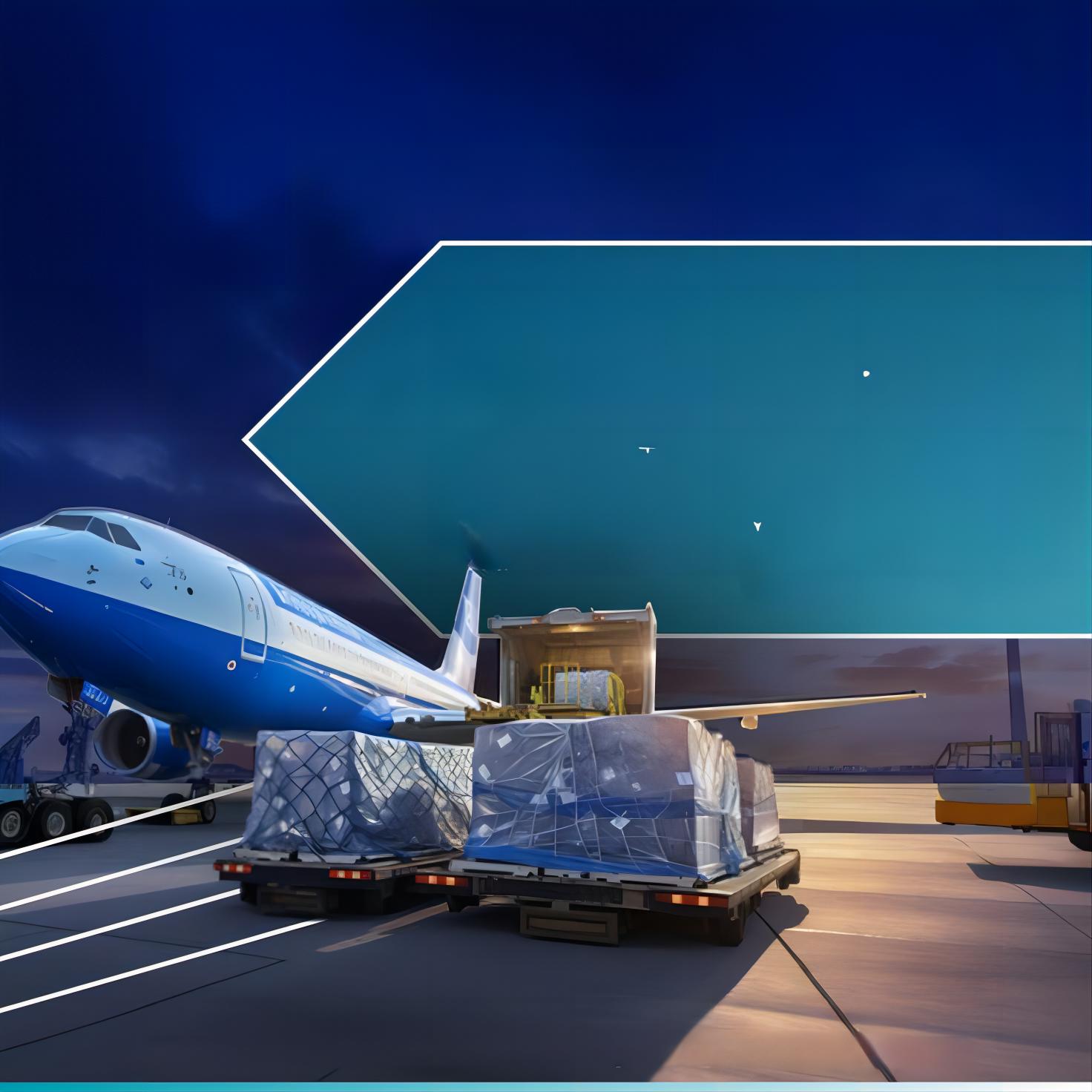
Choosing FCL logistics provides a higher level of security compared to shared shipping methods. Furthermore, it often results in faster transit times because the container does not need to be deconsolidated at a warehouse. Professional FCL shipping from China to USA is particularly effective for high-value or fragile items that require dedicated handling.

Freight forwarders typically offer various container types to suit different cargo needs. Standard dry containers are the most common, but specialized options like refrigerated units or open tops are available. Understanding these options ensures that your specific logistics requirements are met with precision.
How Does Professional FCL Shipping Compare to Other Shipping Options?
Analyzing different transport methods is crucial for making an informed business decision. While sea freight is the primary mode for FCL, air and rail alternatives offer different benefits. Specifically, FCL provides the best balance between cost and capacity for large-scale shipments.
Alternative strategies often involve hybrid solutions or smaller volume methods. For instance, if your shipment is under 15 cubic meters, Less than Container Load (LCL) might seem cheaper, but FCL offers a lower cost per unit. Moreover, air freight is significantly faster but can cost up to five times more than ocean transport.
| Shipping Method | Cost Range | Transit Time | Best For |
|---|---|---|---|
| FCL (20GP/40HQ) | $2,500 – $6,000 | 18 – 35 Days | High volume bulk cargo |
| LCL (Per CBM) | $80 – $150 | 25 – 40 Days | Small shipments < 15 CBM |
| Air Freight | $5 – $12 per kg | 3 – 7 Days | Urgent or high-value goods |
| Express Service | $8 – $15 per kg | 2 – 5 Days | Samples and small parcels |
Calculating Freight Rates and Shipping Costs for 2025
Market conditions significantly influence the current pricing for professional FCL shipping from China to USA. As of early 2025, rates have stabilized but remain sensitive to fuel surcharges and seasonal demand. Generally, shipping to the West Coast is more affordable than shipping to the East Coast due to the shorter distance.
Budgeting for FCL requires an understanding of both ocean freight and local charges. In addition to the base rate, you must account for Terminal Handling Charges (THC) and documentation fees. Therefore, obtaining a detailed quote that includes all potential surcharges is essential for accurate financial planning.
Note: Freight rates are subject to change based on fuel costs, carrier capacity, and seasonal demand. Contact us for a current quote tailored to your specific shipment.
| Route | 20GP Container | 40GP/40HQ Container | Average Transit |
|---|---|---|---|
| China to USA West | $1,800 – $2,600 | $2,800 – $3,800 | 14-20 Days |
| China to USA East | $2,800 – $3,900 | $4,200 – $5,800 | 28-35 Days |
| China to Gulf Coast | $2,600 – $3,500 | $4,000 – $5,200 | 30-38 Days |
Navigating Customs Brokerage and Documentation Requirements
Successful importation depends heavily on accurate paperwork and compliance with US Customs and Border Protection (CBP). Utilizing a professional customs brokerage service can prevent costly delays and penalties. Indeed, the complexity of Harmonized System (HS) codes requires expert knowledge to ensure correct duty payments.
Essential documents include the Bill of Lading, Commercial Invoice, and Packing List. Additionally, the Importer Security Filing (ISF) must be submitted at least 24 hours before the vessel departs from China. Failure to comply with these regulations can lead to significant fines and cargo holds at the port of entry.
Moreover, specific products may require additional certifications, such as FDA approval for food items or FCC certification for electronics. Consequently, verifying all requirements before the cargo leaves the factory is a vital step in the logistics process.
Transit Times and Port Logistics for Major US Destinations
Geographic location plays a pivotal role in determining how long your professional FCL shipping from China to USA will take. Vessels bound for Los Angeles or Long Beach typically arrive much faster than those heading to New York or Savannah. Meanwhile, congestion at major hubs can occasionally add several days to the total timeline.
Direct routes are the fastest option, although they often come at a premium price. On the other hand, transshipment routes via ports like Busan or Kaohsiung can offer cost savings if your schedule is flexible. Planning your inventory arrivals around these schedules is key to maintaining a smooth supply chain.
Efficient door to door shipping solutions often integrate trucking or rail transport once the container reaches the US port. This seamless transition ensures that your goods move quickly from the terminal to your warehouse or distribution center.
Real-World Case Studies in FCL Logistics
Examining actual shipping scenarios provides valuable insights into the practical application of FCL strategies. These examples highlight how professional management can overcome common challenges in the China-USA trade lane. Based on Q4 2024 and early 2025 market data, these cases reflect current industry standards.
Case Study 1: Electronics from Shenzhen to Los Angeles. A tech company required urgent delivery of 500 units. By utilizing a 40HQ container and a direct carrier service, they achieved a door-to-door timeline of 22 days. The total landed cost was optimized by avoiding LCL handling fees and utilizing a bonded warehouse.
Case Study 2: Furniture from Ningbo to Savannah. An e-commerce retailer used Amazon FBA services to manage their seasonal inventory. By booking FCL space three weeks in advance, they secured a rate 15% below the peak season average. This proactive approach ensured their products were in stock for the holiday rush.
Case Study Details: Industrial Equipment
Route: Shanghai to Houston. Cargo: Precision Machinery, 28 CBM, 12,000 kg. Container: 40GP. Shipping Details: Major carrier, Direct route. Ocean Freight: $4,200. Origin Charges: $450. Destination Charges: $800. Customs and Duties: $1,200. Total Landed Cost: $6,650. Timeline: 34 days total. Key Insight: Accurate HS code classification saved $500 in potential duty overpayments.
Which Option Should You Choose for Your Business?
Selecting the right shipping strategy depends on your specific priorities regarding budget, speed, and cargo volume. If your primary goal is cost reduction and you have at least 15-20 cubic meters of goods, FCL is undoubtedly the superior choice. However, for smaller shipments, LCL remains a viable alternative to keep overhead low.
Speed-sensitive shipments should prioritize air freight or expedited ocean services. For businesses focusing on shipping to North America with high-volume needs, FCL provides the most consistent and scalable model. Always evaluate your monthly volume to determine if switching from LCL to FCL could yield significant annual savings.
Strategic planning involves more than just choosing a container size. You must also consider the inland transport costs at both ends of the journey. Often, a slightly higher ocean freight rate for a more convenient port can result in lower total drayage costs on land.
Maximizing Efficiency and Reducing FCL Shipping Expenses
Consolidating shipments from multiple suppliers into a single FCL container is a highly effective cost-saving strategy. Instead of paying for multiple LCL shipments, you can coordinate with a freight forwarder to gather all goods at a central warehouse in China. This approach significantly lowers the per-unit shipping cost.
Negotiating long-term contracts with carriers can also provide price stability in a volatile market. Furthermore, avoiding peak seasons like the weeks leading up to the Chinese New Year can save you thousands of dollars in surcharges. Professional FCL shipping from China to USA requires a forward-thinking mindset to navigate these seasonal fluctuations.
Implementing digital tracking tools allows you to monitor your cargo in real-time. Consequently, you can provide accurate updates to your customers and better manage your inventory levels. Transparency in the supply chain is no longer a luxury but a necessity for competitive businesses.
Mastering Your FCL Logistics Strategy
Professional FCL shipping from China to USA is a cornerstone of successful international trade for businesses of all sizes. By understanding the nuances of container types, freight rates, and customs requirements, you can build a more resilient and cost-effective supply chain. Transitioning to FCL often marks a significant milestone in a company’s growth, offering better security and lower unit costs.
Remember that the lowest price is not always the best value in the world of global logistics. Reliability, communication, and expertise are equally important factors when choosing a shipping partner. With the right strategy and a dedicated freight forwarder, your business can navigate the complexities of the trans-Pacific trade lane with confidence and ease.
Ready to streamline your logistics?
Ready to streamline your imports? Contact Top China Freight today for a professional FCL shipping from China to USA quote. Our experts are standing by to optimize your logistics and reduce your shipping costs. Visit our website to start your inquiry now.
Request Quote