
Professional FCL Shipping from Shenzhen to Spain: Your Complete Guide
Shipping full container loads (FCL) from Shenzhen, China, to Spain requires meticulous planning and expert execution. This comprehensive guide details the intricacies of professional FCL shipping from Shenzhen to Spain, ensuring your cargo arrives safely and on schedule. Top China Freight offers tailored logistics solutions for businesses navigating this vital trade route.
What is FCL Shipping and Why Choose It for Shenzhen to Spain?
Full Container Load (FCL) shipping involves reserving an entire shipping container exclusively for your cargo. This method is ideal for businesses with sufficient volume to fill a 20-foot (20GP) or 40-foot (40GP/40HQ) container. Furthermore, it offers enhanced security and efficiency for large shipments.
Choosing FCL for your Shenzhen to Spain route provides significant advantages. For example, it minimizes handling, reducing the risk of damage or loss compared to Less than Container Load (LCL) options. Additionally, FCL typically results in faster transit times because the container does not need to be consolidated or deconsolidated at various hubs.
Moreover, FCL offers predictable costs, especially for high-volume goods. Businesses can better manage their shipping costs, which is crucial for budgeting and financial planning. This method is particularly beneficial for high-value goods or products requiring specific conditions, ensuring dedicated space and control.
Key Factors Influencing Professional FCL Shipping from Shenzhen to Spain
Several critical factors impact the success and cost-effectiveness of professional FCL shipping from Shenzhen to Spain. Understanding these elements is essential for optimizing your logistics strategy. These include freight rates, transit times, and port operations.
Freight rates fluctuate based on various market dynamics. Factors such as fuel surcharges, container availability, and peak shipping seasons significantly influence pricing. For instance, rates often increase during Q4 due to holiday demand. Therefore, securing competitive rates requires proactive planning and strong carrier relationships.
Transit time is another crucial consideration. Direct services from major Chinese ports like Shenzhen to Spanish ports such as Valencia or Barcelona typically range from 28 to 35 days. However, transshipment routes, while sometimes cheaper, can extend delivery schedules by several days or even weeks. Planning for potential delays is always prudent.
Customs procedures in both China and Spain play a vital role. Proper documentation is paramount to avoid delays and penalties. Engaging a reliable customs brokerage service ensures smooth clearance, preventing costly holdups. Furthermore, understanding import duties and taxes beforehand is critical for accurate landed cost calculations.
Navigating the FCL Shipping Process from Shenzhen to Spain
The journey of an FCL shipment from Shenzhen to Spain involves several key stages, each requiring careful management. From booking to final delivery, a structured approach is vital for efficiency. Understanding this process helps businesses anticipate needs and potential challenges.
Initially, selecting the right container size (20GP, 40GP, 40HQ) based on your cargo volume and weight is crucial. Subsequently, booking space with a reputable ocean carrier or freight forwarder ensures availability. This step typically involves negotiating freight rates and confirming the shipping schedule.
Once booked, cargo loading and pre-shipment inspections take place at the origin. Proper packing and labeling are indispensable for cargo handling and preventing damage during transit. Moreover, all necessary export documentation, including commercial invoices, packing lists, and bills of lading, must be prepared accurately.
Upon arrival in Spain, the container undergoes customs clearance. This process requires accurate import declarations and payment of applicable duties and taxes. Finally, after clearance, the container is transported to its ultimate destination, often via door-to-door service, completing the logistics chain.
How Does FCL Shipping Compare to Other Options for China to Spain?
When considering shipping from China to Spain, businesses have several logistics options beyond FCL. Each method offers distinct advantages and disadvantages concerning cost, speed, and cargo suitability. Evaluating these alternatives helps in making informed supply chain decisions.
Below is a comprehensive comparison of the primary shipping methods available for the China to Europe route, highlighting their key characteristics. This table provides a quick overview for strategic planning.
| Shipping Method | Cost Range | Transit Time | Best For | Limitations |
|---|---|---|---|---|
| FCL Sea Freight | $2,800-4,200 (40HQ) | 28-35 days | Large volumes, bulk cargo, non-urgent | Slower, port congestion risks |
| LCL Sea Freight | $50-80/CBM | 30-45 days | Smaller shipments (under 15 CBM), cost-sensitive | Slower, more handling, less predictable |
| Air Freight | $5.00-8.00/kg | 3-7 days | Urgent, high-value, perishable goods | Very expensive, weight/volume limits |
| Rail Freight (China-Europe) | $2.00-4.00/kg | 18-25 days | Time-sensitive but not urgent, high-value goods | Limited routes, less capacity than sea, potential border delays |

FCL vs. LCL: When to Choose Which
The choice between FCL and LCL largely depends on your cargo volume. For shipments exceeding 15 CBM or requiring exclusive container use, FCL is generally more cost-effective and secure. Conversely, LCL is suitable for smaller loads that do not fill an entire container.
While LCL offers lower upfront costs for small volumes, it often involves more handling and longer transit times due to consolidation. FCL, by contrast, provides greater control and faster transit, making it preferable for larger or more sensitive shipments.
Sea Freight vs. Air Freight vs. Rail Freight
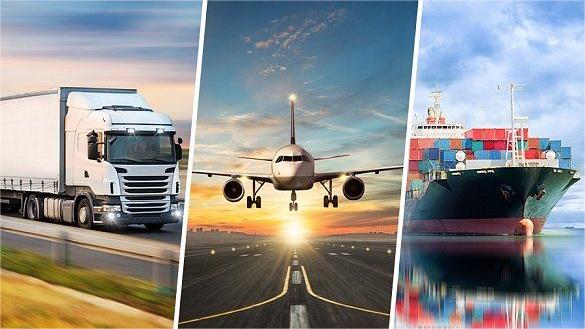
Sea freight remains the most economical option for professional FCL shipping from Shenzhen to Spain, especially for heavy or bulky goods. However, its main drawback is the extended transit time. This method is ideal for goods with flexible delivery schedules.
Air freight offers unparalleled speed, making it suitable for urgent, high-value, or time-sensitive cargo. Nevertheless, it comes at a significantly higher cost, often 5-10 times that of sea freight. Businesses must weigh speed against budget carefully.
Rail freight, particularly the China-Europe Express train, presents a middle-ground solution. It is faster than sea freight and more affordable than air freight. Although not directly to Spain, rail can reach central European hubs, followed by onward truck transport. This hybrid approach offers a balance of speed and cost for certain routes.
Direct Routes vs. Transshipment
Direct FCL shipping routes from Shenzhen to Spain offer the fastest sea transit times and minimize handling risks. These premium services are generally preferred for time-sensitive cargo. However, they can be 10-15% more expensive than routes involving transshipment.
Transshipment involves transferring cargo between vessels at an intermediate port, such as Singapore or Port Klang. While potentially offering lower freight rates, this method extends transit times by 5-10 days and increases the risk of delays or damage during transfer. Businesses must evaluate the trade-off between cost savings and potential risks.
Which Option Should You Choose?
The optimal shipping strategy depends entirely on your specific business priorities. If budget is your primary concern and time is flexible, FCL sea freight is typically the best choice. This method provides the most cost-effective solution for large volumes.
For urgent shipments or high-value goods where speed is paramount, air freight is the clear winner, despite its higher cost. Alternatively, for time-sensitive but not critical goods, a rail-sea or rail-truck hybrid solution to Europe offers a viable compromise.
Consider your cargo type and volume thresholds. FCL is ideal for full container loads, while LCL suits smaller consignments. Moreover, for specialized goods, such as those requiring temperature control or fragile handling, FCL provides dedicated space and greater control over environmental conditions.
Real-World Case Studies: Professional FCL Shipping from Shenzhen to Spain
Examining real-world scenarios provides practical insights into the complexities and solutions involved in professional FCL shipping from Shenzhen to Spain. These case studies highlight diverse cargo types, routes, and outcomes. They demonstrate how effective logistics management can overcome common challenges.
Case Study 1: Consumer Electronics to Valencia
A Spanish electronics distributor needed to import 25,000 units of smart home devices. Given the volume and value, FCL was the optimal choice. The client prioritized a balance of cost and reasonable transit time.
| Route: Shenzhen, China Valencia, Spain |
|---|
| Cargo: Smart Home Devices, 60 CBM, 15,000 kg |
| Container: 40HQ |
| Shipping Details: |
| – Carrier/Service: Maersk |
| – Port of Loading: Yantian Port, Shenzhen |
| – Port of Discharge: Port of Valencia |
| – Route Type: Direct Service |
| Cost Breakdown (Based on Q3 2024 market rates): |
| – Ocean Freight: $3,500 |
| – Origin Charges (THC, documentation): $450 |
| – Destination Charges: $600 |
| – Customs & Duties (estimated): $1,200 |
| – Total Landed Cost: $5,750 |
| Timeline: |
| – Booking to Loading: 5 days |
| – Sea Transit: 29 days |
| – Customs Clearance: 3 days |
| – Total Door-to-Door: 37 days |
| Key Insight: Direct service ensured minimal delays, meeting the client’s inventory schedule efficiently. |
Case Study 2: Apparel & Textiles to Barcelona
A fashion retailer in Barcelona required a large shipment of seasonal apparel from multiple suppliers in Shenzhen. Consolidating these goods into a single FCL shipment streamlined their import process significantly. The focus was on minimizing overall logistics costs.
| Route: Shenzhen, China Barcelona, Spain |
|---|
| Cargo: Apparel & Textiles, 55 CBM, 12,000 kg |
| Container: 40GP |
| Shipping Details: |
| – Carrier/Service: COSCO |
| – Port of Loading: Shekou Port, Shenzhen |
| – Port of Discharge: Port of Barcelona |
| – Route Type: Transshipment via Port Said |
| Cost Breakdown (Typical rates as of early 2025): |
| – Ocean Freight: $3,000 |
| – Origin Charges (THC, documentation): $400 |
| – Destination Charges: $550 |
| – Customs & Duties (estimated): $1,000 |
| – Total Landed Cost: $4,950 |
| Timeline: |
| – Booking to Loading: 7 days |
| – Sea Transit: 34 days |
| – Customs Clearance: 4 days |
| – Total Door-to-Door: 45 days |
| Key Insight: Opting for transshipment saved on ocean freight costs, balancing budget against slightly longer transit. |
Case Study 3: Industrial Components to Madrid (via Valencia)
An industrial manufacturer needed to import heavy machinery components that were not time-critical but required careful handling. The destination was inland Madrid, necessitating efficient onward transport from the port. This shipment leveraged door-to-door services.
| Route: Shenzhen, China Madrid, Spain (via Valencia) |
|---|
| Cargo: Industrial Components, 45 CBM, 20,000 kg |
| Container: 20GP |
| Shipping Details: |
| – Carrier/Service: MSC |
| – Port of Loading: Yantian Port, Shenzhen |
| – Port of Discharge: Port of Valencia |
| – Route Type: Direct Service, then rail to Madrid |
| Cost Breakdown (Market data suggests Q1 2025): |
| – Ocean Freight: $2,500 |
| – Origin Charges (THC, documentation): $380 |
| – Destination Charges (Port + Rail): $800 |
| – Customs & Duties (estimated): $950 |
| – Total Landed Cost: $4,630 |
| Timeline: |
| – Booking to Loading: 6 days |
| – Sea Transit: 30 days |
| – Customs Clearance: 2 days |
| – Inland Transport: 3 days |
| – Total Door-to-Door: 41 days |
| Key Insight: Integrated door-to-door service including inland rail ensured seamless delivery to the final destination. |
Cost-Saving Strategies and Market Insights for FCL Shipments
Optimizing shipping costs for professional FCL shipping from Shenzhen to Spain involves strategic planning and awareness of market dynamics. Businesses can implement several strategies to reduce expenses without compromising service quality. These insights are crucial for maintaining a competitive edge.
Booking in advance, particularly outside peak seasons, can lead to significantly lower freight rates. Rates typically increase 15-25% during August-October peak season and before major holidays like Chinese New Year. Therefore, flexible scheduling is a powerful cost-saving tool.
Consider consolidating multiple smaller orders into a single FCL shipment whenever possible. This approach maximizes container utilization, reducing the per-unit shipping cost. Furthermore, negotiating long-term contracts with freight forwarders can secure more stable and favorable rates, insulating against market volatility.
As of Q1 2025, freight rates from China to Europe have stabilized after the 2024 Red Sea disruptions, though some volatility persists. Market data suggests that while rates are not at pre-pandemic lows, they are more predictable. Always obtain current quotes to reflect real-time conditions.
Note: Freight rates are subject to change based on fuel costs, carrier capacity, and seasonal demand. Contact us for a current quote tailored to your specific shipment.
Why Partner with Top China Freight for Your Shenzhen to Spain FCL Needs?
Partnering with an experienced logistics provider is paramount for successful professional FCL shipping from Shenzhen to Spain. Top China Freight offers comprehensive solutions, leveraging extensive networks and local expertise. Our commitment is to streamline your supply chain.
We provide transparent pricing, reliable scheduling, and proactive communication throughout the shipping process. Our team handles all aspects, from origin logistics to destination delivery, including Amazon FBA preparations if applicable. This ensures peace of mind and efficient cargo movement.
With a deep understanding of international trade regulations and customs requirements, we mitigate potential issues. Our expertise minimizes delays and ensures compliance, making your professional FCL shipping from Shenzhen to Spain as smooth as possible. We focus on delivering tailored services that meet your unique business needs.
Conclusion
Navigating professional FCL shipping from Shenzhen to Spain demands a strategic approach, encompassing detailed planning, cost awareness, and reliable execution. By understanding the nuances of FCL, comparing alternatives, and leveraging market insights, businesses can significantly enhance their supply chain efficiency. Partnering with an experienced logistics provider ensures your professional FCL shipping from Shenzhen to Spain is handled with expertise and care.
Get Your Shipping Quote Today
Ready to optimize your professional FCL shipping from Shenzhen to Spain? Contact Top China Freight today for a personalized quote and expert consultation. Our team is prepared to offer efficient, reliable, and cost-effective logistics solutions for your business.
Request Quote