

Professional LCL Shipping from Shenzhen to Italy: 2025 Guide
Finding a reliable partner for professional LCL shipping from Shenzhen to Italy is crucial for businesses looking to optimize their supply chain costs. Many importers struggle with complex logistics, yet consolidated shipping offers a flexible and affordable solution for smaller cargo volumes. Top China Freight provides expert handling to ensure your goods move seamlessly across the ocean. We focus on delivering value through precision, transparency, and dedicated support for every shipment.

What is Professional LCL Shipping and Why Choose It?
Less than Container Load (LCL) refers to a shipping method where multiple shippers share space within a single ocean container. Consequently, this approach allows businesses to transport smaller quantities of goods without paying for the entire container volume. Professional logistics providers manage the consolidation process at the port of origin, ensuring that every cubic meter is utilized efficiently.

Choosing sea freight in an LCL format is particularly beneficial for small to medium-sized enterprises. Furthermore, it provides the flexibility to maintain lower inventory levels by shipping smaller batches more frequently. Instead of waiting to fill a 20-foot container, you can dispatch your products as soon as they are ready for the Italian market.
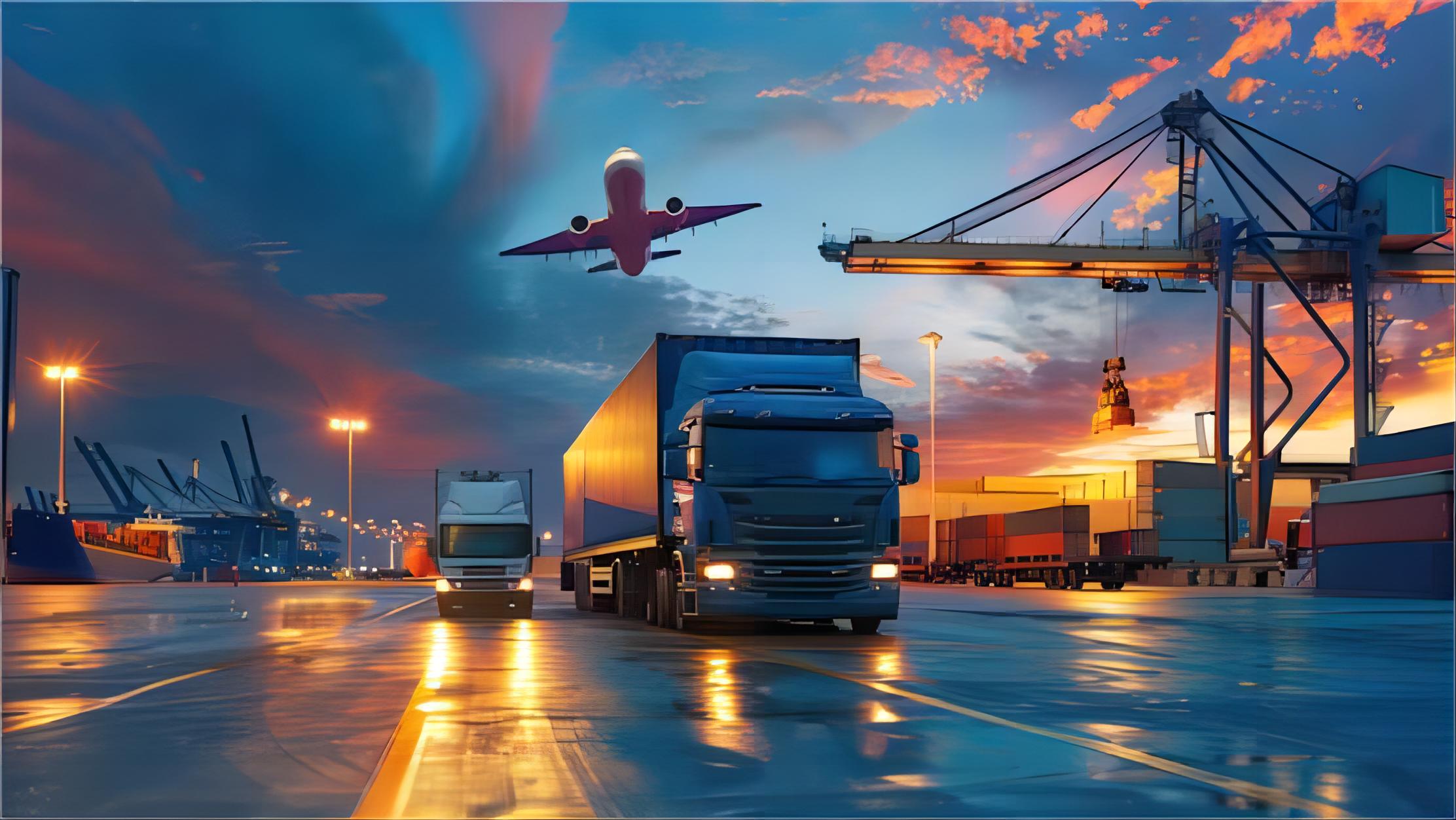
Reliability remains a top priority when dealing with international trade between China and Europe. Indeed, professional LCL shipping from Shenzhen to Italy ensures that your cargo is handled by experienced personnel who understand the nuances of the Mediterranean routes. This method balances cost-efficiency with consistent delivery schedules, making it a staple for modern global commerce.
How Does LCL Compare to Other Shipping Options?
Evaluating different transport modes is essential for determining the most cost-effective strategy for your business. While LCL is excellent for moderate volumes, other methods like air freight offer significantly faster transit times at a higher price point. Understanding these trade-offs helps in making informed logistics decisions.
Alternatively, rail freight has emerged as a middle-ground solution for transcontinental shipping. However, for the Shenzhen to Italy route, ocean-based LCL remains the most economical choice for non-urgent shipments. Below is a detailed comparison of the primary shipping methods currently available for this specific trade lane.
| Method | Cost Level | Transit Time | Best For |
|---|---|---|---|
| LCL Sea | Low | 30-40 Days | Small volumes |
| FCL Sea | Medium | 28-35 Days | Bulk cargo |
| Air Freight | High | 5-8 Days | Urgent goods |
| Rail Freight | Medium | 18-25 Days | Time-sensitive |
Key Ports and Transit Times for Italy Shipments
Shipping from Shenzhen typically involves departure from major hubs like Yantian or Shekou. These ports offer frequent departures and advanced infrastructure to handle massive consolidation volumes. As a result, your goods are less likely to face delays during the initial loading phase in China.
Italian destinations usually include major maritime gateways such as Genoa, La Spezia, and Trieste. Depending on the specific port of discharge, the transit time can vary by several days. For instance, shipments destined for Northern Italy via Genoa might arrive sooner than those heading to Southern ports.
Navigating the logistics landscape in Europe requires a deep understanding of local port operations. Moreover, seasonal weather patterns and port congestion can occasionally impact the delivery schedule. Professional forwarders monitor these variables closely to provide accurate arrival estimates for your Italian customers.
Estimated Transit Time by Destination
Below are typical transit times for LCL shipments departing from Shenzhen to various Italian hubs. Please note that these figures represent port-to-port durations and do not include inland haulage or customs processing.
| Italian Port | Avg. Transit | Frequency | Region |
|---|---|---|---|
| Genoa | 32 Days | Weekly | Northwest |
| La Spezia | 33 Days | Weekly | North |
| Trieste | 35 Days | Bi-weekly | Northeast |
| Naples | 38 Days | Weekly | South |
Understanding the Costs of LCL Shipping
Calculating the total expense of professional LCL shipping from Shenzhen to Italy involves more than just the ocean freight rate. Shippers must account for origin charges, destination fees, and potential customs duties. Consequently, a transparent quote is necessary to avoid unexpected costs at the time of delivery.
Ocean freight for LCL is typically billed per cubic meter (CBM) or per 1,000 kilograms, whichever is greater. In addition to the base rate, you may encounter fuel surcharges and currency adjustment factors. Meanwhile, destination charges in Italy often include terminal handling, documentation, and de-consolidation fees.
Market rates fluctuate based on global demand and seasonal trends. For example, during the peak season from August to October, prices often rise due to increased consumer demand before the holidays. We recommend requesting a current quote to ensure your budget reflects the most recent market conditions.
Customs Clearance and Essential Documentation
Managing the legal requirements for importing goods into Italy is a complex but necessary task. Every shipment must be accompanied by a commercial invoice, packing list, and a Bill of Lading. Furthermore, specific products might require additional certifications or permits to comply with European Union standards.
Utilizing a professional customs brokerage service can significantly reduce the risk of delays at the border. Expert brokers ensure that your HS codes are correct and that all duties are calculated accurately. Without a doubt, proper preparation prevents costly storage fees and legal complications during the import process.
Italian customs authorities are known for their thoroughness, especially regarding safety and environmental regulations. Therefore, ensuring that your supplier in Shenzhen provides accurate documentation is paramount. In contrast to simple domestic shipping, international logistics demands meticulous attention to detail at every step.
Which Option Should You Choose?
Deciding between LCL and other methods depends largely on your specific business needs and cargo characteristics. If your shipment volume is between 1 and 15 CBM, LCL is almost always the most cost-effective choice. However, if you are shipping more than 15 CBM, it might be worth comparing the cost of a full 20-foot container.
Budget-conscious importers should prioritize LCL to keep their landed costs low. On the other hand, if speed is your primary concern, air freight or rail options might be more suitable despite the higher price. To simplify the process, many businesses opt for Door to Door solutions that handle everything from the factory in Shenzhen to the warehouse in Italy.
Real-World Case Studies for Shenzhen to Italy
Examining real-world examples provides a clearer picture of what to expect during the shipping process. These cases reflect typical scenarios handled by professional logistics teams in the current market environment.
Case Study 1: Office Furniture to Genoa. A small business imported 6 CBM of ergonomic chairs. The route involved Shenzhen to Genoa with a total transit time of 34 days. By using LCL, the client saved over 40 percent compared to the cost of a full container. Total landed cost, including duties, was approximately 2,800 USD.
Case Study 2: Industrial Spare Parts to Milan. An engineering firm required 2 CBM of components. They chose a door-to-door LCL service to ensure seamless delivery to their facility. The shipment took 38 days from the Shenzhen warehouse to the Milan doorstep. Consequently, the firm maintained its production schedule without the high cost of emergency air freight.
How to Reduce Your LCL Shipping Expenses
Optimizing your packaging is one of the most effective ways to lower your LCL costs. Since you are charged based on volume, reducing the size of your crates or boxes directly impacts your final bill. Additionally, palletizing your goods correctly can prevent damage and avoid extra handling fees at the terminal.
Consolidating multiple orders from different suppliers in Shenzhen can also lead to significant savings. Instead of shipping three separate 1 CBM orders, you can combine them into a single 3 CBM shipment. Furthermore, booking your space at least two weeks in advance allows you to secure better rates and avoid last-minute surcharges.
Maintaining a consistent shipping schedule helps in negotiating better long-term rates with your freight forwarder. Nevertheless, always stay informed about market trends and be prepared to adjust your strategy if freight rates spike. Professional LCL shipping from Shenzhen to Italy is a dynamic process that rewards proactive management.
Mastering Your Logistics from Shenzhen to Italy
Successfully managing professional LCL shipping from Shenzhen to Italy requires a blend of strategic planning and expert execution. By understanding the costs, transit times, and documentation requirements, you can significantly improve your business’s bottom line. Whether you are a first-time importer or an experienced trader, choosing the right consolidation partner is the key to long-term success.
Freight rates and market conditions will continue to evolve throughout 2025 and beyond. Therefore, staying informed and flexible is essential for navigating the complexities of international trade. We hope this guide provides the clarity you need to move your cargo with confidence and efficiency.
Ready to streamline your logistics?
Ready to streamline your supply chain with professional LCL shipping from Shenzhen to Italy? Contact Top China Freight today for a customized quote and expert logistics advice. Send Inquiry
Request Quote