
Rail Freight China to Belgium: Your Ultimate Logistics Guide
Navigating international shipping can be complex, especially when seeking a balance between speed and cost. For businesses importing goods into Europe, Top China Freight offers robust solutions. This comprehensive guide explores the increasingly popular option of rail freight from China to Belgium. It details how this method provides an efficient and reliable alternative for your supply chain needs.
Why Choose Rail Freight China to Belgium?
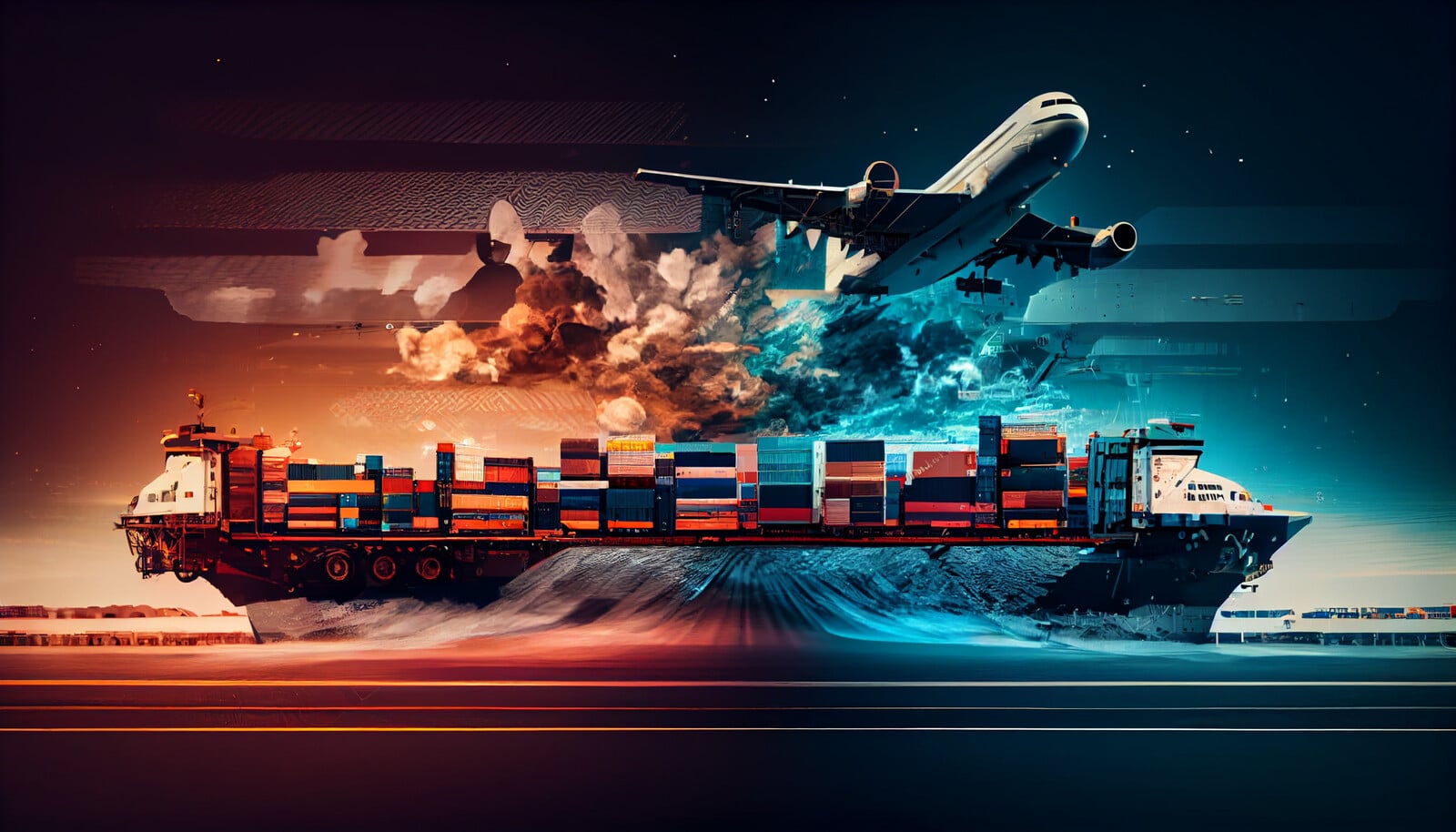
The demand for reliable and efficient shipping from China to Europe continues to grow exponentially. Businesses are constantly seeking methods that balance speed with affordability. Consequently, rail freight from China to Belgium has emerged as a compelling logistics solution, bridging the gap between slow sea freight and expensive air cargo.
Historically, sea routes dominated, offering cost-effectiveness for bulk goods but with extended transit times. Air freight, on the other hand, provides rapid delivery but at a premium price point. However, rail freight offers a strategic middle ground, revolutionizing supply chain optimization for many importers.
Moreover, the New Silk Road railway network has significantly improved connectivity and transit efficiency. This infrastructure development makes shipping goods via rail a more viable and attractive option than ever before. Therefore, understanding its benefits is crucial for modern international trade.
Indeed, for companies prioritizing consistent delivery schedules and reduced lead times without the prohibitive costs of air transport, rail freight china to belgium is an excellent choice. It ensures your cargo reaches its destination efficiently and predictably.
Key Benefits of Rail Freight for Your Business
First and foremost, one of the primary advantages of rail freight is its significantly faster transit time compared to sea shipping. While ocean vessels might take 30-45 days, rail typically delivers cargo within 18-25 days. This acceleration in delivery schedule is vital for time-sensitive goods and managing inventory.
Furthermore, rail freight often presents a more cost-effective solution than air freight. Businesses can achieve substantial savings on shipping costs, especially for larger volumes. This economic advantage helps improve overall profitability and operational budgets.
Additionally, rail transport boasts a lower carbon footprint compared to air or even road transport over long distances. As a result, choosing rail freight aligns with growing environmental sustainability goals. This makes it an eco-friendly freight option for socially conscious enterprises.
Moreover, rail services offer enhanced security and reliability for your cargo. Fixed routes and schedules, combined with robust container security measures, minimize risks of delays or damage. Consequently, businesses can rely on consistent service for their valuable goods.
How Does Rail Freight Compare to Other Shipping Options?
When evaluating shipping methods from China to Belgium, it is essential to consider alternatives like sea and air freight. Each mode offers distinct advantages and disadvantages depending on your specific business needs. Understanding these differences helps in making informed logistics decisions.
Sea freight remains the most economical option for very large or heavy shipments, such as those requiring full containers. However, it involves the longest transit times, typically 30-45 days, and can be subject to port congestion. For example, a 40HQ container via sea freight might cost $3,000-$4,200 but take over a month.
In contrast, air freight offers unparalleled speed, with transit times often as short as 3-7 days. Nevertheless, its cost is significantly higher, making it suitable mainly for urgent, high-value, or perishable goods. For instance, air cargo for a similar volume could easily exceed $15,000.
Rail freight positions itself as a balanced compromise, offering a middle ground in terms of both cost and speed. It is faster than sea freight and more affordable than air freight. This makes it ideal for a wide range of products that require moderate speed and competitive pricing.
Ultimately, the best choice depends on factors like your budget priority, required delivery speed, and cargo type considerations. A comprehensive comparison helps clarify which option aligns best with your supply chain objectives.
| Shipping Method | Cost Range (40HQ/15CBM) | Transit Time | Best For | Limitations |
|---|---|---|---|---|
| Rail Freight | $6,000 – $9,000 (40HQ) | 18-25 days | Mid-size to large, time-sensitive cargo | Less flexible routes than sea |
| Sea Freight | $3,000 – $4,200 (40HQ) | 30-45 days | Bulk, heavy, non-urgent cargo | Slowest, port congestion risks |
| Air Freight | $15,000 – $25,000 (15CBM) | 3-7 days | Urgent, high-value, perishable goods | Most expensive, volume/weight restrictions |
Understanding the Rail Freight Routes and Transit Times
The primary route for rail freight from China to Belgium is the New Silk Road, also known as the China-Europe Express Railway. This extensive network connects major Chinese cities to key European logistics hubs. Consequently, it facilitates efficient overland transport across the Eurasian continent.
Typically, trains depart from major Chinese rail hubs such as Chongqing, Xi’an, Zhengzhou, Wuhan, and Chengdu. These cities serve as crucial starting points for goods destined for Europe. The journey traverses several countries before reaching its final destination.
Upon reaching Europe, common entry points include Duisburg (Germany), Malaszewicze (Poland), and Liege (Belgium). From these central hubs, cargo is then distributed via feeder services, often by truck or shorter rail links, to cities across Belgium. Therefore, understanding these intermediary points is vital for planning.
The total transit time for rail freight from China to Belgium typically ranges from 18 to 25 days. This duration depends on the specific origin in China, the exact destination in Belgium, and the chosen rail line’s schedule. Additionally, factors like customs clearance and terminal handling can influence the overall delivery schedule.
Generally, direct routes offer faster transit, while routes involving multiple transfers might take a few extra days. Therefore, selecting the most efficient rail route is crucial for optimizing your supply chain and meeting delivery expectations. Always confirm the current transit estimates with your freight forwarder.
Essential Documentation and Customs Procedures
Crucially, successful international shipping, including rail freight from China to Belgium, relies heavily on meticulous documentation and adherence to customs procedures. Proper preparation prevents delays and ensures smooth cargo flow. Therefore, understanding the requirements beforehand is paramount.
For any import into Belgium, several key documents are universally required. These include the commercial invoice, packing list, bill of lading (or rail waybill for rail cargo), and certificate of origin. Furthermore, specific goods may require additional licenses or permits, such as health certificates or CE conformity declarations.
Moreover, accurate product classification using Harmonized System (HS) codes is essential for customs clearance. Incorrect classification can lead to penalties or prolonged inspections. Consequently, working with experienced customs brokerage professionals is highly recommended to navigate these complexities.
Upon arrival in Belgium, cargo undergoes customs inspection and clearance processes. Importers are responsible for paying applicable duties and taxes, including Value Added Tax (VAT). In order to streamline this process, many businesses utilize a customs broker who can handle all declarations and payments on their behalf. Indeed, proactive management of these procedures ensures a swift and compliant import process.
Optimizing Your Rail Freight Strategy
To maximize the efficiency and cost-effectiveness of your rail freight operations, strategic planning is essential. Several factors can influence your shipping experience and overall supply chain performance. Therefore, a thoughtful approach to logistics is highly beneficial.
Firstly, choosing the right freight forwarder is paramount. A reputable partner like Top China Freight offers expertise in rail logistics, network access, and comprehensive services. They can provide competitive freight rates and manage complex arrangements, ensuring seamless transport.
Secondly, consider whether Full Container Load (FCL) or Less than Container Load (LCL) is appropriate for your shipment. FCL is ideal for larger volumes, offering dedicated container space and potentially faster transit. Conversely, LCL allows smaller shipments to share container space, reducing costs but potentially adding a few days for consolidation.
Moreover, exploring door-to-door services can significantly simplify your logistics. This comprehensive service handles every stage, from pickup at your supplier’s factory in China to final delivery at your warehouse in Belgium. It minimizes your administrative burden and ensures a smooth process.
Furthermore, always factor in potential seasonal variations and market conditions. Freight rates can fluctuate during peak seasons, such as before Chinese New Year or during the Q4 holiday rush. Planning ahead and booking early can help secure better rates and avoid delays. Indeed, proactive management is key to successful rail freight china to belgium.
Real-World Case Studies: Rail Freight China to Belgium
Examining real-world scenarios provides practical insights into the benefits and intricacies of rail freight from China to Belgium. These examples highlight how businesses leverage this mode of transport for their specific needs. Ultimately, they showcase the versatility and effectiveness of the New Silk Road.
These case studies, based on typical market conditions and rates as of early 2025, illustrate various applications. They demonstrate how rail freight can be a strategic choice for diverse cargo types and business objectives. Moreover, they offer a glimpse into the operational realities of cross-continental logistics.
Case Study 1: Electronics Distributor’s Fast Delivery
This scenario involved an electronics distributor needing to restock popular gadgets quickly for the European market. Sea freight was too slow, and air freight was prohibitively expensive for the volume required. Rail freight provided the ideal balance.
| Detail | Description |
|---|---|
| Route | Shenzhen, China -> Antwerp, Belgium |
| Cargo | Consumer electronics, 15 CBM, 4,500 kg |
| Container | LCL 15 CBM |
| Shipping Details | Major carrier, via Wuhan to Duisburg, then truck to Antwerp |
| Rail Freight | $1,800 |
| Origin Charges | $250 |
| Destination Charges | $300 |
| Customs & Duties (estimated) | $450 |
| Total Landed Cost | $2,800 |
| Booking to Loading | 3 days |
| Rail Transit | 18 days |
| Customs Clearance | 2 days |
| Total Door-to-Door | 23 days |
| Key Insight | Optimal for mid-sized, high-value goods needing faster-than-sea transit. Cost-effective for inventory replenishment. |
Case Study 2: Textile Importer’s Bulk Shipment
A textile importer required a large volume of apparel to meet seasonal fashion demands in Brussels. The challenge was to secure a cost-efficient method that was faster than traditional ocean shipping. Rail freight proved to be the perfect solution for this bulk order.
| Detail | Description |
|---|---|
| Route | Yiwu, China -> Brussels, Belgium |
| Cargo | Apparel and textiles, 40 CBM, 10,000 kg |
| Container | 40HQ |
| Shipping Details | Major carrier, via Xi’an to Liege, then truck to Brussels |
| Rail Freight | $6,500 |
| Origin Charges | $400 |
| Destination Charges | $500 |
| Customs & Duties (estimated) | $800 |
| Total Landed Cost | $8,200 |
| Booking to Loading | 5 days |
| Rail Transit | 20 days |
| Customs Clearance | 3 days |
| Total Door-to-Door | 28 days |
| Key Insight | Ideal for bulk goods where sea is too slow and air is too expensive. Met seasonal deadlines efficiently. |
Case Study 3: Industrial Components for a Manufacturing Plant
An industrial supplier needed to ship critical machine parts to a manufacturing plant in Ghent, Belgium. While not extremely urgent, a steady and predictable supply chain was crucial to avoid production stoppages. Rail freight offered the required reliability and speed.
| Detail | Description |
|---|---|
| Route | Chongqing, China -> Ghent, Belgium |
| Cargo | Machine parts, 25 CBM, 7,000 kg |
| Container | 20GP (shared/LCL) |
| Shipping Details | Major carrier, via Chongqing to Hamburg, then feeder to Ghent |
| Rail Freight | $3,800 |
| Origin Charges | $350 |
| Destination Charges | $450 |
| Customs & Duties (estimated) | $600 |
| Total Landed Cost | $5,200 |
| Booking to Loading | 4 days |
| Rail Transit | 21 days |
| Customs Clearance | 2 days |
| Total Door-to-Door | 27 days |
| Key Insight | Demonstrated flexibility for specific industrial components with moderate urgency, ensuring supply chain continuity. |
Which Rail Freight Option Should You Choose?
Ultimately, selecting the optimal rail freight solution for your China to Belgium route depends on several critical factors. Evaluating your specific business needs and priorities will guide your decision. Therefore, consider these criteria carefully.
If your priority is budget, and you have non-urgent, heavy cargo, LCL rail freight offers a cost-effective solution. Conversely, for larger volumes, FCL provides better value per unit and often faster transit. This helps in managing shipping costs effectively.
Conversely, if speed is your primary concern, and you need faster delivery than standard rail, exploring express rail services or hybrid solutions (e.g., rail-air) might be beneficial. However, these options come with a higher price tag. This trade-off between speed and cost is crucial.
Furthermore, cargo type considerations play a significant role. Perishable goods or extremely high-value items might still warrant air freight despite the cost. However, for most manufactured goods, electronics, or textiles, rail freight offers a robust and reliable option. This versatility makes rail an attractive choice.
Finally, consider your volume thresholds for switching methods. For shipments under 15 CBM, LCL rail is often economical. Above this, FCL rail becomes increasingly attractive. Beyond a certain point, a full 40HQ container via rail provides excellent efficiency for your rail freight China to Belgium needs. Note: Freight rates are subject to change based on fuel costs, carrier capacity, and seasonal demand. Contact us for a current quote tailored to your specific shipment.
Conclusion: Streamlining Your Supply Chain with Rail Freight
In conclusion, rail freight from China to Belgium presents a compelling logistics solution for modern businesses. It offers a strategic balance of speed, cost-effectiveness, and environmental benefits, positioning itself as a strong contender against traditional shipping methods. Understanding the available routes, essential documentation, and various service options is key to successful import operations.
Moreover, by leveraging the New Silk Road and partnering with experienced freight forwarders, companies can significantly enhance their supply chain efficiency. This approach ensures more predictable delivery schedules and reduced overall shipping costs. For reliable and efficient shipping, considering rail freight China to Belgium is a smart choice for many businesses seeking competitive advantages in the European market.
Need a tailored shipping solution?
Ready to optimize your supply chain with efficient rail freight from China to Belgium? Contact Top China Freight today for a personalized quote. Our experts are ready to help you navigate the complexities of international logistics and find the best solution for your cargo.