

Rail Freight China to Japan: 2025 Multimodal Shipping Guide
Shipping goods via rail freight china to japan offers a unique and efficient multimodal solution for businesses looking to balance speed and cost. As global trade routes evolve, many importers are discovering that combining rail and sea transport provides a competitive edge for moving cargo from inland Chinese hubs. Visit Top China Freight to explore how our specialized logistics network can streamline your international shipping operations today.
How Does Rail Freight China to Japan Work?
Many businesses wonder how rail freight china to japan is physically possible given the geographical separation by the sea. The answer lies in a sophisticated multimodal strategy that integrates the vast Chinese railway network with efficient short-sea shipping routes.
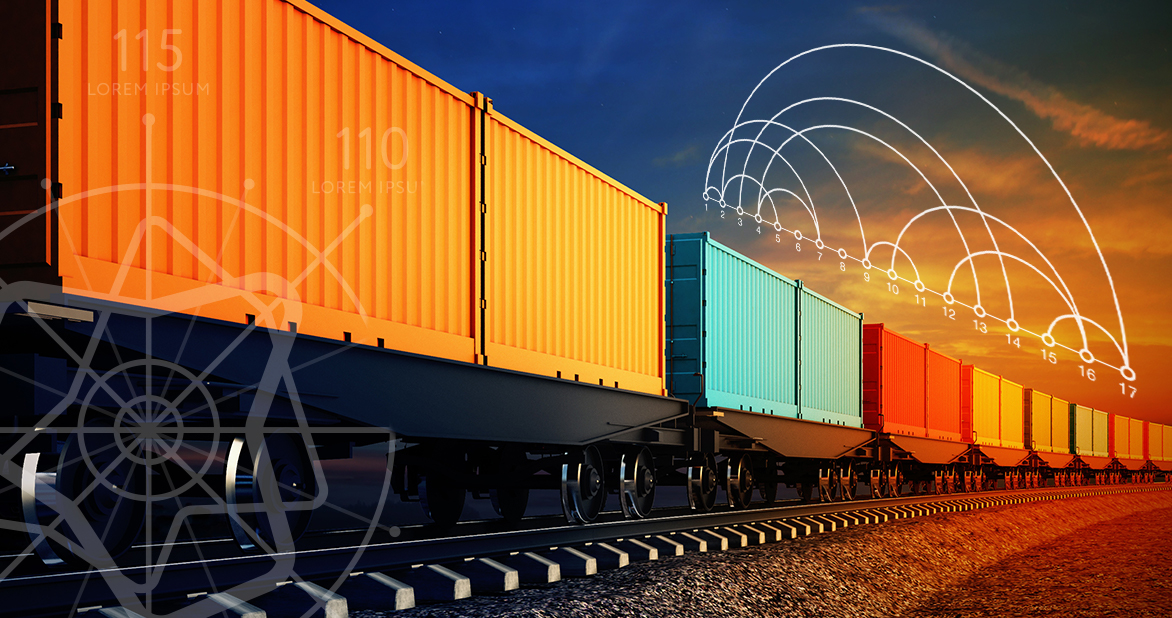
Typically, cargo originates from inland industrial centers like Xi’an, Chengdu, or Chongqing where rail infrastructure is exceptionally robust. These shipments travel by dedicated freight trains to major coastal ports such as Shanghai, Ningbo, or Qingdao.
Once the cargo reaches the port, logistics providers manage the swift transfer of containers from the rail terminal to feeder vessels. These ships then complete the final leg of the journey across the East China Sea to reach major Japanese ports like Tokyo, Yokohama, or Osaka.
Using rail freight as the primary inland leg reduces the reliance on long-haul trucking, which can be more expensive and less environmentally friendly. This combination ensures that goods from deep within China reach Japanese markets with consistent transit times.
Benefits of Choosing Multimodal Rail-Sea Solutions
One primary advantage of this route is the significant cost savings compared to traditional long-distance trucking to coastal cities. Furthermore, rail transport offers higher stability in pricing and scheduling, making it easier for businesses to plan their inventory cycles.
Additionally, rail-sea transport is significantly faster than traditional sea freight if the cargo originates far from the coast. Instead of waiting for slow barge transport down the Yangtze River, rail moves goods at high speeds across the mainland.
Moreover, this method provides a middle ground between expensive air transport and slower all-water routes. It is particularly beneficial for high-value industrial components, consumer electronics, and automotive parts that require a reliable delivery schedule.
How Does Rail Freight Compare to Other Shipping Options?
Evaluating different transport modes is essential for maintaining a healthy bottom line in your supply chain. While rail-sea multimodal shipping is efficient, businesses must compare it against direct air and sea options.
For instance, air freight remains the fastest choice but carries a massive price premium that can erode profit margins. In contrast, pure sea freight from coastal China is the cheapest option but may not be practical for inland factories.
Consequently, the rail-sea hybrid emerges as the most balanced strategy for inland-to-port-to-port logistics. It avoids the congestion of road transport while maintaining a lower carbon footprint than aviation.
| Shipping Method | Cost Range (USD) | Transit Time | Best For |
|---|---|---|---|
| Air Freight | $5.00 – $8.00 per kg | 1 – 3 Days | Urgent, high-value goods |
| Sea Freight (Direct) | $800 – $1,500 per 20GP | 5 – 10 Days | Large bulk, coastal origin |
| Rail-Sea Multimodal | $1,200 – $2,200 per 20GP | 8 – 14 Days | Inland China origins |
| Express Service | $7.00 – $12.00 per kg | 1 – 2 Days | Small parcels, samples |
Which Option Should You Choose?
If your primary goal is budget priority, direct sea freight from a coastal port is usually the best recommendation. However, if your factory is located in Sichuan or Shaanxi province, the rail-sea combination will likely save you money on inland haulage.
For speed priority shipments, air freight is the only viable choice despite the high cost. Meanwhile, cargo type considerations play a role; heavy machinery is often better suited for rail and sea due to weight restrictions on aircraft.
Volume thresholds also matter for your decision. For shipments under 15 CBM, you might consider LCL (Less than Container Load) options via sea, whereas full container loads (FCL) are ideal for the rail-sea multimodal route.
Understanding Shipping Costs and Rates
Freight rates for rail freight china to japan are influenced by several factors, including fuel surcharges and seasonal demand. Generally, rates are more stable than pure ocean freight because the rail portion is governed by fixed government or railway operator tariffs.
Typical rates as of early 2025 suggest that a 20GP container from an inland hub like Xi’an to Tokyo costs between $1,800 and $2,400. This includes the rail leg, port handling, and the short-sea crossing.
Note: Freight rates are subject to change based on fuel costs, carrier capacity, and seasonal demand. Contact us for a current quote tailored to your specific shipment.
Customs Brokerage and Documentation Requirements
Navigating the regulatory landscape is a critical part of the shipping process. Japanese customs are known for their strict adherence to documentation accuracy and safety standards.
Therefore, utilizing a professional customs brokerage service is highly recommended to avoid delays at the port of entry. You will need a commercial invoice, packing list, bill of lading, and potentially a certificate of origin.
Furthermore, specific products like electronics or food items may require additional permits from Japanese authorities. Ensuring all paperwork is prepared before the cargo leaves the rail terminal in China will prevent costly storage fees at the Japanese port.
Case Study 1: Electronics from Xi’an to Tokyo
Route: Xi’an, China to Tokyo, Japan. Cargo: Consumer Electronics, 25 CBM, 8,000 kg. Container: 40GP. Shipping Details: Rail from Xi’an to Qingdao Port, then Sea to Tokyo. Carrier: Major regional carrier.
Cost Breakdown: Rail Leg: $900. Ocean Freight: $850. Origin/Destination Charges: $500. Total Landed Cost: $2,250. Timeline: Rail Transit: 3 days. Port Handling: 2 days. Sea Transit: 3 days. Customs: 2 days. Total Door-to-Door: 10 days.
Key Insight: Based on Q4 2024 market rates, this multimodal approach saved the client 30 percent compared to trucking the goods to the coast and 70 percent compared to air freight.
Case Study 2: Auto Parts from Chengdu to Osaka
Route: Chengdu, China to Osaka, Japan. Cargo: Automotive components, 18 CBM, 12,000 kg. Container: 20GP. Shipping Details: Rail from Chengdu to Shanghai Port, then Sea to Osaka. Route Type: Multimodal via Shanghai.
Cost Breakdown: Rail Leg: $1,100. Ocean Freight: $600. Customs and Duties: $400. Total Landed Cost: $2,100. Timeline: Booking to Loading: 2 days. Rail Transit: 4 days. Sea Transit: 2 days. Total Door-to-Door: 12 days.
Key Insight: Typical rates as of early 2025 show that rail-sea is the most reliable way to meet Just-In-Time manufacturing requirements for Japanese assembly lines.
Specialized Solutions for E-commerce and Amazon FBA
The rise of cross-border e-commerce has increased the demand for reliable shipping to Japanese fulfillment centers. Many sellers now use Amazon FBA shipping services that incorporate rail-sea routes to keep costs low.
By utilizing rail freight china to japan for the bulk of the journey, sellers can maintain competitive pricing on platforms like Amazon Japan. This strategy is particularly effective for larger items that would be prohibitively expensive to ship by air.
In addition, logistics providers often offer labeling and palletizing services at the port of arrival. This ensures that your cargo meets all Amazon Japan requirements before it reaches the warehouse.
Mastering Your Logistics from China to Japan
To summarize, rail freight china to japan represents a powerful tool for modern importers. By leveraging the speed of China’s rail network and the efficiency of sea transport, businesses can achieve a perfect balance of cost and performance.
As we move through 2025, staying adaptable and choosing the right multimodal partners will be key to navigating global trade challenges. Whether you are shipping industrial goods or e-commerce parcels, the rail-sea route offers a sustainable and reliable path to the Japanese market.
Ready to streamline your logistics?
Ready to optimize your supply chain with rail freight china to japan? Contact Top China Freight today for a customized quote and expert logistics advice. Our team is standing by to help you choose the best multimodal route for your specific cargo needs. Visit our website to send an inquiry and start saving on your shipping costs now.
Request Quote