
Railway Shipping China to Netherlands: Your Ultimate Guide
Navigating international logistics can be complex, particularly when seeking efficient and cost-effective solutions. For businesses importing goods, Top China Freight specializes in streamlining global supply chains. This guide explores railway shipping from China to the Netherlands, an increasingly popular method for its balance of speed and affordability.
Why Choose Railway Shipping from China to the Netherlands?
Rail freight offers a compelling alternative to traditional sea or air transport. Indeed, it presents a balanced solution for businesses seeking both speed and cost-efficiency. This method bridges the gap between slower ocean journeys and expensive air cargo options. Consequently, it has become a cornerstone of modern logistics.
Furthermore, railway shipping significantly reduces transit times compared to sea freight. Shipments can arrive in the Netherlands in just 16-20 days, a substantial improvement. This quicker delivery schedule helps businesses maintain leaner inventories and respond faster to market demands. Ultimately, it enhances overall supply chain agility.
Moreover, the environmental footprint of rail freight is considerably smaller than air freight. This makes it an attractive option for companies committed to sustainable practices. Reduced carbon emissions contribute positively to corporate social responsibility goals. Therefore, it aligns with growing global ecological awareness.
Additionally, rail transport offers high reliability and security for various cargo types. The New Silk Road railway network is well-established and constantly improving. Modern containers and secure routes minimize risks of damage or theft. Consequently, businesses gain peace of mind for their valuable goods.
Navigating the New Silk Road: Key Routes for Railway Shipping China to Netherlands
The primary route for railway shipping from China to the Netherlands is via the “New Silk Road” or Belt and Road Initiative (BRI) rail network. This extensive network connects major Chinese industrial hubs directly to European destinations. The journey typically traverses Central Asia and Eastern Europe before reaching its final destination. Therefore, understanding this route is crucial.
Key departure cities in China include Chongqing, Xi’an, Zhengzhou, and Wuhan. These cities serve as crucial rail hubs for consolidating cargo from surrounding manufacturing regions. Each city offers distinct advantages in terms of connectivity and service frequency. Moreover, they play a vital role in the efficiency of the entire route.
Upon reaching Europe, trains typically arrive at major rail terminals such as Duisburg or Hamburg in Germany. From there, cargo is often transshipped to the Netherlands via road or barge. Rotterdam and Tilburg are prominent Dutch destinations for these rail freight services. This final leg ensures efficient door-to-door delivery for many businesses.
The infrastructure along these routes is continually being upgraded to handle increased volume and efficiency. New rail lines and improved border crossing procedures streamline the entire process. This ongoing development enhances the reliability and speed of railway shipping. As a result, transit times are becoming more predictable.
How Does Railway Shipping Compare to Other China to Netherlands Options?
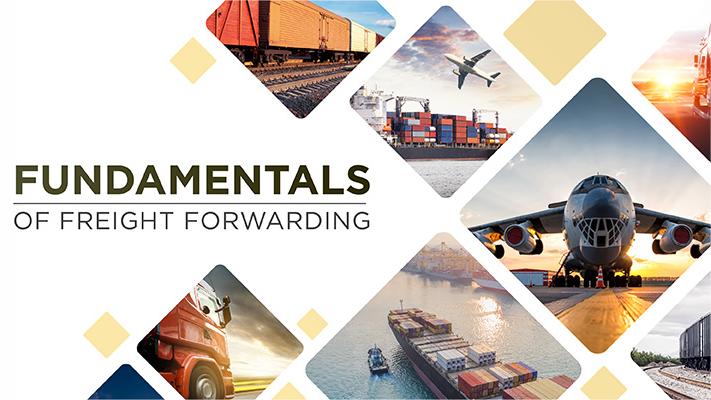
When planning your supply chain, comparing rail freight with other modes like sea and air is essential. Each method offers distinct advantages and disadvantages regarding cost, speed, and capacity. Your choice ultimately depends on your specific business requirements and priorities. Therefore, a comprehensive analysis is necessary.
For instance, while sea freight remains the most economical option for large volumes, its transit times are significantly longer. Air freight offers unparalleled speed but comes with a much higher price tag. Rail freight, conversely, strikes a balance between these two extremes. Consequently, it provides a unique value proposition.
Consider the impact of current market conditions, such as the Red Sea disruptions affecting sea routes, or air cargo capacity fluctuations. These external factors can significantly influence freight rates and transit times. Therefore, remaining flexible and informed about logistics trends is vital. This adaptability helps optimize your delivery schedule.
| Shipping Method | Cost Range (per kg) | Transit Time | Best For | Limitations |
|---|---|---|---|---|
| Rail Freight | $0.80 – $1.50 | 16-20 days | Medium-volume, time-sensitive goods | Less capacity than sea, higher than air |
| Sea Freight | $0.10 – $0.30 | 30-40 days | Large volumes, non-urgent, heavy/bulky | Long transit times, port congestion |
| Air Freight | $4.00 – $8.00 | 3-7 days | High-value, urgent, small/light cargo | Highest cost, limited capacity for large items |
Decision Framework: Which Shipping Option Suits Your Needs?
Choosing the right shipping method from China to the Netherlands depends on several critical factors. Your budget, desired speed, and the specific nature of your cargo all play significant roles. Understanding these trade-offs is crucial for making an informed decision. This framework guides your selection process.
If budget is your primary priority and time is not critical, sea freight is typically the most cost-effective choice for large shipments. However, be prepared for longer transit times and potential port delays. This method is ideal for goods with stable demand.
Conversely, if speed is paramount for high-value or perishable goods, air freight offers the fastest delivery. While significantly more expensive, it ensures quick market entry or urgent replenishment. This option is best for time-sensitive supply chains.
For a balanced approach, railway shipping China to Netherlands offers a middle ground. It provides faster transit than sea freight at a fraction of air freight costs. This makes it suitable for a wide range of products, especially those with moderate urgency. Consider it for consistent, reliable delivery schedules.
Furthermore, cargo type considerations are vital. Bulky, heavy, or hazardous materials might be better suited for sea or rail. Smaller, lighter, or high-value electronics often benefit from air transport. Always assess the specific requirements of your goods.
Volume thresholds also influence decisions. For shipments under 15 CBM, LCL (Less than Container Load) sea freight or rail LCL might be economical. However, for larger volumes, FCL (Full Container Load) rail or sea freight becomes more cost-efficient. Consult with logistics experts to determine the optimal solution.
Note: Freight rates are subject to change based on fuel costs, carrier capacity, and seasonal demand. Contact us for a current quote tailored to your specific shipment.
Essential Steps for Railway Shipping from China to Netherlands
Successfully executing railway shipping from China to the Netherlands involves several key stages. Partnering with an experienced freight forwarder simplifies this complex process considerably. They can guide you through documentation, customs, and logistics coordination. This partnership ensures a smooth and efficient transit.
Initially, you must prepare all necessary export documentation in China. This includes commercial invoices, packing lists, and certificates of origin. Proper documentation is critical to avoid delays at customs checkpoints. Therefore, meticulous attention to detail is paramount.
Subsequently, cargo consolidation and booking occur at the origin rail hub. Your goods will be loaded into appropriate containers, either FCL or LCL, depending on volume. Booking well in advance is advisable, especially during peak seasons, to secure space. This proactive approach helps manage your delivery schedule effectively.
As the train traverses various countries, customs clearance procedures are managed by the freight forwarder at each border. Upon arrival in Europe, typically Germany, further customs processing occurs before final onward transport to the Netherlands. Services like customs brokerage are invaluable here.
Finally, the cargo undergoes the last mile delivery within the Netherlands. This often involves trucking from the European rail terminal to your specified warehouse or distribution center. A reliable door-to-door service ensures seamless delivery from start to finish. This comprehensive approach minimizes your logistical burden.
Understanding Cost Factors for Railway Shipping China to Netherlands
The cost of railway shipping from China to the Netherlands is influenced by several variables. These include cargo volume and weight, chosen service type (FCL or LCL), and current market freight rates. Understanding these factors helps in budgeting and optimizing your shipping strategy. Furthermore, seasonal demand can impact pricing.
Typically, FCL (Full Container Load) offers better per-unit costs for larger shipments. LCL (Less than Container Load) is more suitable for smaller volumes, where you share container space with other shippers. While LCL might seem cheaper upfront, FCL can be more economical above a certain volume threshold. Consequently, careful calculation is required.
Beyond the base rail freight, other charges contribute to the total landed cost. These often include origin charges (e.g., terminal handling, documentation), customs clearance fees, and destination charges. Always request a comprehensive quote to avoid unexpected expenses. This transparency is crucial for financial planning.
Market conditions, such as fuel surcharges and carrier capacity, also play a significant role in pricing fluctuations. For example, during peak seasons or periods of high demand, rates can increase by 15-25%. Staying informed about these logistics trends helps in forecasting shipping costs accurately. Therefore, planning ahead is beneficial.
Real-World Success: Case Studies in Railway Shipping China to Netherlands
Case Study 1: Electronics Importer Opts for Rail for Faster Market Entry
A Dutch electronics distributor needed to quickly replenish stock of consumer gadgets without the high cost of air freight. They opted for railway shipping from China to the Netherlands to balance speed and budget. This decision allowed them to capture early market demand effectively.
| Item | Detail |
|---|---|
| Route | Shenzhen, China -> Rotterdam, Netherlands |
| Cargo | Consumer electronics, 18 CBM, 6,500 kg |
| Container | LCL 18 CBM |
| Shipping Details | |
| – Carrier/Service | Major rail operator |
| – Port of Loading | Zhengzhou Rail Terminal |
| – Port of Discharge | Tilburg Rail Terminal |
| – Route Type | Direct rail via Kazakhstan, Belarus, Poland, Germany |
| Cost Breakdown (Estimated, Q3 2024 rates) | |
| – Rail Freight | $2,700 |
| – Origin Charges (THC, documentation) | $450 |
| – Destination Charges | $600 |
| – Customs & Duties (estimated) | $1,200 |
| – Total Landed Cost | $4,950 |
| Timeline | |
| – Booking to Loading | 4 days |
| – Rail Transit | 18 days |
| – Customs Clearance | 2 days |
| – Total Door-to-Door | 24 days |
| Key Insight | Rail freight offered a 50% reduction in transit time compared to sea freight, enabling faster product launches and competitive advantage. |
Case Study 2: Apparel Brand Manages Seasonal Stock with FCL Rail
An apparel brand in Amsterdam needed to import seasonal clothing collections efficiently for an upcoming sales period. They chose FCL railway shipping to ensure dedicated container space and predictable delivery. This strategy was vital for timely inventory management.
| Item | Detail |
|---|---|
| Route | Wuhan, China -> Rotterdam, Netherlands |
| Cargo | Textile goods, 40HQ container, 10,000 kg |
| Container | 40HQ |
| Shipping Details | |
| – Carrier/Service | Major rail operator |
| – Port of Loading | Wuhan Rail Terminal |
| – Port of Discharge | Duisburg Rail Terminal (onward to Netherlands by truck) |
| – Route Type | Direct rail via Russia, Belarus, Poland, Germany |
| Cost Breakdown (Estimated, Q4 2024 peak rates) | |
| – Rail Freight | $6,200 |
| – Origin Charges (THC, documentation) | $750 |
| – Destination Charges | $850 |
| – Customs & Duties (estimated) | $2,500 |
| – Total Landed Cost | $10,300 |
| Timeline | |
| – Booking to Loading | 5 days |
| – Rail Transit | 19 days |
| – Customs Clearance | 3 days |
| – Total Door-to-Door | 27 days |
| Key Insight | Despite Q4 peak season rates, rail offered a reliable and cost-effective solution for large-volume, time-sensitive fashion inventory. |
Optimizing Your Supply Chain: Rail and Hybrid Solutions for China to Netherlands
To truly optimize your logistics, consider integrating rail freight into a broader, multi-modal strategy. Hybrid solutions, such as sea-rail or air-rail combinations, can offer enhanced flexibility and efficiency. This approach allows businesses to adapt to varying market conditions and product requirements. Therefore, strategic planning is essential.
For example, a sea-rail solution might involve shipping goods by sea to a European port, then transferring to rail for inland distribution. This can be cost-effective for goods that don’t require the full speed of direct rail. It combines the economy of ocean freight with the speed of European rail networks. This hybrid model offers significant advantages.
Conversely, an air-rail combination could involve urgent components flown to a central European hub, then distributed by rail to the Netherlands. This blend offers rapid initial transit for critical parts, followed by efficient land transport. Such a strategy is particularly useful for complex supply chains.
Collaborating with a knowledgeable freight forwarder like Top China Freight is crucial for implementing these complex strategies. They can advise on the best routes, manage customs, and ensure seamless transitions between different transport modes. This expertise helps navigate the intricacies of international shipping. Consider their rail freight services for tailored solutions.
Conclusion: The Future of Railway Shipping China to Netherlands
In summary, railway shipping from China to the Netherlands presents a compelling and increasingly popular logistics solution. It effectively balances the speed of air freight with the cost-efficiency of sea freight, making it ideal for a wide range of goods. This method offers reliability, reduced transit times, and a lower environmental impact. Consequently, it supports modern supply chain demands.
As global trade evolves, the New Silk Road continues to strengthen its position as a vital artery for East-West commerce. Businesses prioritizing predictable delivery schedules and sustainable practices will find rail freight an indispensable tool. Partnering with experienced logistics providers ensures a seamless and optimized shipping experience. Consider this option for your next international shipment.
Ready to streamline your logistics?
Ready to explore the benefits of railway shipping from China to the Netherlands for your business? Contact our expert team today for a personalized consultation and a competitive quote. We are here to help you optimize your supply chain and achieve efficient, reliable cargo delivery. Visit Top China Freight to learn more about our comprehensive logistics solutions.
Request Quote