
Railway Shipping China to Singapore: Multimodal Logistics Explained
Exploring optimal shipping routes from China to Singapore is crucial for businesses aiming for efficient supply chains. While direct railway shipping China to Singapore isn’t geographically feasible, integrated multimodal solutions leveraging rail and sea offer robust alternatives. Top China Freight specializes in navigating these complex logistics, ensuring your cargo reaches its destination efficiently and cost-effectively.
Understanding Railway Shipping from China to Singapore
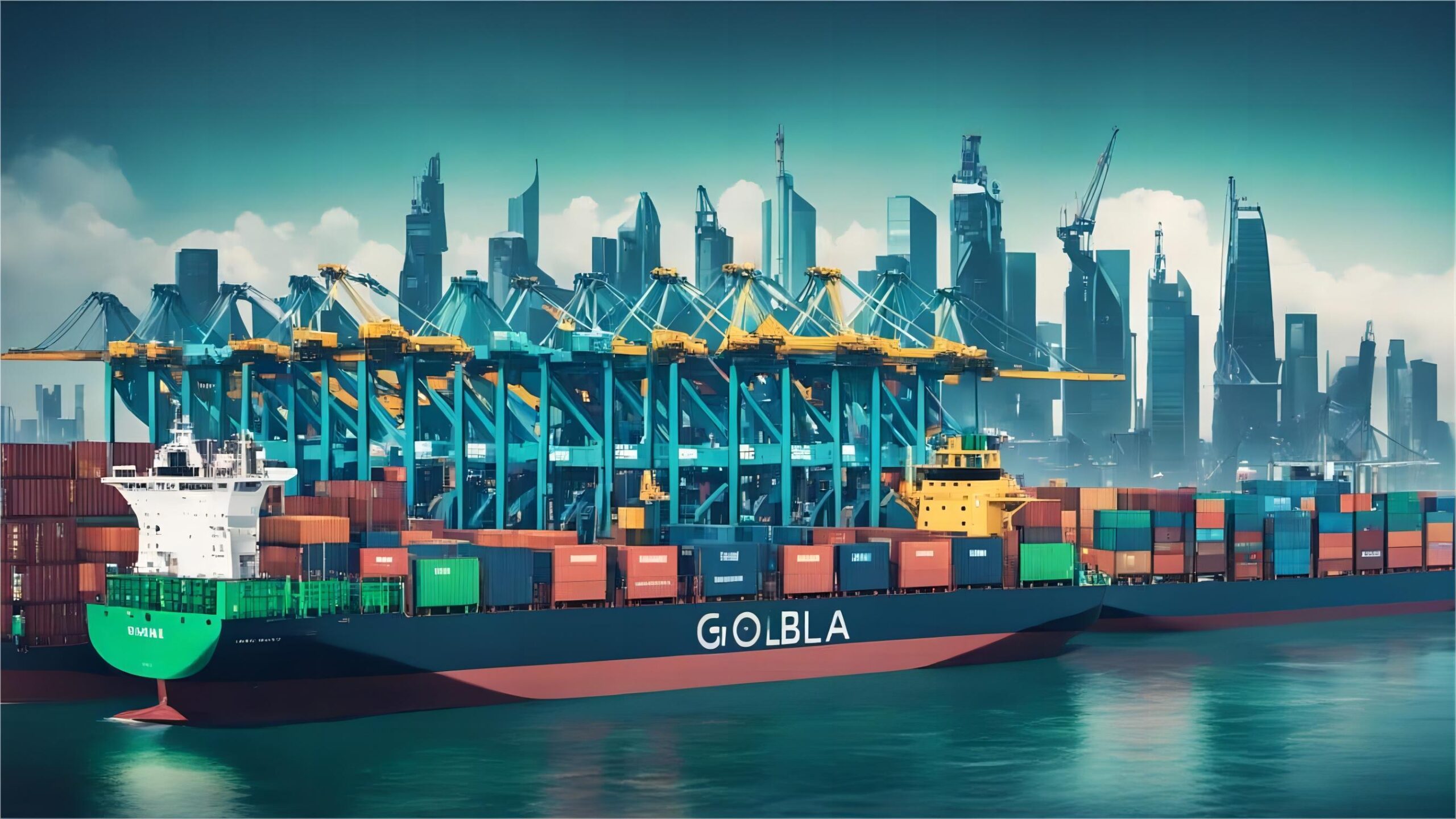
Many businesses inquire about direct railway shipping China to Singapore, seeking a balance between speed and cost. However, a direct rail link between mainland China and the island nation of Singapore does not exist. The geographical distance and maritime separation necessitate alternative approaches.
Consequently, freight forwarders focus on multimodal transport options. These solutions combine different modes of transport, primarily rail and sea, to bridge the geographical gap. This strategy ensures efficient cargo movement across various legs of the journey.
The Reality: Combined Transport Solutions for China to Singapore
Given the absence of direct rail, the most practical and efficient method for leveraging rail involves a combination of rail and sea freight. This hybrid approach typically begins with rail transport from inland Chinese cities to major coastal ports, followed by ocean shipping to Singapore.
For instance, goods from manufacturing hubs like Chongqing or Xi’an can utilize China’s extensive rail network to reach ports such as Shanghai, Ningbo, or Shenzhen. Subsequently, these goods are loaded onto container vessels bound for Singapore. This method optimizes transit times for inland origins.
This combined approach offers a viable solution for businesses looking to benefit from rail’s efficiency for inland legs while relying on maritime routes for intercontinental transit. Therefore, it’s essential to plan your logistics strategy with this multimodal reality in mind, choosing the right partners for seamless execution.
Key Considerations for Shipping from China to Singapore
When planning your freight from China to Singapore, several critical factors demand attention. These include the type of cargo, urgency of delivery, and overall budget. Each element significantly influences the choice of shipping method and the associated logistics.
Moreover, understanding the intricacies of customs regulations, import duties, and local delivery options in Singapore is paramount. A well-planned logistics strategy minimizes delays and avoids unexpected costs. Effective planning ensures a smoother supply chain process.
Furthermore, selecting a reliable freight forwarder is vital. An experienced partner can navigate complex routes, manage documentation, and provide real-time updates. This support is invaluable for maintaining transparency and control over your shipments.
How Does Rail-Sea Freight Compare to Other Shipping Options?
For shipments from China to Singapore, businesses primarily consider sea freight and air freight, with combined rail-sea being a specialized option. Each method offers distinct advantages and disadvantages concerning cost, transit time, and cargo suitability. Consequently, choosing the right method depends heavily on specific business needs.
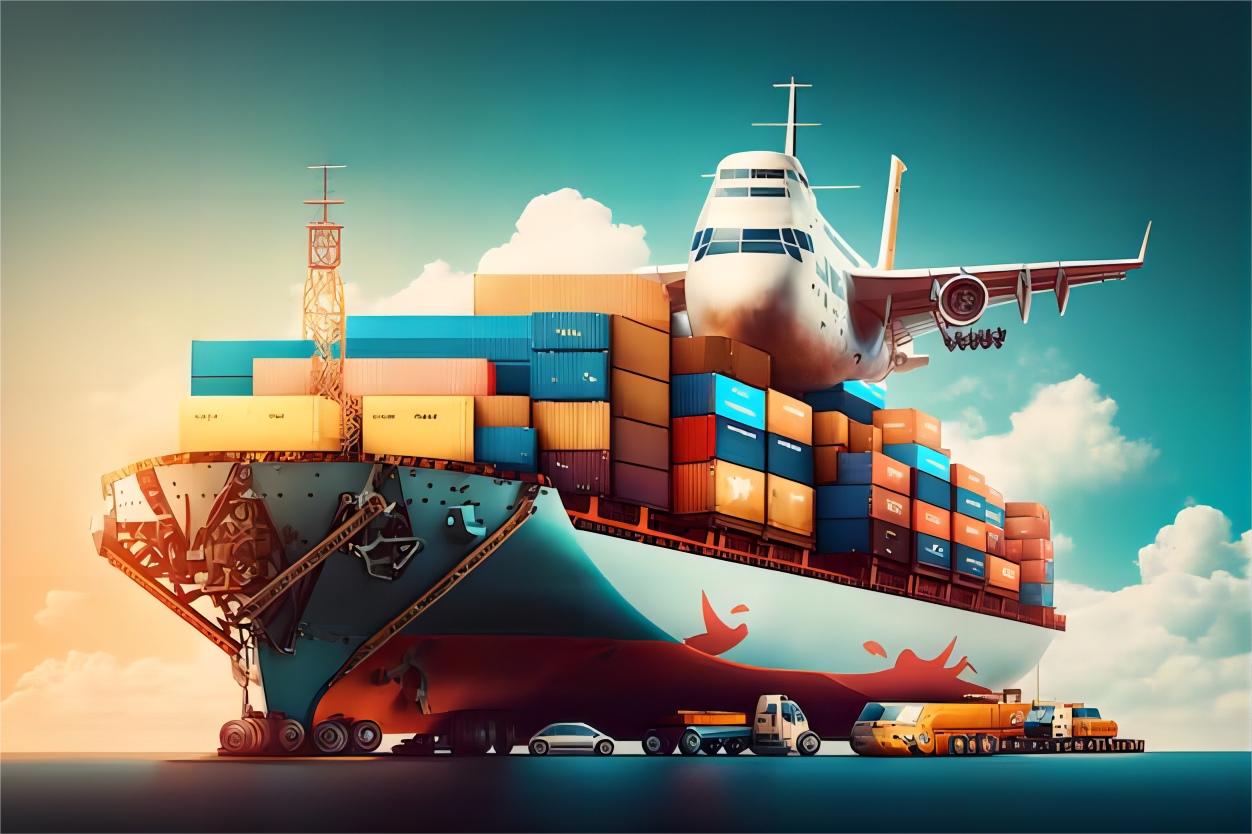
Sea freight remains the most economical choice for bulk or heavy cargo, albeit with longer transit times. Conversely, air freight provides unparalleled speed but comes at a significantly higher cost. Multimodal solutions, incorporating rail freight, offer a middle ground for inland origins.
Below is a detailed comparison to help you understand the trade-offs involved in each shipping method. This overview aims to clarify which option might best suit your logistical requirements, considering various factors.
| Shipping Method | Cost Range (per kg/CBM) | Transit Time (Days) | Best For | Limitations |
|---|---|---|---|---|
| Sea Freight (FCL/LCL) | Low ($20-50/CBM) | 7-15 | Bulk, heavy, non-urgent goods | Slowest, port-to-port only |
| Air Freight | High ($4-8/kg) | 2-5 | Urgent, high-value, perishable goods | Most expensive, volume/weight restrictions |
| Rail-Sea Combined | Medium ($30-70/CBM) | 12-20 | Inland China origins, balanced speed/cost | Requires transshipment, specific rail routes |
Optimizing Your Shipping Strategy: Cost-Saving Tips
To effectively manage shipping costs for your China to Singapore route, several strategies can be employed. Firstly, consider consolidating multiple smaller shipments into a single, larger consignment. This often reduces per-unit freight rates significantly, especially for sea freight.
Secondly, explore the benefits of Less than Container Load (LCL) shipping if your cargo volume doesn’t fill a full container. LCL allows you to share container space and costs with other shippers. However, be mindful of potential delays due to consolidation and deconsolidation processes.
Additionally, planning shipments well in advance helps avoid peak season surcharges and urgent shipping premiums. Flexibility with transit times can also unlock more economical routing options. Furthermore, engaging a freight forwarder with strong carrier relationships can secure better rates and service levels.
Real-World Shipping Scenarios: Case Studies
Understanding real-world applications helps illustrate the complexities and solutions in shipping from China to Singapore. These case studies provide practical insights into different cargo types, shipping methods, and resulting timelines and costs. They demonstrate how tailored logistics plans can address specific business needs.
These examples reflect typical scenarios and market conditions. Actual rates and transit times may vary based on specific circumstances, carrier availability, and market fluctuations. It is always advisable to obtain a current quote for precise planning. Based on Q3 2024 market rates, these examples offer a realistic perspective.
Case Study 1: Electronics Components via Combined Rail-Sea
| Detail | Description |
|---|---|
| Route | Chongqing, China -> Singapore |
| Cargo | High-value electronics components, 15 CBM, 4500 kg |
| Container | LCL 15 CBM |
| Shipping Details | Carrier: Major carrier, Port of Loading: Shanghai, Port of Discharge: Singapore, Route Type: Rail from Chongqing to Shanghai, then Sea to Singapore |
| Cost Breakdown | Rail Freight (inland): $550, Ocean Freight: $750, Origin Charges: $200, Destination Charges: $250, Customs & Duties (estimated): $300, Total Landed Cost: $2050 |
| Timeline | Booking to Loading: 3 days, Rail Transit: 5 days, Sea Transit: 8 days, Customs Clearance: 2 days, Total Door-to-Door: 18 days |
| Key Insight | Leveraging rail for inland transport significantly reduced overall transit time compared to road-only options to port, balancing speed and cost for sensitive cargo. |
Case Study 2: Furniture Shipment via Sea Freight (FCL)
| Detail | Description |
|---|---|
| Route | Foshan, China -> Singapore |
| Cargo | Flat-pack furniture, 28 CBM, 8000 kg |
| Container | 20GP |
| Shipping Details | Carrier: COSCO, Port of Loading: Shenzhen, Port of Discharge: Singapore, Route Type: Direct Sea Freight |
| Cost Breakdown | Ocean Freight: $650, Origin Charges (THC, documentation): $180, Destination Charges: $220, Customs & Duties (estimated): $200, Total Landed Cost: $1250 |
| Timeline | Booking to Loading: 4 days, Sea Transit: 9 days, Customs Clearance: 2 days, Total Door-to-Door: 15 days |
| Key Insight | Full Container Load (FCL) offered the most cost-effective solution for a large volume of non-urgent goods, with minimal handling risks. |
Case Study 3: Urgent Samples via Air Freight
| Detail | Description |
|---|---|
| Route | Guangzhou, China -> Singapore |
| Cargo | Electronic product samples, 0.5 CBM, 150 kg |
| Container | Air Cargo |
| Shipping Details | Carrier: Cathay Pacific Cargo, Airport of Origin: Guangzhou Baiyun (CAN), Airport of Destination: Singapore Changi (SIN), Route Type: Direct Air Freight |
| Cost Breakdown | Air Freight: $900, Origin Charges: $100, Destination Charges: $80, Customs & Duties (estimated): $50, Total Landed Cost: $1130 |
| Timeline | Booking to Loading: 1 day, Air Transit: 1 day, Customs Clearance: 1 day, Total Door-to-Door: 3 days |
| Key Insight | For time-sensitive and high-value samples, express service via air freight was indispensable, ensuring rapid market entry and client satisfaction despite higher costs. |
Which Shipping Option Should You Choose?
Selecting the ideal shipping method from China to Singapore requires a clear understanding of your priorities. The decision framework below helps align your logistical choices with your business objectives. Carefully consider your budget, urgency, and cargo characteristics.
If budget is your primary concern, sea freight (FCL or LCL) is almost always the most economical choice. However, be prepared for longer transit times. For instance, a 20GP container might cost $600-1000 but take 7-15 days.
Conversely, if speed is paramount, air freight is the undisputed winner, delivering goods in 2-5 days. This is ideal for urgent orders, high-value items, or perishable goods, though at a significantly higher price point. Rail-sea combined transport offers a balanced approach for inland China origins.
For cargo type considerations, fragile or high-value goods might benefit from air freight’s quicker handling and reduced exposure. Bulk commodities or oversized items are best suited for sea freight. Volume thresholds also play a role; shipments above 15 CBM often become more cost-effective via FCL sea freight than LCL, or even air freight.
Navigating Customs and Documentation for Singapore Imports
Importing goods into Singapore requires meticulous attention to customs procedures and documentation. Singapore’s customs regulations are generally streamlined, but errors can lead to significant delays and penalties. Consequently, understanding these requirements upfront is crucial for smooth cargo flow.
Key documents typically include the commercial invoice, packing list, bill of lading (for sea freight) or air waybill (for air freight), and certificate of origin. Depending on the product, additional permits or licenses from Singaporean authorities might be necessary. This is especially true for controlled goods.
Furthermore, accurate Harmonized System (HS) codes are essential for correct duty and Goods and Services Tax (GST) assessment. Singapore levies a 9% GST on most imports, with duties applicable to specific categories like alcohol and tobacco. Engaging a professional customs brokerage service can significantly simplify this process and ensure compliance.
Why Choose Top China Freight for Your Shipments?
Choosing the right logistics partner for your railway shipping China to Singapore needs (or combined rail-sea) is critical for supply chain success. Top China Freight offers comprehensive solutions tailored to your specific requirements. We leverage extensive experience and a robust network to provide reliable and efficient services.
Our expertise spans across various shipping methods, including sea, air, and multimodal transport. We provide end-to-end logistics support, from origin pickup to door-to-door delivery in Singapore. Our team ensures seamless coordination and proactive communication throughout the entire shipping process. This commitment guarantees peace of mind for our clients.
Conclusion: Navigating Your China to Singapore Logistics
While direct railway shipping China to Singapore is not an option, efficient multimodal strategies seamlessly connect these vital trade hubs. By combining rail and sea freight, businesses can achieve a balanced approach to speed and cost. Understanding the nuances of each shipping method, along with customs regulations, is paramount for success.
Ultimately, partnering with an experienced freight forwarder like Top China Freight ensures your cargo reaches Singapore reliably and cost-effectively. We are dedicated to optimizing your supply chain and providing transparent, efficient logistics solutions tailored to your unique requirements. Make an informed decision to enhance your international trade operations.
Ready to streamline your logistics?
Ready to streamline your shipping from China to Singapore? Contact us today for a personalized quote and expert advice on the best logistics solutions for your business. Let Top China Freight simplify your international shipping needs. Visit our website to learn more.
Request Quote