
Efficient logistics are vital in the renewable energy industry. Understanding the Reefer FCL best route for solar panels from China to Germany helps manufacturers and distributors ensure timely, temperature-controlled deliveries while reducing transit risks. Because solar modules are delicate and heat-sensitive, a reliable Reefer container route with proper temperature control and optimized transit time is key to maintaining quality during long-distance shipping.

Why Use Reefer FCL Containers for Solar Panels?
Reefer containers are designed to maintain stable temperatures, protecting sensitive photovoltaic panels from moisture, condensation, or overheating during sea transport.
| Container Type | Temperature Range (°C) | Volume (CBM) | Best For |
|---|---|---|---|
| 20’ Reefer FCL | -25 to +25 | 28 | Small solar panels, accessories |
| 40’ Reefer FCL | -25 to +25 | 58 | Large shipments, fragile equipment |
| 40HQ Reefer | -25 to +25 | 67 | Oversized panel packaging |
Furthermore, FCL (Full Container Load) ensures exclusive use of the container—ideal for high-value solar panels requiring precise climate and vibration control throughout the voyage.
What Are the Best Sea Routes from China to Germany?
The most efficient Reefer FCL shipping routes connect major Chinese ports to German gateways like Hamburg and Bremerhaven.
| Port of Loading (China) | Destination Port (Germany) | Average Transit Time | Recommended Route |
|---|---|---|---|
| Shanghai | Hamburg | 29–33 days | Direct via Suez Canal |
| Shenzhen (Yantian) | Bremerhaven | 30–34 days | Via Singapore–Suez Canal |
| Ningbo | Hamburg | 31–35 days | Via Colombo–Suez Canal |
| Qingdao | Hamburg | 32–36 days | Northern route via Suez Canal |
The Shanghai–Hamburg route is currently the fastest and most stable option, supported by weekly vessel schedules and strong reefer infrastructure at both ports.
What Factors Affect Transit Time for Solar Panel Shipments?
Several variables influence total Reefer FCL delivery time from China to Germany:
- Port congestion in major Chinese terminals during peak seasons.
- Weather conditions along the Suez route, especially around the Mediterranean.
- Customs processing and EU import inspections for renewable energy goods.
- Transshipment delays when routes connect through Singapore or Colombo.
- Carrier schedules and vessel capacity for refrigerated containers.
Planning shipments during off-peak months and booking early can minimize these transit disruptions.
How to Plan the Optimal Reefer FCL Route from China to Germany
Choosing the right route depends on cargo priority, temperature requirements, and cost tolerance.
| Shipping Route | Transit Time | Reliability | Estimated Cost (USD/40’ Reefer) |
|---|---|---|---|
| Shanghai–Hamburg (Direct) | 29–33 days | ★★★★★ | $5,300–5,700 |
| Shenzhen–Bremerhaven (via Singapore) | 31–34 days | ★★★★☆ | $5,100–5,400 |
| Ningbo–Hamburg (via Colombo) | 32–35 days | ★★★★☆ | $5,200–5,600 |
| Qingdao–Hamburg (Northern Route) | 33–36 days | ★★★☆☆ | $5,000–5,300 |
The direct Shanghai–Hamburg service is generally the best route due to faster schedules and stable container availability.
Case Studies: Reefer FCL Shipments for Solar Panels
Case 1 – Solar Panel Export from Shanghai to Hamburg
Cargo Volume: 42 CBM (polycrystalline solar panels)
Container Type: 40’ Reefer FCL
Temperature: Maintained at +20°C
Freight Cost: USD 5,450
Transit Time: 31 days
Result: No humidity damage, delivered on schedule for German solar park installation.
Case 2 – Inverter and Module Sets from Ningbo to Bremerhaven
Cargo Weight: 25 tons
Freight Mode: Reefer FCL with temperature monitoring
Transit Duration: 33 days
Cost: USD 5,250
Outcome: Arrived intact; customs cleared in 48 hours via pre-filed EORI entry.
Customs and Documentation for Solar Panel Exports
Solar panels entering Germany fall under the EU’s renewable energy import classification. Exporters must provide full documentation to avoid customs delays.
| Document | Purpose | Issued By |
|---|---|---|
| Commercial Invoice | Declares product value and HS code | Exporter |
| Packing List | Describes packaging and cargo details | Shipper |
| Bill of Lading | Contract of carriage | Carrier |
| Certificate of Origin | Confirms Chinese manufacture | Chamber of Commerce |
| CE Certificate | Confirms compliance with EU safety | Manufacturer |
| Insurance Certificate | Protects against loss or damage | Insurer |
| EORI Number | Required for EU customs entry | Importer |
Submitting all digital copies before vessel arrival ensures clearance within 1–2 business days in Germany.
Cost Comparison: Reefer FCL vs Other Shipping Methods
| Mode | Average Cost (USD/CBM) | Transit Time | Best For | Remarks |
|---|---|---|---|---|
| Reefer FCL | 150–170 | 30–34 days | Sensitive solar modules | Temperature control required |
| Standard FCL | 120–140 | 28–32 days | Durable cargo | No temperature protection |
| Air Freight | 1,200–1,400 | 4–6 days | Urgent small shipments | High cost |
| Rail Freight | 250–280 | 22–25 days | Balanced speed & cost | Limited reefer capacity |
While Reefer FCL is slightly more expensive, it’s essential for temperature-sensitive photovoltaic shipments requiring stable environmental conditions.
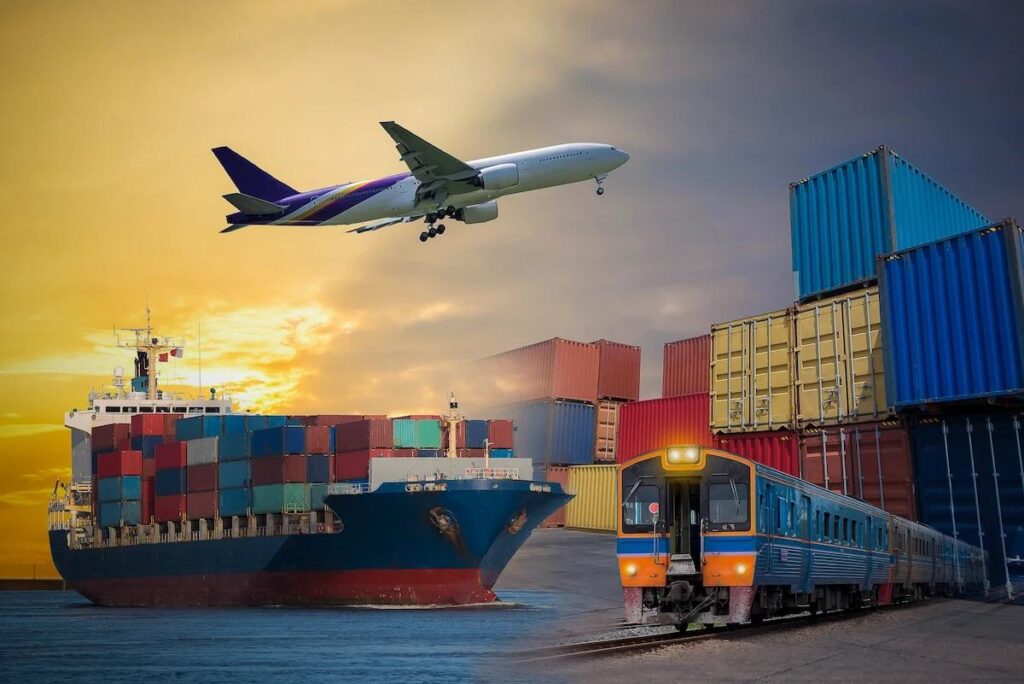
How Freight Forwarders Optimize Reefer FCL Routes
Professional freight forwarders play a crucial role in minimizing shipping risks and optimizing transit efficiency.
- Carrier selection: Choosing reliable liners like COSCO, MSC, or Maersk with strong reefer fleets.
- Real-time tracking: Using IoT monitoring for temperature, humidity, and location.
- Customs pre-clearance: Filing documentation through Germany’s ATLAS system.
- Insurance and inspection: Securing marine insurance and pre-loading container checks.
- Door-to-door coordination: Managing inland trucking or rail connections within Germany.
TopChinaFreight, for example, provides integrated Reefer FCL shipping solutions with real-time monitoring and optimized routes for solar panel exporters.
Conclusion
In conclusion, choosing the Reefer FCL best route for solar panels from China to Germany involves analyzing transit time, carrier reliability, and cargo protection requirements. The Shanghai–Hamburg route remains the top choice for its consistent sailing schedules and robust reefer infrastructure.
Working with trusted forwarders such as TopChinaFreight ensures you receive professional routing, temperature monitoring, and customs support for your renewable energy shipments.
- Consult TJ China Freight Forwarding for the lowest quote. They will provide you with reliable, cost-effective service.
FAQ:
Q1.How long does Reefer FCL shipping take from China to Germany?
It usually takes 29–35 days, depending on the origin port, carrier schedule, and customs processing time.
Q2.Why use Reefer containers for solar panels?
Reefer containers maintain stable temperature and humidity, preventing microcracks or oxidation in solar panel modules during sea transport.
Q3.Which port in Germany is best for Reefer FCL shipments?
Hamburg is preferred for its strong reefer facilities and fast rail connections to major German cities.
Q4.What is the temperature setting for solar panel shipments?
Typically between +18°C and +25°C, ensuring module safety against temperature fluctuations and moisture exposure.
Q5.How can I reduce Reefer FCL freight costs?
Book early, consolidate shipments, and work with forwarders who negotiate block-space agreements for reefer containers.