


Reefer FCL booking process for textiles from China to Texas
Managing the Reefer FCL booking process for textiles from China to Texas requires precision and a deep understanding of cold chain logistics to protect delicate fabrics. Textile importers often face challenges with moisture damage and mold during long ocean transits across the Pacific. Partnering with Top China Freight ensures that your high-value materials remain in pristine condition throughout the journey from Chinese factories to Texan warehouses.
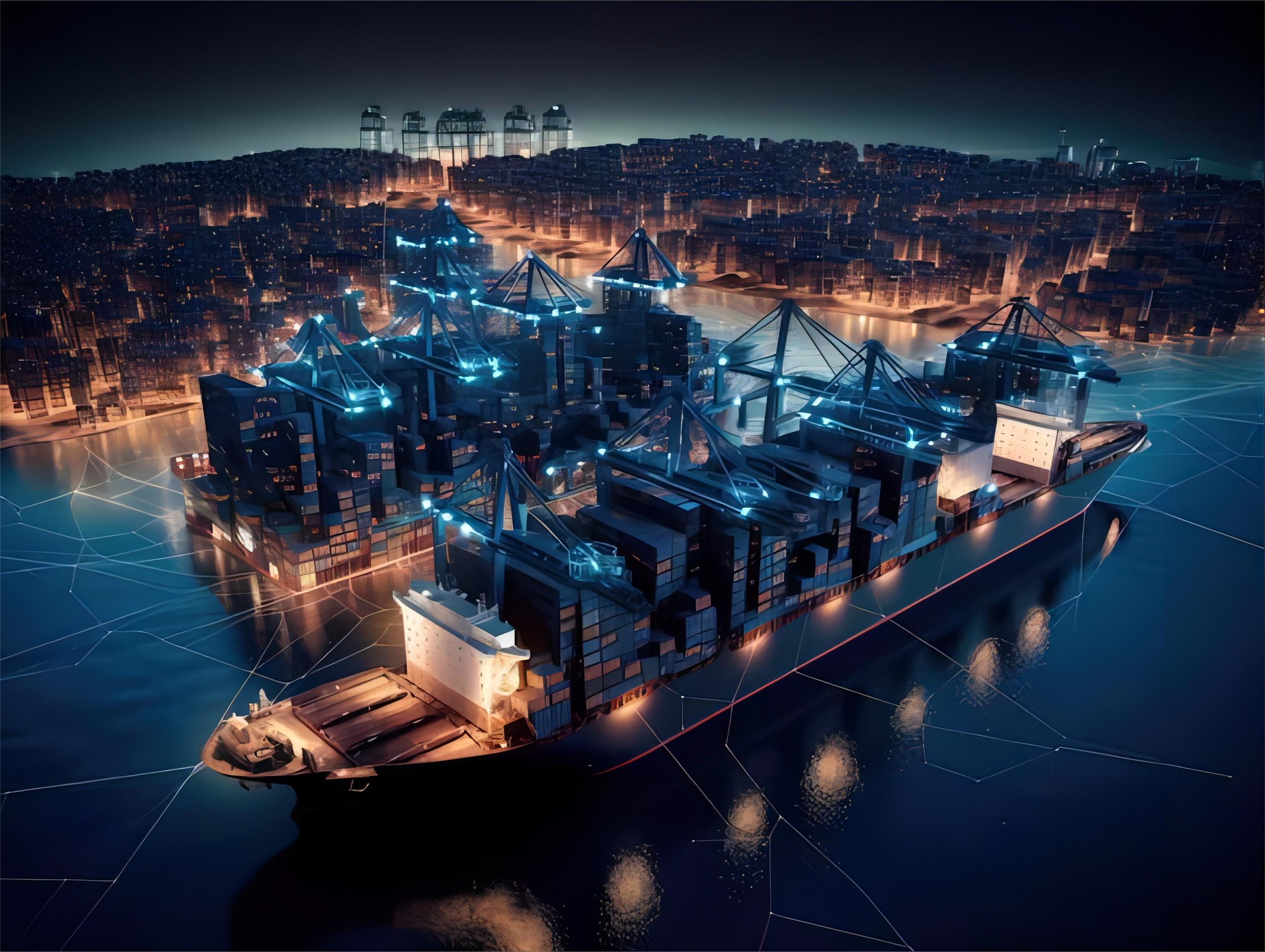
What is the Reefer FCL booking process for textiles from China to Texas?
Specifically, the Reefer FCL booking process for textiles from China to Texas involves reserving a full refrigerated container dedicated solely to your fabric cargo. While many associate reefer units with food, high-end textiles like silk, organic cotton, and specialized synthetics require temperature and humidity control to prevent degradation. Consequently, this specialized shipping method offers a controlled environment that standard dry containers cannot provide.
Choosing a full container load (FCL) ensures that your goods are not mixed with other shippers’ products, reducing the risk of contamination or physical damage. Moreover, the booking process starts with identifying the specific requirements of your textile type, such as the ideal temperature range and ventilation settings. Therefore, understanding these technical parameters is essential before contacting your freight forwarder to secure space on a vessel heading to Houston or Dallas.
Why Temperature and Humidity Control Matters for Textiles
Textiles are surprisingly sensitive to the extreme environment found inside a shipping container during a 30-day ocean voyage. For instance, temperatures inside a standard container can exceed 60 degrees Celsius when crossing the equator, leading to fiber weakening or dye bleeding. Furthermore, high humidity levels often cause ‘container rain,’ where condensation drips from the ceiling onto the fabric rolls, resulting in permanent water stains and mold growth.
Utilizing a reefer container allows importers to maintain a steady climate, typically between 15 and 20 degrees Celsius, with active dehumidification. This proactive approach significantly reduces the insurance claims associated with spoiled cargo and ensures that the retail-ready quality is maintained. Additionally, consistent air circulation prevents the buildup of stagnant odors that can linger in natural fibers like wool or linen.
Step-by-Step Guide to the Reefer FCL booking process for textiles from China to Texas
Initiating the Reefer FCL booking process for textiles from China to Texas begins with a detailed request for quote (RFQ) provided to your logistics partner. You must specify the port of loading, such as Shanghai or Ningbo, and the final destination in Texas. Once you accept the quote, the forwarder coordinates with the shipping line to release an empty reefer unit to the factory for loading.
Professional door to door services can simplify this entire sequence by managing the inland haulage and the ocean leg. After the container is packed, it undergoes a Pre-Trip Inspection (PTI) to ensure the cooling unit is functioning perfectly. Subsequently, the container is sealed and transported to the terminal for loading onto the scheduled vessel.
Required Technical Specifications
Every booking must include the set point temperature, which is the exact temperature the unit must maintain. Additionally, ventilation settings are measured in cubic meters per hour to ensure fresh air exchange if required. Furthermore, humidity control settings should be clearly stated on the Bill of Lading to hold the carrier accountable for climate maintenance.
How Does Reefer FCL Compare to Other Shipping Options?
Evaluating different transport modes is crucial for optimizing your supply chain costs and delivery timelines. While reefer containers provide the highest level of protection, they come at a premium price compared to standard dry containers. However, the cost of lost inventory due to moisture damage often outweighs the additional freight expense for high-value textile shipments.
Consider sea freight as the primary method for bulk textile imports due to its balance of capacity and cost. In contrast, air freight remains the fastest option but is prohibitively expensive for large volumes of fabric. Below is a detailed comparison of the viable shipping methods for the China to Texas route.
| Shipping Method | Cost Range | Transit Time | Best For |
|---|---|---|---|
| Reefer FCL | $4,500 – $7,500 | 30-40 Days | High-value, moisture-sensitive fabrics |
| Dry FCL | $3,000 – $5,500 | 30-40 Days | Standard textiles, low-risk climates |
| Air Freight | $15,000 – $25,000 | 5-8 Days | Urgent samples or high-fashion launches |
| LCL Shipping | $150 – $300/CBM | 35-45 Days | Small boutiques and trial shipments |
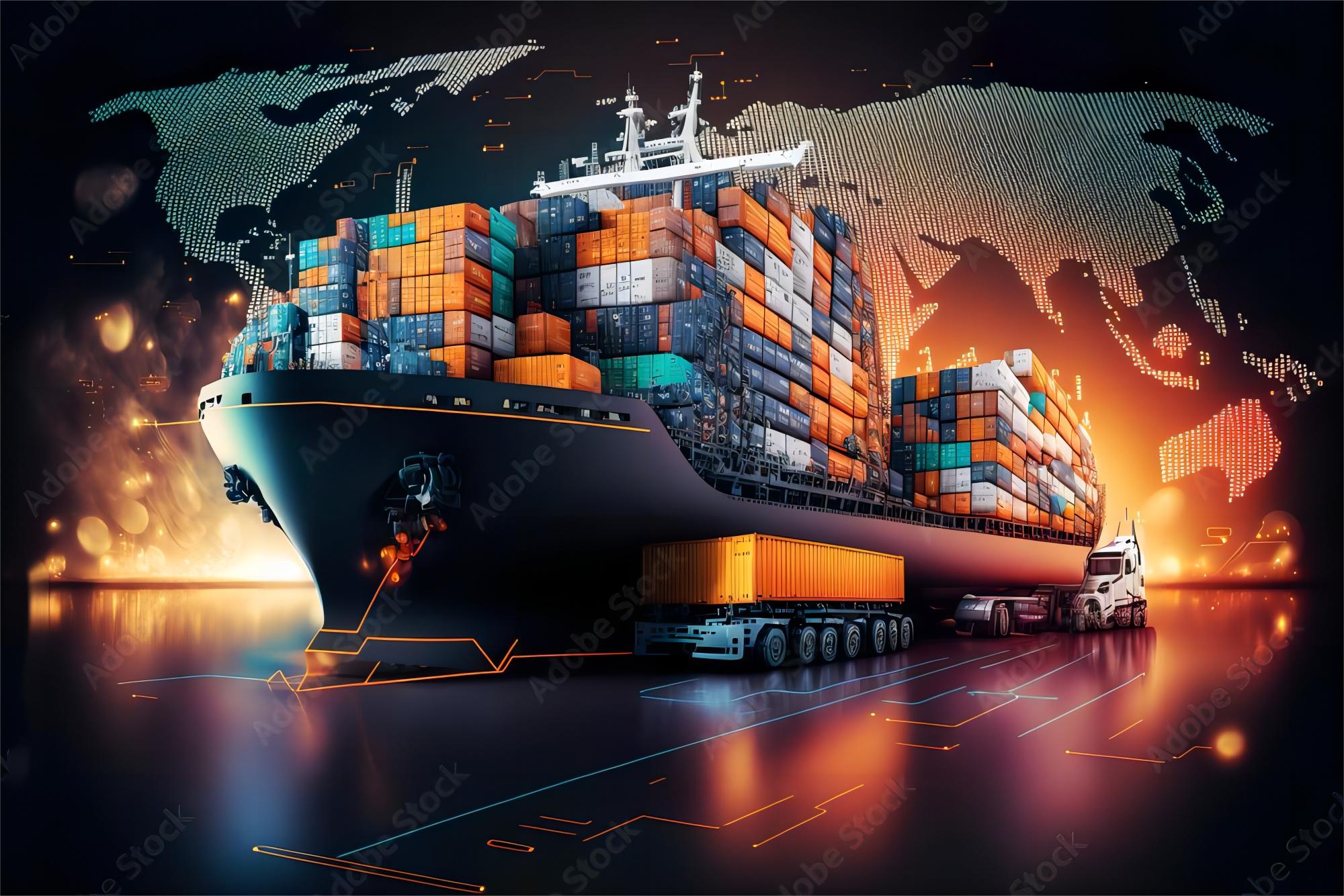
Which Option Should You Choose?
Budget priority dictates choosing standard Dry FCL if your textiles are synthetic and treated with moisture-resistant chemicals. Conversely, if you are importing luxury organic silk or delicate lace, the Reefer FCL booking process for textiles from China to Texas is the only way to guarantee product integrity. Speed priority should lead you toward air freight, despite the significantly higher environmental and financial costs.
Volume thresholds also play a role in your decision-making process. For shipments exceeding 15 cubic meters, FCL is generally more economical than Less than Container Load (LCL) options. Meanwhile, hybrid solutions like sea-air via California can offer a middle ground for those needing faster delivery than pure ocean freight but at a lower cost than direct air shipping.
Key Documentation and Customs Brokerage
Navigating the legal requirements for textile imports involves complex paperwork and adherence to trade agreements. You must provide an accurate Commercial Invoice, a detailed Packing List, and a Certificate of Origin to satisfy US Customs and Border Protection. Furthermore, specialized customs brokerage services are vital for classifying your textiles under the correct Harmonized System (HS) codes.
Incorrect HS code classification can lead to significant delays and heavy fines at the Port of Houston. Additionally, certain textiles may be subject to anti-dumping duties or specific quotas depending on current trade policies. Therefore, ensuring all documentation is prepared well in advance of the vessel’s arrival is a critical step in the Reefer FCL booking process for textiles from China to Texas.
Real-World Case Studies: Textile Shipments to Texas
Case Study 1: Premium Silk Shipment from Hangzhou to Houston. A luxury bedding brand required the transport of 20 tons of raw silk. By utilizing a 40HQ Reefer container with humidity set at 55 percent, the cargo arrived in Houston after 32 days with zero moisture damage. The total landed cost was approximately 12 percent higher than a dry container, but it saved an estimated 40,000 dollars in potential inventory loss.
Case Study 2: Organic Cotton Distribution from Qingdao to Dallas. This shipment involved 15 CBM of organic cotton yarn. The importer chose a 20GP Reefer to maintain a steady 18-degree environment. Although the transit involved a rail transfer from Houston to Dallas, the climate-controlled container protected the yarn from the intense Texas heat during the final mile delivery. Total door-to-door transit time was 38 days.
Cost Analysis: Understanding Freight Rates and Surcharges
Freight rates for reefer containers are influenced by fuel prices, seasonal demand, and equipment availability. Specifically, reefer units require a constant power supply at the terminal and on the ship, leading to higher electricity surcharges. Moreover, during the peak season from August to October, rates can spike by 20 to 30 percent due to increased competition for space.
Note: Freight rates are subject to change based on fuel costs, carrier capacity, and seasonal demand. Contact us for a current quote tailored to your specific shipment. For smaller urgent needs, you might also explore express service options for textile samples or accessories that do not require full refrigeration.
Final Thoughts on Shipping Textiles to Texas
Successfully executing the Reefer FCL booking process for textiles from China to Texas is a strategic move for any serious textile importer. By prioritizing climate control, you eliminate the risks of mold, odors, and fiber degradation that plague standard shipping methods. Furthermore, the use of professional logistics partners ensures that documentation and customs hurdles are handled with expertise.
Ultimately, while the initial cost of a reefer container is higher, the long-term benefits of product consistency and customer satisfaction are invaluable. As logistics trends evolve in 2025, staying informed about equipment availability and port conditions in Texas will remain essential for maintaining a resilient supply chain. Trusting the Reefer FCL booking process for textiles from China to Texas will keep your business competitive in the demanding American market.
Ready to streamline your logistics?
Ready to secure your supply chain? Contact us today to streamline your Reefer FCL booking process for textiles from China to Texas and receive a competitive quote within 24 hours. See how our expertise in cold chain logistics can protect your textile investments. Visit our inquiry page to get started. See: https://Top China Freight.com/contact-us/
Request Quote