

Reefer FCL Demurrage Prevention for Solar Panels from China to Netherlands
Shipping sensitive solar components requires high precision and strategic planning to avoid unnecessary costs. Managing Reefer FCL demurrage prevention for solar panels from China to Netherlands is essential for maintaining your profit margins in a competitive market. Visit Top China Freight to optimize your logistics chain and ensure your renewable energy products arrive safely and on time.
What is Reefer FCL Demurrage and Why Does It Matter?
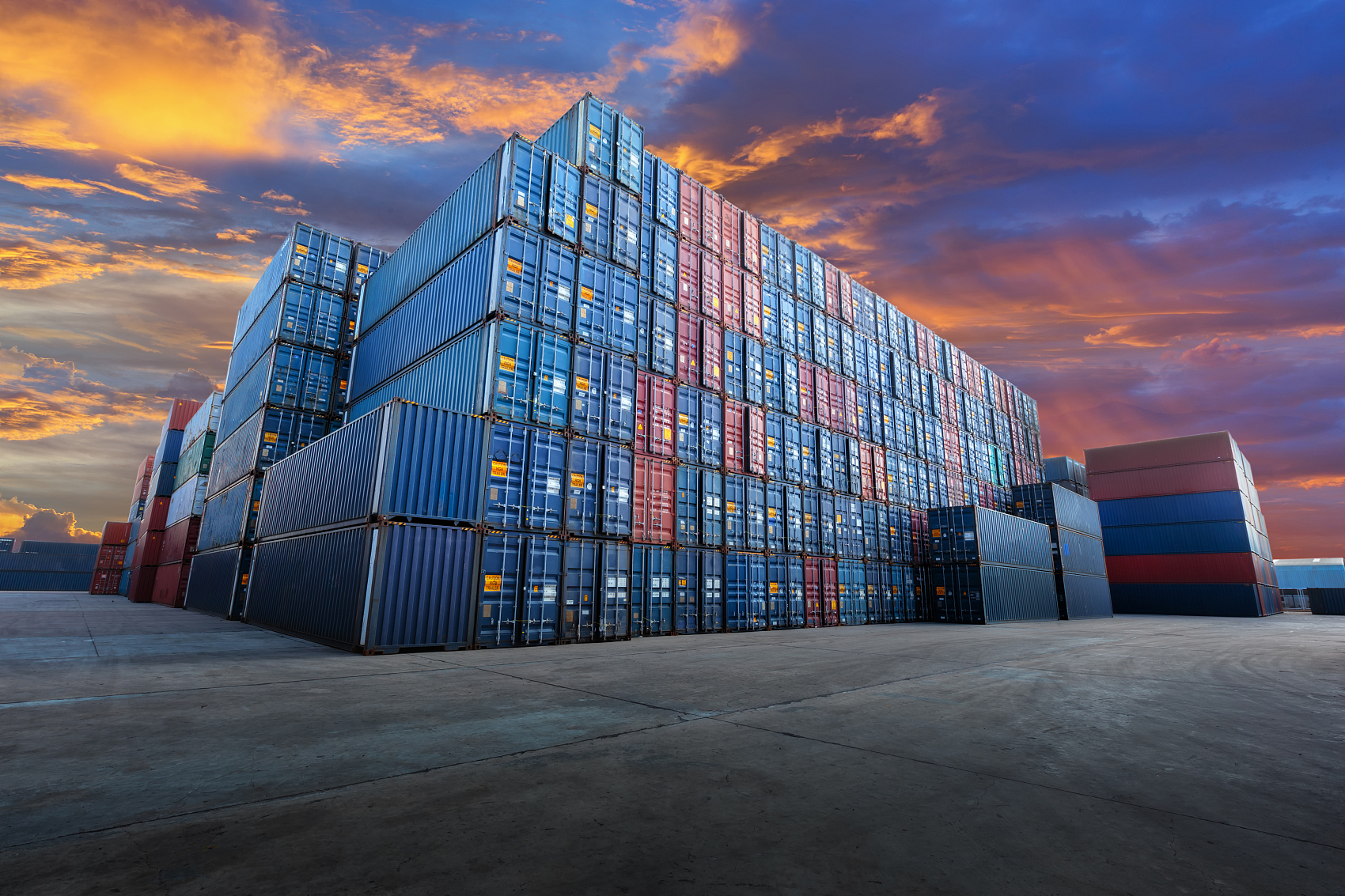
Demurrage refers to the fee charged by shipping lines when a container remains inside the terminal beyond the allotted free time. For temperature-controlled shipments, these costs escalate rapidly due to the additional power requirements and monitoring needed for refrigerated units. Consequently, understanding the mechanics of these charges is the first step toward effective cost management.
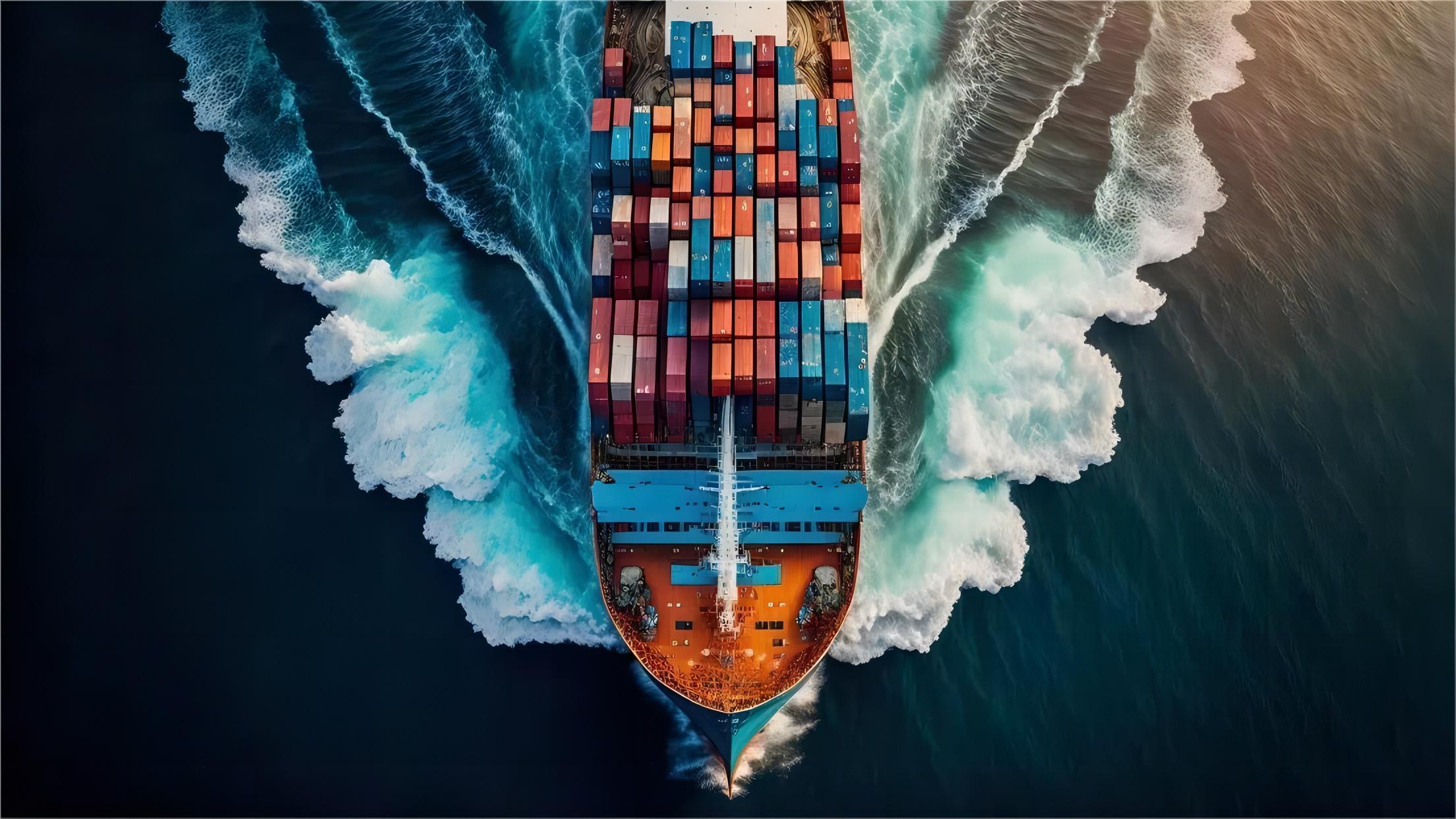
Solar panels are often shipped in reefer containers to protect sensitive photovoltaic cells from extreme temperature fluctuations and humidity during the long sea voyage. However, if the container sits at the Port of Rotterdam too long, the financial penalties can negate the benefits of the protective shipping method. Therefore, importers must prioritize efficient cargo handling to keep their supply chain lean.
Market data suggests that demurrage fees in major European ports have increased by nearly 12 percent over the last two years. Indeed, failing to clear customs or arrange inland transport promptly can lead to thousands of dollars in unexpected shipping costs. Professional freight forwarders focus on meticulous planning to mitigate these risks before the vessel even leaves China.
Why Use Reefer Containers for Solar Panels to the Netherlands?
High-efficiency solar modules are susceptible to micro-cracks and delamination when exposed to extreme heat or moisture variations. Specifically, the maritime route from China to Northern Europe passes through diverse climatic zones, including the tropical heat of the Suez Canal. Moreover, reefer containers provide a stable environment that preserves the structural integrity of the panels.
Maintaining a consistent temperature prevents the expansion and contraction of materials within the solar cells. Additionally, the controlled airflow within a reefer unit reduces the risk of condensation, which can lead to corrosion of electrical connectors. Consequently, while the freight rates for reefers are higher, the reduction in damaged goods often justifies the investment.
Logistics trends indicate a growing preference for climate-controlled shipping among tier-one solar manufacturers. Furthermore, the Netherlands serves as a primary hub for European distribution, making the Rotterdam route a critical link in the global energy transition. Ensuring these units move through the port without delay is vital for project timelines.
How Does Reefer FCL Compare to Other Shipping Options?
Choosing the right transport mode depends on your budget, urgency, and the specific requirements of your solar equipment. While sea freight remains the most common choice for large-scale projects, other methods offer different advantages. For instance, rail freight provides a middle ground between speed and cost for inland destinations.
Standard dry containers are cheaper but offer no protection against thermal stress during the transit time. In contrast, air freight is the fastest option but is usually cost-prohibitive for bulky solar panels unless there is an emergency. Therefore, a reefer FCL (Full Container Load) provides the best balance of protection and volume capacity for most Dutch importers.
Comparing these options requires a detailed look at the total landed cost, including potential demurrage and detention fees. Below is a detailed comparison of the primary shipping methods available for the China to Netherlands route.
| Shipping Method | Cost Range | Transit Time | Best For |
|---|---|---|---|
| Reefer Sea FCL | $3,500 – $5,500 | 30 – 40 Days | Sensitive PV Modules |
| Standard Sea FCL | $2,500 – $3,800 | 30 – 40 Days | Durable Components |
| Rail Freight | $4,000 – $6,000 | 18 – 22 Days | Mid-sized Shipments |
| Air Freight | $15,000+ | 5 – 7 Days | Urgent Spare Parts |
Common Causes of Demurrage for Solar Shipments
Documentation errors are the leading cause of delays at the Port of Rotterdam. For example, a mismatch between the Bill of Lading and the commercial invoice can trigger a mandatory customs inspection. Consequently, the container remains grounded at the terminal while the paperwork is corrected, eating into your free time.
Late arrival of original documents often prevents the release of cargo even after it has arrived. Furthermore, port congestion during peak seasons can delay the physical movement of containers from the quay to the inspection area. Without a doubt, these external factors require proactive communication with your logistics provider to manage expectations.
Customs clearance issues in the Netherlands frequently arise from incorrect HS code classification or undervaluation of goods. Since solar panels are subject to specific EU regulations, any discrepancy can lead to prolonged holds. Therefore, engaging an expert in customs brokerage is a critical strategy for demurrage prevention.
Essential Documentation for Customs Brokerage
Preparing your paperwork well in advance of the vessel’s arrival is the most effective way to avoid port storage fees. Specifically, you should ensure that all certificates of origin and technical specifications are verified by the supplier in China. Moreover, having a digital backup of all files allows for rapid submission to Dutch authorities.
Incomplete manifest data can lead to the container being flagged for security screening. Additionally, the packing list must accurately reflect the number of pallets and the weight of the solar panels to avoid weighing discrepancies. Consequently, thoroughness at the origin port saves significant time and money at the destination.
Below is a checklist of the mandatory documents required for importing solar panels into the Netherlands. Ensuring these are ready will streamline your import/export process and minimize the risk of Reefer FCL demurrage prevention for solar panels from China to Netherlands.
| Document Type | Requirement | Purpose | Timing |
|---|---|---|---|
| Bill of Lading | Mandatory | Title of Goods | At Departure |
| Commercial Invoice | Mandatory | Tax Valuation | At Booking |
| Packing List | Mandatory | Cargo Handling | At Loading |
| CE Certificate | Mandatory | EU Compliance | Pre-shipment |
Effective Strategies for Reefer FCL Demurrage Prevention
Negotiating extended free time with the shipping line is a powerful tactic for reducing financial risk. For instance, instead of the standard 5 days, you may request 10 to 14 days of free time as part of your initial contract. Consequently, this provides a buffer for any unforeseen delays in Europe.
Pre-clearing your cargo through customs while the ship is still at sea can significantly accelerate the release process. Furthermore, coordinating with the inland trucking company to schedule a pickup the moment the container is discharged is essential. Without a doubt, a synchronized delivery schedule is the hallmark of a professional supply chain.
Utilizing a bonded warehouse can also be an effective alternative strategy if your final site is not ready to receive the goods. Instead of leaving the container at the port, you move it to a private facility where storage rates are much lower. Therefore, you avoid the high daily penalties associated with carrier demurrage.
Case Study 1: Preventing Delays for a Large Solar Farm Project
Case Study 1: Solar Farm Logistics Success
Route: Ningbo, China to Rotterdam, Netherlands
Cargo: Monocrystalline Solar Panels, 65 CBM, 18,000 kg
Container: 40HQ Reefer
Shipping Details:
– Carrier/Service: Maersk Direct Service
– Port of Loading: Ningbo
– Port of Discharge: Rotterdam
– Route Type: Direct
Cost Breakdown:
– Ocean Freight: $4,200
– Origin Charges: $400
– Destination Charges: $550
– Customs & Duties: $1,200
– Total Landed Cost: $6,350
Timeline:
– Booking to Loading: 4 days
– Sea Transit: 33 days
– Customs Clearance: 1 day
– Total Door-to-Door: 38 days
Key Insight: By securing 10 days of extended free time at the destination, the importer avoided $800 in potential demurrage when the site preparation was delayed by three days. Typical rates as of early 2025.
Case Study 2: Managing Peak Season Logistics from Shanghai
Case Study 2: Peak Season Efficiency
Route: Shanghai, China to Rotterdam, Netherlands
Cargo: Bifacial Solar Modules, 68 CBM, 19,500 kg
Container: 40HQ Reefer
Shipping Details:
– Carrier/Service: COSCO Shipping
– Port of Loading: Shanghai
– Port of Discharge: Rotterdam
– Route Type: Transshipment via Singapore
Cost Breakdown:
– Ocean Freight: $4,500
– Origin Charges: $450
– Destination Charges: $600
– Customs & Duties: $1,500
– Total Landed Cost: $7,050
Timeline:
– Booking to Loading: 6 days
– Sea Transit: 35 days
– Customs Clearance: 2 days
– Total Door-to-Door: 43 days
Key Insight: Pre-filing customs documentation 7 days before arrival allowed for immediate release upon discharge, despite high port congestion during the Q4 peak season. Based on Q3 2024 market rates.
The Role of Professional Logistics Partners
Partnering with a freight forwarder that offers comprehensive door to door service simplifies the entire import process. Specifically, they act as a single point of contact, managing everything from the factory floor in China to the final destination in the Netherlands. Moreover, their established relationships with carriers often lead to better freight rates and more flexible terms.
Experienced forwarders provide real-time tracking and proactive alerts regarding your shipment’s status. Additionally, they can advise on the best logistics trends and regulatory changes affecting the solar industry. Consequently, you can focus on your core business while experts handle the complexities of international trade.
Note: Freight rates are subject to change based on fuel costs, carrier capacity, and seasonal demand. Contact us for a current quote tailored to your specific shipment.
Which Shipping Option Should You Choose?
Determining the best logistics strategy depends on your project’s specific constraints and priorities. If budget is your primary concern and your panels are durable, standard sea freight might suffice. However, for high-value modules that require maximum protection, Reefer FCL is the gold standard.
Speed priority often leads importers to consider rail freight, which cuts transit time by nearly half compared to sea routes. While more expensive, it can be a lifesaver for projects facing tight construction deadlines. Therefore, evaluate your volume and timeline before making a final decision.
Cargo type considerations should never be ignored, as the cost of replacing damaged solar panels far outweighs the savings from cheaper shipping methods. In contrast, hybrid solutions like sea-air combinations can offer a compromise between cost and speed for specific components. Ultimately, a balanced approach yields the best results.
Summary of Demurrage Prevention Strategies
Successfully navigating the complexities of international shipping requires a proactive approach and attention to detail. By implementing robust Reefer FCL demurrage prevention for solar panels from China to Netherlands, you protect your investment and ensure timely project completion.
Remember to prioritize early documentation, negotiate for extended free time, and choose the right shipping mode for your specific needs. With the right logistics partner, your journey from China to the Netherlands can be smooth, cost-effective, and reliable.
Ready to streamline your logistics?
Efficiently managing your supply chain is the key to successful solar projects. Avoid expensive delays and master Reefer FCL demurrage prevention for solar panels from China to Netherlands by working with our expert team today. Send Inquiry link: Contact Top China Freight now for a customized shipping quote and professional logistics advice.
Request Quote