

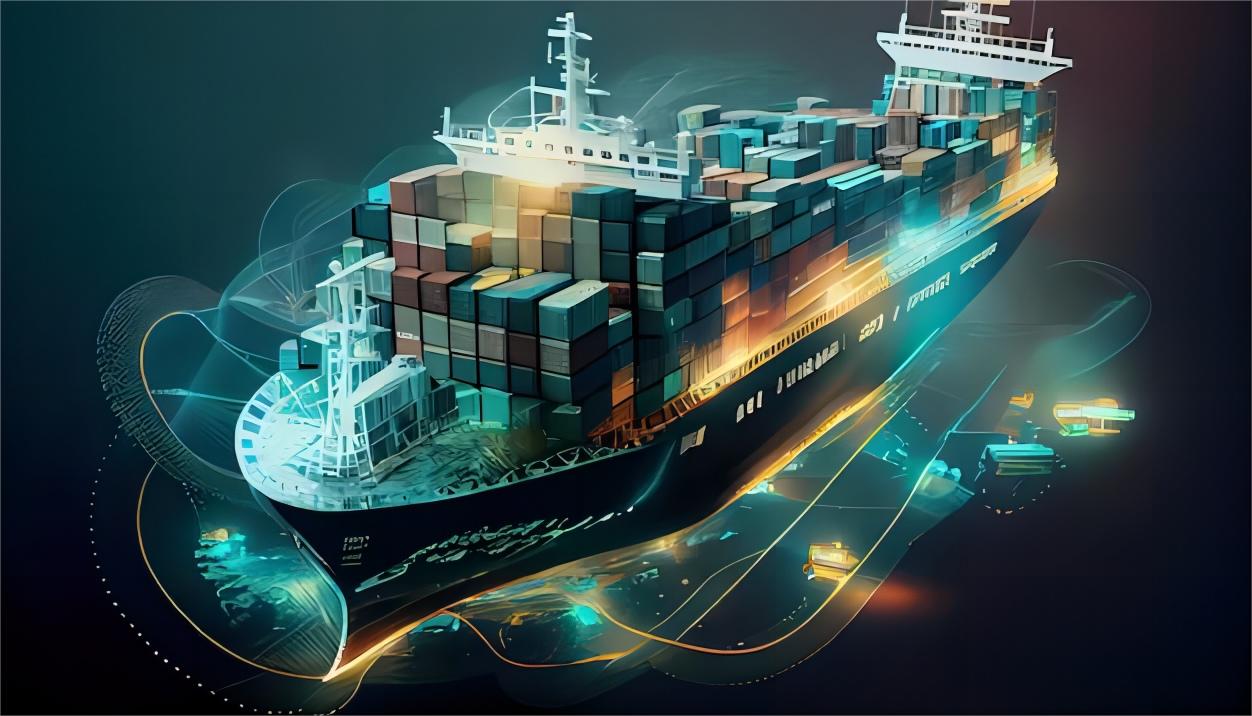
Reefer FCL Detention Prevention for Solar Panels from China to Europe
Reefer FCL detention prevention for solar panels from China to Europe is a critical priority for importers looking to protect their bottom line and maintain equipment integrity. High-value photovoltaic components require specialized handling and temperature regulation to ensure they arrive in peak condition for installation. By partnering with a dedicated logistics expert like Top China Freight, businesses can navigate the complexities of international trade while minimizing expensive storage fees. This guide explores the essential steps to streamline your supply chain and avoid the common pitfalls of container detention.
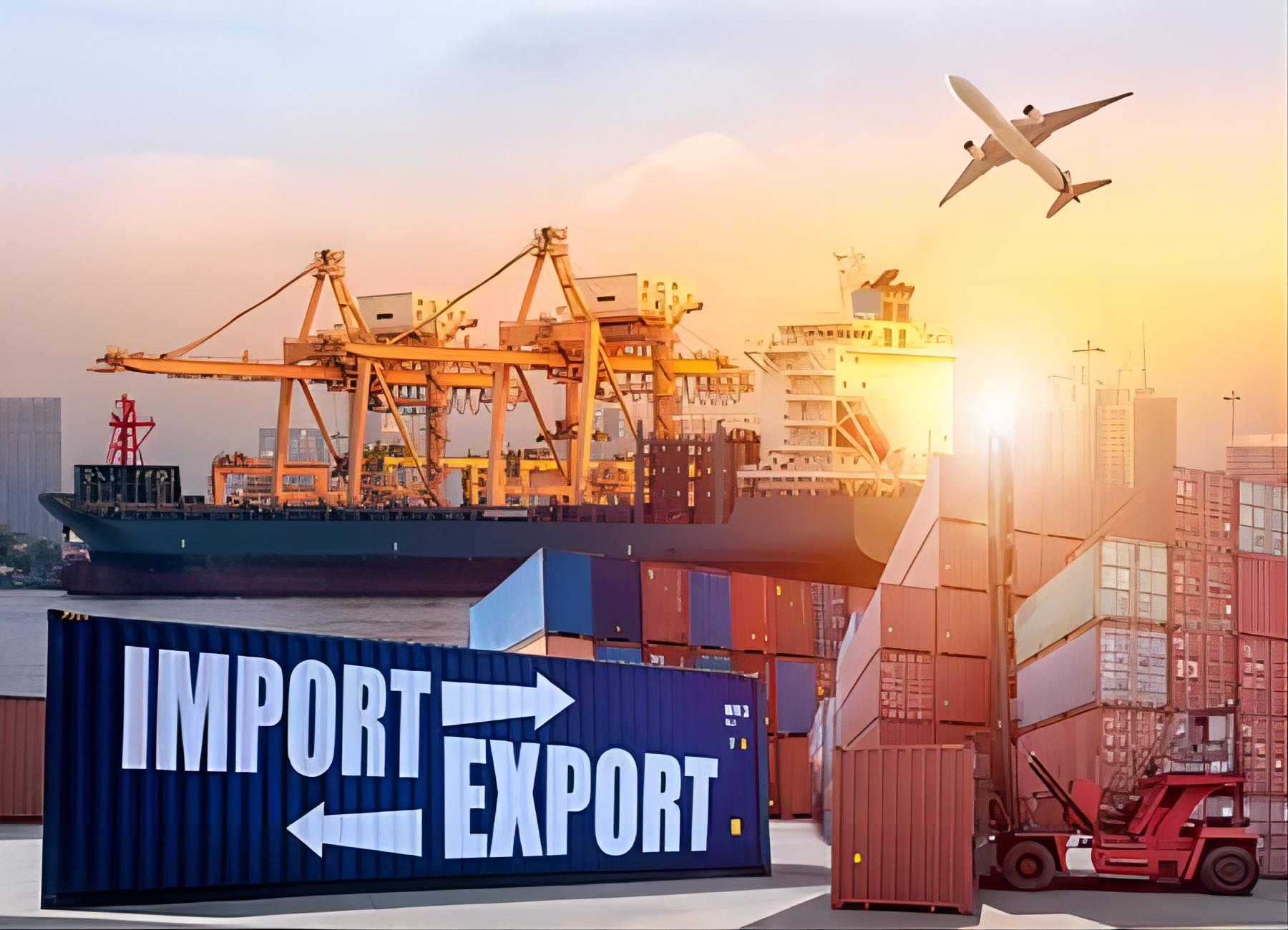
What is Reefer FCL Detention and Why Does It Matter?
Understanding the difference between detention and demurrage is the first step toward effective cost management. Detention refers to the fees charged by carriers when an importer holds a container outside of the port terminal beyond the agreed free time. For refrigerated units, these costs are significantly higher than standard dry containers due to the equipment value and power requirements.

Solar panel manufacturers often utilize reefer units to prevent thermal stress during transit through high-heat regions. Consequently, any delay in returning the empty container to the depot can result in hundreds of dollars in daily penalties. Therefore, implementing a proactive strategy for reefer FCL detention prevention for solar panels from China to Europe is essential for maintaining project profitability.
Moreover, these charges can accumulate rapidly if the delivery schedule is not tightly managed. Importers must coordinate with local haulers and warehouses to ensure the container is stripped and returned within the narrow window provided by the shipping line.
How Does Sea Freight Compare to Other Shipping Options?
Choosing the right transport mode is a balancing act between shipping costs and transit time. While sea freight is the most economical choice for large volumes, it also carries the highest risk of port-related delays. In contrast, rail freight offers a faster alternative for inland destinations in Europe but may have limited reefer availability.
Air freight remains the fastest option for urgent PV cell replacements, though the costs are often prohibitive for full-scale solar farm projects. Each method has specific trade-offs regarding cargo handling and environmental exposure that must be evaluated during the planning phase.
| Shipping Method | Cost Range (40HQ) | Transit Time | Best For |
|---|---|---|---|
| Sea Freight | $3,000 – $4,500 | 30 – 40 Days | Large scale solar farms |
| Rail Freight | $5,500 – $8,000 | 18 – 22 Days | Urgent inland delivery |
| Air Freight | $15,000 – $25,000 | 5 – 7 Days | High-value PV components |
Common Causes of Detention for Solar Shipments to Europe
Shipping to Europe presents unique challenges, including congested ports and strict labor regulations. Documentation errors are the leading cause of delays, as customs officials require precise technical specifications for renewable energy products. If the paperwork is incomplete, the container stays on the chassis, and detention clocks start ticking.
Another frequent issue involves the lack of specialized warehouse equipment at the destination. Solar panels are heavy and fragile, requiring specific forklifts and trained personnel for safe unloading. Without prior coordination, the container may sit idle at the warehouse for days, leading to avoidable charges.
Furthermore, seasonal peaks and labor strikes at major hubs like Hamburg or Rotterdam can disrupt the delivery schedule. Importers should always factor in a buffer period and negotiate extended free time with carriers before the cargo leaves China.
Essential Document Checklist for Customs Clearance
Effective customs brokerage is the backbone of a successful import operation. Having a complete set of documents ready before the vessel berths is the most effective way to ensure reefer FCL detention prevention for solar panels from China to Europe. This preparation allows for immediate clearance and rapid dispatch to the final destination.
Customs authorities in the European Union are particularly vigilant regarding the origin of solar components. Therefore, providing a clear Certificate of Origin is mandatory to avoid anti-dumping duties or prolonged inspections. Accuracy in the Bill of Lading and Commercial Invoice is also paramount to prevent administrative holds.
| Document Name | Primary Purpose | Required By | Timing |
|---|---|---|---|
| Commercial Invoice | Value declaration | Customs / Bank | Before Departure |
| Packing List | Detailed cargo breakdown | Warehouse / Port | Before Departure |
| Bill of Lading | Title of goods | Carrier / Customs | At Loading |
| CE Certificate | Safety compliance | EU Regulators | At Clearance |
Decision Framework: Which Option Should You Choose?
Selecting the optimal logistics path depends on your specific budget and project timeline. If your priority is minimizing total landed cost, sea freight with a pre-negotiated 14-day free time agreement is usually the best approach. However, if the project is behind schedule, the higher cost of rail may be justified to avoid liquidated damages from the site owner.
A door to door service model is often recommended for importers who lack a local logistics team in Europe. This comprehensive solution transfers the risk of coordination to the freight forwarder, who manages the entire chain from the factory in China to the solar site in Europe.
Additionally, consider the volume of your shipment. For less than 15 CBM, LCL might seem cheaper, but for sensitive solar panels, a dedicated FCL reefer provides better protection and faster handling at the terminal.
Case Study 1: Preventing Delays in Rotterdam
Case Study 1: Successful Detention Mitigation in the Netherlands. Route: Shanghai, China to Rotterdam, Netherlands. Cargo: 40HQ Reefer containing Tier 1 Solar Modules, 68 CBM, 18,000 kg. Carrier: COSCO. Port of Loading: Shanghai. Port of Discharge: Rotterdam. Route Type: Direct.
Cost Breakdown: Ocean Freight $3,200. Origin Charges $450. Destination Charges $600. Customs and Duties: Handled via VAT deferment. Total Landed Cost: $4,250. Timeline: Booking to Loading 4 days. Sea Transit 32 days. Customs Clearance 1 day. Total Door-to-Door 38 days.
Key Insight: The importer utilized pre-clearance procedures, allowing the container to be picked up within 2 hours of discharge. By returning the empty reefer to the depot the following day, they avoided $800 in potential detention fees. This case highlights the importance of synchronized trucking and warehouse labor.
Case Study 2: Managing Peak Season Challenges in Hamburg
Case Study 2: Navigating Q4 Congestion. Route: Ningbo, China to Hamburg, Germany. Cargo: PV Inverters and Panels, 40HQ Reefer, 20,000 kg. Carrier: Maersk. Port of Loading: Ningbo. Port of Discharge: Hamburg. Route Type: Direct.
Cost Breakdown: Ocean Freight $4,100 (Peak Season). Origin Charges $500. Destination Charges $750. Customs and Duties: $1,200. Total Landed Cost: $6,550. Timeline: Booking to Loading 6 days. Sea Transit 35 days. Customs Clearance 3 days. Total Door-to-Door 45 days.
Key Insight: Despite port congestion, the importer had negotiated 21 days of combined demurrage and detention. This buffer allowed them to store the container temporarily when the warehouse was over capacity. Consequently, they maintained reefer FCL detention prevention for solar panels from China to Europe even during the busiest time of the year.
Which Option Should You Choose? Market Intelligence for 2025
Market data suggests that freight rates from China to Europe have stabilized in early 2025 following previous disruptions. Nevertheless, fuel surcharges remain volatile, and carrier capacity can shift rapidly based on global trade trends. Importers should prioritize carriers that offer flexible detention terms over those with the absolute lowest ocean freight rate.
According to industry benchmarks, the average transit time to Northern Europe is currently 34 days. If your delivery schedule requires a sub-30-day arrival, you should investigate hybrid sea-rail solutions via Mediterranean ports. This approach can shave 5 to 7 days off the total journey while keeping costs manageable.
Note: Freight rates are subject to change based on fuel costs, carrier capacity, and seasonal demand. Contact us for a current quote tailored to your specific shipment.
Strategies to Avoid Detention Charges
Implementing a robust communication plan is the most effective strategy for detention prevention. You should establish a direct line between your freight forwarder, the trucking company, and the warehouse manager. Weekly status meetings during the transit phase ensure everyone is prepared for the container arrival.
Furthermore, always request ‘Extended Free Time’ at the point of booking. Most carriers are willing to offer 14 to 21 days of combined free time for high-volume accounts. This extra period provides a vital safety net if customs inspections take longer than expected or if local transport is delayed.
Finally, ensure that the warehouse is ready to ‘strip and flip’ the container. This means unloading the solar panels immediately and sending the empty unit back with the same driver. While this may incur a small premium for trucking, it is far cheaper than paying daily detention fees to the shipping line.
Final Thoughts on Reefer FCL Detention Management
To summarize, successful reefer FCL detention prevention for solar panels from China to Europe requires a combination of early planning, accurate documentation, and strong local partnerships. By understanding the causes of delays and implementing proactive strategies, you can significantly reduce unnecessary logistics expenses.
Indeed, the transition to renewable energy depends on efficient global supply chains. Protecting your investment starts with choosing the right shipping partner and staying informed about market trends. Start planning your next shipment with confidence and keep your solar projects on track and within budget.

Ready to streamline your logistics?
Ready to optimize your solar supply chain? Contact us today to secure competitive rates and expert guidance on reefer FCL detention prevention for solar panels from China to Europe. Our team is standing by to provide a custom quote for your next shipment. Visit our inquiry page to get started.
Request Quote