

Reefer FCL Detention Prevention for Solar Panels from China to France
Managing international logistics for renewable energy products requires significant precision and foresight. Reefer FCL detention prevention for solar panels from China to France is essential for importers who want to avoid the high costs associated with container delays at the port. Visit Top China Freight to discover how our professional logistics solutions can streamline your entire import process.
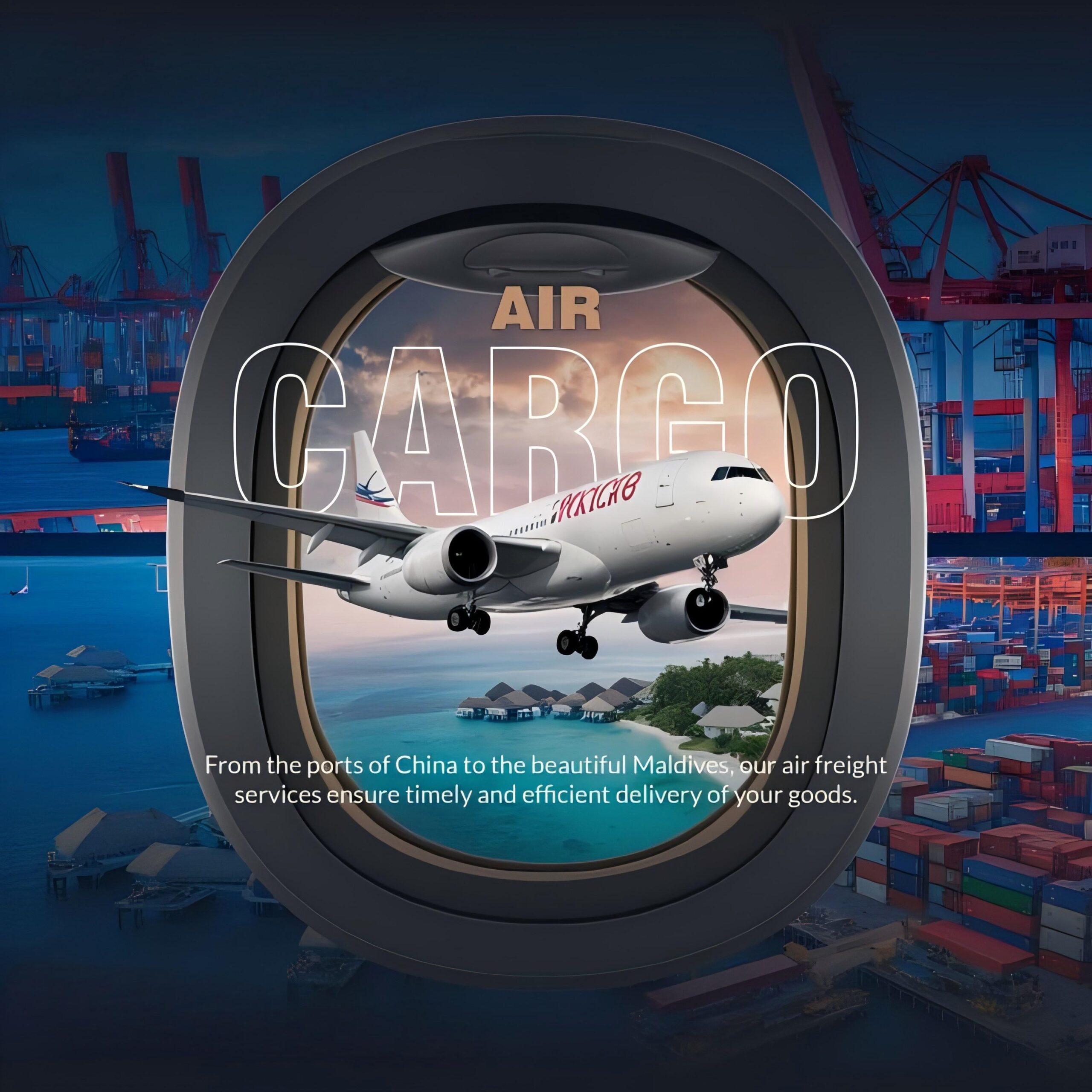
What is Reefer FCL Detention and Why is it Costly?
Detention refers to the fees charged by shipping lines when an importer keeps a container outside of the port terminal beyond the agreed free time. Unlike standard dry containers, refrigerated units incur significantly higher daily rates due to their specialized equipment and power requirements. Consequently, failing to return an empty reefer container promptly can lead to thousands of dollars in unexpected expenses.
Importers must distinguish between demurrage, which happens inside the port, and detention, which occurs after the container leaves the gates. Furthermore, the solar industry operates on thin margins, making these additional logistics costs particularly damaging to project profitability. Therefore, understanding the specific rules of your carrier is the first step toward effective cost management.
Moreover, the complexity of refrigerated shipping adds another layer of risk to the process. Because these containers are high-value assets, carriers are often stricter with their free-time allowances compared to standard 40HQ units. Indeed, a proactive approach to Reefer FCL detention prevention for solar panels from China to France is the only way to ensure your budget remains intact.
Why Solar Panels Often Require Reefer FCL Shipping
Many high-efficiency solar modules are sensitive to extreme temperature fluctuations that can occur during long sea voyages. While standard sea freight is common, reefer containers provide a stable environment that prevents micro-cracking and moisture ingress. Additionally, maintaining a consistent temperature helps preserve the integrity of the specialized adhesives and laminates used in premium panels.
Shipping from humid Chinese manufacturing hubs like Jiangsu or Zhejiang to the varied climates of France exposes cargo to diverse weather patterns. Specifically, the journey through the Suez Canal can subject containers to intense heat, which may degrade certain solar components. As a result, many tier-one manufacturers now specify refrigerated transport for their most advanced photovoltaic products.
Furthermore, using a reefer container ensures that the cargo remains in a climate-controlled zone from the factory to the final destination. This level of protection is vital for large-scale utility projects where performance guarantees are tied to the physical condition of the panels upon arrival. Consequently, the choice of equipment directly impacts the long-term viability of the solar installation.
Common Causes of Detention for Solar Shipments from China
Delays in the documentation process represent the most frequent cause of container detention in French ports. When the Bill of Lading or commercial invoice contains errors, the container sits idle while corrections are made. Meanwhile, the clock on your free time continues to tick, leading to mounting daily charges that are difficult to dispute.
Congestion at major French hubs like Le Havre or Marseille can also prevent the timely return of empty equipment. If the local haulage company cannot secure a slot for the drop-off, the importer remains liable for the detention fees. Therefore, coordinating closely with local transport partners is essential for maintaining a tight delivery schedule.
Additionally, unexpected customs inspections can hold up a shipment for several days or even weeks. Because solar panels are subject to specific import regulations and potential anti-dumping duties, French authorities may perform thorough physical checks. Nevertheless, having all technical data sheets and certificates of origin ready can significantly speed up this intrusive process.
How Does Reefer FCL Compare to Other Shipping Options?
Choosing the right shipping method involves balancing cost, speed, and the level of protection required for your cargo. While Reefer FCL offers the best protection against heat, it is generally more expensive than using standard dry containers with thermal liners. On the other hand, air freight provides the fastest transit time but is rarely cost-effective for heavy solar panel pallets.
Rail freight has emerged as a viable middle ground for shipments from China to Europe, offering faster transit than sea but lower costs than air. However, rail options for refrigerated containers are more limited and require specialized infrastructure at terminal transfers. Consequently, most large-scale solar importers continue to rely on ocean-going reefer vessels for their primary supply chain.
In contrast, small-scale developers might consider LCL shipping, though this is rarely recommended for sensitive solar modules due to the increased risk of handling damage. To summarize, Reefer FCL remains the gold standard for high-value solar projects despite the higher risk of detention fees. See the comparison table below for a detailed breakdown of your options.
| Shipping Method | Cost Range (USD) | Transit Time | Best For |
|---|---|---|---|
| Reefer FCL Sea | $3,500 – $5,200 | 30-45 Days | Sensitive Panels |
| Standard FCL Sea | $2,200 – $3,800 | 30-45 Days | Budget Projects |
| Rail Freight | $5,500 – $7,500 | 18-24 Days | Urgent Delivery |
| Air Freight | $18,000+ | 5-10 Days | Prototype/Repair |

Essential Strategies for Reefer FCL Detention Prevention for Solar Panels from China to France
Negotiating extended free time during the booking stage is the most effective way to prevent detention charges. Most carriers offer a standard 7 days, but experienced freight forwarders can often extend this to 14 or 21 days for large volume contracts. Indeed, having this extra cushion provides the necessary flexibility to handle minor customs delays or transport hiccups.
Pre-clearing your cargo before the vessel arrives at the French port is another critical strategy for success. By submitting all necessary paperwork to French customs while the ship is still at sea, you can often secure immediate release upon docking. Consequently, the container can move directly from the quay to the project site without spending unnecessary days in the terminal.
Furthermore, you should always have a backup drayage provider ready to step in if your primary trucker faces capacity issues. In the logistics industry, flexibility is the key to avoiding bottlenecks that lead to expensive detention penalties. Therefore, maintaining a diverse network of local partners in France ensures that empty containers are returned to the depot as quickly as possible.
Navigating Customs Brokerage to Avoid Delays
Working with an experienced customs brokerage professional is vital when importing solar technology into the European Union. French customs officials are very strict regarding the classification of solar modules and their associated electronics. For instance, incorrect HS code application can lead to immediate seizures or lengthy audits that trigger massive detention fees.
Moreover, the European Union frequently updates its regulations regarding renewable energy imports from China. A professional broker stays informed about these changes and ensures that your shipment complies with all current environmental and safety standards. Accordingly, this expertise minimizes the risk of your reefer container being flagged for additional scrutiny.
In addition, your broker can help you manage the payment of Value Added Tax (VAT) and any applicable duties through deferred payment schemes. This financial planning prevents the shipment from being held at the port due to unpaid government fees. Without a doubt, a smooth customs entry is the backbone of any successful Reefer FCL detention prevention for solar panels from China to France strategy.
Choosing the Right Port of Discharge in France
Selecting the optimal port of entry can significantly impact your ability to return containers within the free-time window. Le Havre is the primary gateway for northern Europe and offers excellent rail and road connectivity to major solar farm sites. Meanwhile, Marseille-Fos is often more convenient for projects located in the sunny southern regions of France.
However, each port has its own unique operational challenges, such as labor strikes or seasonal congestion. For example, during peak harvest seasons, refrigerated storage and transport capacity in southern France can become extremely tight. Therefore, you must analyze the local conditions at your chosen port before finalizing your shipping route.
Additionally, some smaller ports may offer more personalized service and faster container turnaround times than the major hubs. While they might have fewer weekly vessel calls, the reduced congestion can make Reefer FCL detention prevention for solar panels from China to France much easier to manage. Consequently, a tailored routing strategy often yields the best results for specialized cargo.
Real-World Case Studies: Avoiding Detention in France
Examining real-world scenarios provides valuable insights into the practical application of detention prevention strategies. These examples highlight the importance of coordination between the Chinese exporter, the freight forwarder, and the French importer. Furthermore, they demonstrate how proactive planning can overcome even the most difficult logistical hurdles.
Case Study 1: A solar developer in Lyon imported 20 containers of high-efficiency modules from Ningbo. By utilizing door to door service, they integrated their customs clearance and local trucking into a single workflow. As a result, they returned every reefer container within the 14-day free-time window, saving over $12,000 in potential fees.
Case Study 2: An importer in Bordeaux faced a 5-day delay due to a missing certificate of origin for a shipment from Shanghai. However, because they had negotiated 21 days of combined free time, they avoided all detention charges despite the paperwork error. This case illustrates that negotiating favorable terms upfront is often the best insurance policy against unforeseen problems.
| Case Detail | Shipment A (Success) | Shipment B (Saved) |
|---|---|---|
| Origin | Ningbo, China | Shanghai, China |
| Destination | Lyon via Le Havre | Bordeaux via Marseille |
| Free Time | 14 Days | 21 Days |
| Outcome | Zero Fees Paid | Zero Fees Paid |
Which Shipping Option Should You Choose?
Determining the best logistics path depends on your specific project requirements, budget, and risk tolerance. If you are transporting standard panels with high heat resistance, a dry container with high-quality thermal blankets might suffice. Nevertheless, for premium N-type or HJT modules, the investment in a reefer container is usually justified by the added peace of mind.
Budget priority importers should focus on maximizing sea freight efficiency by booking well in advance to secure lower rates. Speed priority shipments, such as those needed to meet a strict government subsidy deadline, may require a hybrid sea-air approach. Furthermore, cargo volume plays a major role, as FCL is always more secure than LCL for sensitive solar equipment.
Ultimately, the decision should be based on a thorough cost-benefit analysis that includes the potential risk of detention. By working with a specialist who understands the China-to-France route, you can develop a robust plan that protects your cargo and your bottom line. Indeed, the right partner makes all the difference in navigating the complexities of international trade.
Final Thoughts on Solar Logistics
Successfully managing Reefer FCL detention prevention for solar panels from China to France requires a combination of early planning, expert partnerships, and diligent documentation. By understanding the causes of delays and implementing the strategies discussed in this guide, you can significantly reduce your logistics overhead. Moreover, as the demand for renewable energy continues to grow, efficient shipping will remain a key competitive advantage for successful importers.
Note: Freight rates and detention terms are subject to change based on fuel costs, carrier capacity, and seasonal demand. Contact us for a current quote tailored to your specific shipment.
Ready to streamline your logistics?
Ready to optimize your solar supply chain? Contact our experts today for a customized quote on Reefer FCL detention prevention for solar panels from China to France. Send Inquiry
Request Quote