


Reefer FCL sailing schedule for solar panels from China to Florida: 2024-2025 Guide
Reefer FCL sailing schedule for solar panels from China to Florida provides the necessary timeline for businesses looking to maintain temperature-controlled environments during transit. Navigating the complex world of international logistics requires a reliable partner like Top China Freight to ensure your renewable energy components arrive safely and on time. Consequently, understanding the specific departure dates and vessel rotations from major Chinese ports to the Sunshine State is essential for maintaining a seamless supply chain.
Understanding the Reefer FCL Sailing Schedule for Solar Panels from China to Florida
Shipping solar panels requires meticulous planning, especially when utilizing refrigerated containers to protect sensitive electronic components from extreme humidity and heat fluctuations. The sailing schedule serves as the heartbeat of your logistics operation, dictating when goods must leave the factory and when they will reach the installation site. Moreover, companies must account for the specific cut-off times at ports like Shanghai and Ningbo to avoid missing weekly departures. Therefore, monitoring these schedules allows importers to synchronize their inventory levels with consumer demand in Florida.
Carriers operating on the China-to-Florida route typically offer weekly services with varying transit speeds depending on the number of transshipment points. Indeed, a direct service to the East Coast via the Panama Canal is often the preferred method for high-value solar modules. In addition, refrigerated containers, or reefers, provide a controlled environment that prevents moisture buildup, which is a common cause of micro-cracks in solar cells. Consequently, choosing the right vessel rotation is just as important as selecting the container type itself.
Logistics managers often face the challenge of balancing speed with cost-efficiency when reviewing the latest transit data. Furthermore, the arrival of solar panels in ports like Miami or Port Everglades must coincide with local trucking availability to ensure door-to-door efficiency. Because Florida experiences high seasonal demand for renewable energy, booking space on these reefer vessels should happen at least three to four weeks in advance. Accordingly, staying informed about carrier updates helps businesses mitigate the risks of port congestion or seasonal delays.
Why Choose Reefer Containers for Solar Panel Shipments?
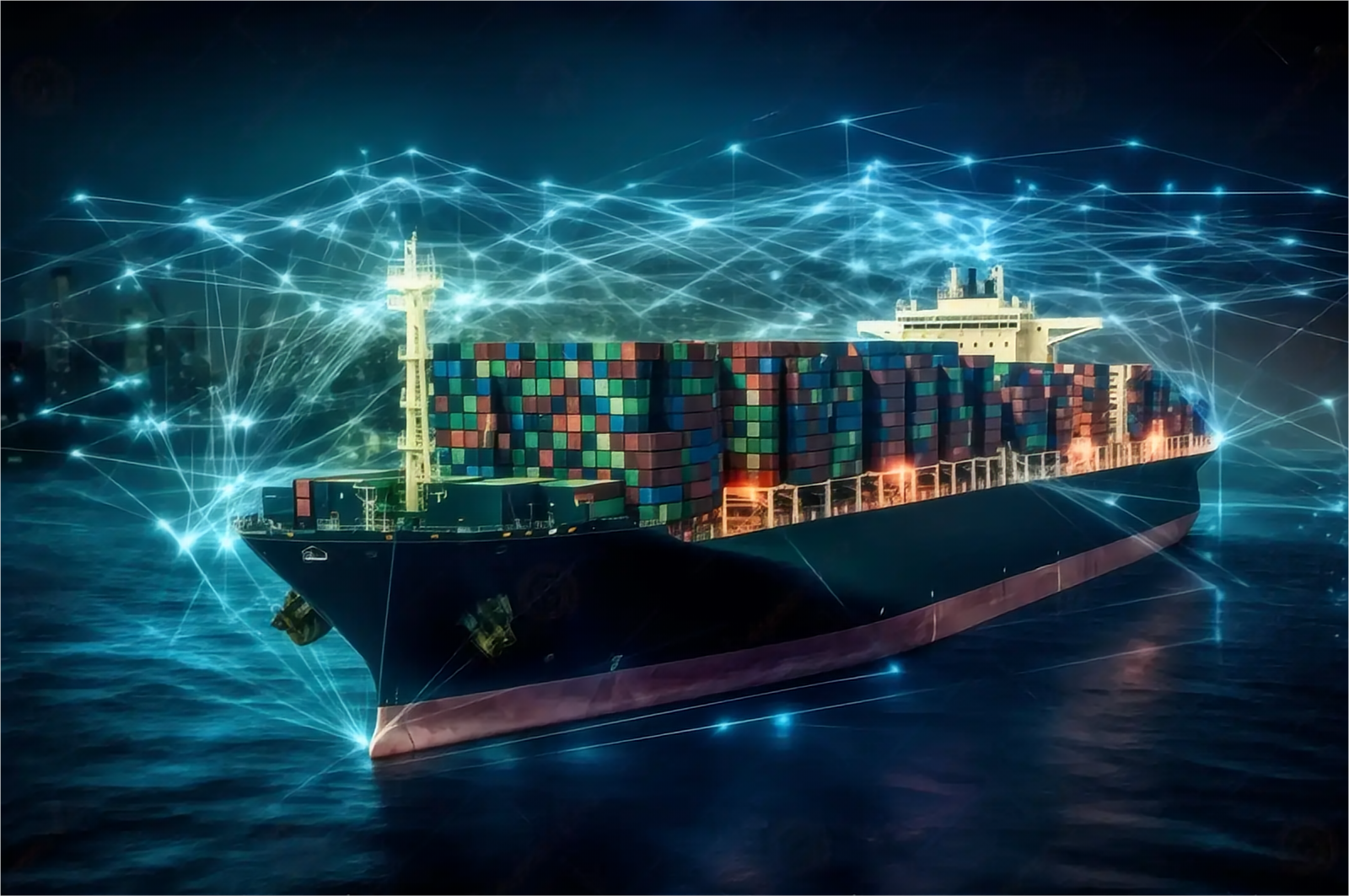
While standard dry containers are common for solar logistics, refrigerated containers offer a premium layer of protection against the harsh maritime environment. For instance, the high humidity levels found in the hold of a container ship can lead to condensation, which potentially damages the junction boxes of solar modules. Additionally, solar panels are sensitive to extreme temperature shifts that occur during the long voyage across the Pacific and through the Caribbean. Therefore, utilizing sea freight with reefer capabilities ensures that the internal atmosphere remains stable throughout the journey.
Investing in reefer FCL shipping also reduces the risk of long-term degradation of the panels’ protective coatings. Moreover, these containers are built with better insulation than standard units, providing a secondary defense against physical impacts during handling. Although the cost is higher than dry freight, the reduction in insurance claims and damaged goods often justifies the initial expenditure. Consequently, many high-end solar developers insist on reefer transit for their most expensive utility-scale projects.
Proper cargo handling is another benefit of choosing a full container load for your solar panels. Without a doubt, FCL shipping means your goods are not mixed with other cargo, reducing the frequency of handling and the potential for forklift damage. Furthermore, reefers are often prioritized for power connection on the vessel, ensuring they are placed in accessible locations for monitoring. In contrast, LCL shipments may be stored in areas of the ship that experience higher heat levels, making FCL the safer choice for sensitive technology.
Key Shipping Routes and Transit Times to Florida
The journey from China to Florida involves several strategic maritime paths, most notably the route through the Panama Canal to reach the Atlantic coast. Specifically, ships departing from Shenzhen or Xiamen usually take between 30 and 40 days to reach major Florida hubs. Meanwhile, some carriers might opt for a Suez Canal route, though this is less common for shipments destined for the United States East Coast. As a result, importers must verify the specific route taken by the carrier to accurately estimate the final delivery date.
Major ports in Florida, such as the Port of Miami and JAXPORT in Jacksonville, serve as the primary gateways for solar energy products entering the region. Additionally, Port Everglades in Fort Lauderdale offers specialized facilities for handling refrigerated cargo, making it a top choice for reefer FCL shipments. On the other hand, the Port of Tampa Bay provides excellent access to the growing solar markets in Central Florida. Consequently, the choice of discharge port significantly impacts the inland transportation costs and overall transit time.
Vessel reliability is a critical factor when analyzing the Reefer FCL sailing schedule for solar panels from China to Florida. For example, some carriers maintain a higher schedule integrity, meaning they are less likely to experience delays during transshipment in Busan or Colon. Furthermore, shippers should look for services that offer GPS tracking for reefer units to monitor temperature and location in real-time. Therefore, selecting a reputable carrier is essential for maintaining the integrity of the solar panel supply chain.
| Port of Loading | Port of Discharge | Service Type | Avg. Transit Time |
|---|---|---|---|
| Shanghai | Miami | Direct (Panama) | 32-35 Days |
| Ningbo | Port Everglades | Transshipment | 38-42 Days |
| Shenzhen | Jacksonville | Direct (Panama) | 34-37 Days |
| Qingdao | Tampa | Transshipment | 40-45 Days |

How Does Reefer FCL Compare to Other Shipping Options?
When planning your logistics strategy, it is vital to compare Reefer FCL against alternative methods like standard dry FCL or air freight. Specifically, while air freight offers the fastest delivery, the cost for shipping heavy solar panels is usually prohibitive for large-scale projects. In contrast, standard dry containers are more affordable but lack the environmental controls necessary for high-sensitivity components. Therefore, Reefer FCL occupies a middle ground, offering superior protection at a manageable price point for sea-based transit.
Shipping to North America requires a deep understanding of the trade-offs between speed and security. For instance, choosing LCL (Less than Container Load) might save money for small shipments, but it increases the risk of damage due to multiple handling stages. Moreover, solar panels are bulky and fragile, making them poor candidates for consolidated shipping. Consequently, FCL remains the industry standard for solar modules, with reefers providing the ultimate level of care.
Hybrid solutions, such as sea-air combinations, are sometimes used during peak seasons when sea freight capacity is limited. However, these methods are rarely used for solar panels due to the weight and dimensions of the pallets. Additionally, rail freight is not a viable option for this specific route as there is no land bridge connecting China to the United States. As a result, ocean-going vessels remain the only practical way to transport large volumes of solar energy equipment across the ocean.
| Shipping Method | Cost Range | Transit Time | Best For |
|---|---|---|---|
| Reefer FCL | $5,500 – $7,500 | 30-40 Days | High-value panels |
| Dry FCL | $3,500 – $5,500 | 30-40 Days | Standard modules |
| Air Freight | $15,000+ | 5-10 Days | Urgent repairs |
| LCL Sea | $150 – $300/CBM | 40-50 Days | Small samples |
Cost Breakdown for Solar Panel Logistics
The total cost of shipping solar panels involves more than just the ocean freight rate quoted by the carrier. Specifically, importers must account for origin charges, including trucking from the factory, export documentation, and terminal handling fees at the Chinese port. Furthermore, the cost of electricity for the reefer unit during transit is often added as a surcharge by the shipping line. Therefore, it is important to request a comprehensive quote that includes all potential line items to avoid budget overruns.
Destination charges in Florida can also impact the final landed cost of your solar panels. These fees include customs clearance, port security charges, and the final mile delivery to the warehouse or job site. Additionally, cargo insurance is a non-negotiable expense when dealing with fragile technology like solar modules. Indeed, insurance premiums are typically calculated based on the value of the goods plus the cost of freight. Consequently, working with a transparent logistics provider helps in identifying all costs upfront.
Market fluctuations play a significant role in pricing, with rates often rising during the peak season from August to October. Moreover, fuel surcharges and currency adjustment factors can change on a monthly basis, affecting the Reefer FCL sailing schedule for solar panels from China to Florida pricing. To mitigate these risks, many companies sign long-term contracts with freight forwarders to lock in stable rates. In contrast, smaller importers may rely on the spot market, which offers more flexibility but less price certainty.
Note: Freight rates are subject to change based on fuel costs, carrier capacity, and seasonal demand. Contact us for a current quote tailored to your specific shipment.
Required Documentation for Importing Solar Panels
Navigating the legal requirements for importing solar panels is essential to avoid costly delays at the port of entry. The most important document is the commercial invoice, which must clearly state the value, quantity, and technical specifications of the panels. Additionally, a detailed packing list is required to help customs officials verify the contents of the reefer container. Furthermore, the Bill of Lading serves as the title to the goods and must be handled with extreme care during the shipping process.
Using a professional customs brokerage service can streamline the clearance process significantly. Specifically, brokers are familiar with the latest anti-dumping duties and tariffs applied to Chinese-made solar products. Moreover, they can assist in obtaining the necessary bonds and permits required by U.S. Customs and Border Protection. Consequently, having the correct paperwork ready before the vessel arrives in Florida is the best way to ensure a smooth transition from sea to land.
Importers must also provide a Certificate of Origin to comply with trade regulations and potentially qualify for duty exemptions. Without a doubt, missing or inaccurate documentation can lead to the container being held in a bonded warehouse, incurring expensive demurrage fees. In addition, solar panels often require specific certifications, such as UL or IEC ratings, to be legally sold and installed in the United States. Therefore, thorough preparation of all documents is a critical step in the logistics cycle.
| Document Name | Purpose | Required By | Priority |
|---|---|---|---|
| Commercial Invoice | Value verification | CBP / Customs | Critical |
| Bill of Lading | Title of goods | Carrier / Bank | Critical |
| Packing List | Cargo details | Port Authority | High |
| CO / Form A | Duty assessment | Customs | High |
Real-World Case Studies: China to Florida Solar Shipments
Case Study 1: Large-Scale Solar Farm in Orlando. Route: Ningbo, China to Port of Miami, USA. Cargo: 1,200 High-Efficiency Bifacial Modules. Container: 2 x 40HQ Reefer FCL. Shipping Details: Direct service via Panama Canal using a major carrier. Cost Breakdown: Ocean Freight $12,400, Origin Charges $950, Destination Charges $1,200, Customs Duties $4,500. Total Landed Cost: $19,050. Timeline: Booking to Loading 5 days, Sea Transit 33 days, Customs Clearance 3 days, Total Door-to-Door 41 days. Key Insight: Using reefer containers prevented moisture damage during a particularly humid transit season.
Case Study 2: Residential Solar Distributor in Tampa. Route: Shanghai, China to Port of Tampa, USA. Cargo: 500 Residential Grade Solar Panels. Container: 1 x 40HQ Reefer FCL. Shipping Details: Transshipment via Kingston, Jamaica. Cost Breakdown: Ocean Freight $6,800, Origin Charges $500, Destination Charges $850, Customs Duties $2,100. Total Landed Cost: $10,250. Timeline: Booking to Loading 7 days, Sea Transit 39 days, Customs Clearance 4 days, Total Door-to-Door 50 days. Key Insight: Despite the longer transshipment time, the reefer unit maintained a constant 20 degrees Celsius, ensuring panel integrity.
Based on Q4 2024 market rates, these case studies illustrate the typical costs and timelines for solar logistics. However, every shipment is unique, and variables such as port congestion or weather events can influence the final outcome. Furthermore, the use of door to door services can simplify the process for importers who prefer a single point of contact for the entire journey. Consequently, reviewing these real-world examples helps businesses set realistic expectations for their own solar panel imports.
Which Option Should You Choose?
Deciding on the best shipping strategy depends on your project timeline, budget constraints, and the specific sensitivity of your solar equipment. If budget is your primary priority, standard dry containers are the most economical choice, provided you take extra precautions with packaging. On the other hand, if you are transporting high-value modules for a utility-scale project, the protection offered by a reefer container is well worth the investment. Therefore, you should evaluate the risk of damage against the cost of premium shipping.
Speed priority often dictates the choice of carrier and discharge port. For instance, direct services to Miami are generally faster than transshipment routes to smaller ports like Pensacola. Additionally, consider the volume of your shipment; FCL is almost always better for solar panels due to their size. However, if you only have a few pallets for a small repair job, LCL might be the only viable sea freight option. Consequently, your specific volume thresholds will play a major role in your final decision.
Cargo type considerations are also paramount when selecting your logistics path. Some thin-film solar panels are significantly more fragile than traditional crystalline silicon modules, requiring the enhanced stability of a reefer FCL shipment. Furthermore, the climate in Florida means that even after discharge, the panels must be moved quickly to a climate-controlled warehouse. As a result, your logistics plan should extend beyond the ocean voyage to include the final inland leg of the journey.
Final Thoughts on Solar Panel Logistics to Florida
Successfully managing the Reefer FCL sailing schedule for solar panels from China to Florida is a cornerstone of a profitable renewable energy business. By understanding the nuances of port rotations, container types, and customs requirements, importers can avoid the common pitfalls of international trade. Moreover, the use of refrigerated containers provides peace of mind that high-value solar modules are protected from the elements. Consequently, a well-planned logistics strategy is the best way to support the growing demand for clean energy in the Florida market.
As the industry evolves, staying informed about the latest shipping trends and carrier updates will remain essential for competitive advantage. Therefore, partnering with a knowledgeable freight forwarder is the most effective way to navigate the complexities of the China-to-USA trade lane. Whether you are a large-scale developer or a local distributor, the right shipping choices will ensure your project stays on track and within budget. Without a doubt, the future of Florida’s solar energy depends on a robust and reliable global supply chain.
Ready to streamline your logistics?
Planning your next solar energy project requires a reliable Reefer FCL sailing schedule for solar panels from China to Florida to ensure your components arrive in perfect condition. Contact our expert team today to receive a customized quote and benefit from our extensive experience in renewable energy logistics. Visit Top China Freight to get started with a partner you can trust.
Request Quote