


Reefer FCL shipping from China to Denmark: The Ultimate Guide
Transporting temperature-sensitive goods requires precision and expert coordination to maintain product integrity throughout the journey. When you choose Top China Freight for your logistics needs, you gain access to a network designed for reliability and speed. Specifically, Reefer FCL shipping from China to Denmark serves as the backbone for industries dealing in perishables, pharmaceuticals, and chemicals. This comprehensive guide will explore every facet of the cold chain process to ensure your cargo arrives in perfect condition.
What is Reefer FCL shipping from China to Denmark?
Reefer FCL shipping stands for Refrigerated Full Container Load, which is a specialized transport method for goods requiring strict temperature control. Unlike standard dry containers, these units act as mobile refrigerators that maintain a constant internal environment.
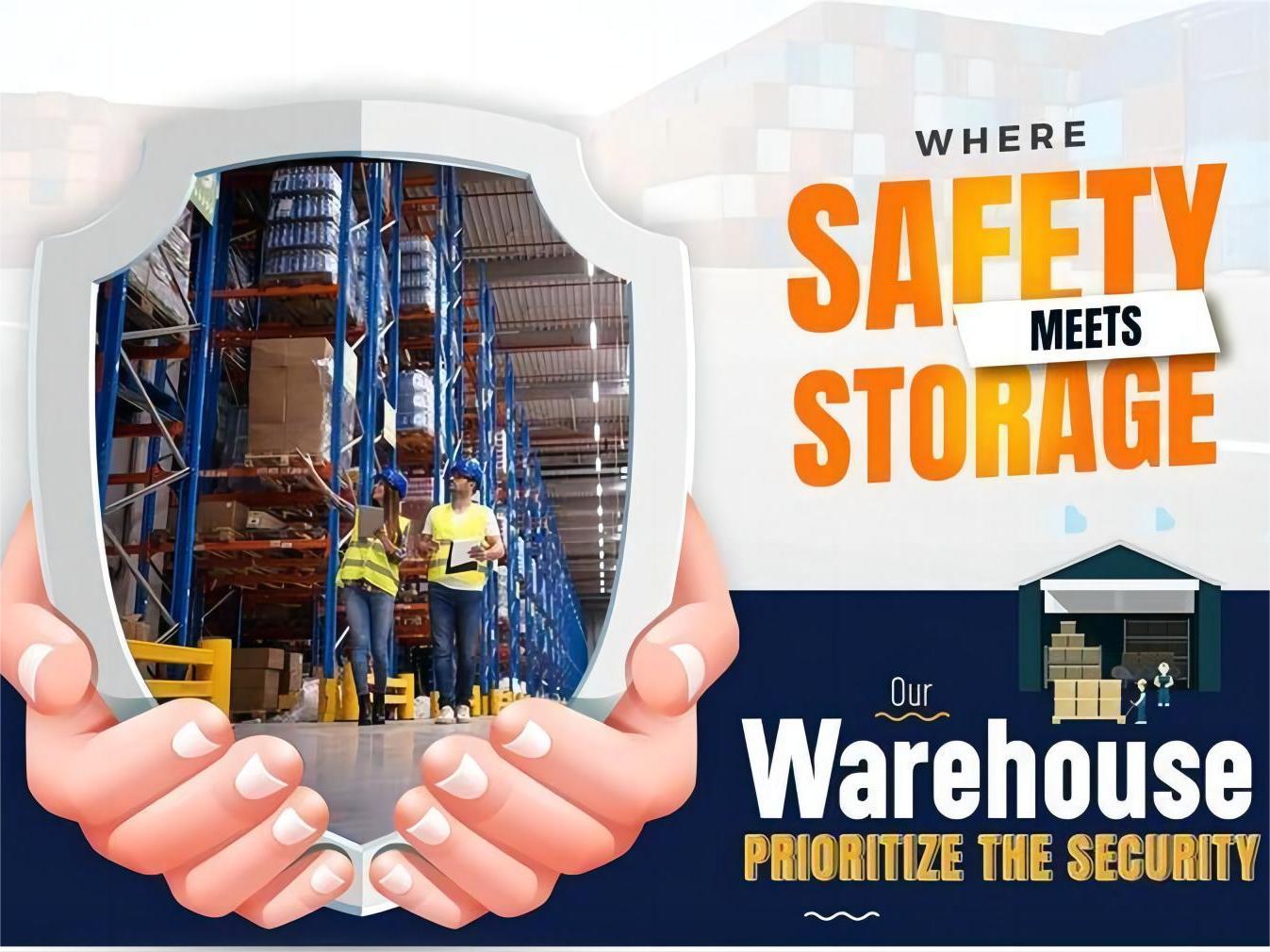
Choosing this method ensures that your cargo does not share space with other shippers, significantly reducing the risk of cross-contamination or temperature fluctuations. Consequently, it is the preferred choice for high-volume importers in Denmark who require consistency and security.
Most refrigerated containers are equipped with advanced monitoring systems that track temperature, humidity, and ventilation levels in real-time. Therefore, businesses can rest assured that their sensitive products remain within the required parameters from the point of origin to the final destination.
Why Choose Reefer FCL for China to Denmark Routes?
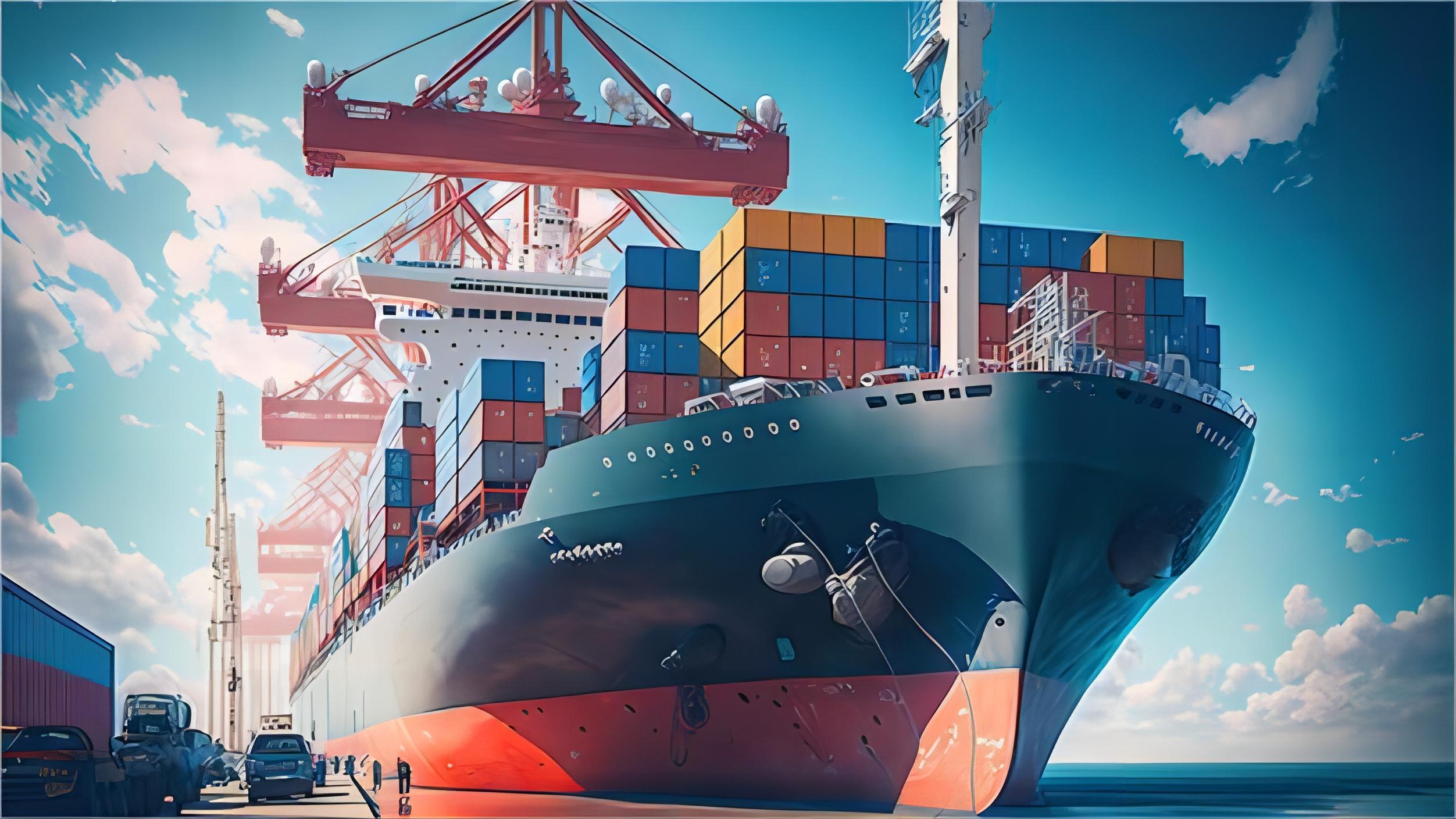
Denmark maintains high standards for food safety and pharmaceutical quality, making sea freight in refrigerated containers an essential logistics strategy. Furthermore, the distance between China and Northern Europe necessitates a robust cooling system that can operate reliably for several weeks.
Individual temperature settings allow for a wide range of products, from frozen seafood at -20 degrees Celsius to fresh fruits at 2 degrees Celsius. Moreover, the FCL model provides the fastest sea-based transit because the container is sealed at the factory and opened only at the destination.
Cost-effectiveness remains a primary driver for selecting FCL over other methods for large shipments. Because you are paying for the entire container, the cost per unit of cargo is significantly lower than LCL or air transport options.
How Does Reefer FCL shipping from China to Denmark Compare to Other Options?
Comparing different transport modes is vital for optimizing your supply chain and managing your budget effectively. While air freight offers unmatched speed, the costs are often prohibitive for bulk agricultural or food products.
On the other hand, rail options are becoming more popular but often lack the consistent reefer infrastructure found in maritime shipping. Specifically, the maritime route through the Suez Canal remains the most established path for heavy refrigerated cargo moving into Europe.
Below is a detailed comparison of the primary shipping methods available for this specific trade lane.
| Shipping Method | Cost Range | Transit Time | Best For |
|---|---|---|---|
| Reefer FCL (Sea) | $4,500 – $7,500 | 30-40 Days | Bulk perishables |
| Reefer Rail | $6,000 – $9,000 | 18-22 Days | Mid-value food |
| Air Freight | $15,000+ | 3-7 Days | Urgent medical |
| Reefer LCL | $150 – $300/CBM | 35-45 Days | Small samples |
Key Factors Influencing Shipping Costs
Market volatility often dictates the final price of shipping containers from major Chinese hubs like Shanghai or Ningbo. For instance, seasonal demand for fresh produce can cause a sudden spike in reefer equipment availability and pricing.
Fuel surcharges and port congestion also play a significant role in determining the total landed cost of your goods. Additionally, the specific temperature requirements can influence the price, as ultra-low temperature settings require more energy and specialized equipment.
Note: Freight rates are subject to change based on fuel costs, carrier capacity, and seasonal demand. Contact us for a current quote tailored to your specific shipment.
Understanding Transit Times and Port Rotations
Shipping from China to Denmark usually involves a journey of approximately 10,000 nautical miles. Vessels typically depart from Shenzhen, Shanghai, or Qingdao and head toward major European transshipment hubs.
Direct calls to Aarhus or Copenhagen are less frequent than transshipments through Hamburg or Rotterdam. Consequently, the total transit time includes the ocean voyage plus the feeder vessel connection to Danish ports.
Typical transit times for major routes are summarized in the following table for your planning purposes.
| Origin Port | Destination Port | Average Days | Service Type |
|---|---|---|---|
| Shanghai | Aarhus | 32-36 Days | Transshipment |
| Shenzhen | Copenhagen | 30-34 Days | Transshipment |
| Ningbo | Fredericia | 35-38 Days | Feeder Service |
| Qingdao | Aarhus | 38-42 Days | Direct/Trans |
Essential Customs Documentation for Denmark
Navigating the regulatory landscape is a critical step in avoiding delays at the Danish border. Because Denmark is part of the EU, all imports must comply with Union Customs Code requirements and specific national health regulations.
Utilizing a professional customs brokerage service is highly recommended to manage the complex paperwork involved with refrigerated goods. Specifically, sanitary and phytosanitary certificates are mandatory for most food items and plants.
Below is a checklist of the standard documents required for a successful customs clearance process.
| Document Name | Purpose | Issued By | Requirement |
|---|---|---|---|
| Commercial Invoice | Value declaration | Exporter | Mandatory |
| Packing List | Cargo details | Exporter | Mandatory |
| Bill of Lading | Title of goods | Carrier | Mandatory |
| Health Certificate | Safety compliance | CIQ China | Product specific |
Real-World Case Studies in Reefer Logistics
Examining actual shipping scenarios helps illustrate the complexities and successes of the China-Denmark trade route. These cases reflect market conditions as of late 2024 and early 2025.
Case Study 1: Organic Frozen Berries. A Danish wholesaler imported 22 tons of frozen berries from Qingdao to Aarhus. By using a 40HQ Reefer container, they maintained a steady -18C throughout the 35-day journey, resulting in zero product loss.
Case Study 2: Pharmaceutical Ingredients. A biotech firm in Copenhagen required temperature-sensitive precursors from Shanghai. The shipment utilized a door to door service to ensure the cold chain was never broken during truck-to-ship transfers.
Case Study Detail: Frozen Seafood
Route: Dalian, China to Aarhus, Denmark. Cargo: Frozen Cod Fillets, 24,000 kg. Container: 40HQ Reefer.
Shipping Details: Carrier: Maersk. Port of Loading: Dalian. Port of Discharge: Aarhus via Bremerhaven. Ocean Freight: $5,200. Total Landed Cost: $6,850. Sea Transit: 34 days. Total Door-to-Door: 41 days.
Key Insight: Pre-cooling the container for 24 hours before loading was essential to prevent initial temperature shocks to the frozen cargo.
Decision Framework: Which Shipping Option Should You Choose?
Deciding on the right logistics strategy requires a balance between cost, speed, and the nature of your goods. If your priority is budget and you are moving large volumes of shelf-stable perishables, Reefer FCL is undoubtedly the best choice.
However, if you are dealing with high-value pharmaceuticals with a short shelf life, the speed of air transport might justify the higher expense. For mid-range needs, consider the emerging rail options that offer a middle ground in both price and transit time.
Volume thresholds also matter; once your shipment exceeds 15 CBM, the cost of a full 20ft reefer container usually becomes more economical than paying for multiple LCL spaces.
Final Thoughts on Reefer Logistics
Successfully managing Reefer FCL shipping from China to Denmark requires a combination of high-quality equipment, rigorous monitoring, and expert customs handling. By understanding the transit times, cost drivers, and documentation requirements, importers can build a resilient and efficient supply chain.
As market trends evolve in 2025, staying informed about port conditions and carrier capacity will remain vital. Ultimately, partnering with an experienced freight forwarder ensures that your cold chain remains intact, protecting your investment and your reputation in the Danish market.
Ready to streamline your logistics?
Ensure your temperature-sensitive cargo arrives safely with our expert Reefer FCL shipping from China to Denmark. Our team provides end-to-end cold chain solutions tailored to your specific business requirements. Contact Top China Freight today for a customized quote and professional logistics advice.
Request Quote